Waiter’s knives & sommelier knives

The waiter’s corkscrew is in every server’s apron pocket, and not without reason. Foil cutter, spiral, and lever are combined in one folding knife that you can operate with one hand. You don’t have to clamp the bottle between your knees, and no piece of cork will fall into the wine.

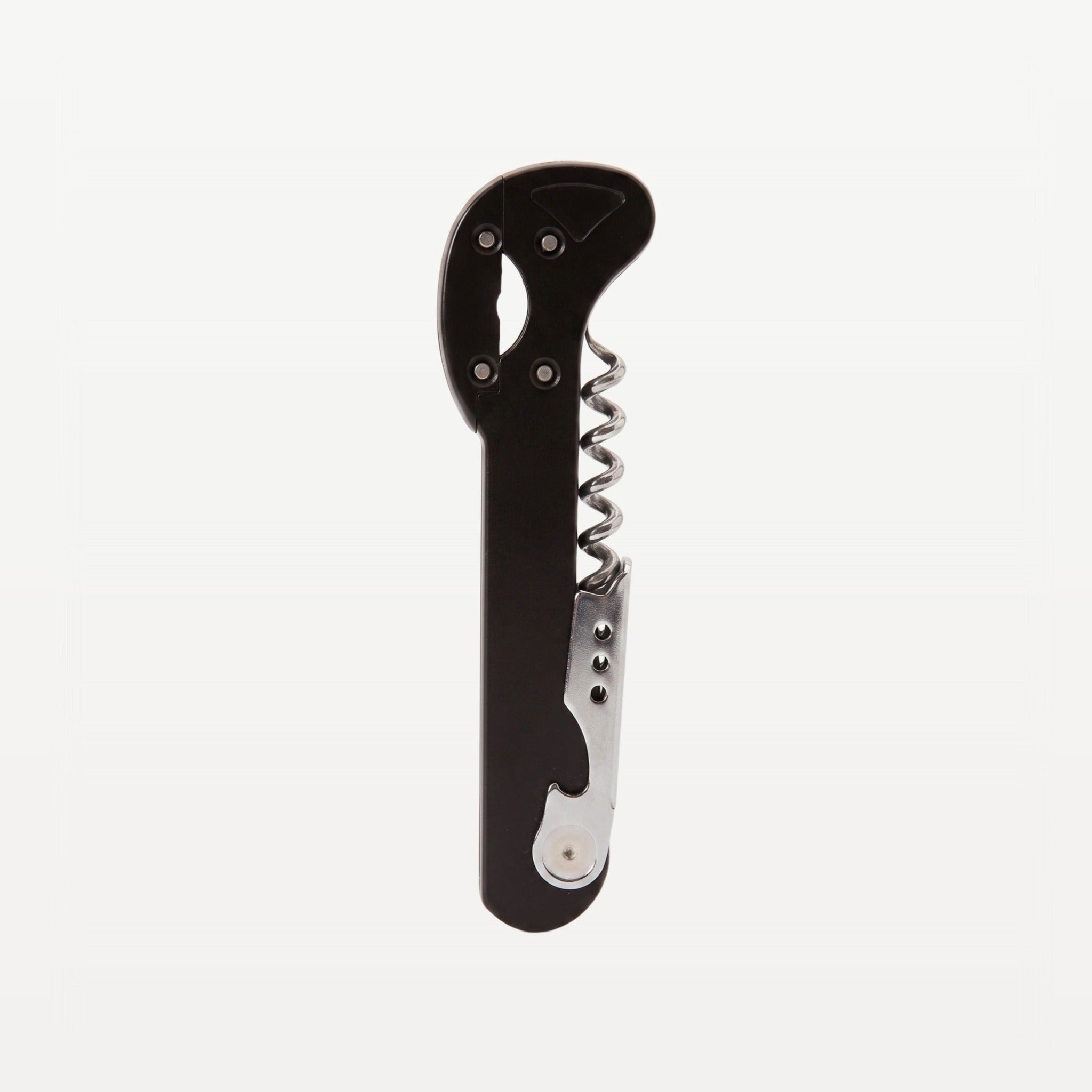
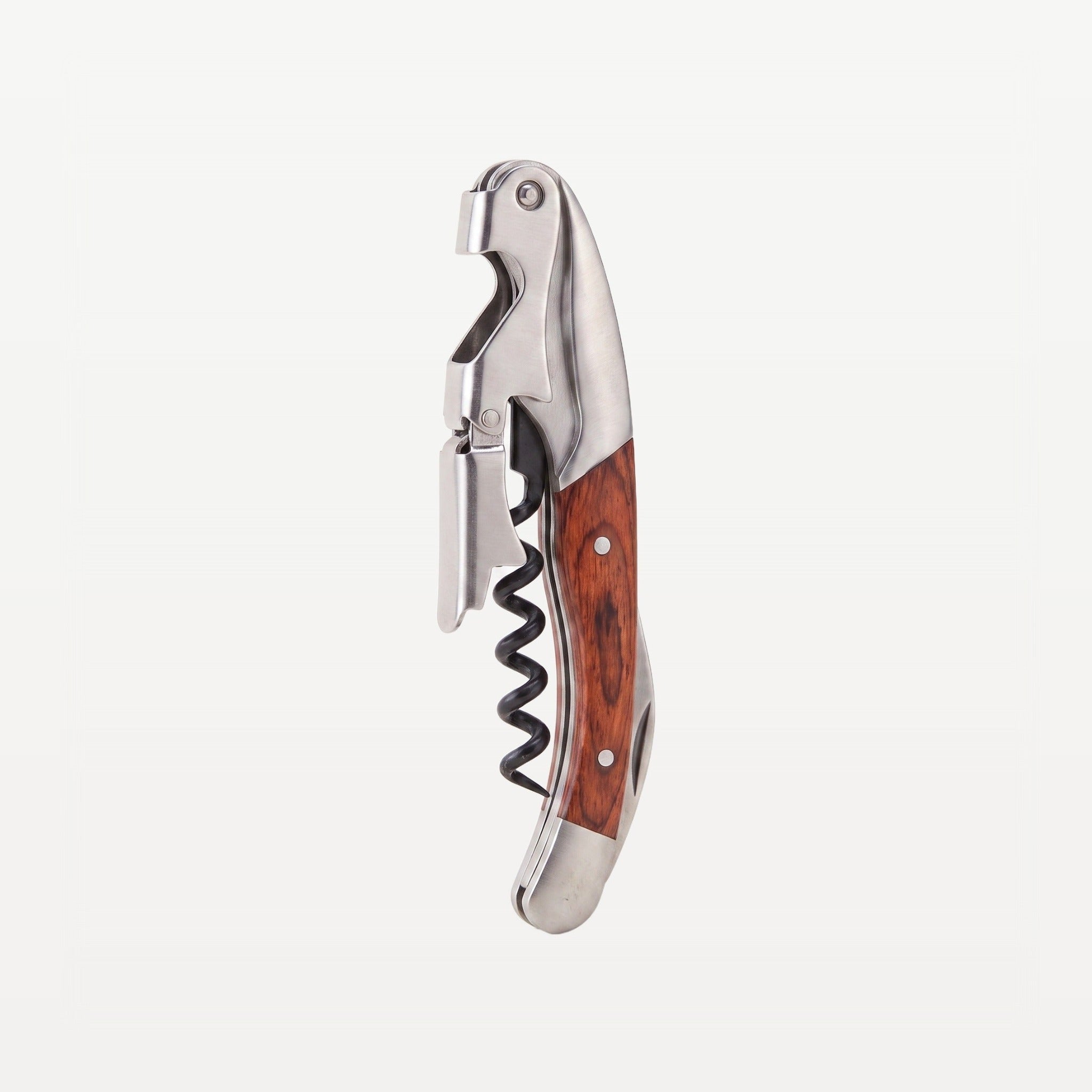
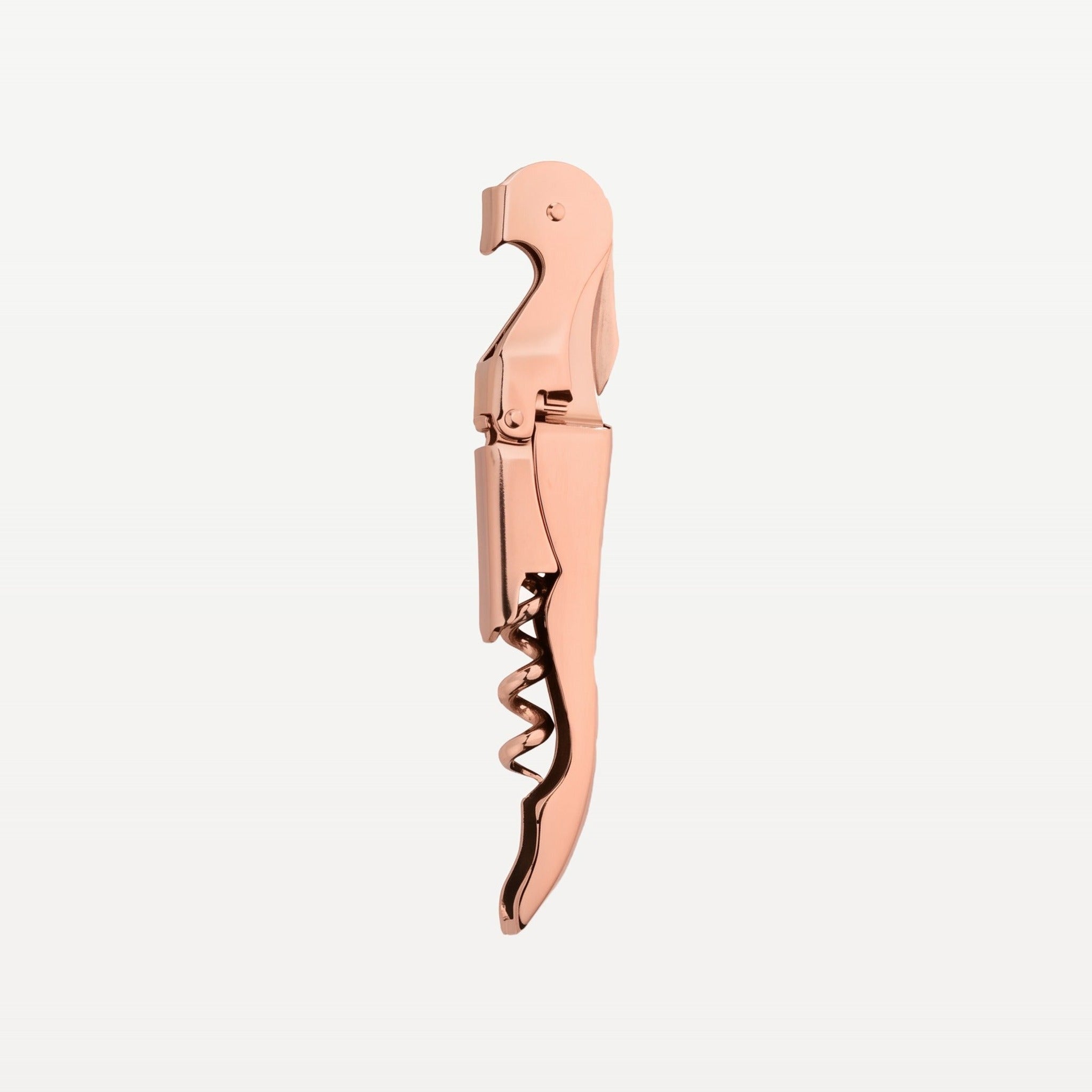
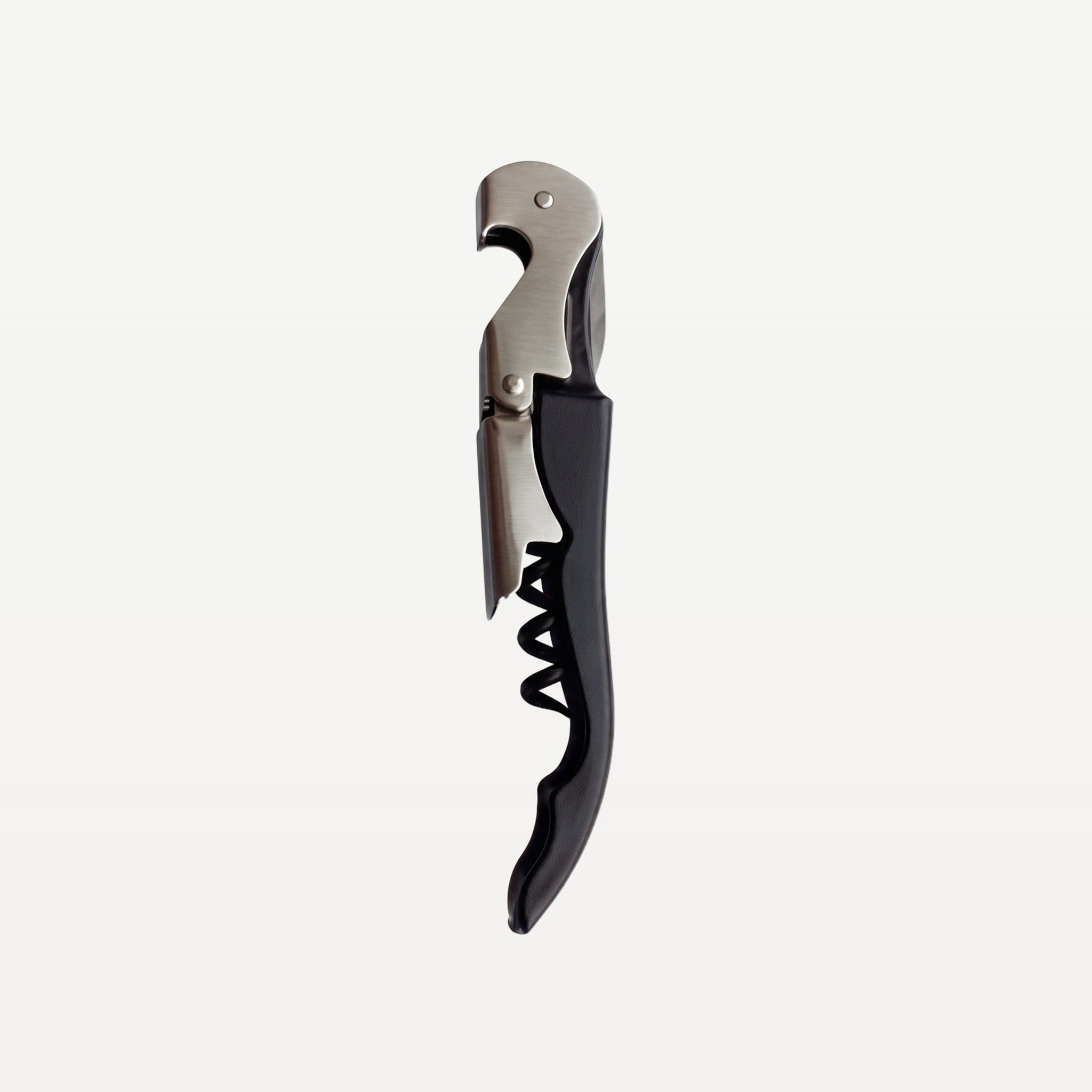
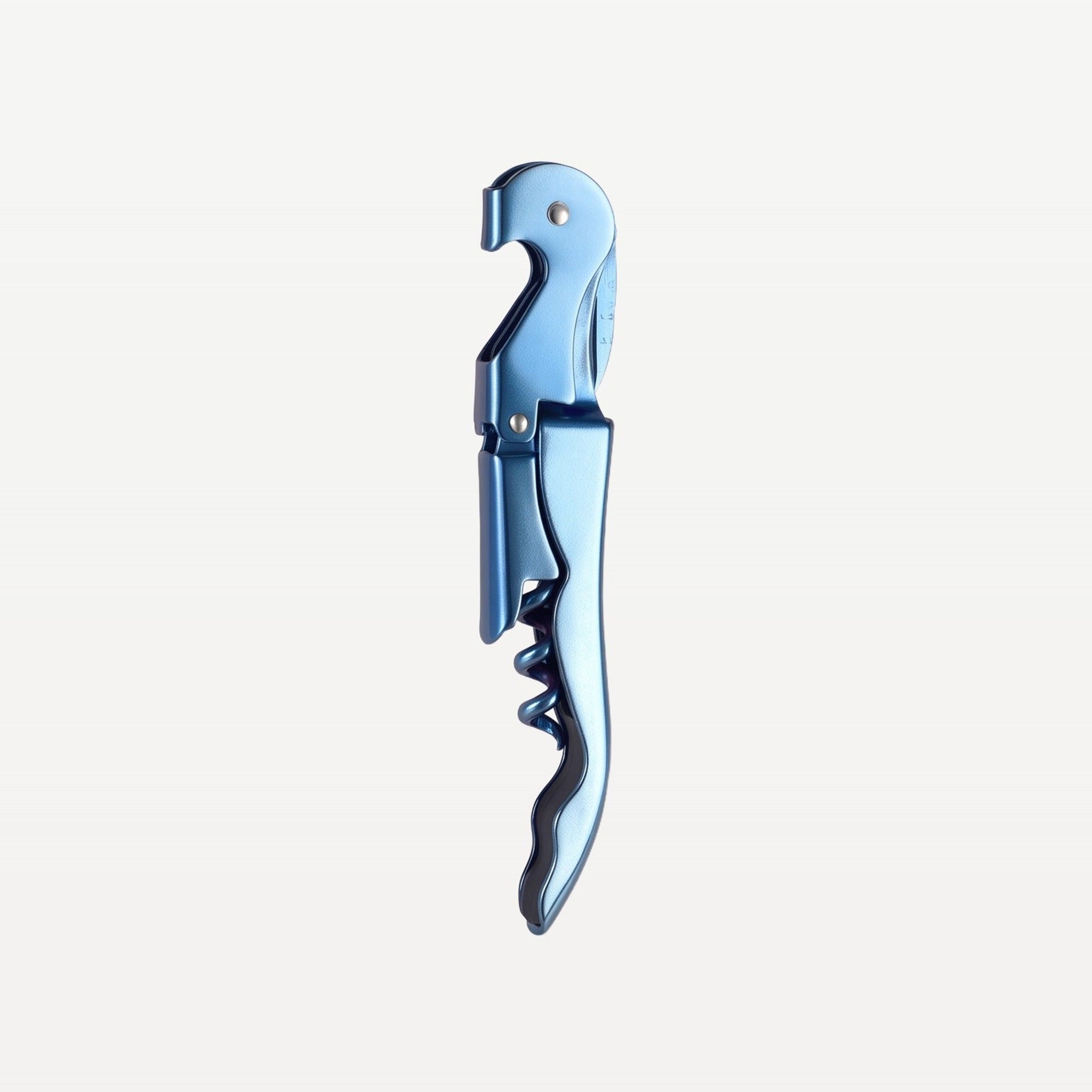
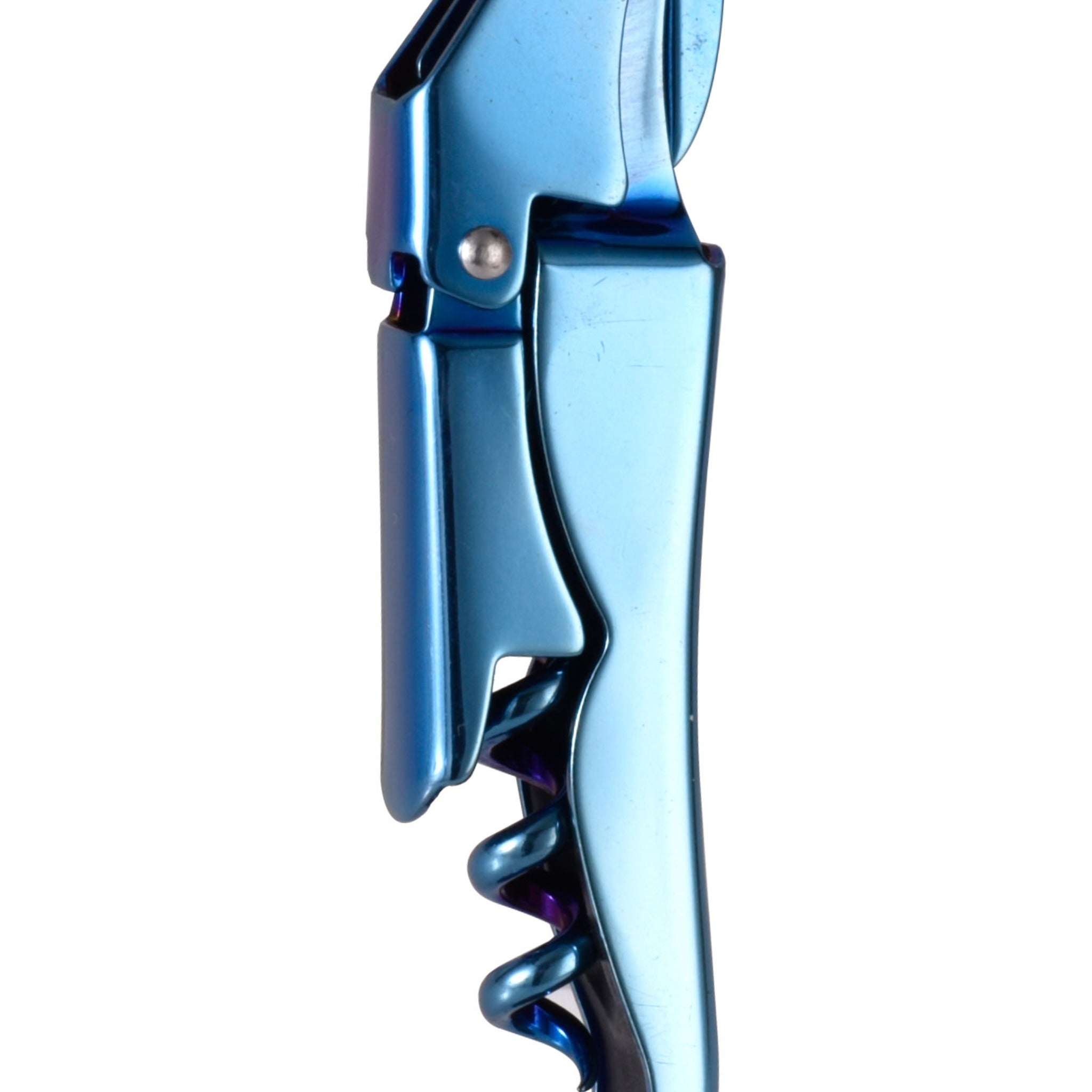
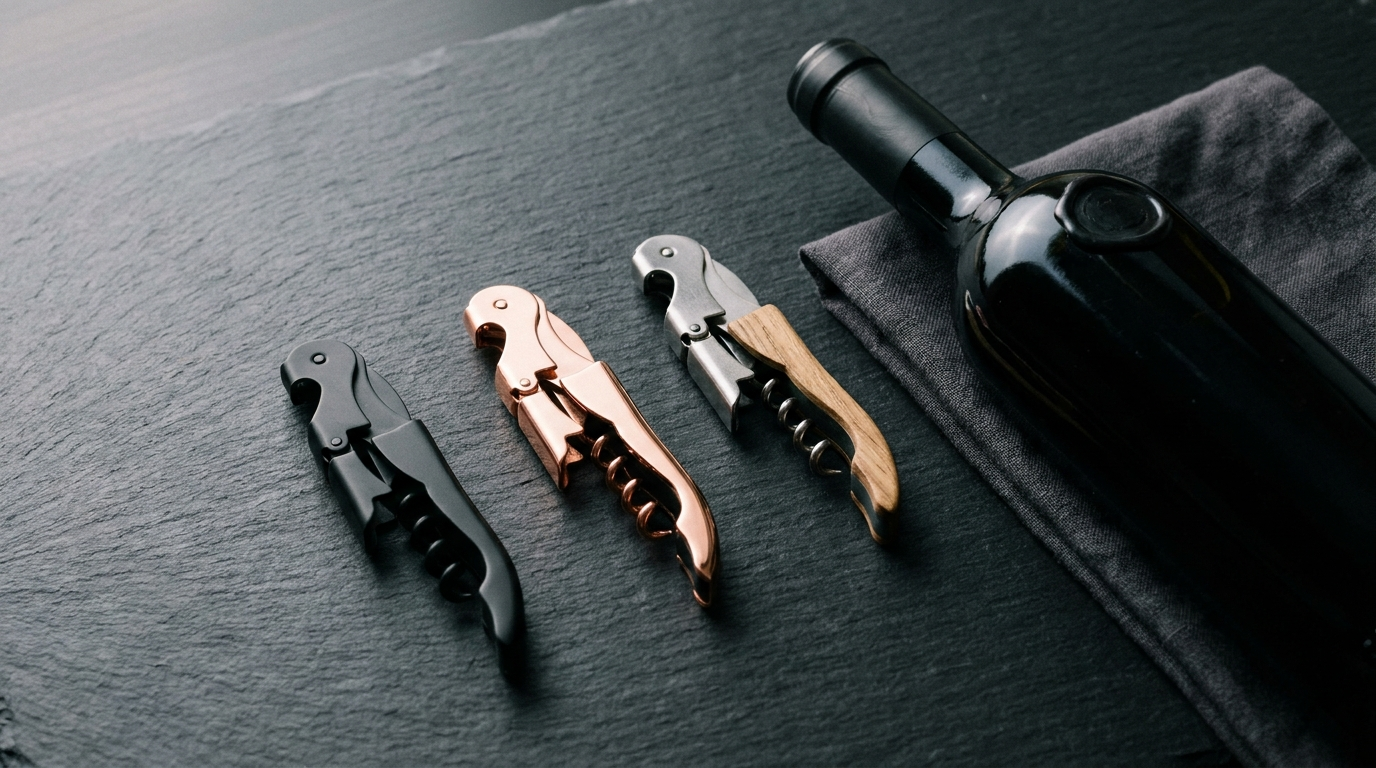
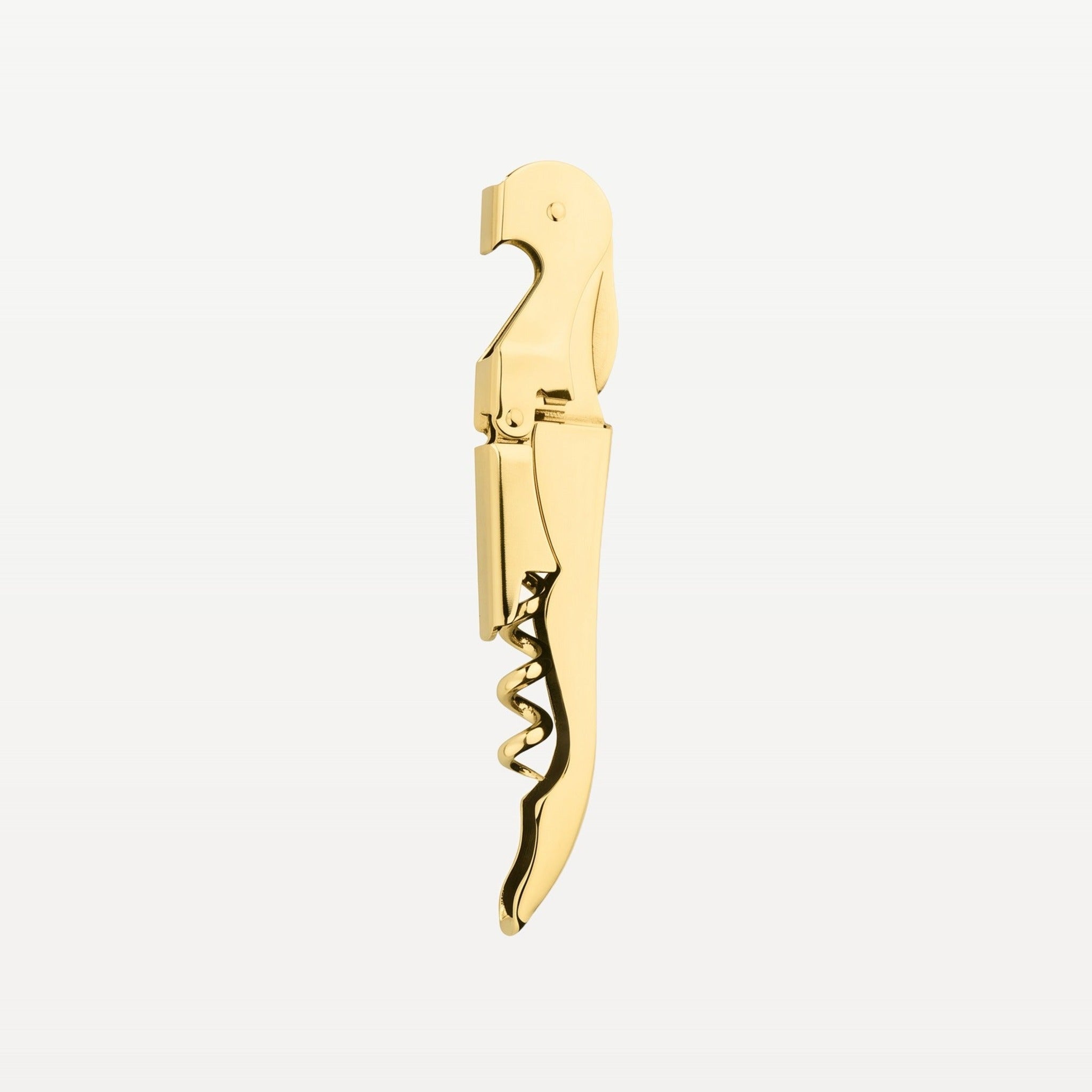
The models here are by Bar Professional and all work according to the same principle: first run the blade along the neck, then insert the spiral into the cork, and finally place the lever on the bottle rim. There is a version with a wooden handle, as well as versions in black, copper, gold, and blue.

Filters

Sort by:

6 products

Bar Professional Sommelier Kurkentrekker Goud
Bar Professional Sommelier Kurkentrekker & Foliesnijder Zwart
Bar Professional Sommelier Kurkentrekker Deluxe Hout
Bar Professional Sommelier Kurkentrekker Koper
Bar Professional Sommelier Kurkentrekker Zwart
Bar Professional Sommelier Kurkentrekker BlauwBar Professional Sommelier Kurkentrekker Blauw dichtgeklapt
100% breakage-free, or we’ll send you a new one | Free returns with store credit | Shipping from €6.95
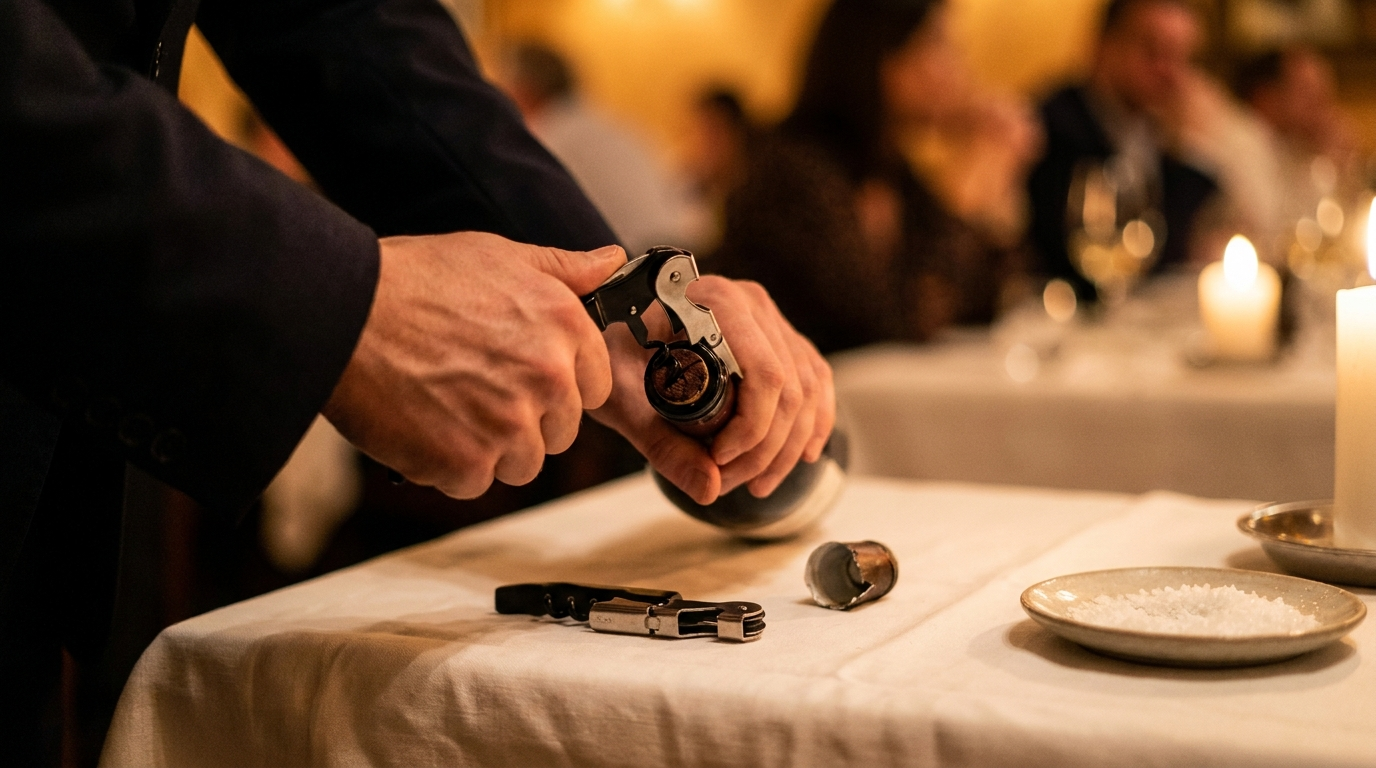
Sommelier trekt een kurk uit een wijnfles met een zwart kelnersmes aan tafel

What to look for in a waiter's knife

The worm does most of the work. Look for an open coil with a smooth coating, because that turns through an old, dry cork more easily than a thick screw that pushes the cork apart. Then look at the lever: a model with two steps takes the bottle rim in two movements and therefore pulls the cork straight up, which prevents tearing. The foil blade should be sharp and open with one thumb. Beyond that, what mostly counts is how the thing sits in the hand. A wooden handle is thicker and more comfortable if you work with it all evening; metal is slimmer and disappears more easily into a trouser pocket. The colours are a finish and change nothing about how it works. If you also work behind the bar, have a look at the cocktail shakers.

Drie kelnersmessen in zwart, koper en hout naast elkaar op een donkere ondergrond

How to uncork a bottle at the table

Cut the foil below the second ridge of the neck, so the wine never runs along the foil while you pour. Then turn the worm into the middle of the cork and keep it upright; starting at an angle is why corks break. Turn until just before the last coil and then stop, because going further pushes cork crumbs into the wine. Set the first step on the bottle rim, pull up steadily, set the second step and take the cork out in one movement. For an Aperol Spritz you only cut the foil off the prosecco and twist the cork loose by hand. If you are making a jug of sangria, the same blade cuts the fruit straight away.

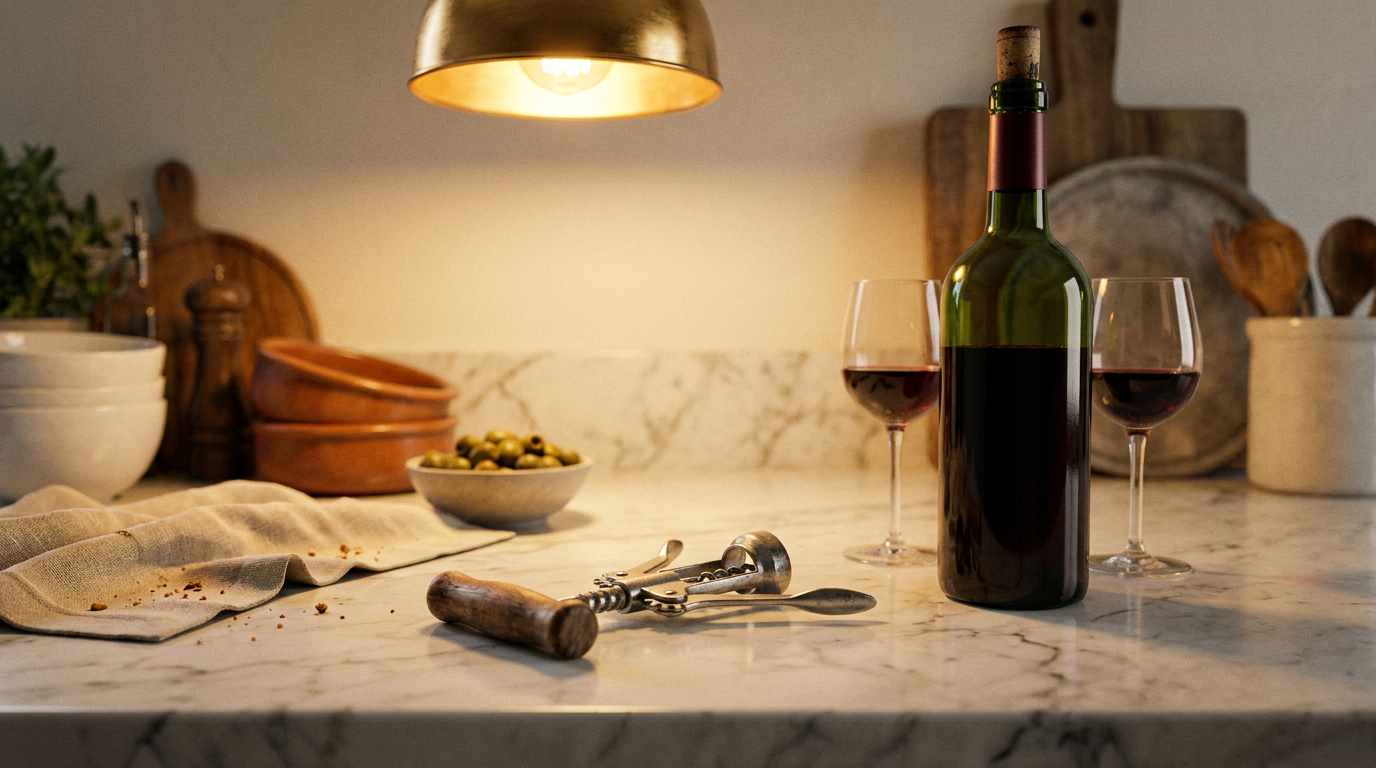
Kelnersmes met houten heft op een marmeren aanrecht naast een geopende fles rode wijn

Caring for the blade and the worm

A waiter's knife does not go in the dishwasher. The hinge and the spring rust and the blade goes blunt from the detergent. Wipe the knife with a dry cloth after use and now and then take cork dust out of the coil of the worm with a toothbrush. If the foil blade goes blunt, hone it on a fine whetstone at the same angle it was ground at. A drop of oil on the hinge keeps the folding mechanism smooth. Store the knife folded shut and not loose among other tools.

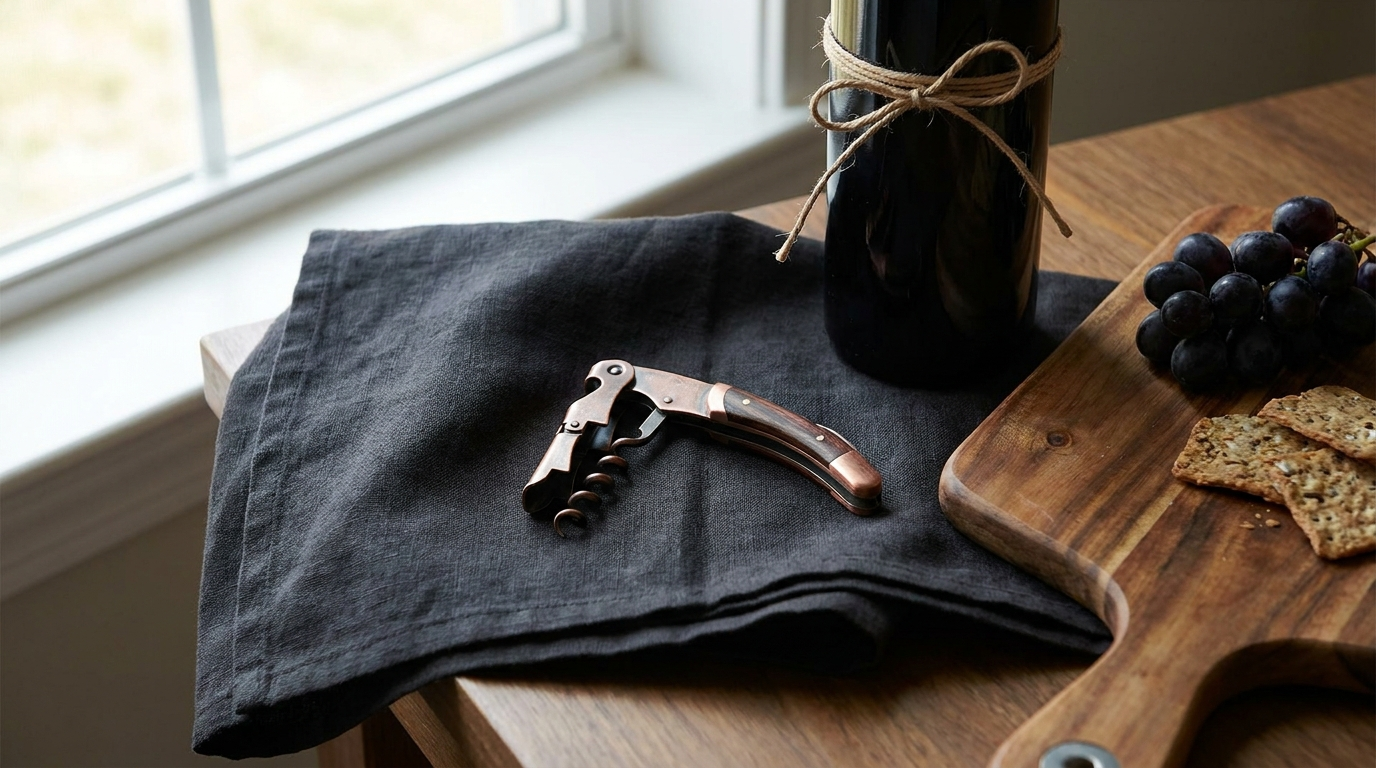
Koperen kelnersmes op een donkere linnen doek naast een wijnfles, als cadeau gepresenteerd

What else belongs to wine service

Once the bottle is open, the rest of the table decides how the wine comes across. The wine glasses are sorted by bowl shape, and a young red gains aroma in one of the decanters or through one of the wine aerators, which give the wine air on its way to the glass. If half a bottle is left over, the wine stoppers keep it good for a few more days.