Pour measures

Behind a busy bar, things go wrong the moment no one measures anymore. The first pour is 3.5 cl, the fourth is well over five, and by the end of the evening, the inventory count no longer matches the till. A pourer eliminates that variation. You attach it to the bottle neck, tilt the bottle, and get the same amount every time.

The same principle works at home. A cocktail recipe is nothing more than a ratio, and when you pour by eye, you mainly taste whichever component accidentally ended up being the largest. Measuring takes two seconds and saves you from a drink that tastes like nothing it should.

Filters

Sort by:

13 products

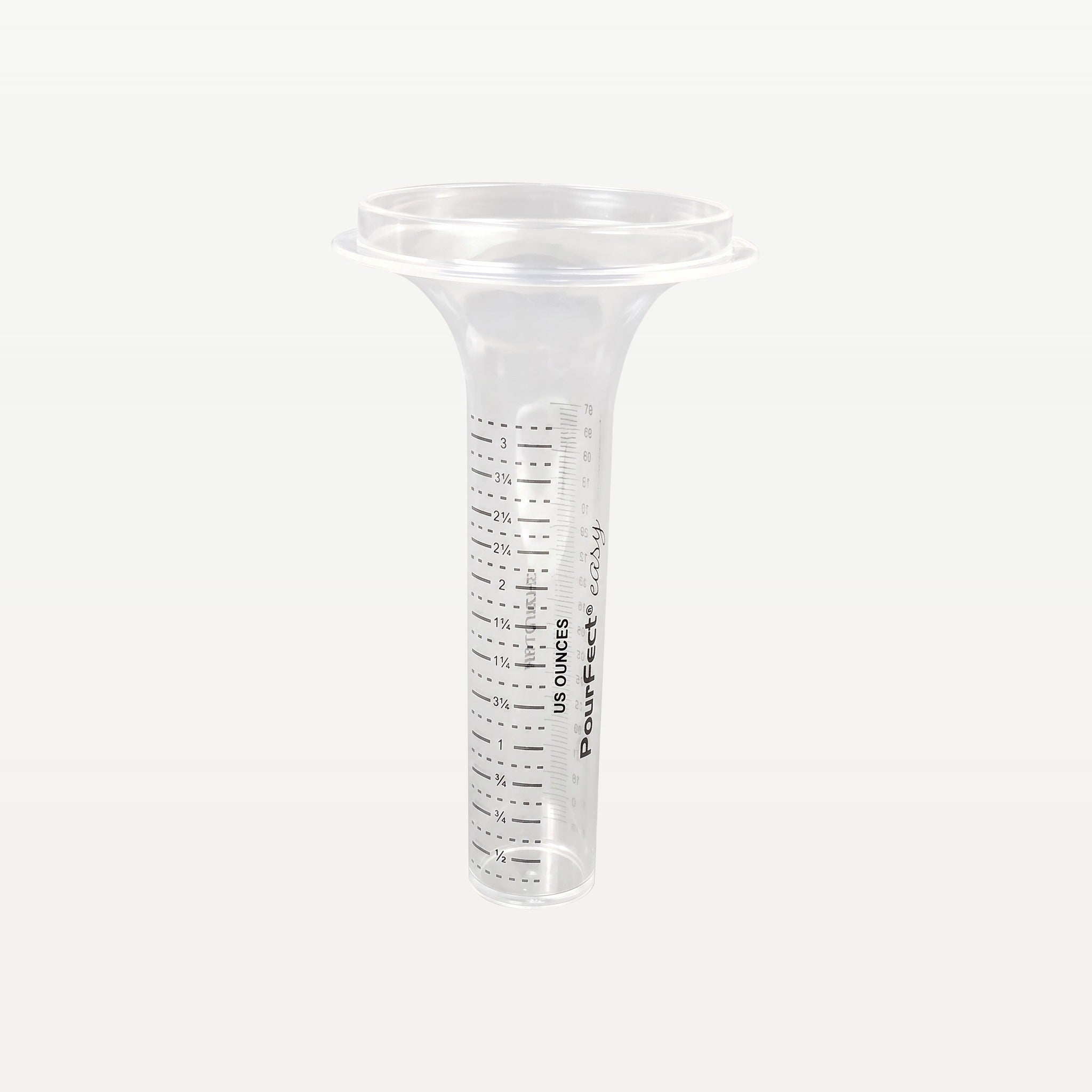
Bar Professional Pourfect Easy Schenkmaat Transparant
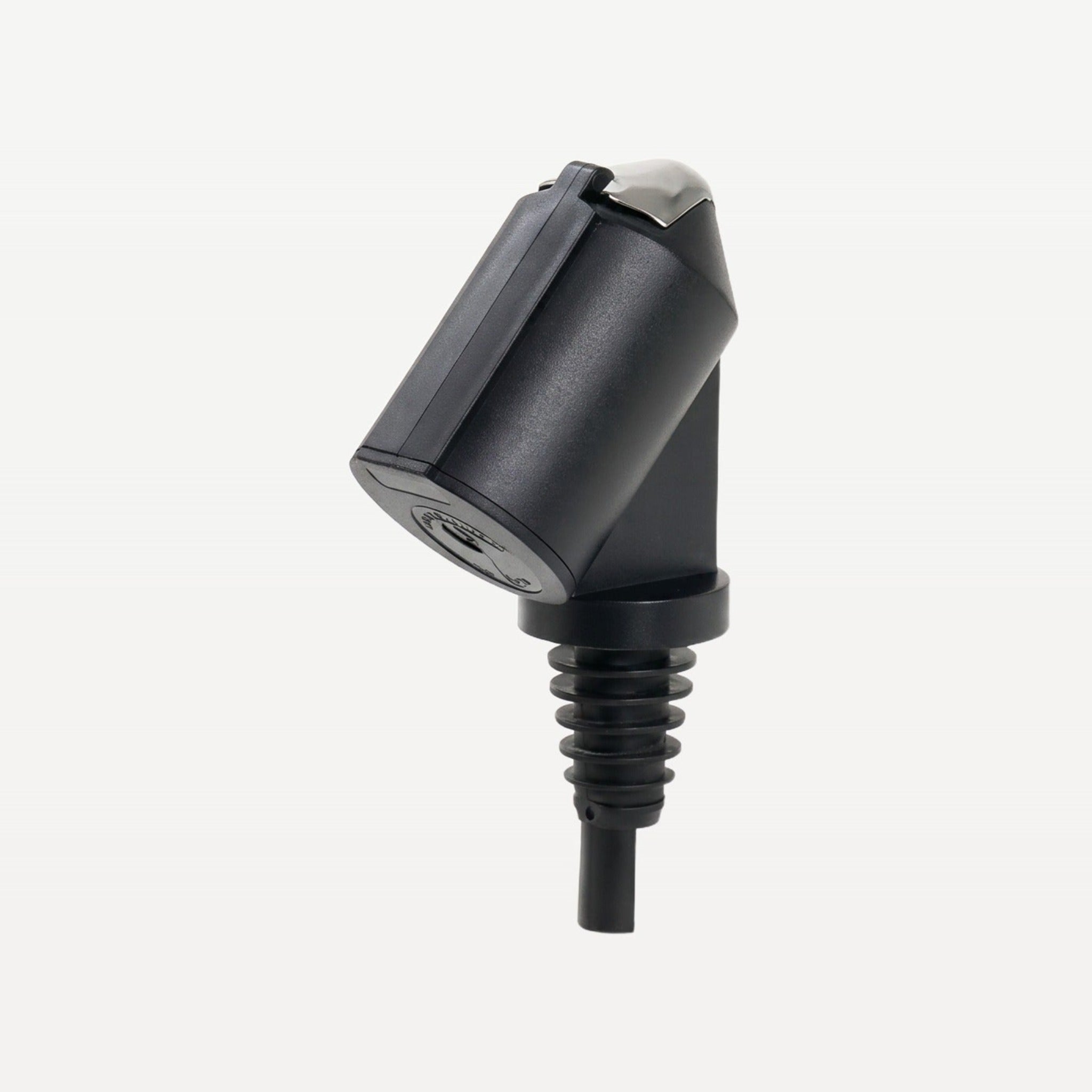
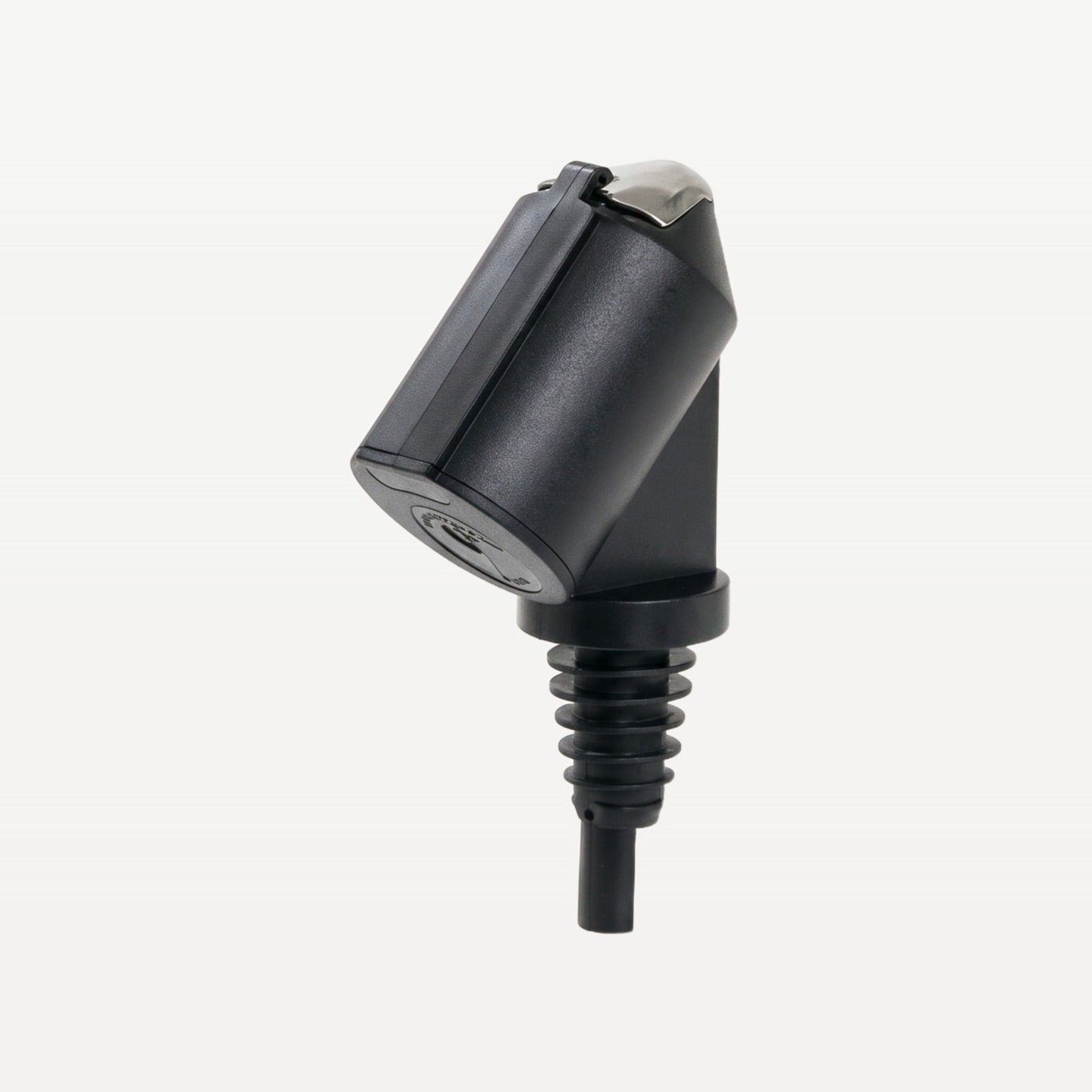
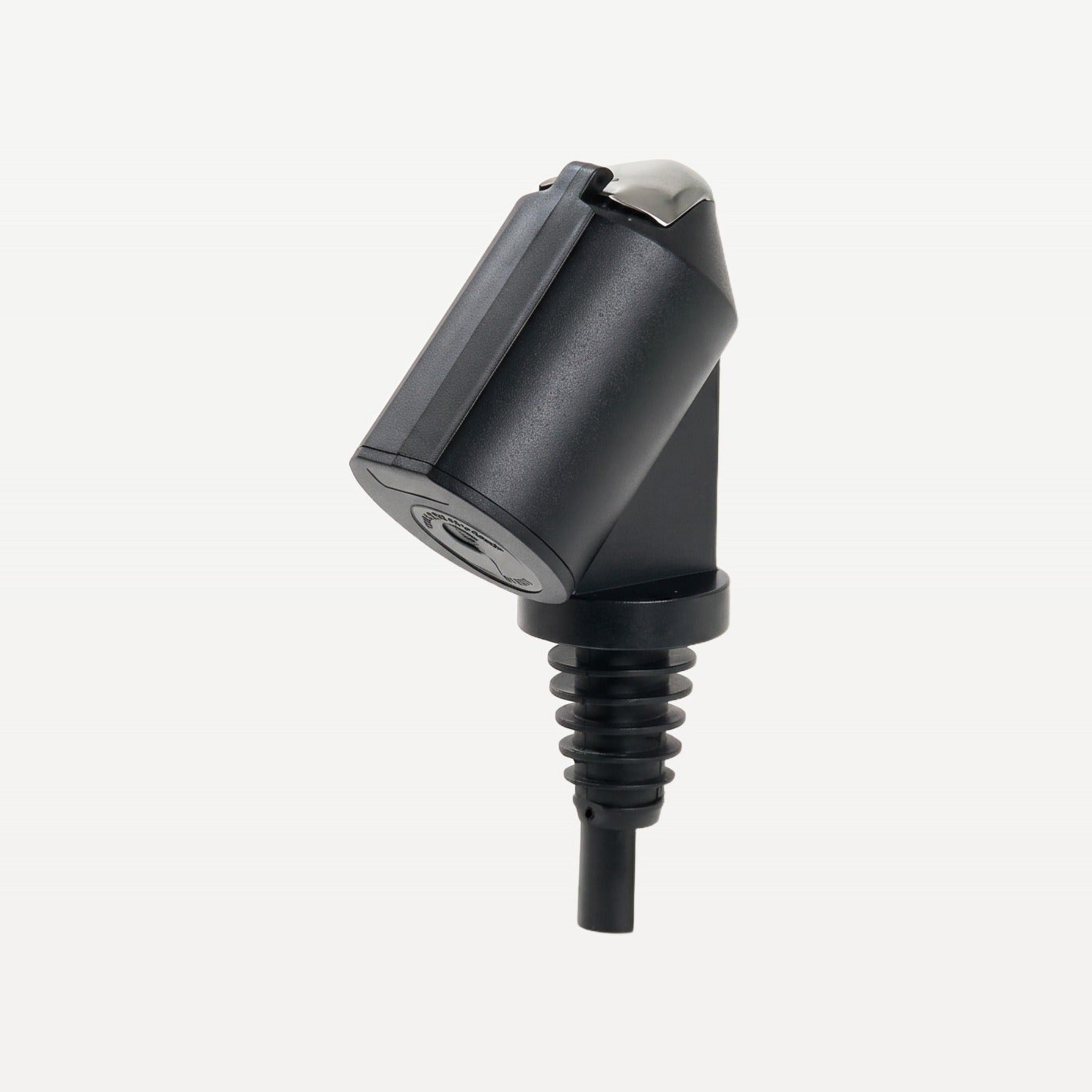
Bar Professional Bottle Master Schenkmaat Zwart 5 Cl
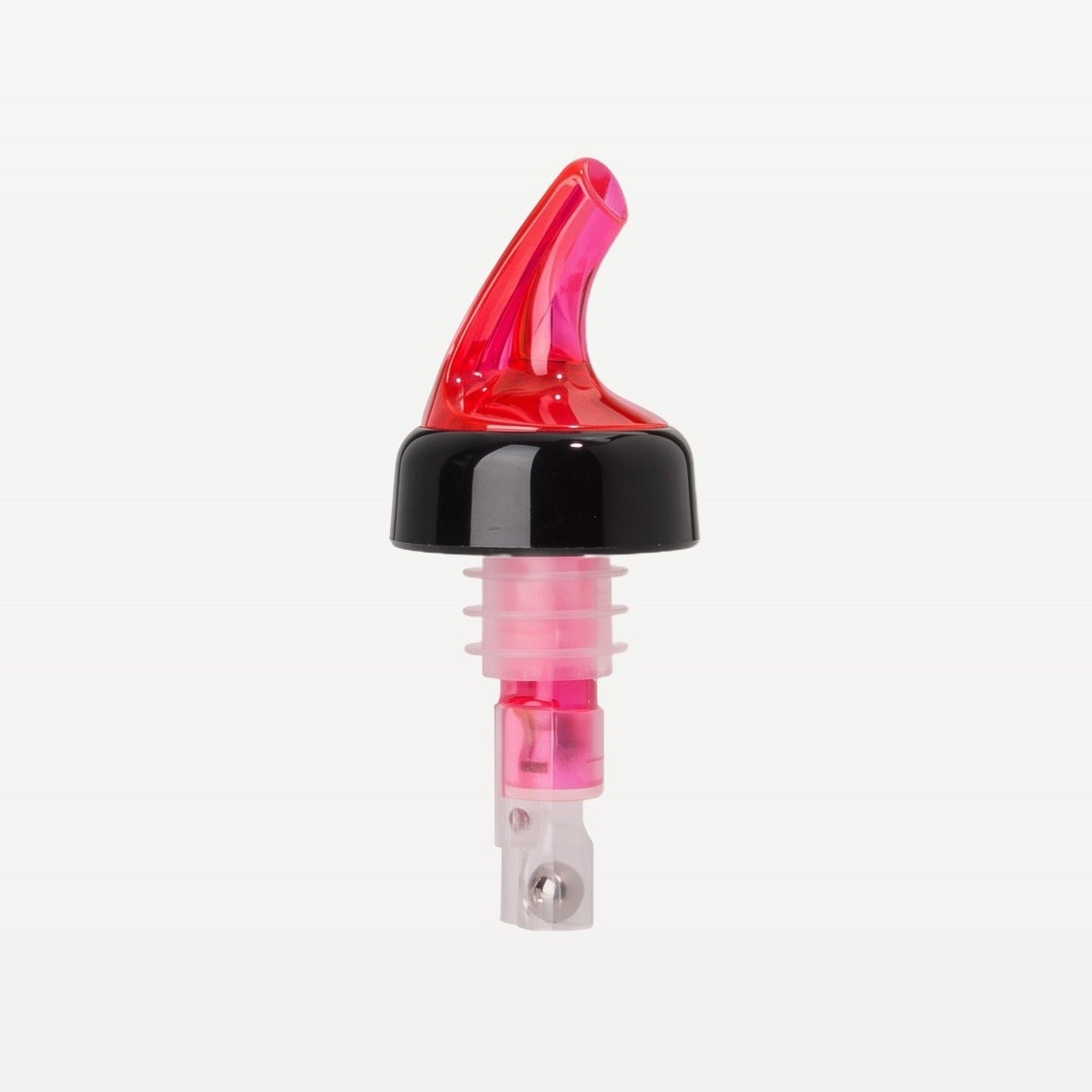
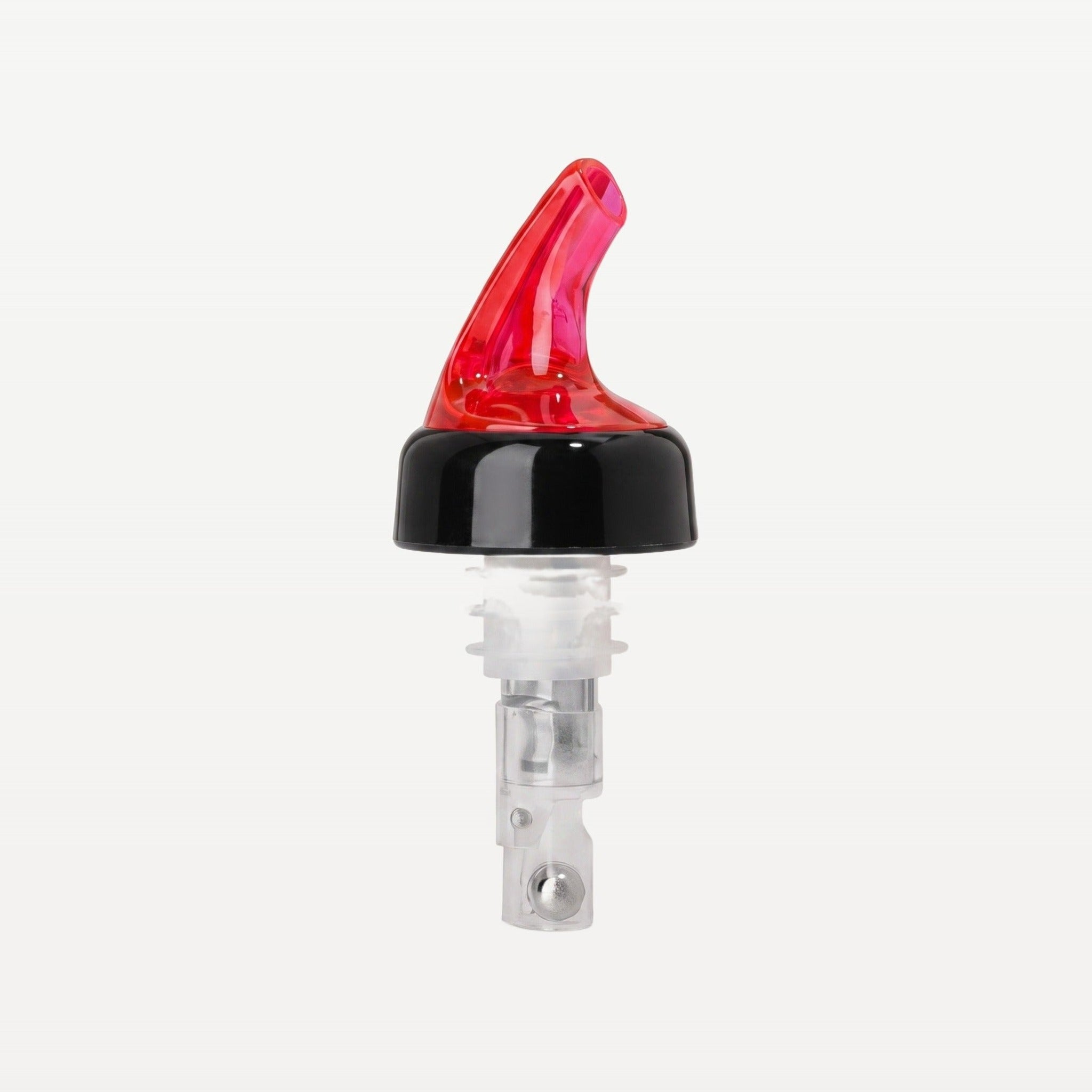
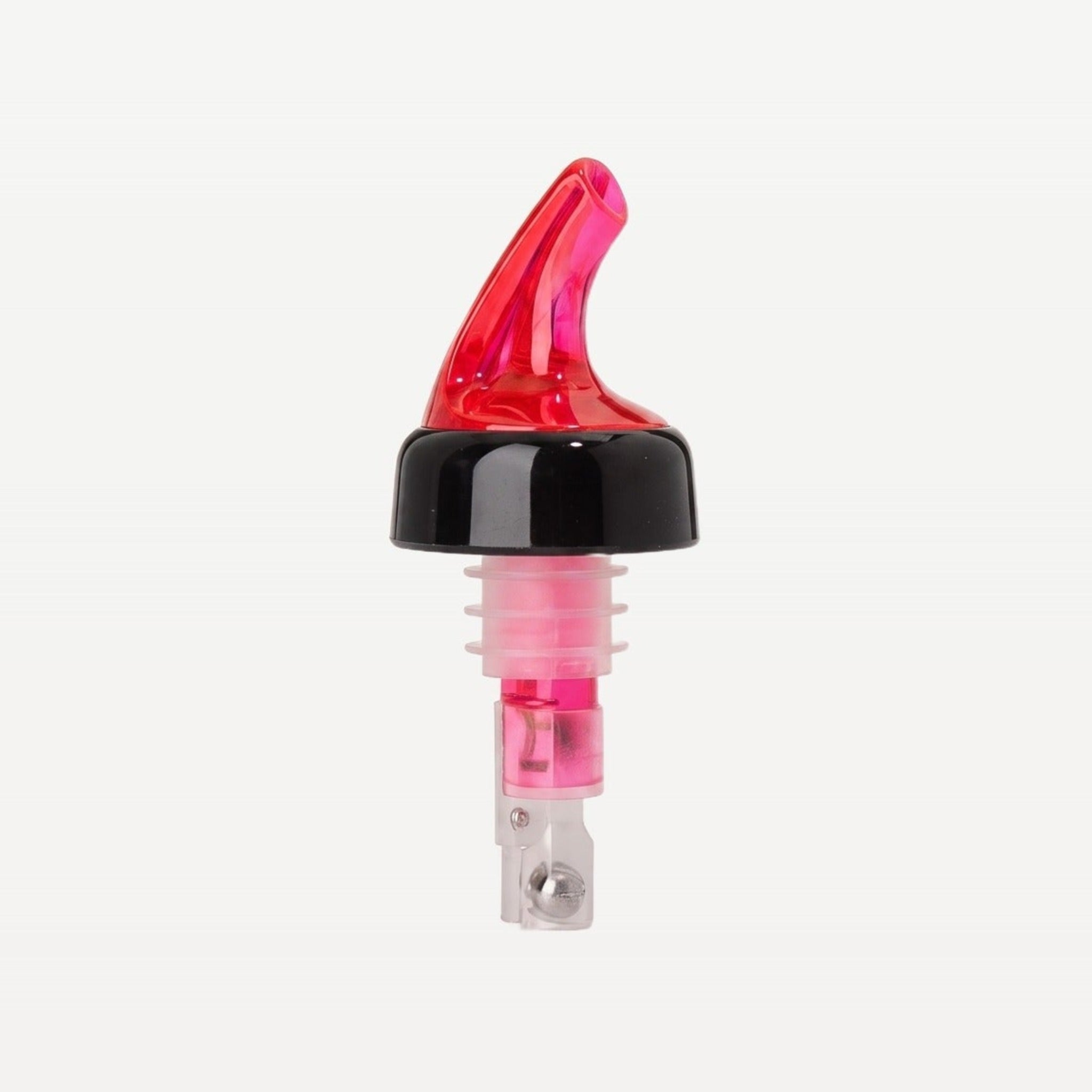
Bar Professional Schenkmaat 3-Ball met Kraag Rood 5 Cl
Bar Professional Bottle Master Schenkmaat Zwart 3,5 Cl
Bar Professional Schenkmaat 3-Ball met Kraag Rood 3,5 Cl
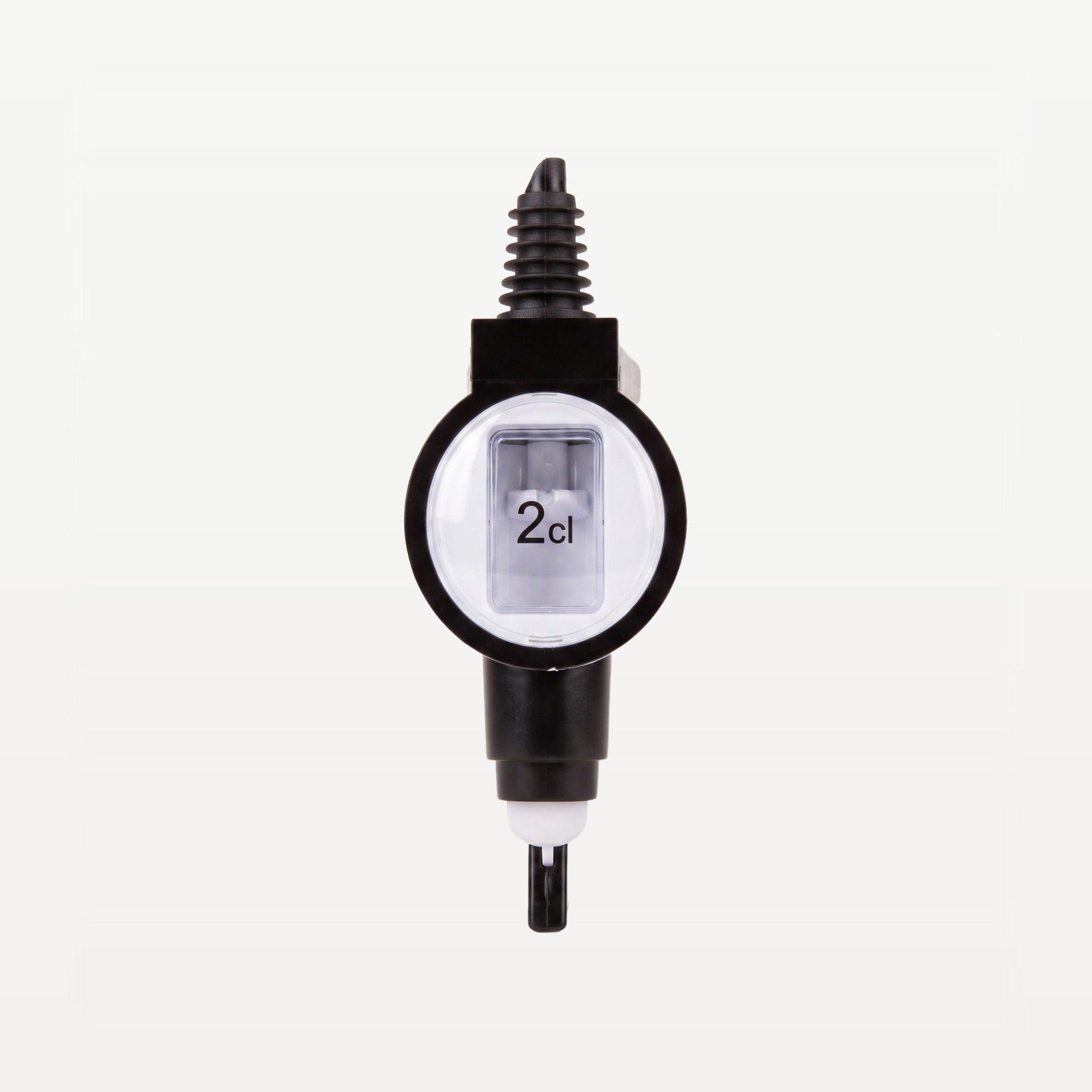
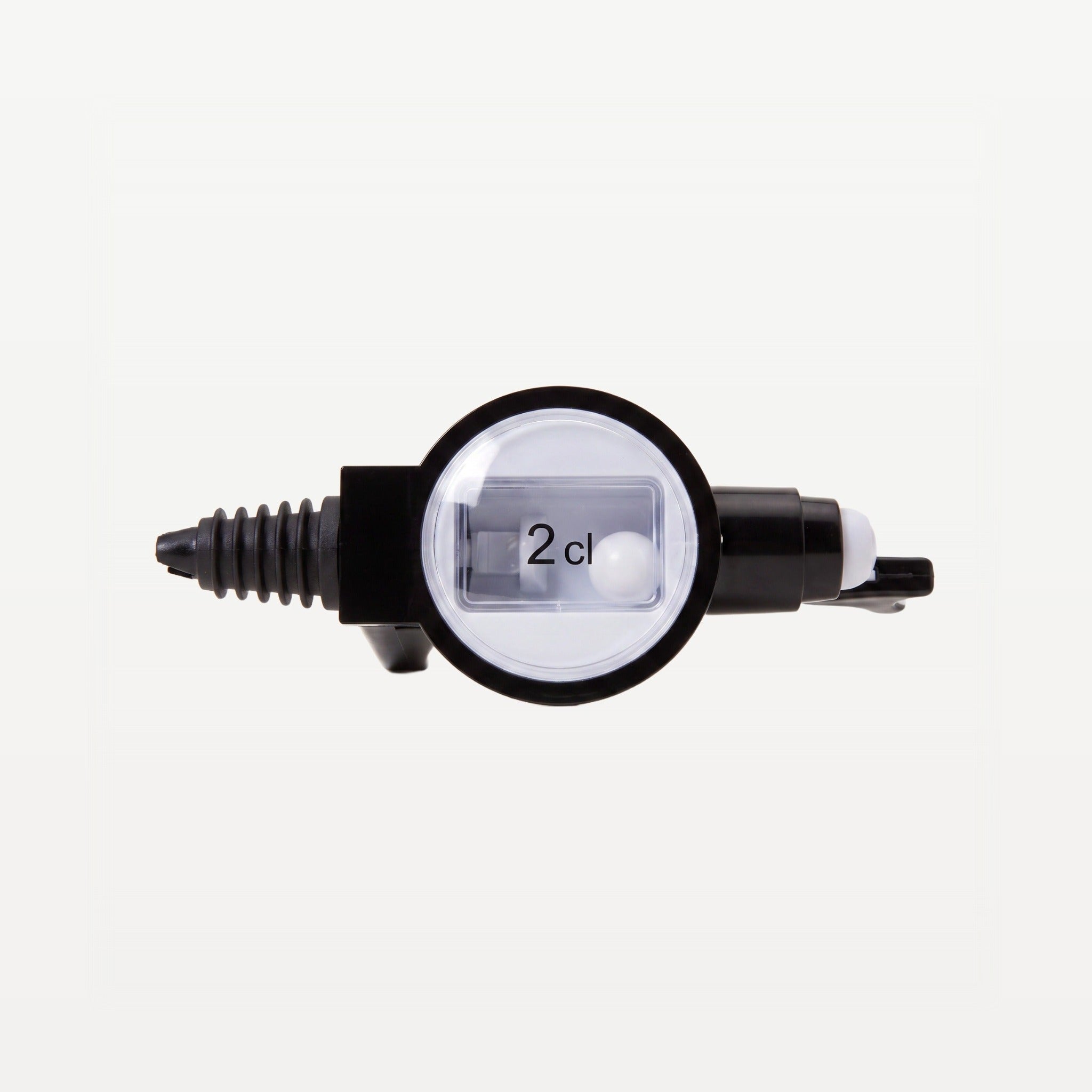
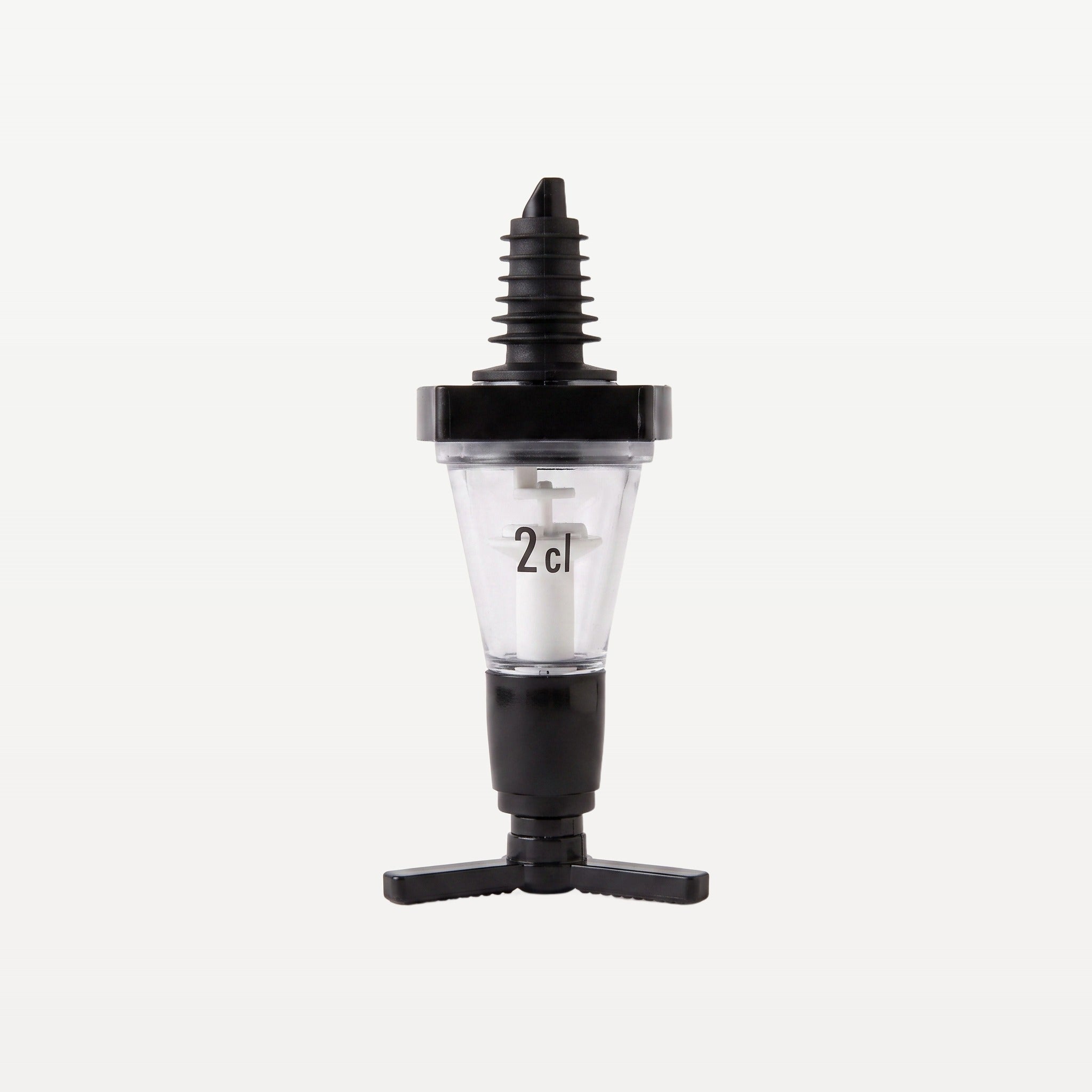
Bar Professional Bottle Master Schenkmaat Zwart 2 Cl
Bar Professional Schenkmaat 3-Ball met Kraag 2 Cl
Bar Professional Schenkmaat Pro met Handvat Zwart 5 Cl
Bar Professional Schenkmaat Pro met Handvat Zwart 35ml
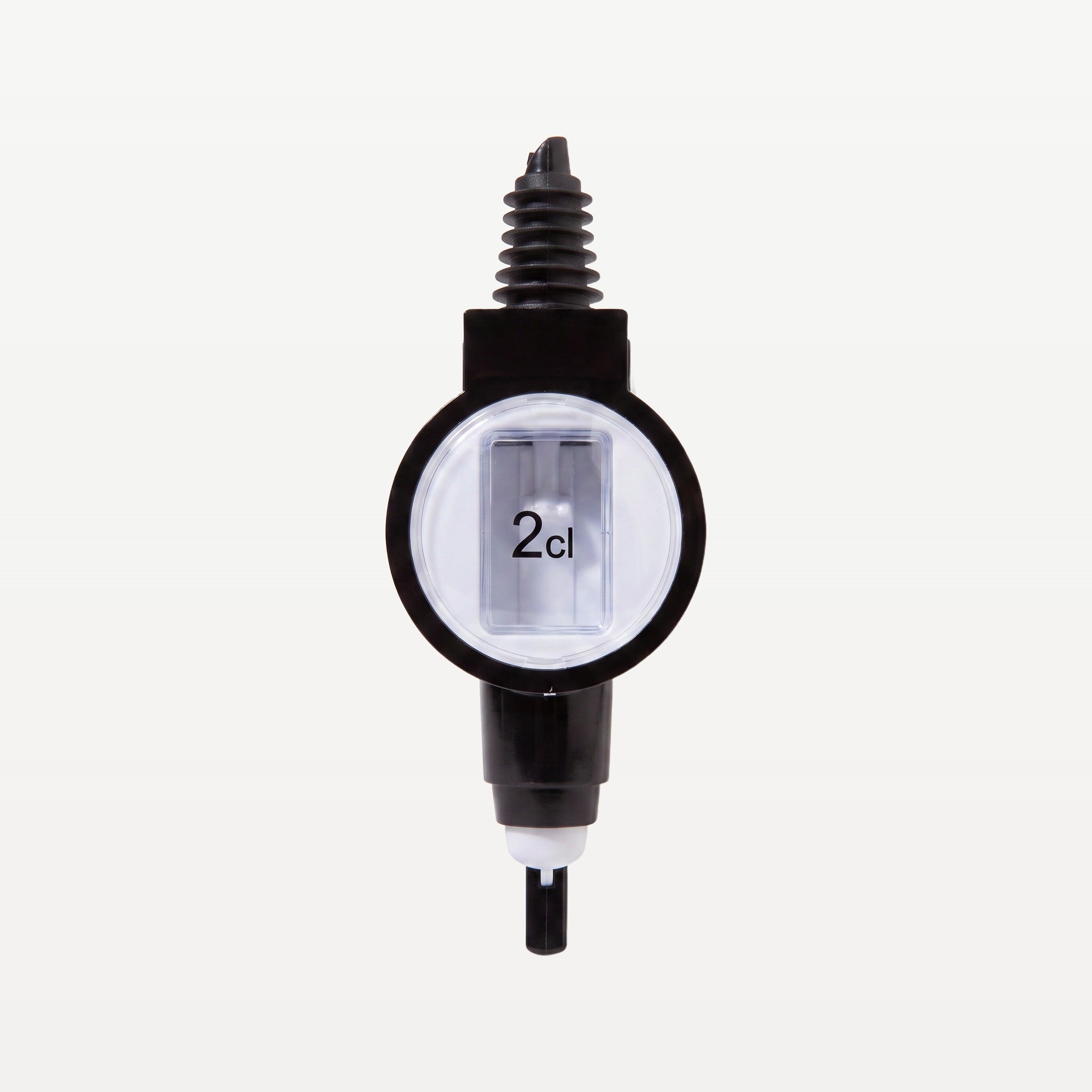
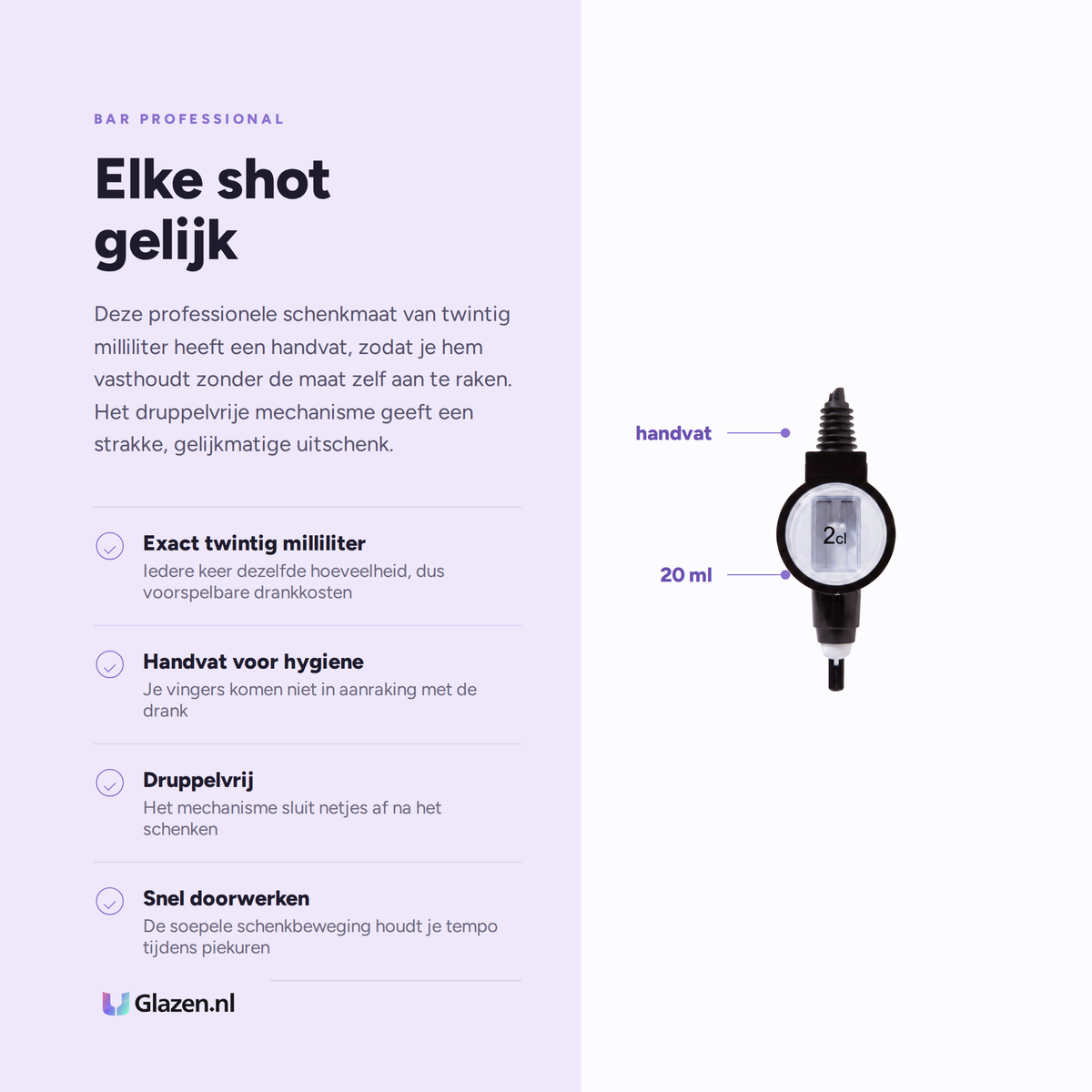
Bar Professional Spirit Measure Pro Schenkmaat Zwart 20 mlEigenschappen van de Bar Professional Spirit Measure Pro schenkmaat 20 ml
Bar Professional Schenkmaat Zwart 50 ml
Bar Professional Schenkmaat Zwart 35 ml
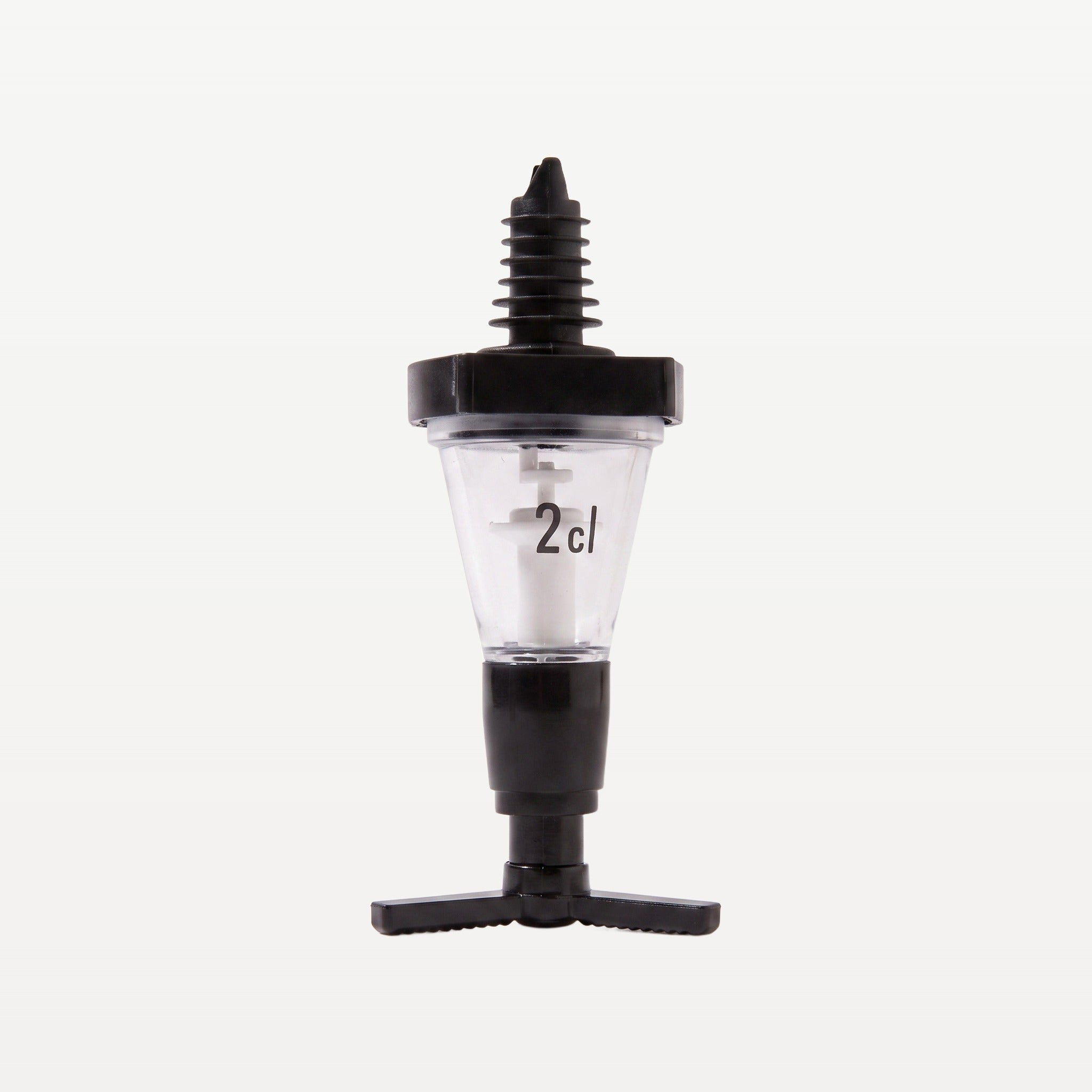
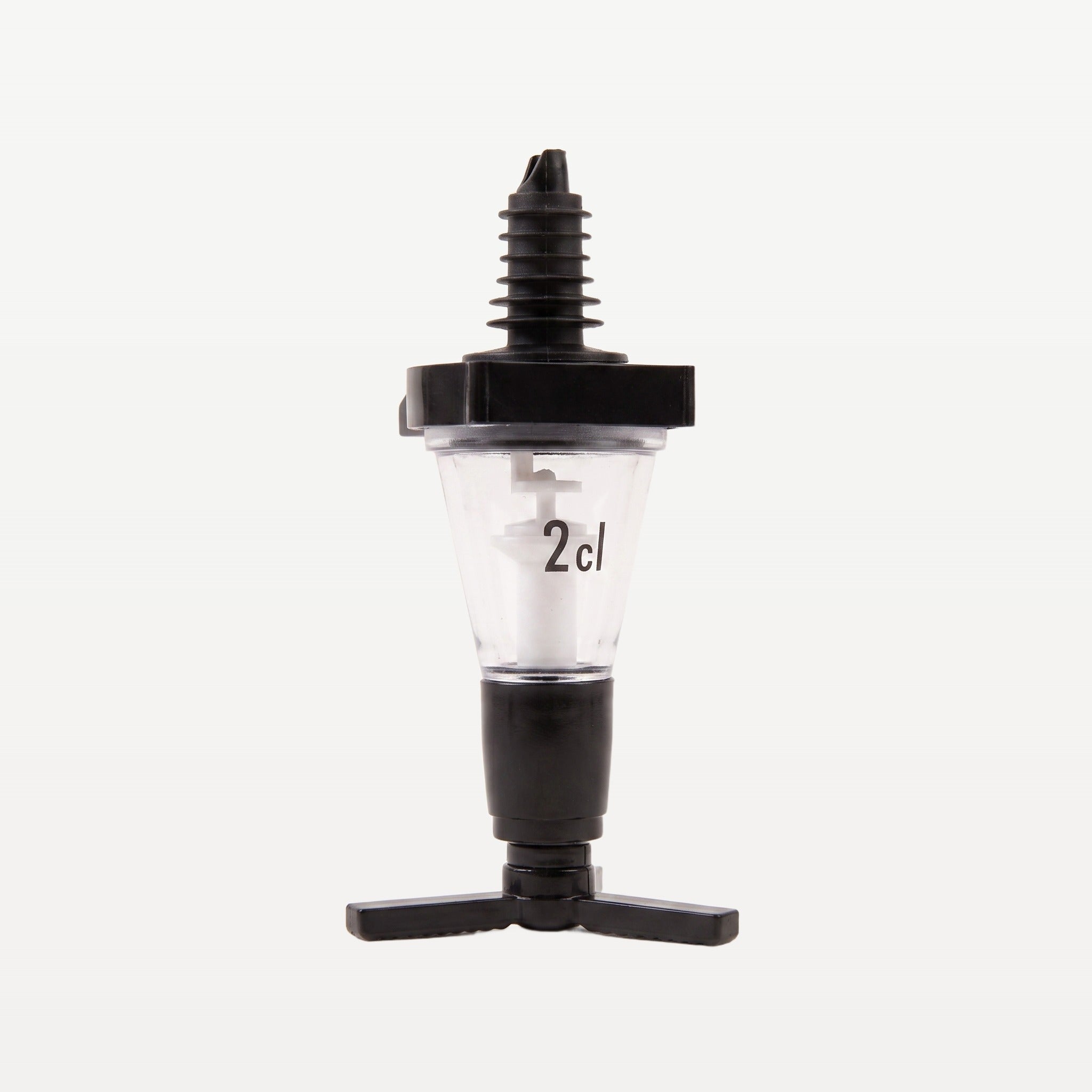
Bar Professional Schenkmaat Zwart 20 ml
100% breakage-free, or we’ll send you a new one | Free returns with store credit | Shipping from €6.95
Flessen met zwarte schenkmaten op een houten flessenplank - Glazen.nl

Which measure you need

In the Netherlands a shot is 3.5 cl, and most house standards are built around that measure. Cocktail recipes, by contrast, often work with 2 cl or 5 cl, and British recipes with 25 or 50 ml. If you run a menu of classics, a 2 cl and a 5 cl measure will cover almost everything. If you only pour shots, 3.5 cl is enough.

You also choose on how it attaches. A bottle-top measure stays on the bottle with a rubber cork, which gives you speed on your regular bottles. A model with a handle is held free above the glass, handy if you work with changing bottles. The version with a collar catches whatever runs along the rim, so the bottle stays dry. If you would rather have a double-sided measuring cup that you fill first and then pour out, take a look at the jiggers and bar measures.

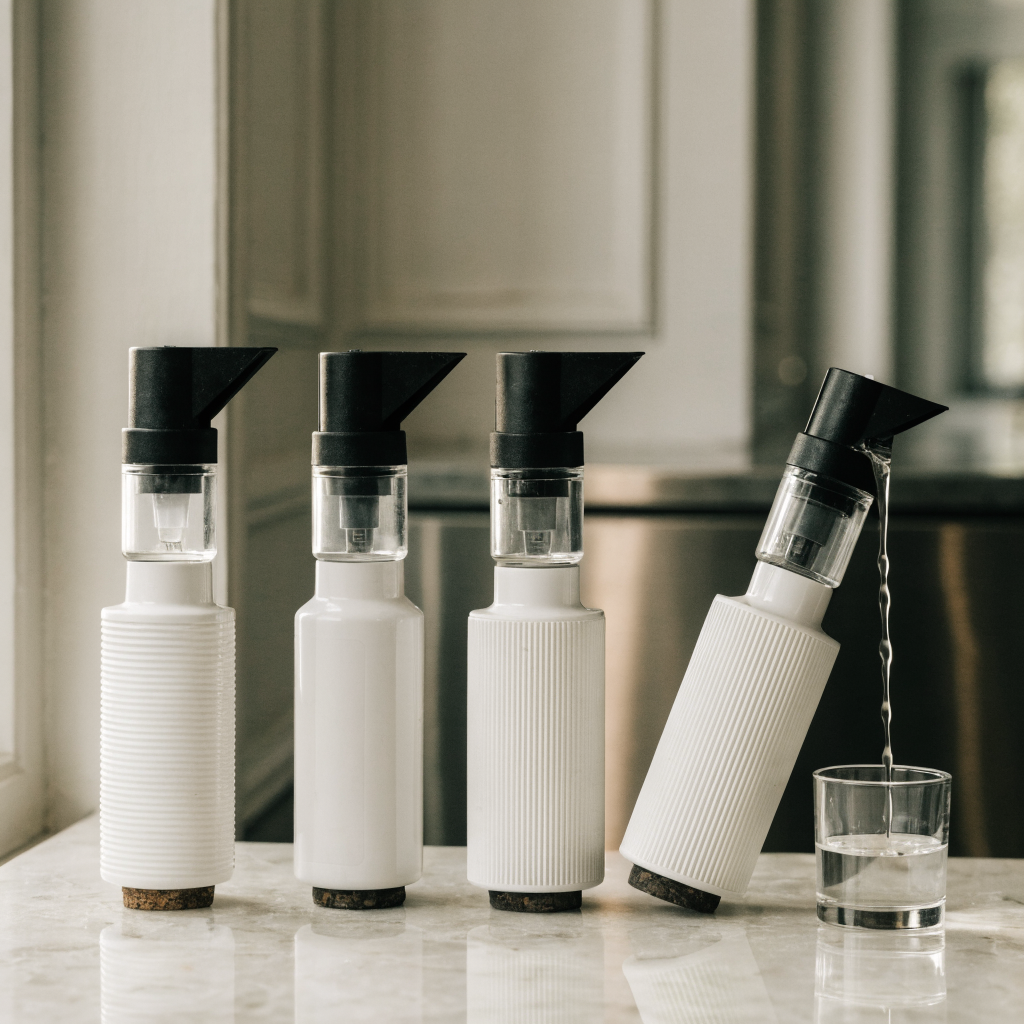
Vier schenkmaten naast elkaar, waarvan een druppelvrij in een glas schenkt - Glazen.nl

Pouring an accurate measure

Fit the measure firmly onto the neck, tilt the bottle in one smooth movement until the measuring chamber is full, and then bring it back upright. With a good mechanism the valve closes the moment you stop, so nothing drips onto your bar mat. Go too fast and air gets into the chamber, leaving you short. Go too slowly and product stays behind in the neck.

Where it really counts is in equal-parts recipes. A negroni consists of three components in the same quantity, and half a centilitre too much campari pulls the whole drink bitter. With a daiquiri the ratio is deliberately uneven, and then you want to measure lime and sugar separately from the rum.

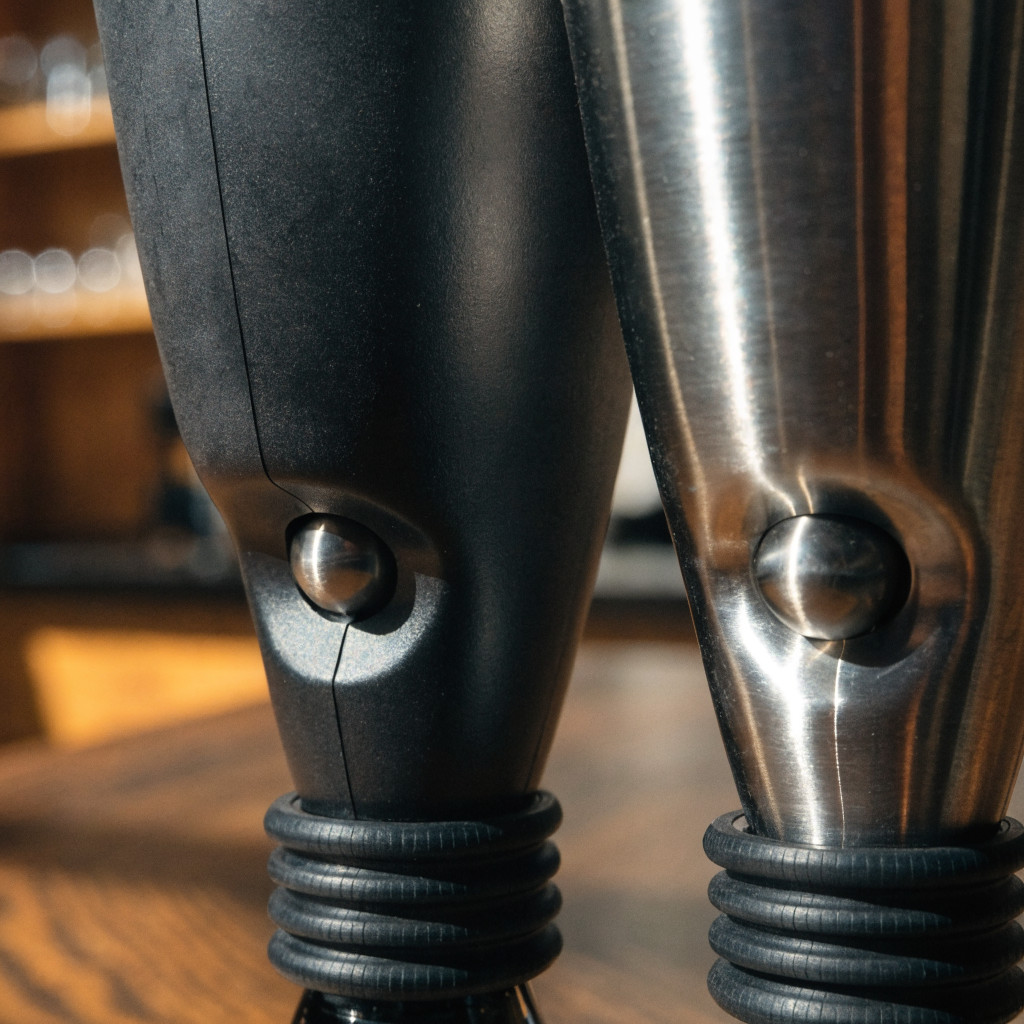
Close-up van een kunststof en een metalen schenkmaat op fleshalzen - Glazen.nl

Plastic, metal and cleaning

Plastic measures are light and barely stand out on the neck of a bottle. Metal versions sit more solidly and look better on a bar that is on show, but they do put weight on the bottle neck. On bottles you pick up and set down all evening, that is noticeable.

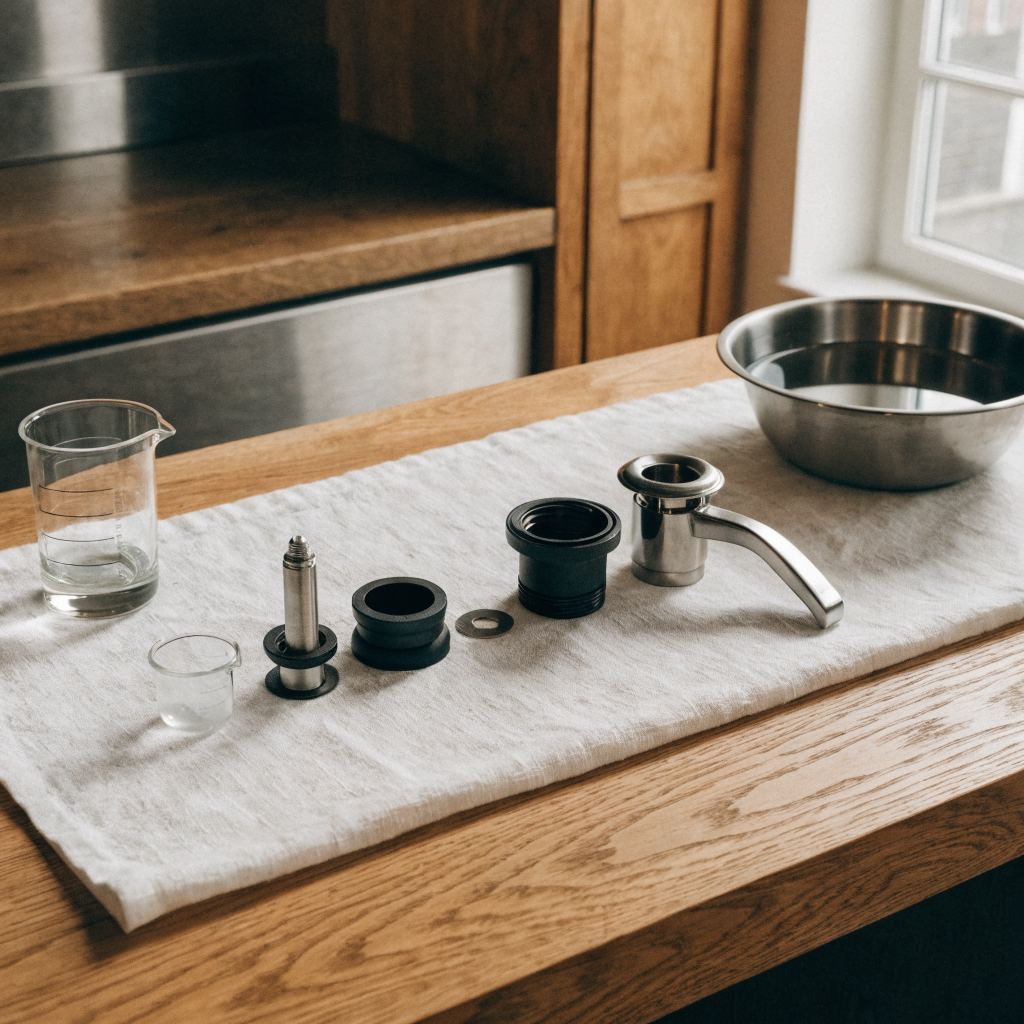
Sugary liqueurs and syrups leave residue in the mechanism. Rinse the measure through with warm water at the end of every shift and take it apart once a week to let the parts soak. Not every measure is dishwasher safe: heat makes the rubber seal expand, after which it no longer closes properly. Check monthly with a measuring cup that the quantity delivered is still right.

Gedemonteerde schenkmaat met maatbeker voor controle van de dosering - Glazen.nl

More for behind the bar

If you are looking for the tools that go with it, the cocktail shakers and the bar spoons are one category further along, together with the strainers and the muddlers. If you want to know which measures a recipe calls for before choosing a pourer, start with the overview of bar tools, where each tool is listed with what it is for, when you reach for it and which measures recur in the classic recipes.