Red wine
Red wine is made from blue grapes, and the skins ferment along with the juice. The juice itself has no color. Both color and astringency come from the skin. Here you'll learn where those tannins come from and which grape is right for you.


Red wine by grape and region
These four pages take a closer look at one grape or one region from this selection.
Merlot
A fairly large grape with a thin skin. As a result, it has less color and fewer tannins than cabernet sauvignon.
About Merlot →Valpolicella
In this region of Veneto, corvina, rondinella, and molinara come together in the blend. From ripasso to amarone.
About Valpolicella →
Rioja
In this Spanish region, tempranillo is the main grape, and aging in oak is still its trademark.
About Rioja →
Brunello
Sangiovese is Tuscany's main grape. In Chianti, and just as much in Brunello di Montalcino.
About Brunello →How red wine gets its color and tannins
Red wine comes from red grapes, but the color isn’t in the juice. Grape juice is always colorless. It’s the skin that makes the wine red. With red wine, the skins ferment along with the juice, and the longer they stay in, the darker the wine. For red wine, they macerate for about 24 hours. For rosé, it’s 8 to 14 hours. That’s why rosé is so much lighter. Color doesn’t tell you much about a wine’s body, though. Nebbiolo is usually light in color but big in flavor.
That astringent feeling in your mouth has a source too. Tannin is the name for the tannic acids in wine. They’re found in the grape skins, seeds and stems, or come from the barrel in which the wine aged. During fermentation, they pass into the juice. You taste them as a puckering sensation that makes the corners of your mouth contract. With red wine, the skins, stems and seeds ferment along with the juice, so that astringency ends up in your glass. With white wine, only the juice ferments, so it doesn’t contain tannins. Skin thickness matters too. Syrah, Cabernet Sauvignon and Nebbiolo have thick skins and produce more tannic wines.
In brief
Five bottles, from light to full-bodied
Red wine can be anything from a light pinot noir to a full-bodied malbec. These five are ordered from the lightest grape to the most powerful.

Pinot noir
The lightest of the noble red grape varieties. Red berries, cherries, raspberries and often something earthy. This Loire wine is juicy and smooth, light in color and with silky tannins.
Tempranillo
The star of Rioja. Earthy, with cherry and plum, light tannins and a velvety feel in your mouth. This bottle was aged in oak, which you can taste in the vanilla and cigar-box notes.
Corvina
The grape of Valpolicella. Fresh acidity, red fruit and a little spice. It makes up 70 percent of this blend, along with Rondinella and Molinara. As a ripasso, the wine ferments again on the pomace from Amarone, making it much fuller-bodied.

Primitivo
From the heel of Italy. There, the thick, dark skin protects the grape from the heat, and also gives it firm tannins. Full-bodied, with black cherries, plums, and blackberries, along with tobacco, rooibos, and anise.
Malbec
A small, dark grape with a powerful flavor. Plums and blackberries, with cocoa, pepper, leather, or licorice. Argentina produces by far the most. This one from Mendoza is bold, dark, and robust.
Syrah and cabernet sauvignon take it up another notch. Thick skins, plenty of tannins, and aromas of cassis and cedar.
Fruit, spices, and a touch of astringency
Red and dark fruit
Lighter grapes offer cherries, red berries, and plums. More powerful ones have dark fruit, such as blackberries and cassis. If the wine was aged in oak, you’ll also find vanilla, cocoa, or spices.
Astringency from tannins
That puckering sensation at the corners of your mouth comes from tannins in the skins, seeds, and stems. The thicker the grape’s skin, the more astringent it feels.
Warm and spicy
Short and juicy with a light pinot noir, long and full with a primitivo or malbec. Pepper, licorice, leather, and cocoa are found at the bolder end of the range.
This is an average across the entire range. Pinot noir is clearly lower in tannins and body. Malbec or cabernet sauvignon, on the other hand, are higher.
How to pour red wine
Red wine is usually too warm at room temperature. Chilling it, opening it ahead of time, and using a good glass make the biggest difference.
Chill to 14 to 18 degrees
Fruity red wine tastes best at 14 to 16 degrees. Half an hour in the fridge is enough. Serve powerful, full-bodied wines at 18 degrees, so chill them for fifteen minutes. At an average room temperature of 21 degrees, all you’ll taste is the alcohol, and the fruit will be gone.
Chill white wine further →Decant, but not always
Decanting simply means pouring the wine into another vessel, which gives it more oxygen. Young, tight red wines really need this, otherwise their flavors won’t open up. Pour them into a decanter half an hour to three hours ahead of time. Don’t do this with older, refined wines. They’re already full of aroma and flavor.
Browse decanters →Pour to just below the widest part
Pour red wine to just below the widest part of the glass. That way, you can swirl it without spilling. Hold the glass by the stem, because holding the bowl will warm the wine. A 75 cl bottle yields about six glasses.
The right glass →Wine cocktails
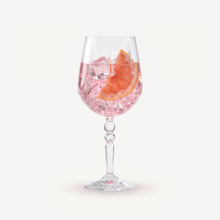
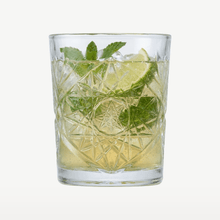
Red wine rarely goes straight into a cocktail. In Spain, they often dilute it, which is how sangria and tinto de verano came about. The other two are sparkling wine cocktails.

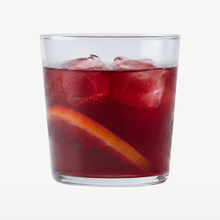
Sangria
Red wine with pieces of fruit and plenty of ice, made to serve in a pitcher at the table.
Tinto de Verano
Literally summer red wine: red wine topped up with sparkling lemonade, served over ice.
Kir Royale
Crème de cassis at the bottom of the glass, topped up gently with a dry sparkling wine.
Aperol Spritz
Aperol, prosecco and sparkling water in a large glass with ice, garnished with a slice of orange.The right glass for red wine
Red wine benefits from a little extra oxygen. That's why its glass is larger and wider than one for white or rosé. The aromas linger in the bowl, and the stem keeps your hand from warming the wine. These are the glasses we recommend.


Questions about red wine
Can't find your question here? Browse our cocktail recipes or get in touch.
To the cocktail recipes →What is red wine and what are its ingredients?
Why is red wine red and white wine not?
What are tannins and why does red wine feel astringent?
Which red wine grape is right for me?
What temperature should you serve red wine at?
Should you decant red wine?
Which glass is right for red wine?
Buy red wine
Want the bottle delivered straight to your door? Order red wine online at Gall & Gall. Gall & Gall has 1,016 options, including 1 on sale.
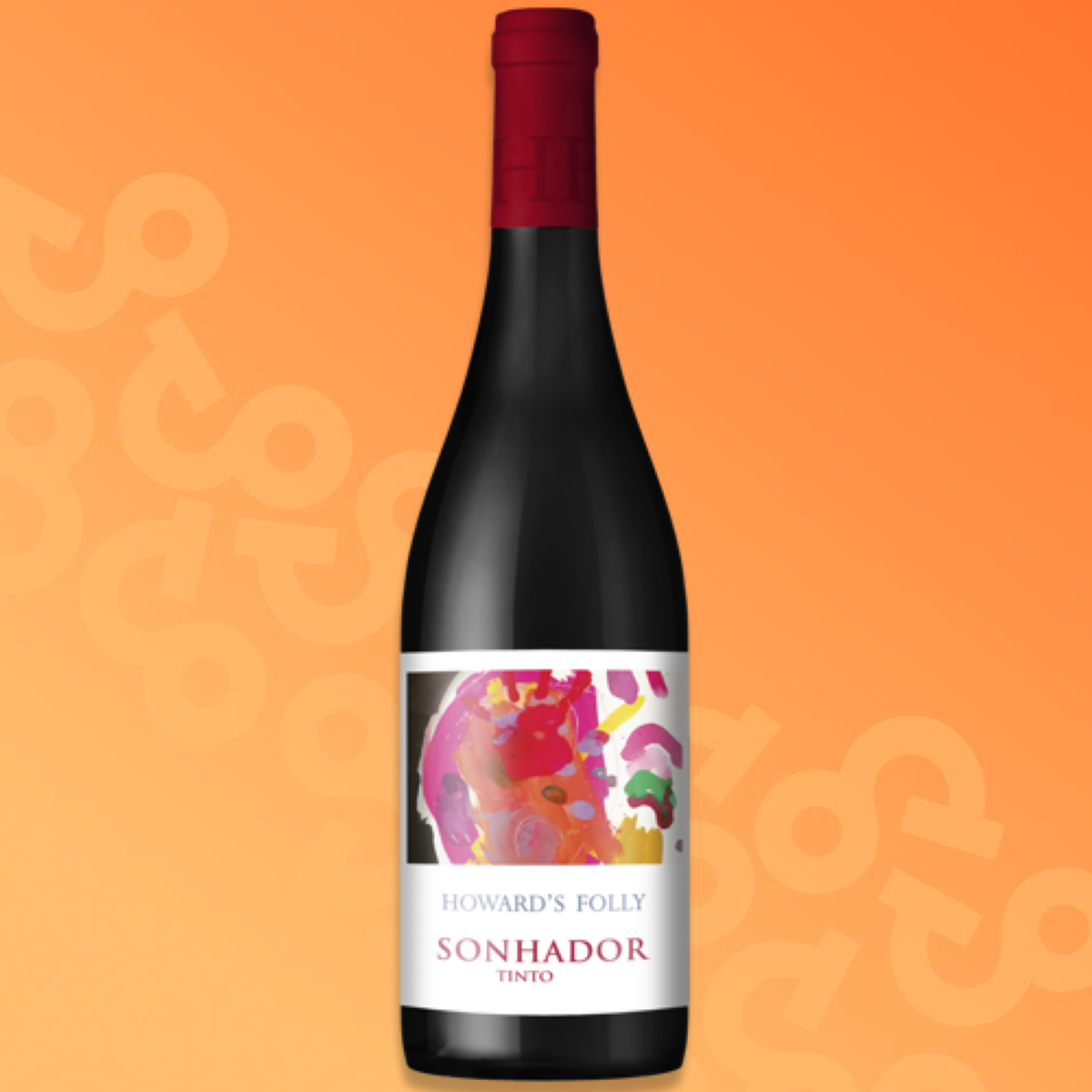
Howard's Folly Sonhador Tinto
Prices as of November 6, 2026, as provided by Gall & Gall. You can see the current price and stock at Gall & Gall. Glazen.nl receives a small commission if you buy something through these links; it costs you nothing extra. No 18, no alcohol.