Corkscrews

Opening a bottle of wine at the table is a small moment when everyone watches for a moment. If it goes smoothly, no one notices. If the cork crumbles or you have to hold the bottle between your knees, that is the only thing your guests will remember about the service.

The difference rarely comes down to strength and almost always to the tool. A spiral that grips the cork without drilling through it, a lever that rests on the bottle rim, and a handle that does not twist out of your hand when your fingers are wet. Here are models for table service, high-volume use, and corks that have seen better days.

Filters

Sort by:

10 products

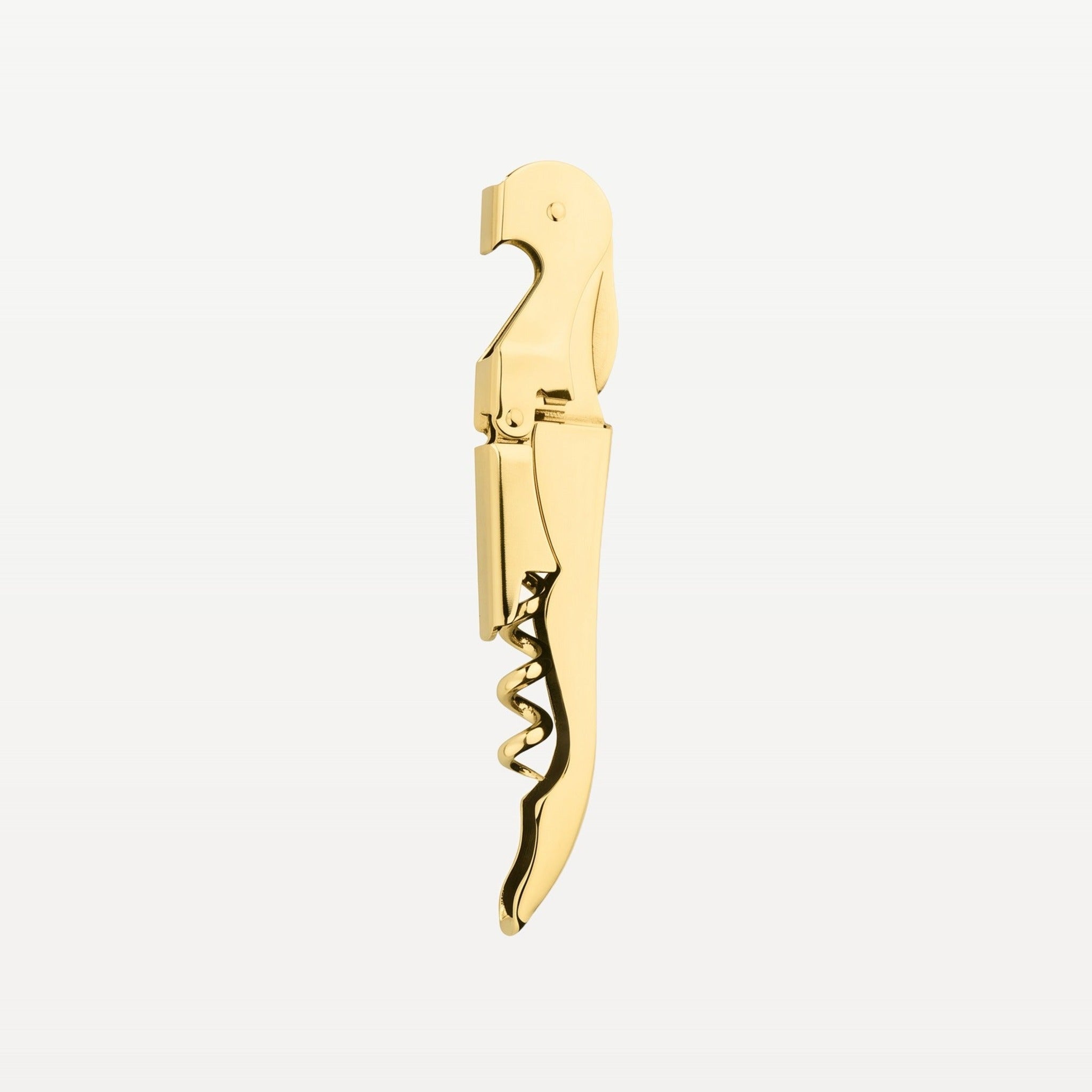
Bar Professional Sommelier Kurkentrekker Goud
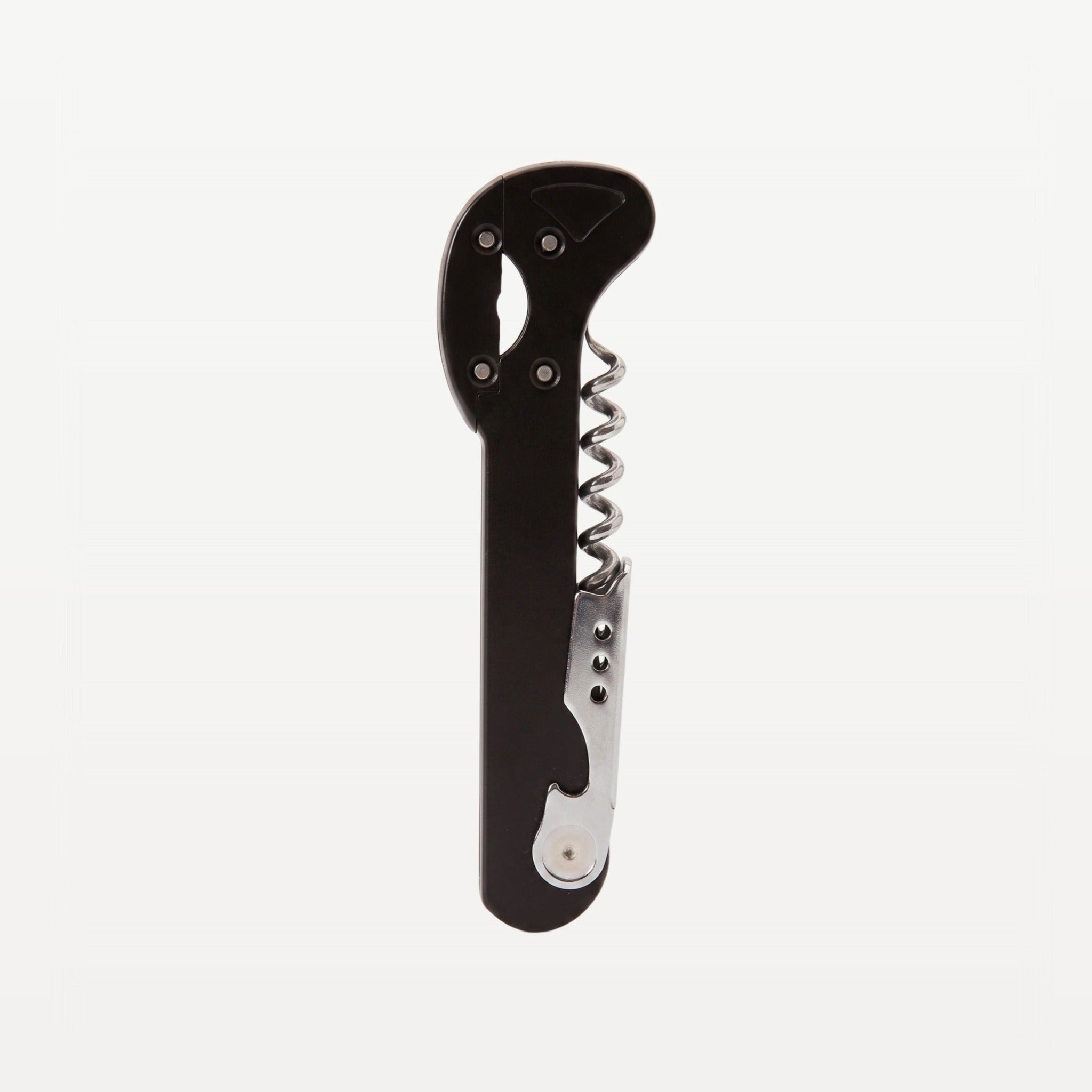
Bar Professional Sommelier Kurkentrekker & Foliesnijder Zwart
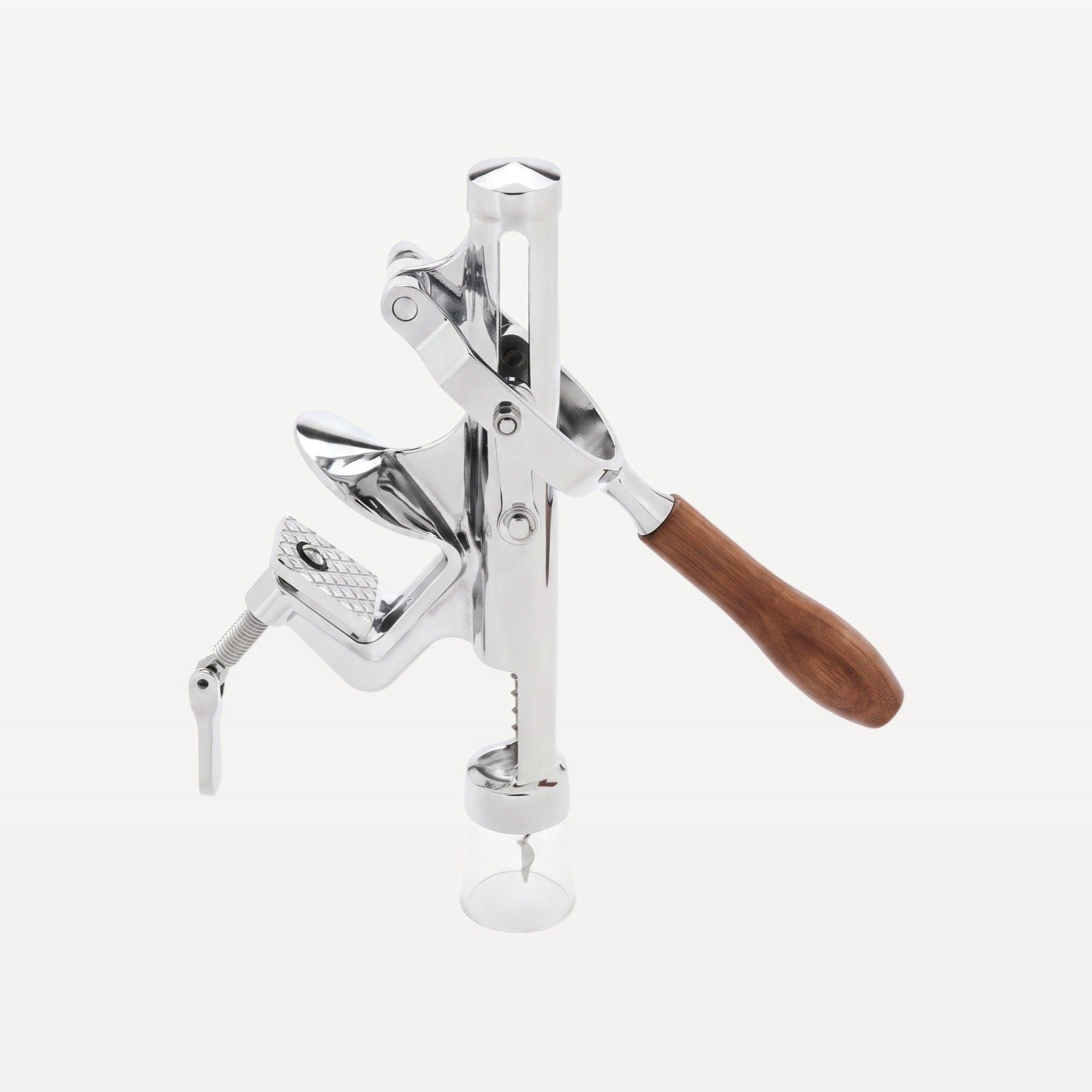
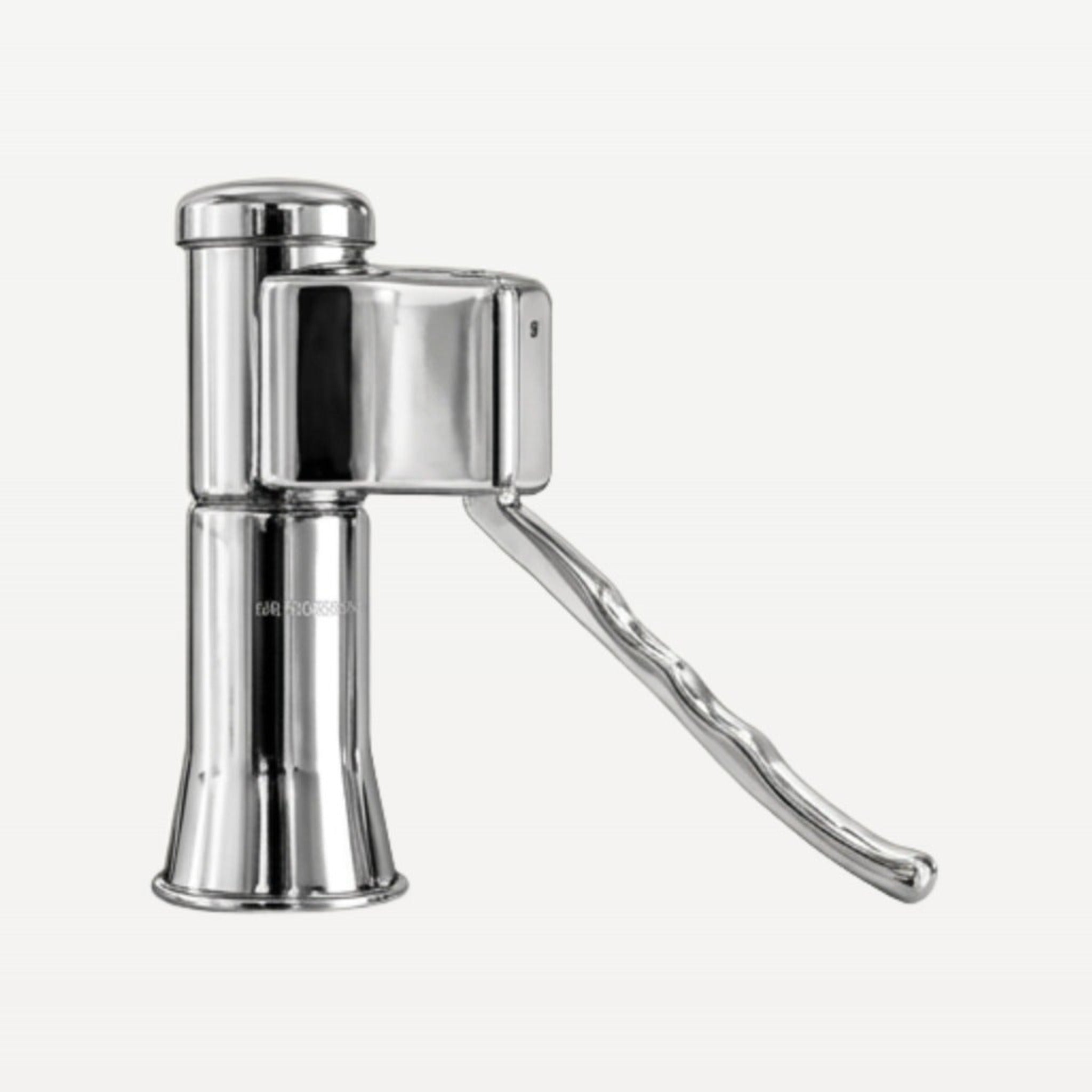
Bar Professional Tafelmodel Kurkentrekker RVS
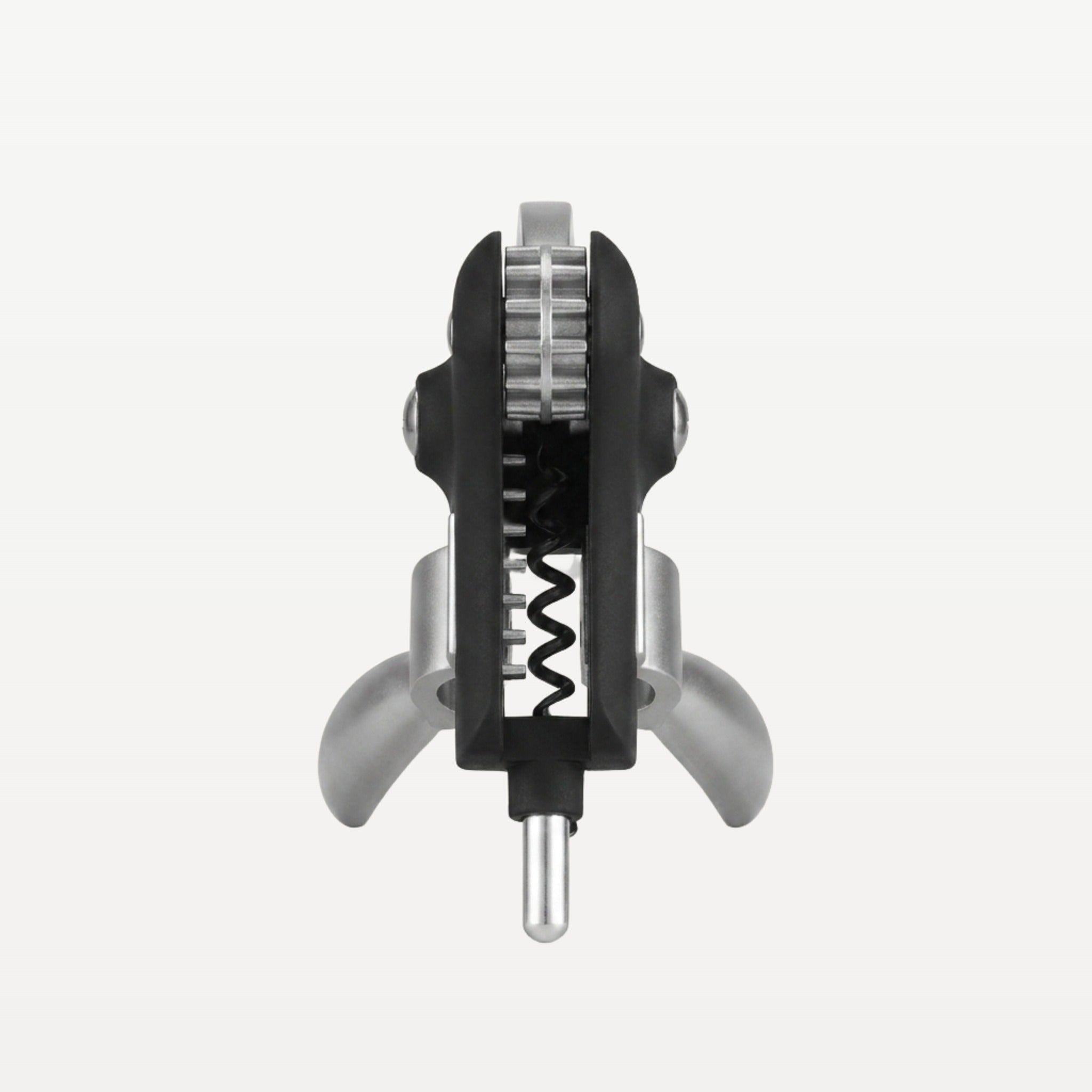
Bar Professional EZ Pull kurkentrekkerset zwart
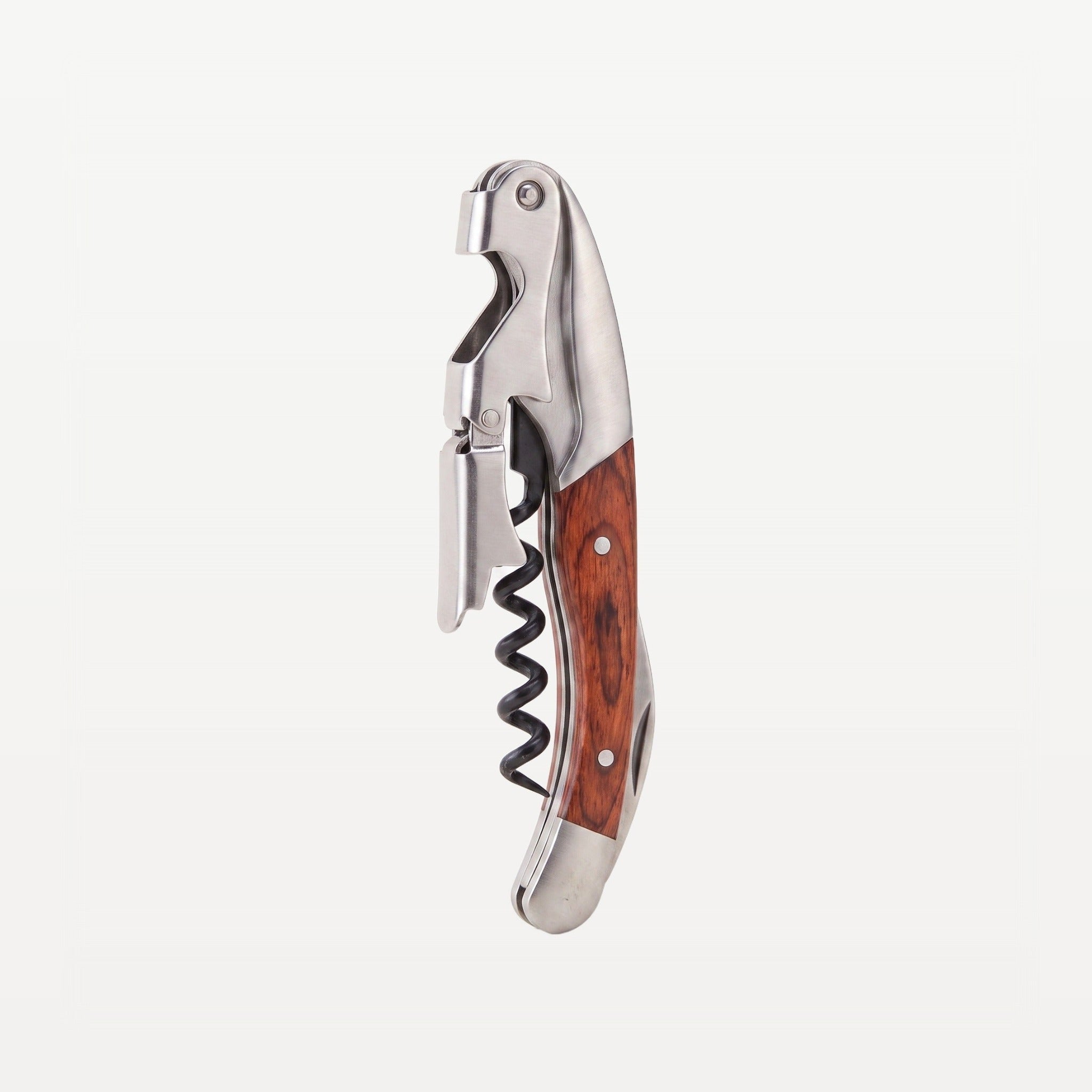
Bar Professional Sommelier Kurkentrekker Deluxe Hout
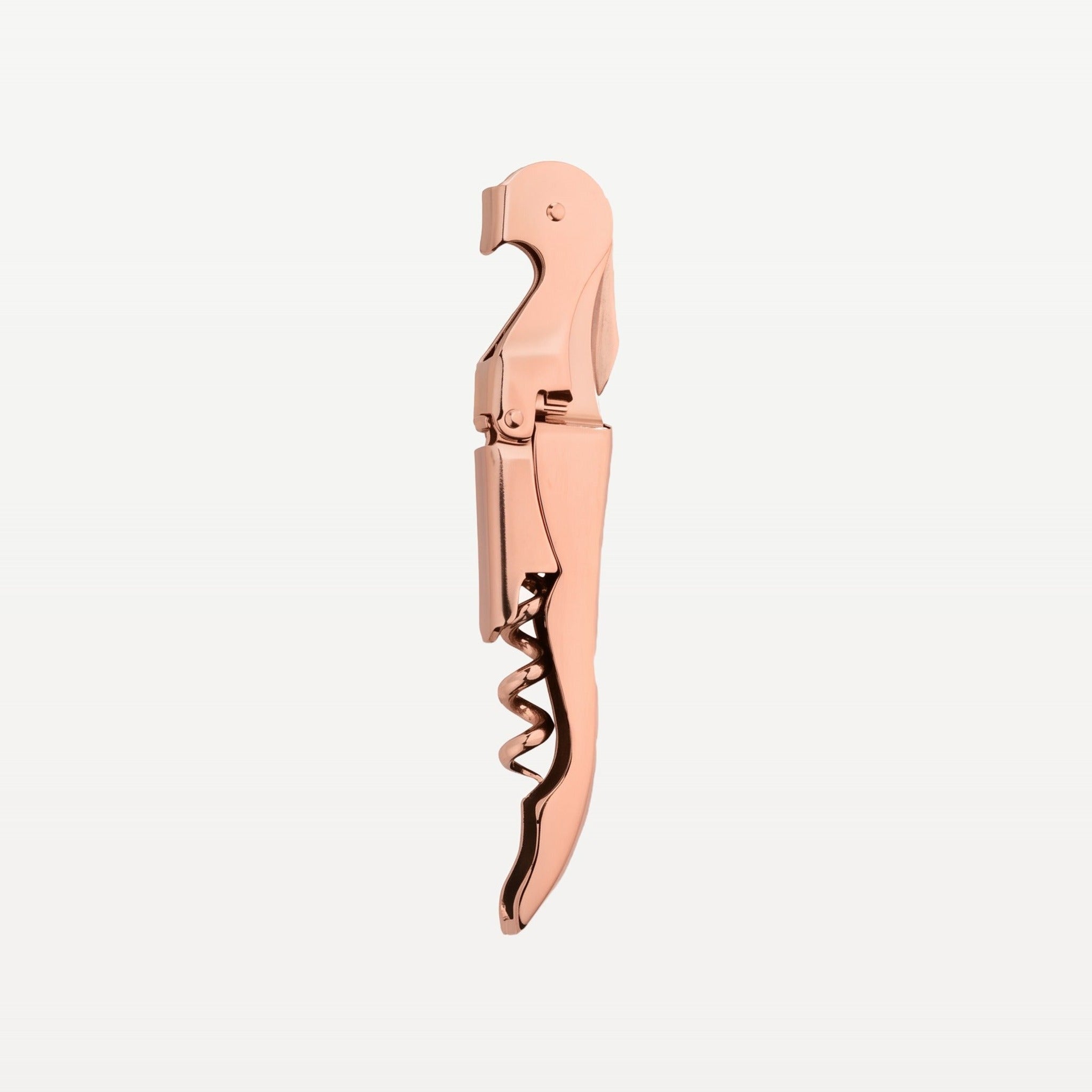
Bar Professional Sommelier Kurkentrekker Koper
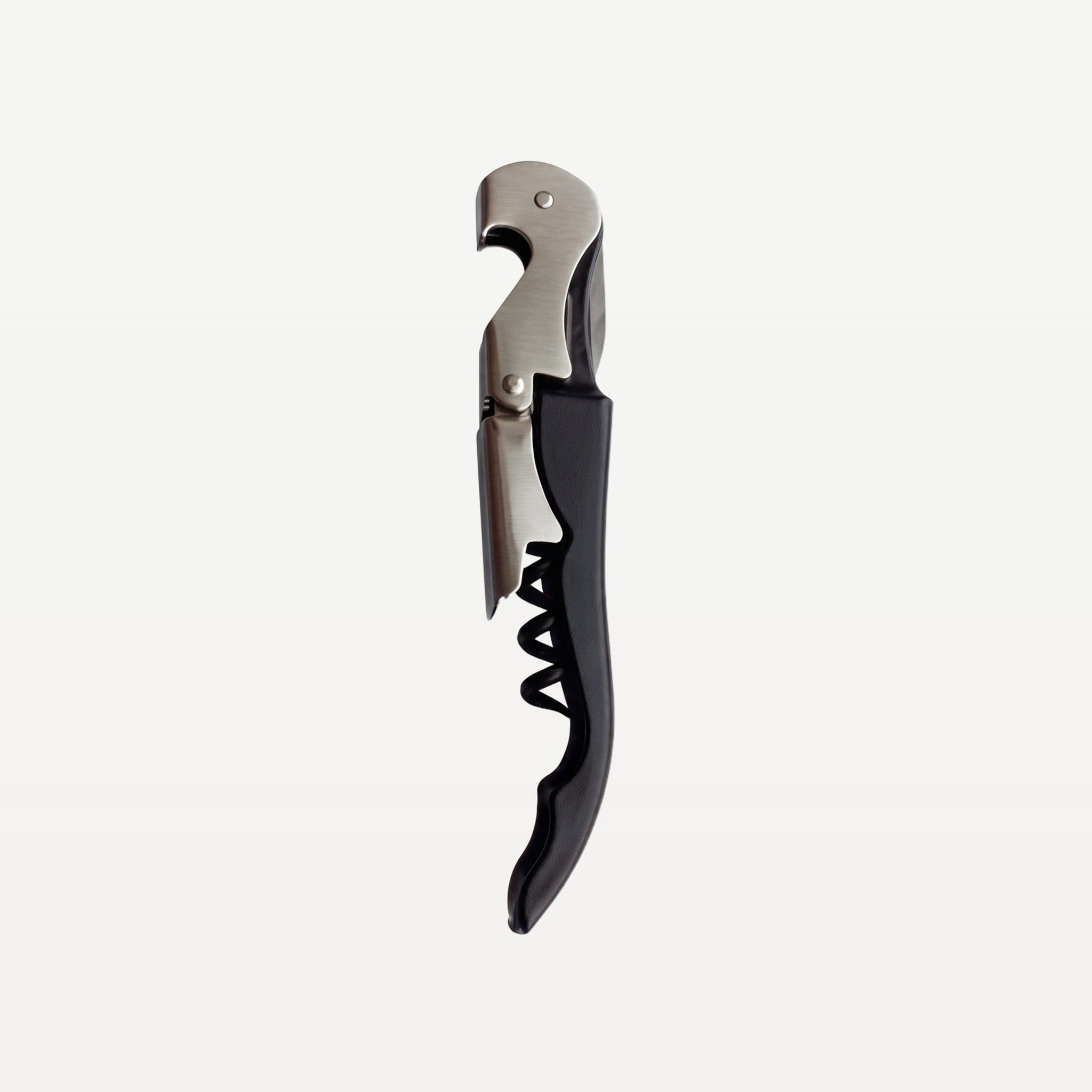
Bar Professional Sommelier Kurkentrekker Zwart
Bar Professional Descorjet Champagneopener RVS
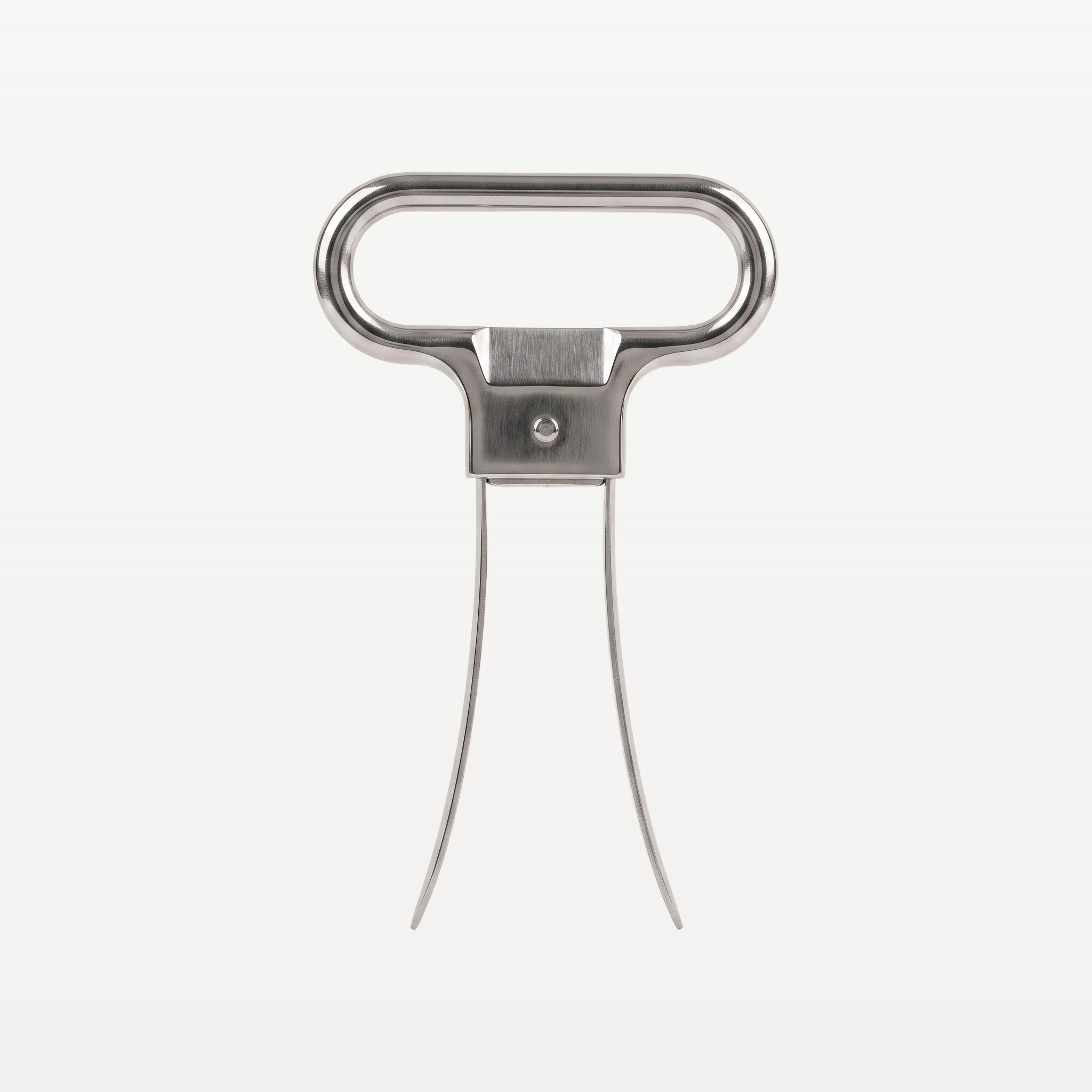
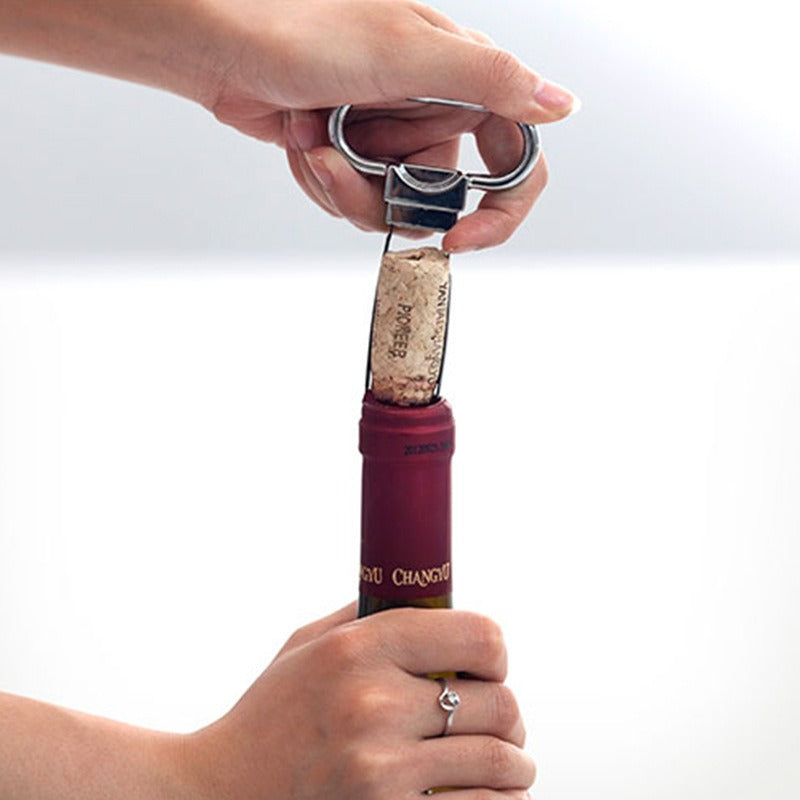
Bar Professional Vintage Kurkentrekker 2-tands RVSBar Professional vintage kurkentrekker 2-tands zijaanzicht
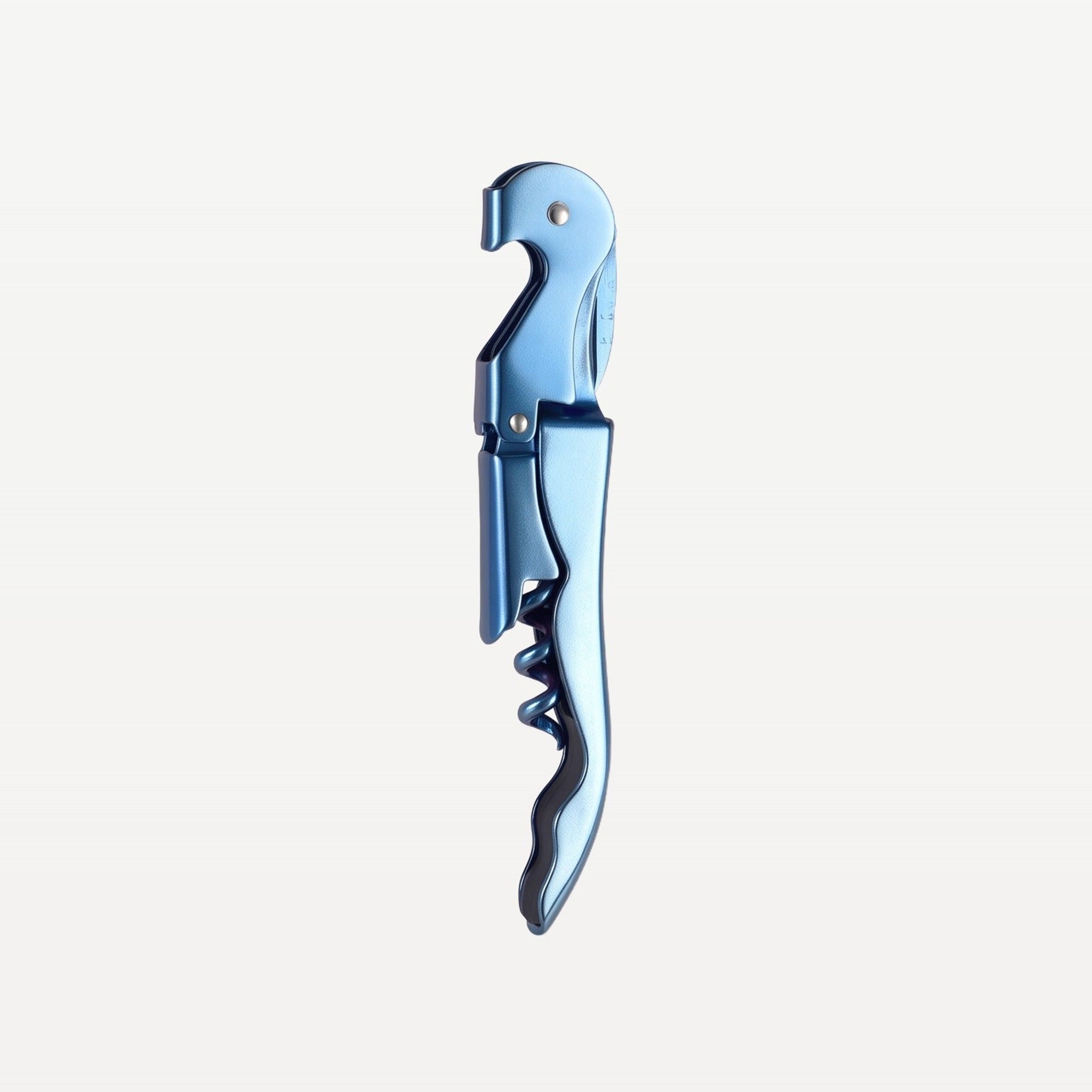
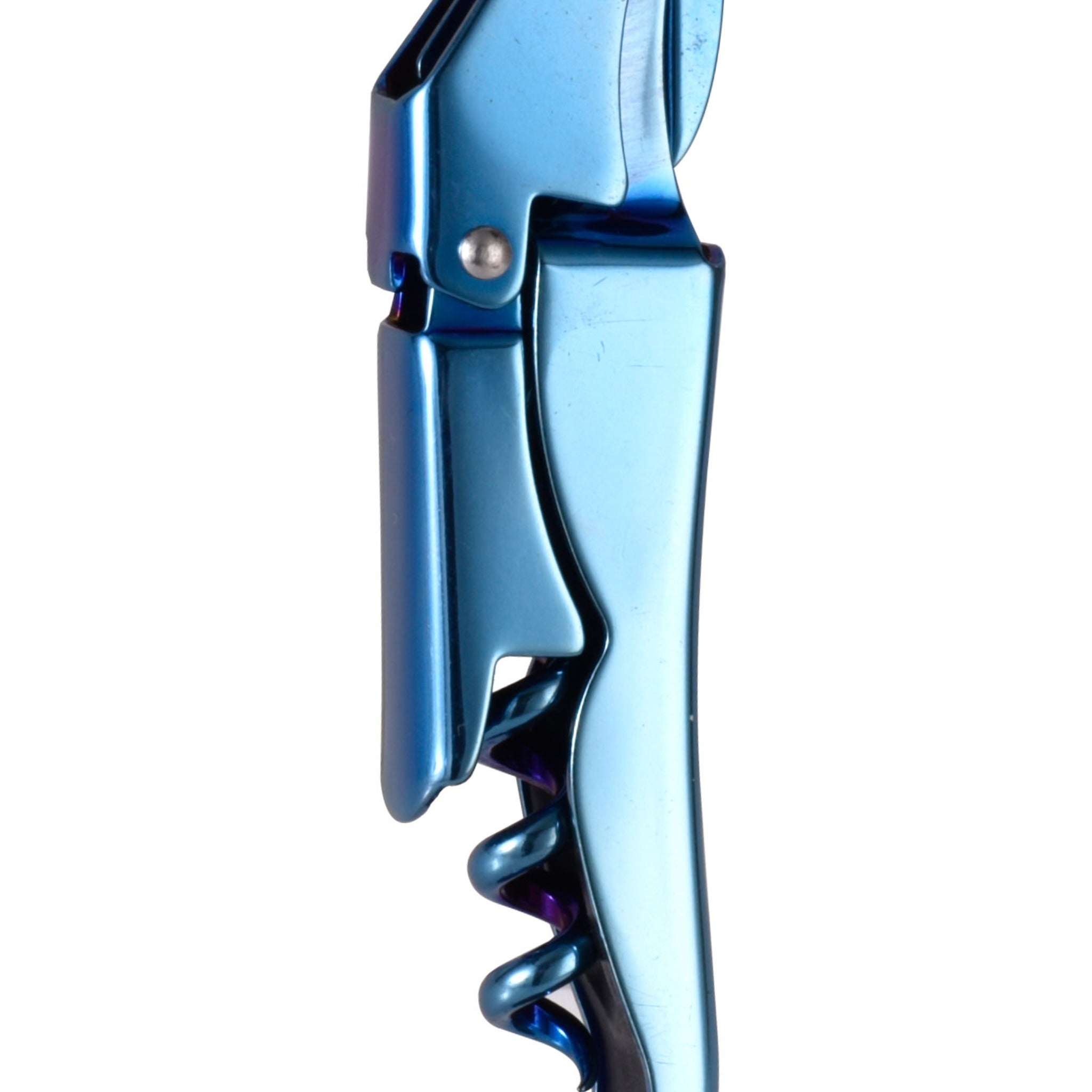
Bar Professional Sommelier Kurkentrekker BlauwBar Professional Sommelier Kurkentrekker Blauw dichtgeklapt
100% breakage-free, or we’ll send you a new one | Free returns with store credit | Shipping from €6.95

Which model for which situation

The waiter's friend is the model you want for table service. It folds down to pocket size, has a foil cutter on one side and a lever on the other. Versions with a double lever pull the cork in two stages, so you do not have to re-grip halfway and the cork is less likely to break. The wooden and coloured versions do the same work but look tidier on the table.

For old bottles with fragile corks the two-prong puller is the safest choice. Instead of a worm that pierces the cork, two thin blades slide down alongside it, so you twist the cork out in one piece. If you open dozens a night, a table model wins: it clamps the bottle and pulls the cork in a single movement. For sparkling wine you do not need a worm at all, just grip on the head of the cork.

Foil, worm and counter-pressure

Cut the foil below the second ring of the bottle neck, not above it, so the wine never runs along the metal while you pour. Set the tip of the worm slightly off-centre on the cork and then turn it in upright. Keep turning until one coil is still visible: go further and you push cork crumbs into the wine.

Put the first notch on the bottle rim, pull the cork halfway, move to the second notch and pull the rest. The last centimetre you do by hand, so there is no pop. With sparkling wine you turn the bottle instead and hold the cork, thumb on top until it comes loose. That is also how you start a Kir Royal without losing half of it to the ceiling.

Hinge, worm and handle

A corkscrew asks for little maintenance, but it does ask for the right kind. Dry the worm after use, because wine residue dries into a sticky layer that makes the cork harder to enter. A worm with a non-stick coating must not be scoured: once that layer is gone it no longer slides easily through the cork.

Do not put wooden handles in the dishwasher and do not leave them lying in a sink. The hinge of a waiter's friend wants a drop of oil now and then, otherwise it jams at exactly the moment you are in a hurry. On a table model, check that the clamp still grips the bottle firmly, because a bottle that twists away during the pull is the most common cause of broken corks.

From the bottle to the glass

Once the bottle is open, the pouring begins. If wine is left over, the wine stoppers keep the bottle closed until the next day. If the wine needs air instead, have a look at the wine aerators or at the decanters, which finish the job on the table as well. The glassware itself is with the wine glasses, and if you want to turn a simple bottle into something else, the proportions are on the sangria page.