Absinthe accessories

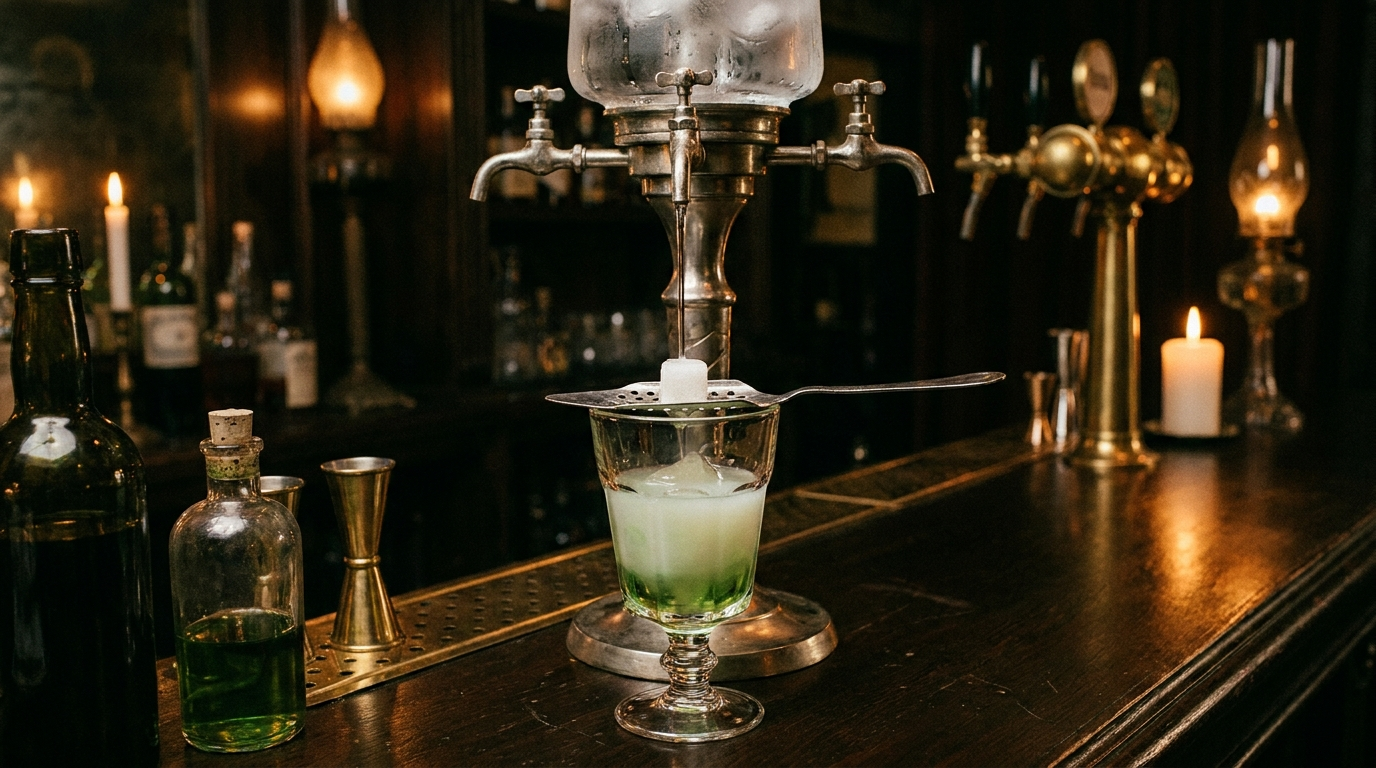
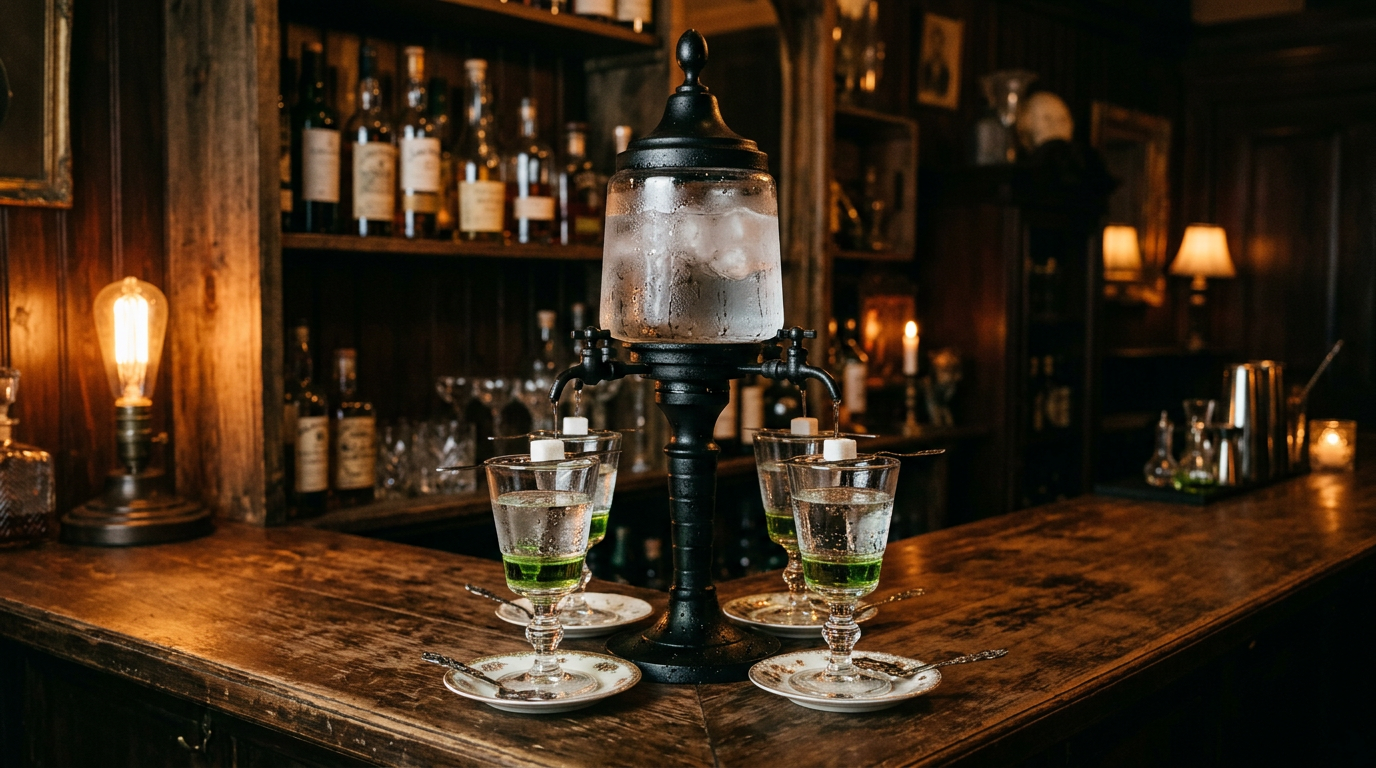
You don’t simply drink absinthe straight from the bottle. The classic ritual from French cafés around 1900 calls for two things you use for little else: a perforated spoon resting across the rim of the glass, and a source of ice-cold water that falls drop by drop.

That slow dripping isn’t for show. The herbal oils from anise, fennel, and wormwood dissolve in alcohol but not in water, and as the ratio shifts, they precipitate as a fine cloudiness. This is the louche—the milky-white transformation at the heart of the entire ritual—and you only get it when the water flows slowly enough.

Filters

Sort by:

2 products

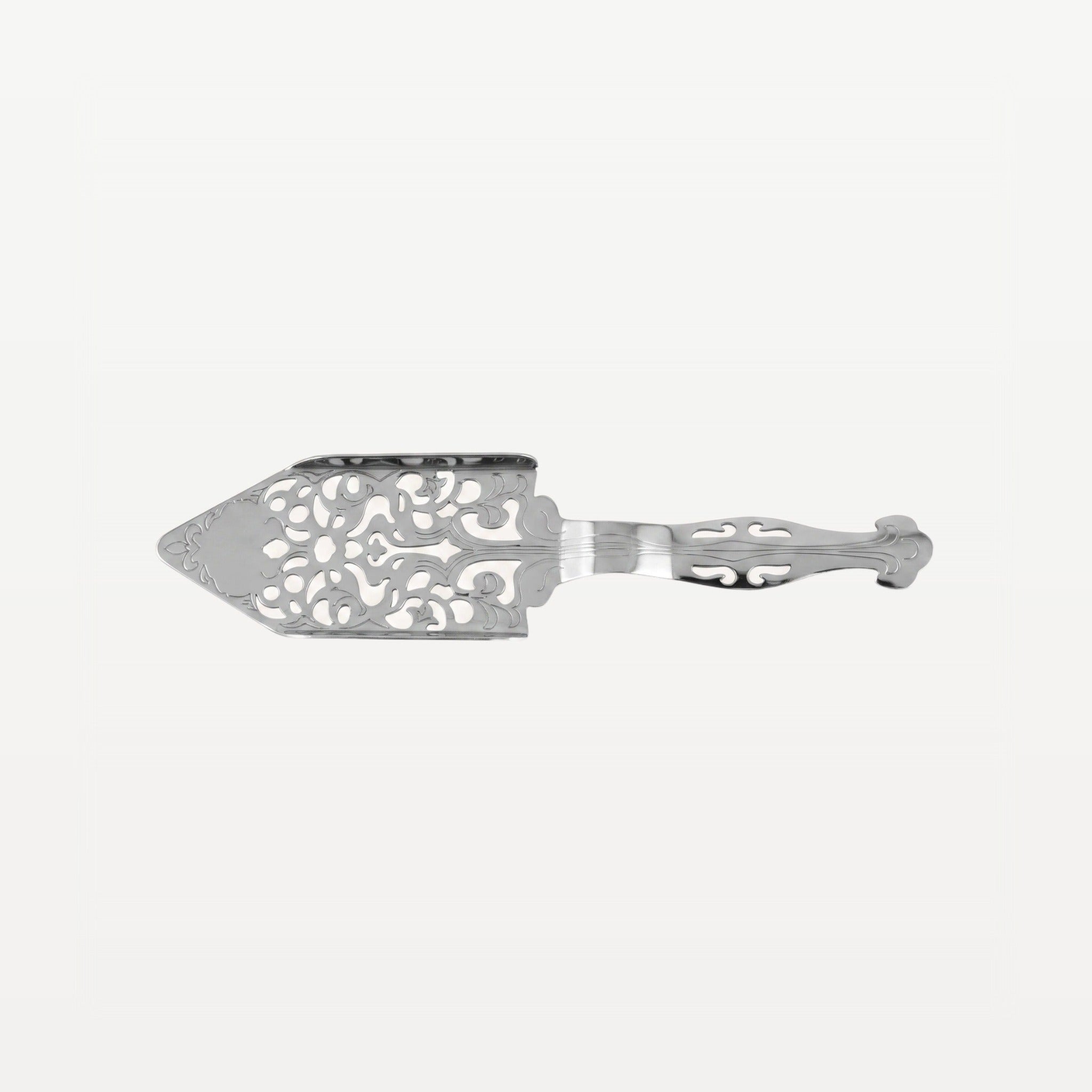
Bar Professional Absintlepel RVS
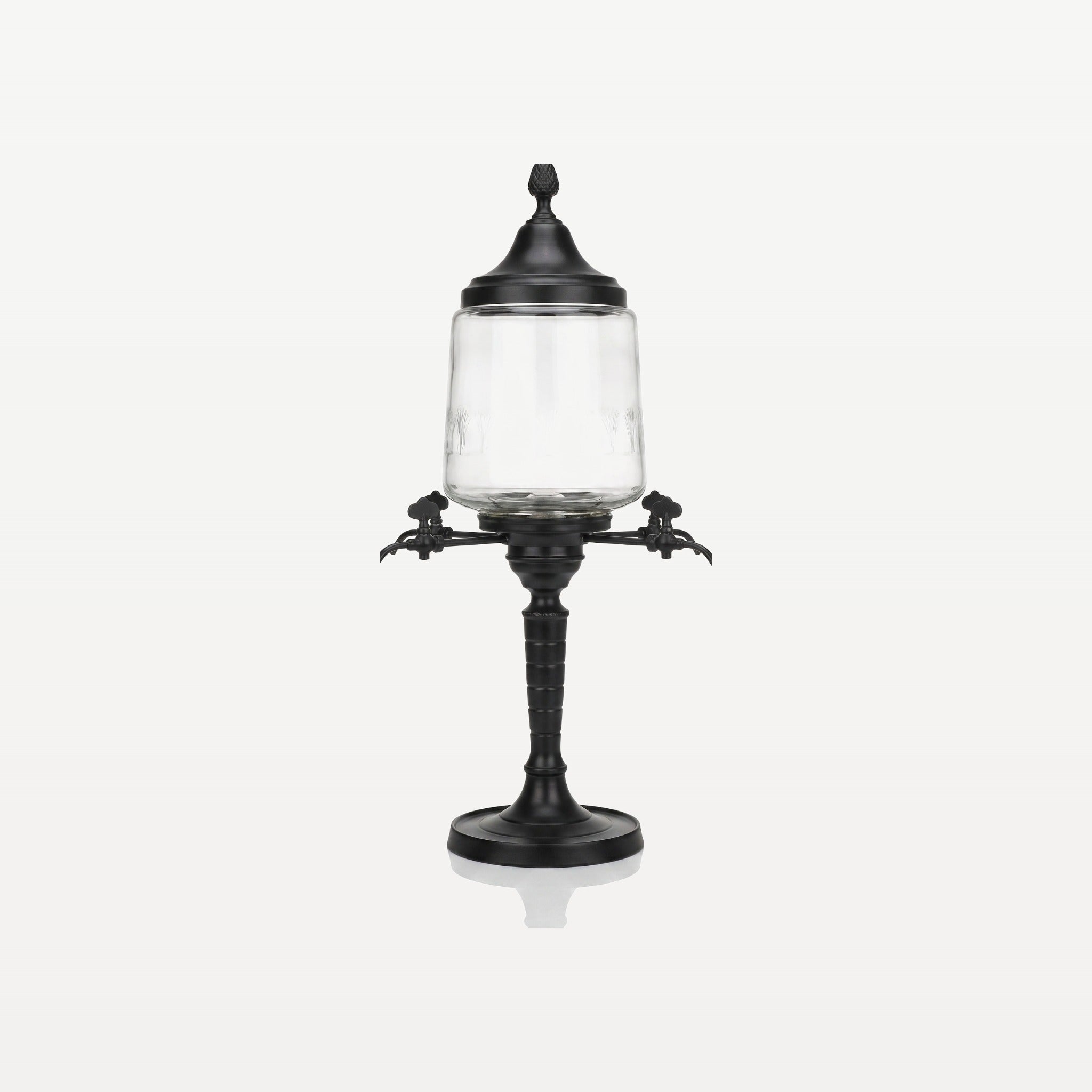
Bar Professional Absintfontein 4 Kranen ZwartBar Professional Absintfontein 4 Kranen Zwart
100% breakage-free, or we’ll send you a new one | Free returns with store credit | Shipping from €6.95
Absintritueel met geperforeerde lepel en suikerklontje terwijl ijswater uit de fontein druppelt

What to look for in a spoon and fountain

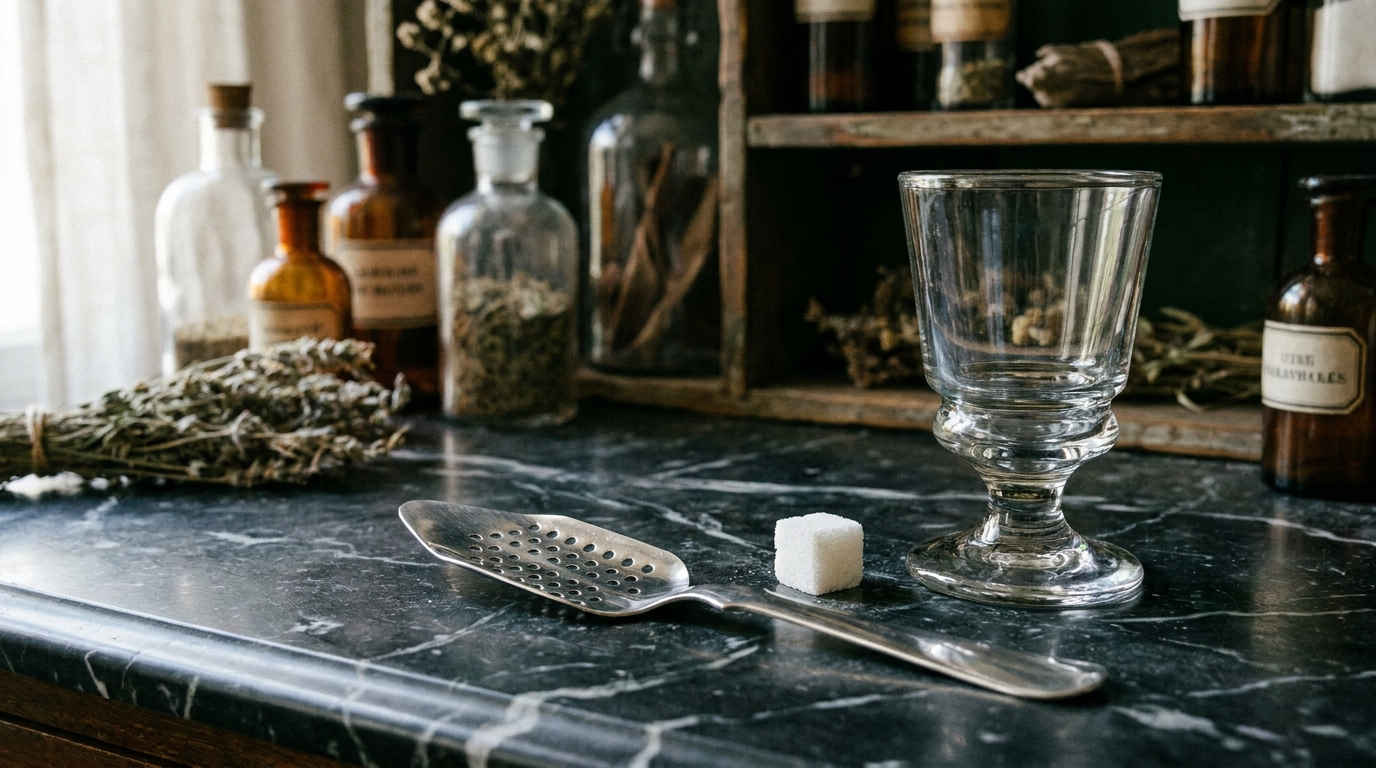
With the spoon there are three things to check. It has to be longer than the diameter of your glass, otherwise it tips at the slightest nudge; a spoon of around fifteen centimetres sits stably on virtually any absinthe glass. The perforation determines how quickly the water passes through, and stainless steel is the material of choice because absinthe is distilled strong and silver-plated metal turns dull from it over time.

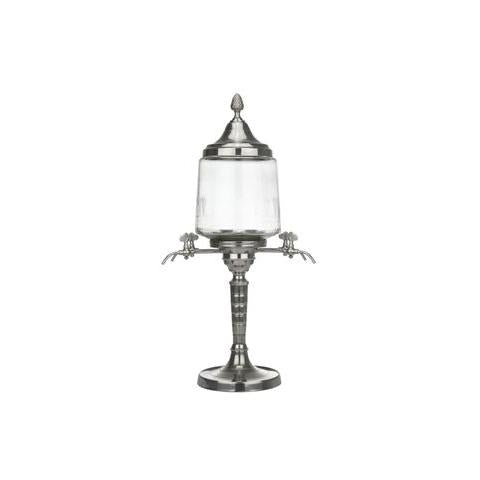
With the fountain, what counts most is the number of taps. A model with four taps serves four glasses at once, which is the difference between a trick for yourself and something a whole group can gather around. Also check whether the taps can be operated separately and whether they adjust finely enough to actually reach one drop per second; a stream you cannot tame makes the fountain unusable.

Zwarte absintfontein met vier kranen en ijswater op de bar met vier glazen eromheen

The absinthe ritual step by step

Pour three centilitres of absinthe into the glass. Lay the spoon across the rim with a sugar cube on top, and fill the fountain with water and ice so it is properly cold; lukewarm water breaks the oils less beautifully. Open the tap until roughly one drop per second falls and let it land on the cube, not beside it.

Count on three to five parts water to one part absinthe. You will see the drink turn from clear to milky white, first in wisps and then all at once; that is the moment to stop. Give it a short stir with the spoon afterwards to dissolve the last of the sugar. If you would rather leave out the sugar, simply pour water without a cube, because the ritual works without it too. You use the same spoon for a kopstoot or when serving shots.

Roestvrijstalen geperforeerde absintlepel op donker marmer naast een suikerklontje

Stainless steel and limescale

Stainless steel and sugar do not get along if you leave them sitting. Rinse the spoon straight after use, because dried syrup settles in the perforations and can then only be removed with a small brush. The spoon is dishwasher safe, but rinsing it by hand is quicker and keeps the shine intact for longer.

Empty the fountain as soon as your guests leave. Never let water stand in it, because limescale settles in the taps and blocks exactly the narrow section you need in order to pour drop by drop.

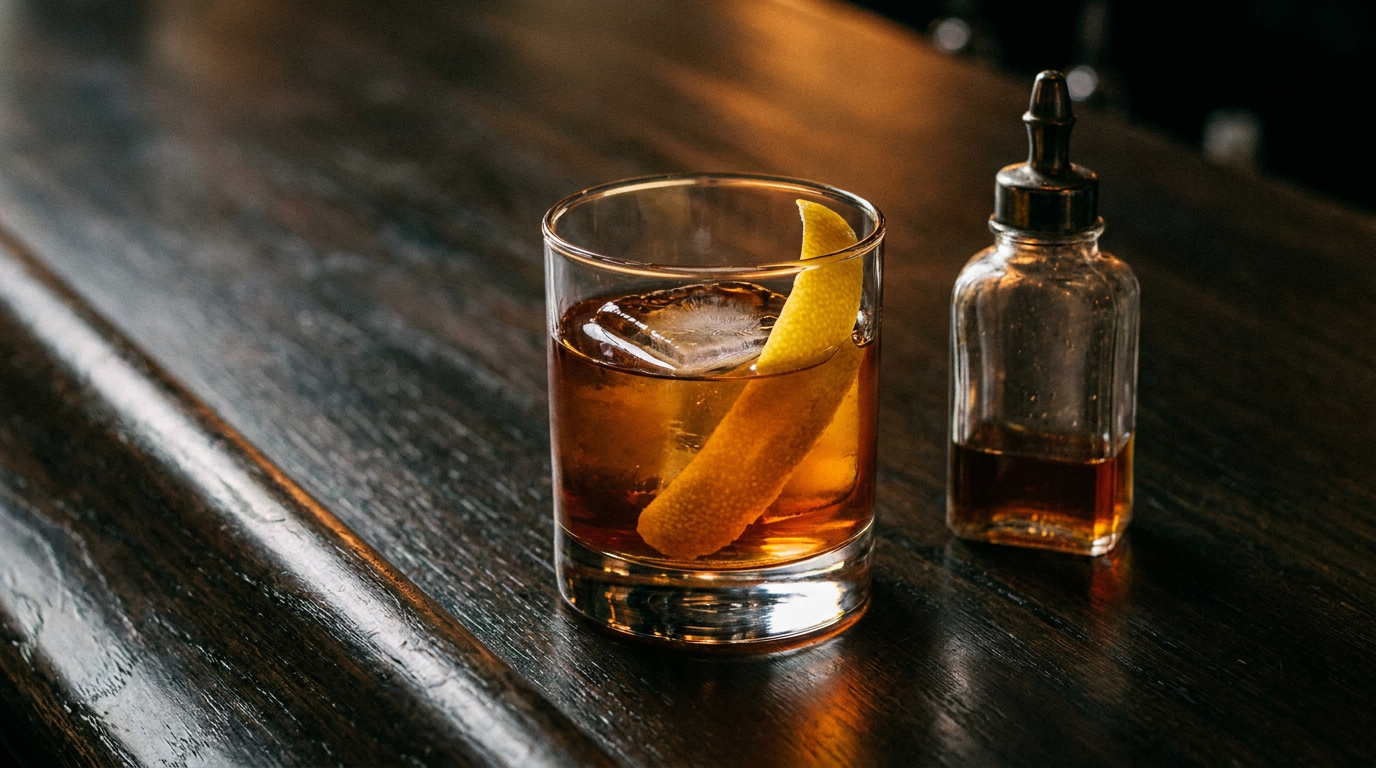
Sazerac cocktail in een tumbler met citroentwist en een dasher fles ernaast

Glassware and other bar tools

If you are looking for the glassware that belongs with the ritual, you will end up with the spirit glasses and the slightly smaller liqueur glasses. For serving several drinks at once the drink dispensers are ready and for the stirring the bar spoons. If you want to look beyond absinthe, the page with bar tools gives an overview of the equipment behind the bar, and the cocktail page has recipes in which anise liqueur plays a part.