Wine glasses
Filters
17 products


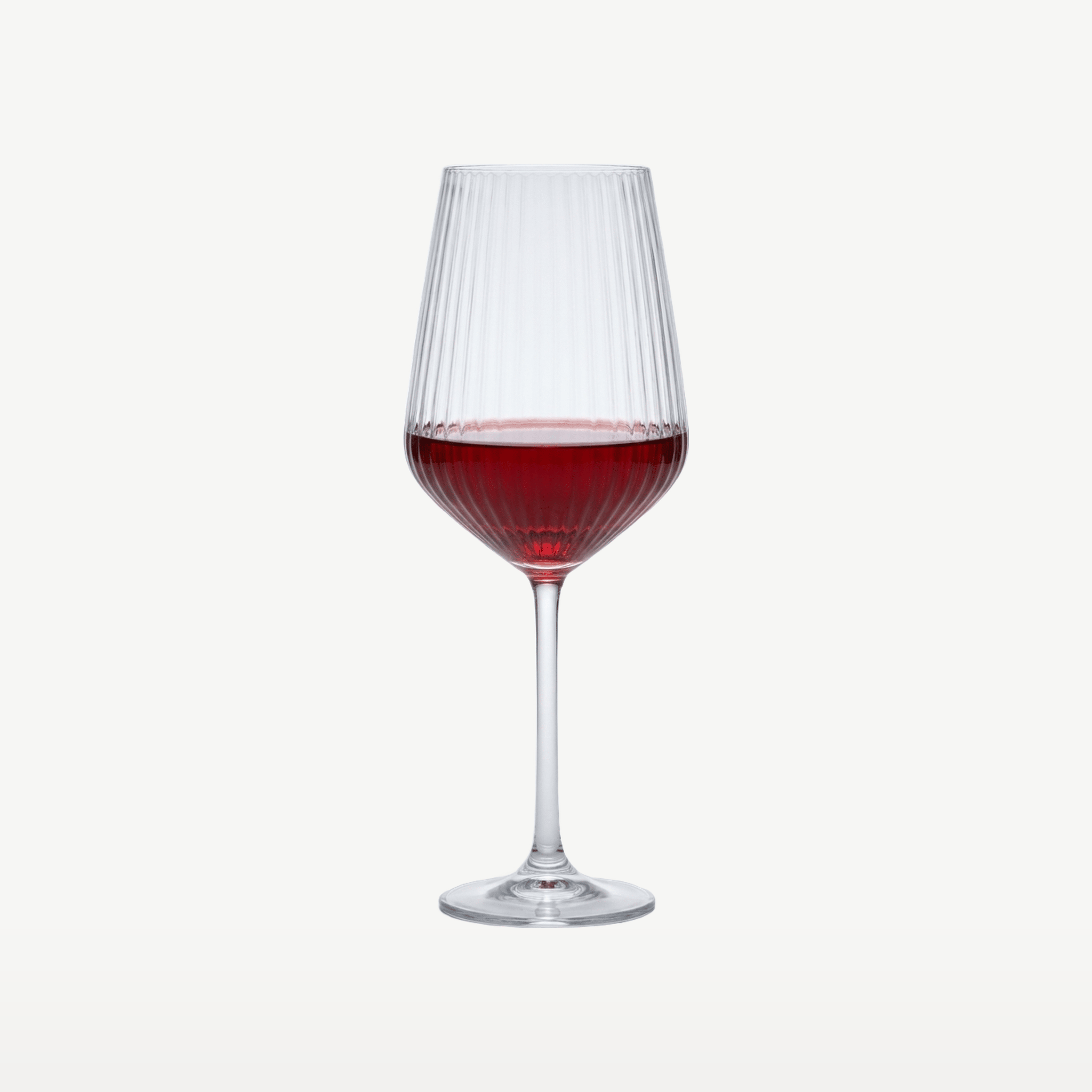
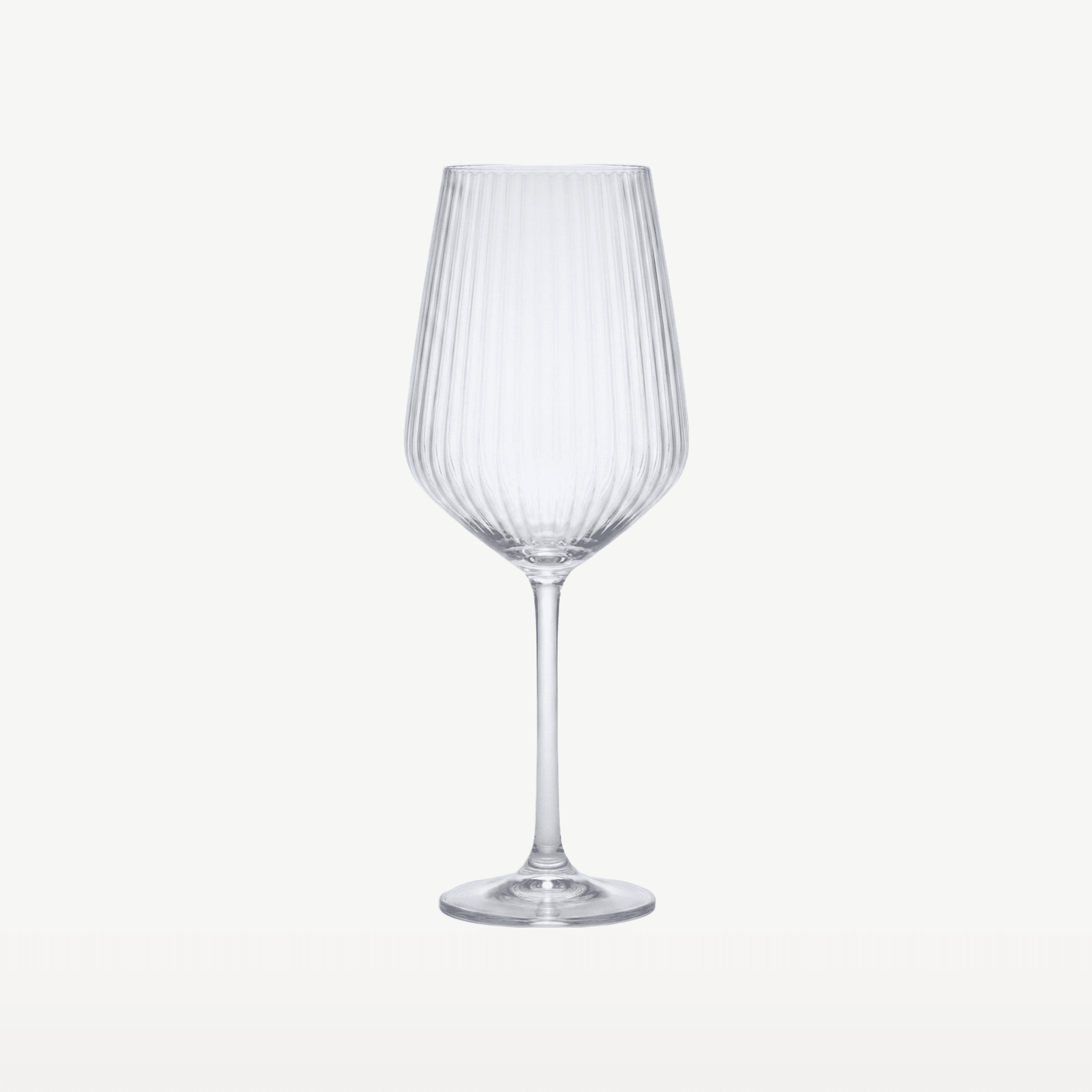
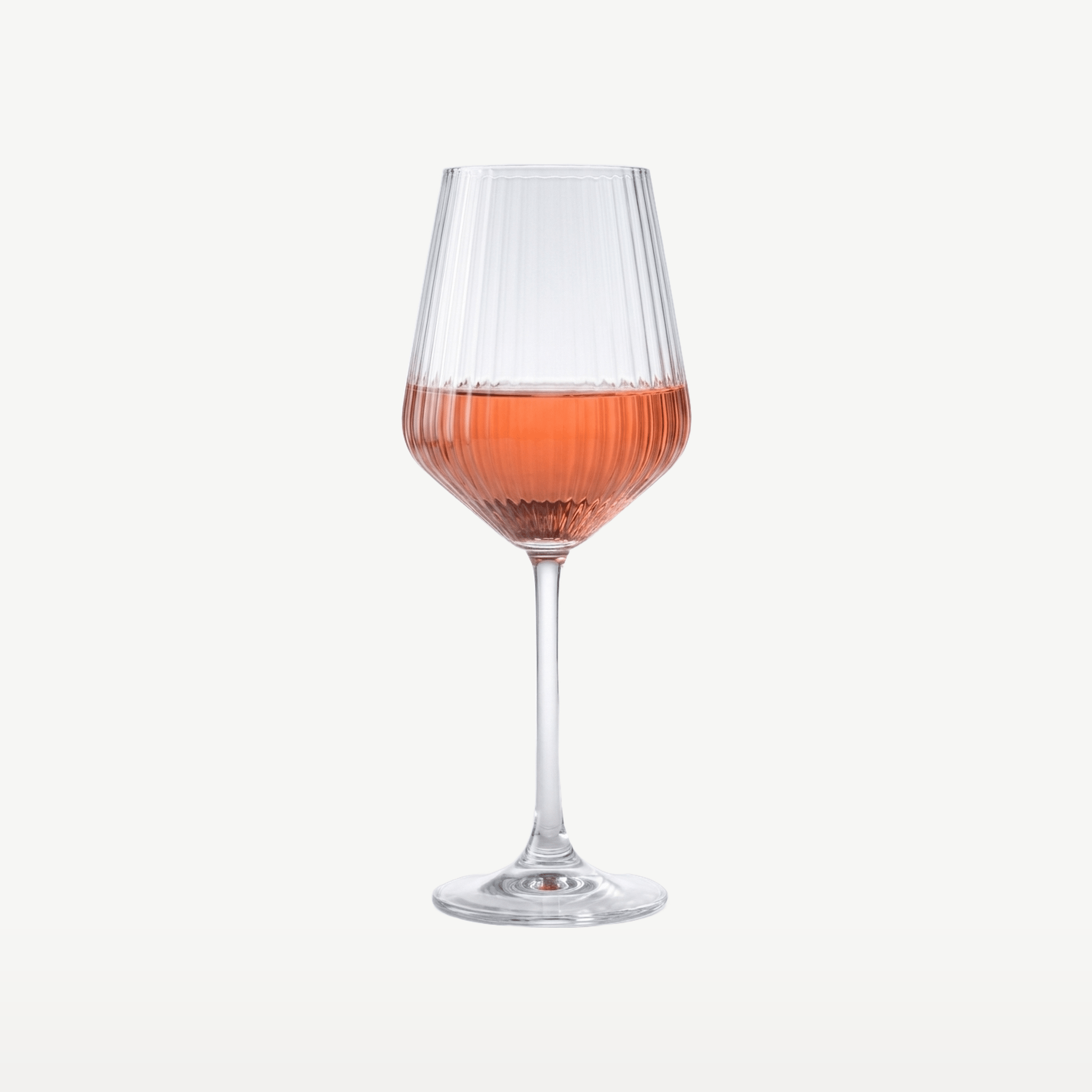
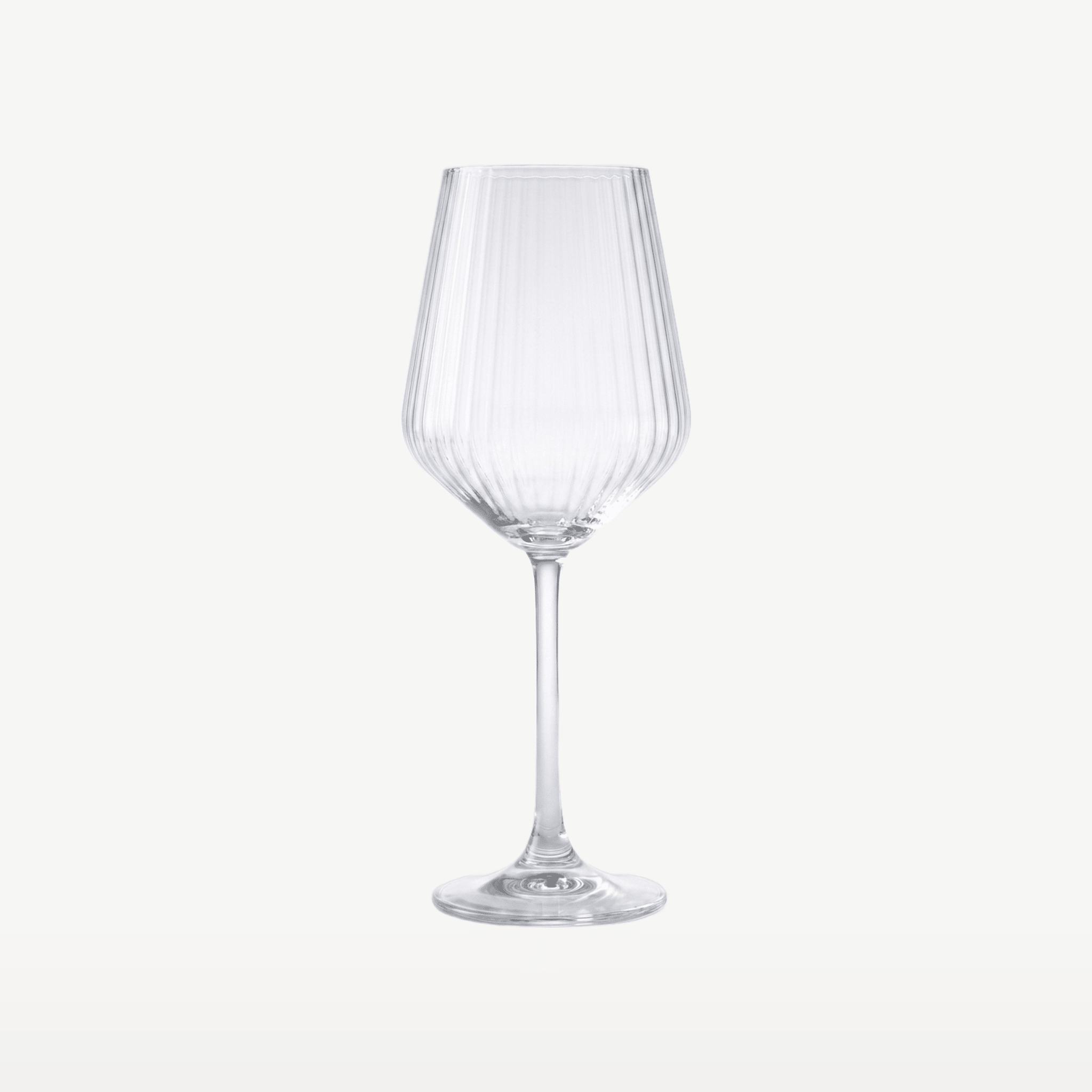


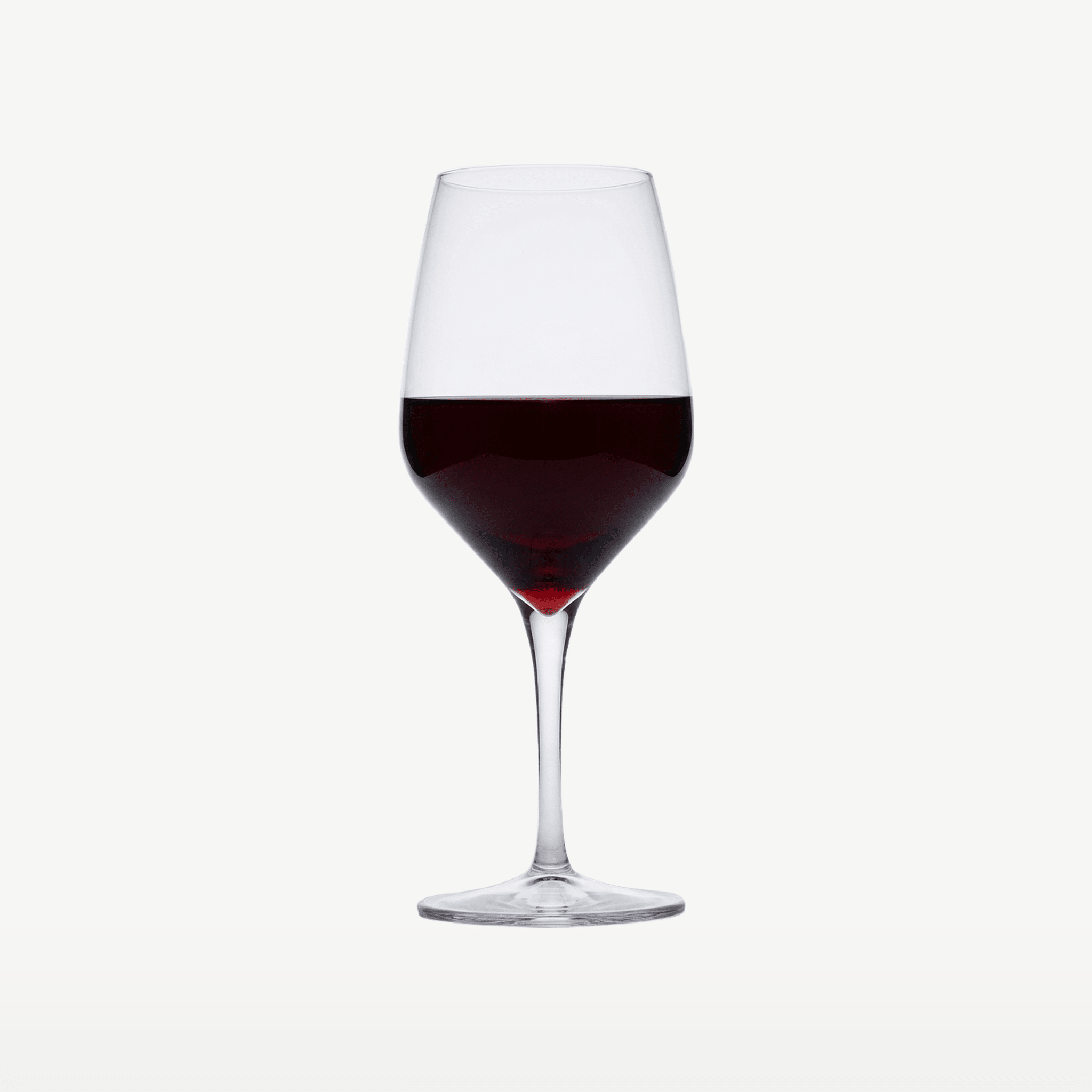
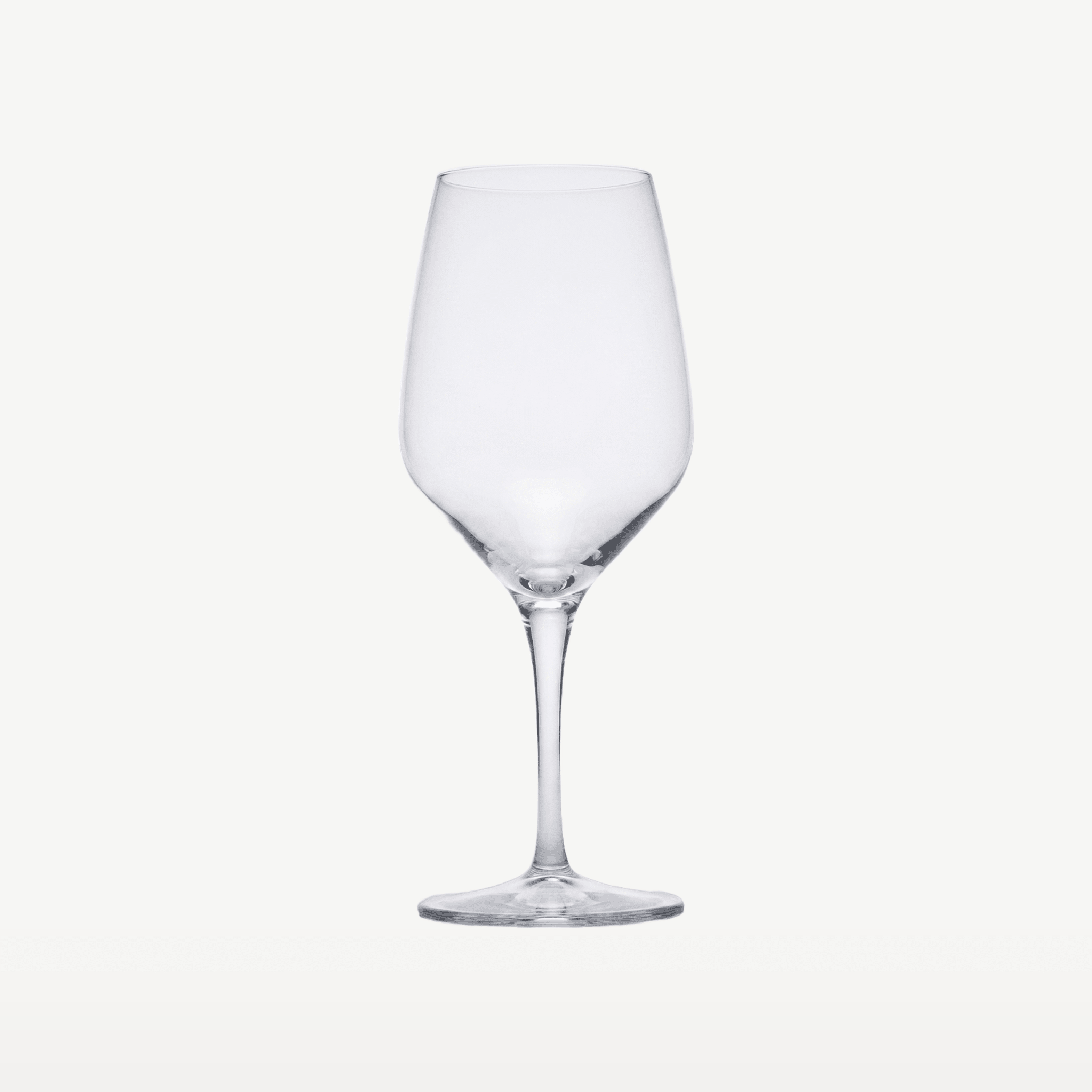


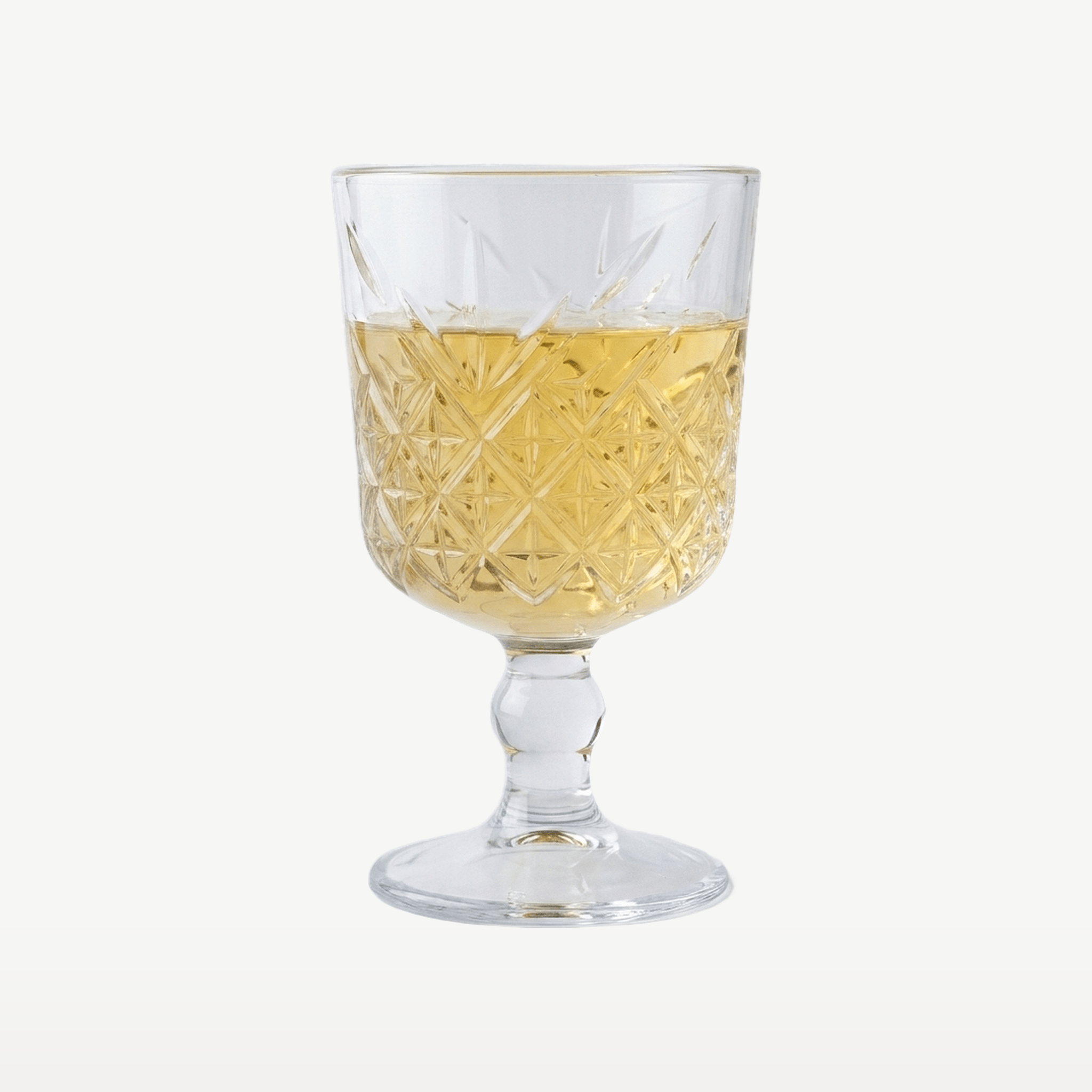
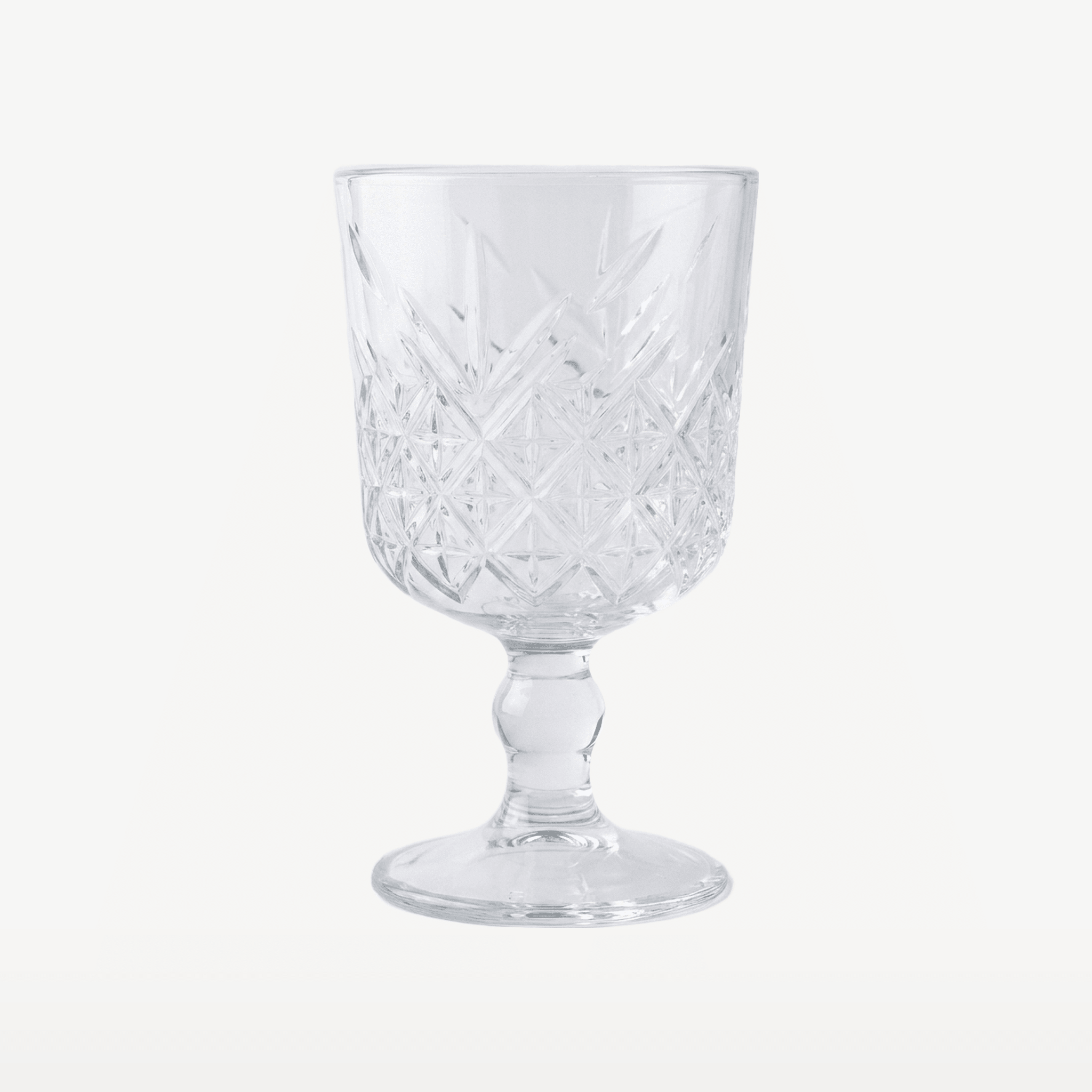


Designed for the ultimate wine experience
Which glass for which wine?
A full-bodied red wine needs a large bowl with room to breathe; take a look at the red wine glasses. A crisp white wine stays cooler in a narrower glass from the white wine glasses. For sparkling wine, choose a flute or tulip from the champagne glasses, and serve port and dessert wine in a small glass from the port glasses.
Pour the same wine into a thick café glass and a thin-blown bowl, and you’ll taste two different wines. The bowl captures the aroma rising from the wine and directs it to your nose. Most of what you taste, you actually smell. Wine glides into your mouth over a thin rim, while a thick rim makes you sip noisily. The stem has a purpose, too. Hold it, and the warmth of your hand stays away from the wine.
On this page, you’ll find all our wine glasses together. From durable hospitality glassware that can handle a busy Saturday night to thin-blown, lead-free crystal from Spiegelau, Zwiesel Glas and Chef & Sommelier. Which glass looks best usually matters little. More important is which glass suits the wine in the bottle and how often you use it.

Which wine glass suits your wine, and how many do you need?

Pouring, temperature, and oxygen

Why a stem breaks and a glass becomes cloudy

Looking for something else?
Recepten voor dit glas
Niet zeker welk glas je nodig hebt? Deze cocktails schenk je hierin.
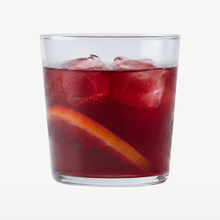
 SangriaRed wine & fruit · Easy
 Kir RoyalCassis & champagne · Easy
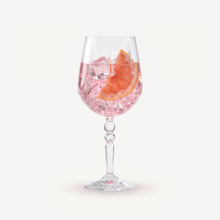
 Aperol SpritzAperol & prosecco · Easy
 MimosaOrange juice & champagne · Easy
 BarbarescoNebbiolo · Wine
 BardolinoCorvina · Wine
 CarmenèreRed wine · Wine
 ChablisChardonnay · Wine
 Christmas dinner drinks9 drinks · Hub
 Natural wineWine with wild yeast · Wine
 Wine temperatureWine at the right temperature · Wine
107 recepten, elk met het glas dat erbij hoort.
What types of wine glasses are there?
Broadly speaking, three. The rounded Burgundy glass for aromatic red wines, the taller Bordeaux glass for wines with firm tannins, and the slender bowl for white wine. There are also flutes and coupes for sparkling wine, and universal glasses that work reasonably well with everything.
How many cl should a wine glass hold?
For white wine, 20 to 35 cl is standard, and for red wine, 40 to 60 cl. Burgundy glasses hold up to 96 cl. You fill a glass to about one-fifth, so a larger bowl doesn’t automatically mean more wine.
Are there sturdy wine glasses for the hospitality industry?
Absolutely. Tempered glass has a reinforced rim and base and can go through the dishwasher every day. Lead-free crystal glass from professional ranges is thinner but just as durable, because it is made more resistant to breakage during melting.
Can wine glasses go in the dishwasher?
Almost everything in this collection can. Choose a short cycle, arrange the glasses so their stems don’t touch, and take them out as soon as the cycle ends. Otherwise, steam will condense on them as limescale.
What is the difference between crystal glass and regular glass?
Lead-free crystal glass contains minerals that make it stronger and clearer, allowing for thinner walls. Regular soda-lime glass is thicker, heavier, and a little less clear. If one breaks, though, it’s easier to replace.