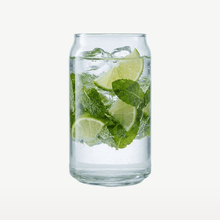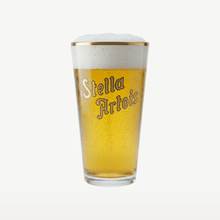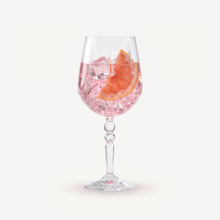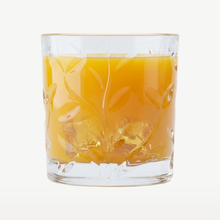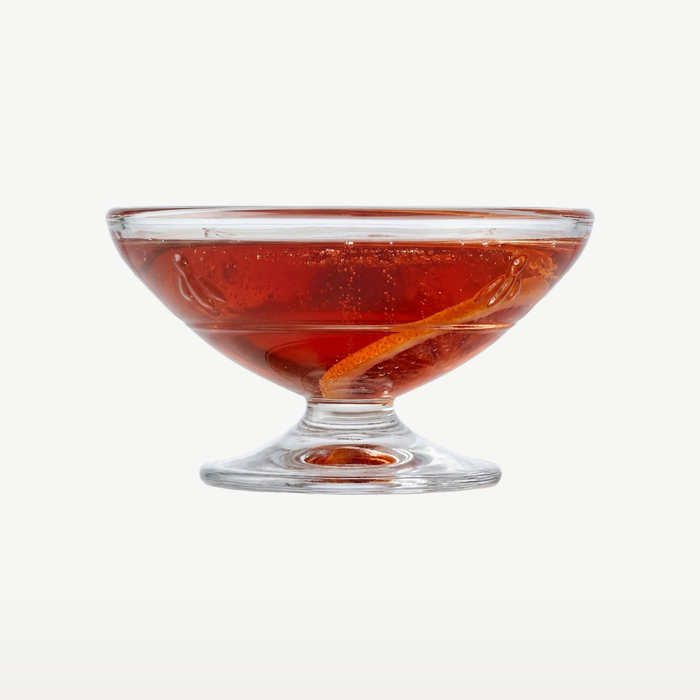
La Rochère Abeille Coupe 20 cl - 6 Pieces
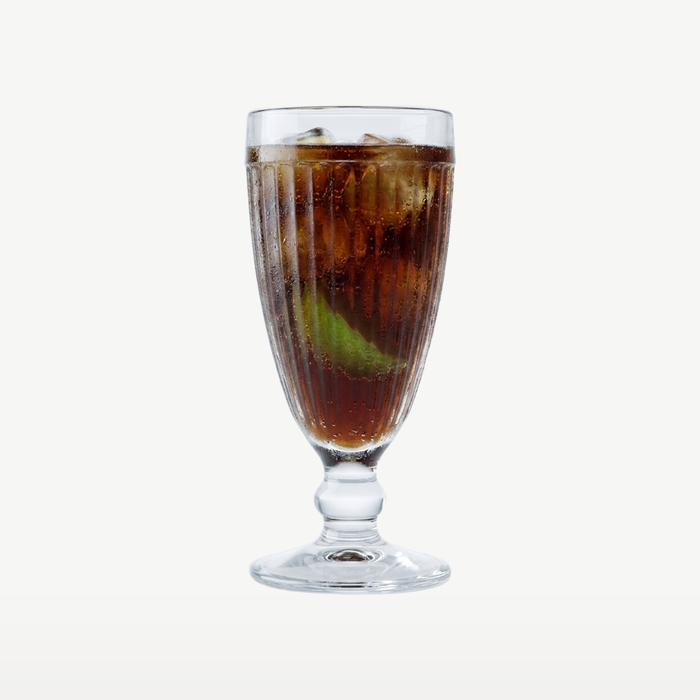
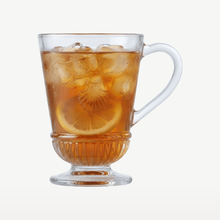
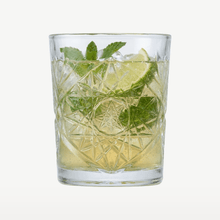
La Rochère Antillaise Iced Tea Glass 29 cl - 6 Pieces

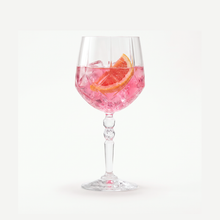
La Rochère Perigord Coupe 22 Cl - 6 Pieces
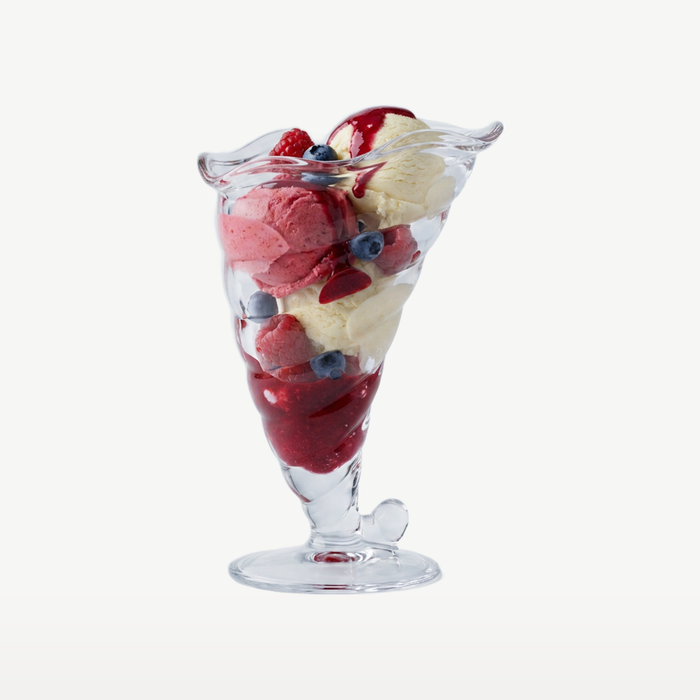
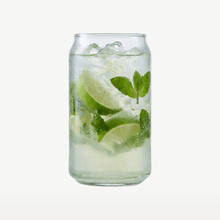
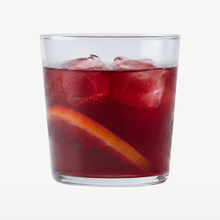
Bormioli Rocco Fortuna Iced Tea Glass 32 Cl - 6 Pieces

The coupe brésilienne recipe
for your table
Start with the brésilienne. Toast 40 grams of hazelnuts briefly in a dry pan until fragrant. Sprinkle over a heaped tablespoon of sugar and let it melt over medium heat. Don't stir. Shake the pan occasionally so all the nuts get coated in caramel. Once the sugar is golden brown, take the pan off the heat.
Pour everything straight onto baking paper and flatten it into a thin layer with the back of a spoon. Let it cool completely, then chop it coarsely. Spread out flat, the caramel hardens quickly. In a pile, it stays warm and turns chewy instead of crisp.
Whip the cream until soft peaks form, without sugar. The ice cream and caramel are sweet enough already. Put the dessert coupes in the freezer half an hour before serving, and leave the ice cream there until you're ready to scoop.
Scoop three balls into the chilled coupe, pour the coffee liqueur over the ice cream and top with whipped cream. Sprinkle the brésilienne on top at the table. There’s a reason for that. In the fridge or on the ice cream, caramel absorbs moisture, and within ten minutes the nuts will be soft.
What did you think of this recipe?
Just click a star to rate it. If you’d like to add a comment, we’ll review it before it appears here.
Save this recipe
Email the coupe brésilienne recipe to yourself so you have it handy when you’re ready to make it. You’ll also get a €5 discount code for glasses that go with it, with a minimum spend of €50.
The story
Every ice cream parlor in the Netherlands has it on the menu, and almost nobody knows where the name comes from. It’s not a flavor or a country of origin. Brésilienne is the name of the nut mixture: caramelized pieces of hazelnut or almond that pastry chefs sprinkle over cream pastries and ice cream. So it has nothing to do with Brazil. Order one and you’ll get vanilla with nuts, not coffee ice cream. There are several stories about exactly how the name came to be used for the mixture. You’ll still find it alongside the dame blanche and coupe advocaat, where it belongs.
The right glass
A coupe brésilienne is served in a wide coupe on a stem. There are practical reasons for this. It’s all about that crunchy topping, so the nuts need to fall over the entire ice cream. In a narrow, tall glass, half of them stick to the sides and the rest slide down between the scoops. Then you won’t get any nuts with your last bite. In a wide bowl, the three scoops sit side by side instead of on top of each other, with the whipped cream in between. The stem keeps your hand away from the bowl, so the ice cream doesn’t melt from underneath. And a long spoon reaches right to the bottom. The first coupe below is described as a wide, shallow coupe on a stem, holding 28 cl. It fits an ice cream dessert with sauce and nuts, with a wafer on the side. The second is made of French pressed glass, holds 26 cl, and has a wavy rim and faceted relief on a short, sturdy stem. It’s a little smaller, so it’s better suited to two scoops than three. Find more styles among the dessert glasses.

Royal Leerdam Fun 4 Food Ice Cream Coupe 28 cl Primavera (6 pieces)

La Rochère Venus Ice Cream Coupe 26 cl (6 pieces)
Both sets together € 67,90.
The right tools
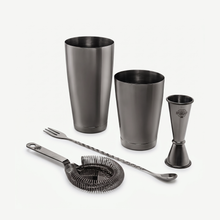
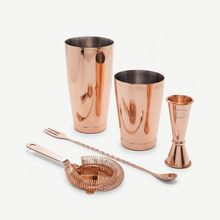
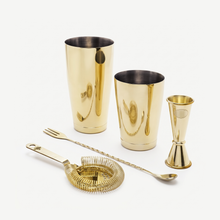
For a coupe brésilienne, alongside the glass, use a jigger to measure exactly two centiliters of liqueur and a long bar spoon to arrange the scoops at the bottom of the coupe. These are the bar tools we use ourselves; you’ll find everything in our bar tools & cocktail sets.


Glass set (our pick 01) + 2 bar tools together € 51,85.
What to pour alongside?
The splash over the ice cream is coffee liqueur: Kahlúa or Tia Maria, both dark and sweet. For a non-alcoholic version, pour a shot of espresso over the scoops, just like an affogato. Of the bottles alongside, amaretto and cognac pair well with the toasted nut. Each drinks page tells you the alcohol percentage, what it tastes like, which cocktails it goes with, and which glass you need.


Variations & twists
Almond instead of hazelnut works too; you see it just as often at the pastry shop. Almond is sweeter and softer, while hazelnut is firmer and more toasted. Half and half works too. Leave out the liqueur and pour a shot of espresso over it, and you’re close to an affogato. Leave out the nuts and pour warm chocolate sauce over it, and it’s called a dame blanche. Add a spoonful of caramel sauce under the scoops, and the caramel runs from the nuts all the way to the bottom, bringing you closer to a caramel sundae. Need more inspiration? Browse more than 100 cocktail recipes.
Serving tip
Store the brésilienne in a tightly sealed jar at room temperature, never in the fridge. The caramel absorbs moisture there, and within an hour everything will be sticky. Sprinkle the final spoonful over the whipped cream at the table, so everyone can hear it crunch. Serve it with a long-handled spoon. A teaspoon won’t reach beneath the scoops in a footed coupe glass.
Good to know
What exactly is brésilienne?
Brésilienne is the nut mixture, not the flavor of the coupe. Finely chopped hazelnuts or almonds are stirred into melted sugar, spread out to cool, then broken into large pieces. Pastry chefs sprinkle it over whipped-cream pastries, chocolate profiteroles and ice cream. So the coupe is named after what’s on top, just as a dame blanche is named after its chocolate sauce. Despite the name, it has nothing to do with Brazil.
Hazelnut or almond
You can see both, and you can really taste the difference. Hazelnuts are firmer, slightly bitter and distinctly roasted. They go well with coffee liqueur and espresso. Almonds are softer and sweeter, with a hint of marzipan, and pair nicely with amaretto. Half and half gives you a bit of both. Toast the nuts in a dry pan until you can smell them, before adding the sugar. They won’t brown once they’re in the caramel.
Making your own caramelized nuts: what can go wrong
There are three points when things can go wrong. If you stir once the sugar has melted, it crystallizes again. So just shake the pan. Leave it too long and the caramel goes past golden brown and turns bitter. Take the pan off the heat sooner than you think; it keeps cooking. And if you leave the mixture in a pile, it stays warm in the middle and turns chewy. Spread it out immediately on baking paper, never on a plate or in a bowl.
Why the nuts are sprinkled on at the last moment
Caramel absorbs moisture. On cold ice cream or in the fridge, the pieces turn soft and sticky within ten minutes. Then you’ve lost the very thing you made them for. So sprinkle them on at the table, over the whipped cream rather than directly onto the ice cream. They stay crisp for a few minutes longer on dry cream. Store any leftovers in an airtight jar at room temperature.
Kahlúa, Tia Maria or espresso
Most ice cream parlors use Kahlúa or Tia Maria. Both are dark and sweet and go well with the caramel. Two centiliters per coupe is enough, poured straight over the ice cream. For an alcohol-free option, use a shot of strong espresso. You get the same bitter contrast, but it makes the ice cream melt faster. So pour it at the table.
The difference between a dame blanche and an affogato
All three start with vanilla ice cream. A dame blanche is topped with warm chocolate sauce, while a coupe brésilienne gets caramelized nuts. For an affogato, you simply pour a shot of hot espresso over one scoop. The first two come with whipped cream and are served in a coupe glass. An affogato is served in a small glass and is eaten or spooned up straight away.
Frequently asked questions
What does brésilienne mean?
That’s the name for the nut mixture: caramelized pieces of hazelnut or almond that a pastry chef sprinkles over pastries and ice cream. The word has nothing to do with Brazil or the flavor of the ice cream. A coupe brésilienne is simply vanilla ice cream with those nuts, whipped cream, and usually a splash of coffee liqueur.
How do you make brésilienne at home?
Toast the hazelnuts briefly in a dry pan, sprinkle sugar over them, and let it melt without stirring until golden brown. Shake the pan so all the nuts get coated in caramel. Tip everything onto baking paper and spread into a thin layer. Let it cool completely, then roughly chop. In a pile, the caramel stays warm and turns chewy. Spread out, it hardens and becomes crisp.
What’s the difference between a coupe brésilienne and a dame blanche?
The difference is in the topping. Both are vanilla ice cream with whipped cream in a coupe glass. A dame blanche is topped with warm chocolate sauce. A coupe brésilienne is topped with caramelized pieces of hazelnut or almond, often with a splash of coffee liqueur. The base is the same, with a different topping—and that’s where the name comes from.
What glass do you use for a coupe brésilienne?
A wide, stemmed coupe glass of about 25 to 30 centiliters. The wide shape lets the nuts fall over the whole scoop of ice cream instead of slipping down the sides. The stem lets you hold the glass without warming the ice cream from below. Choose clear glass so you can see the layers of cream and nuts.
Also delicious
Everything for your bar,
to one address
Hospitality-grade glasses, sold as a set. Order today, delivered fast.
Shop the glasses →