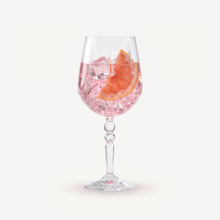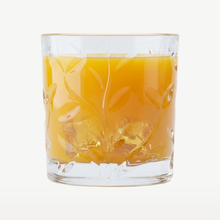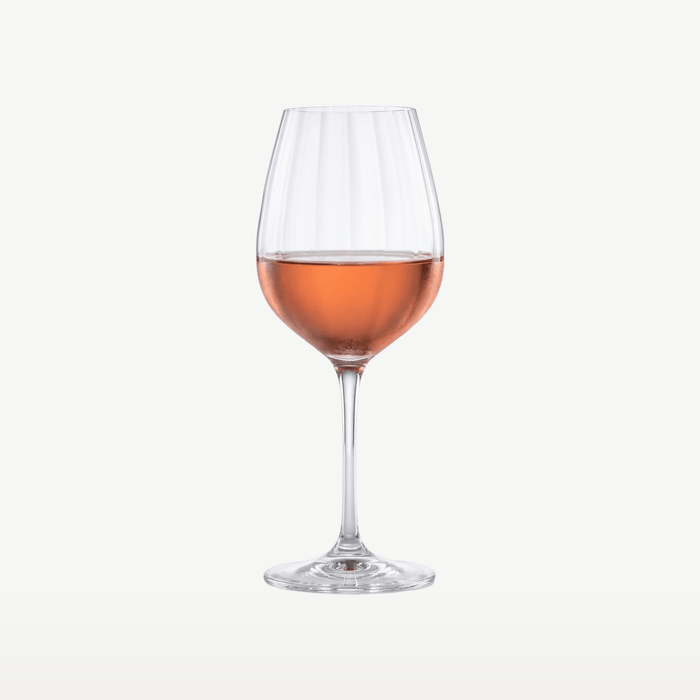
RCR Optiq Wine Glass 45 Cl - 6 Pieces
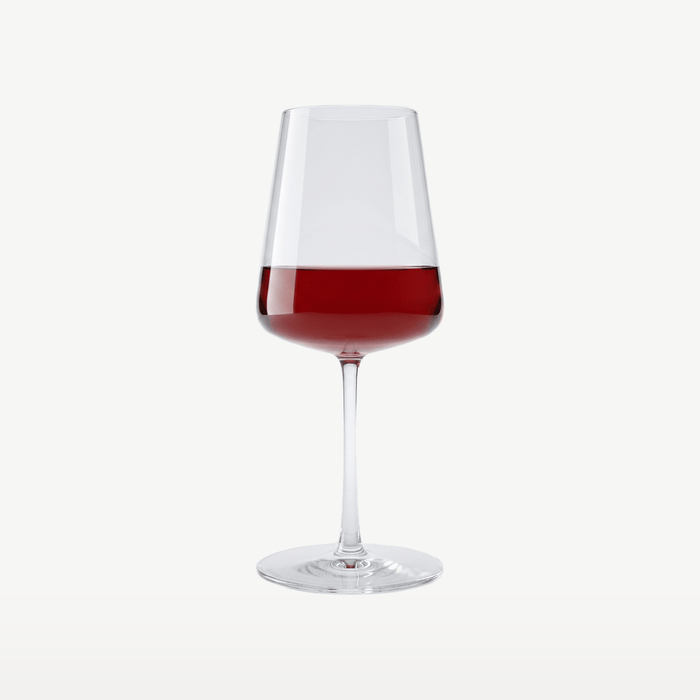
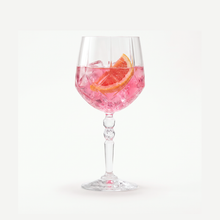
Stölzle Lausitz Power Wine Glass 40 Cl - 6 Pieces
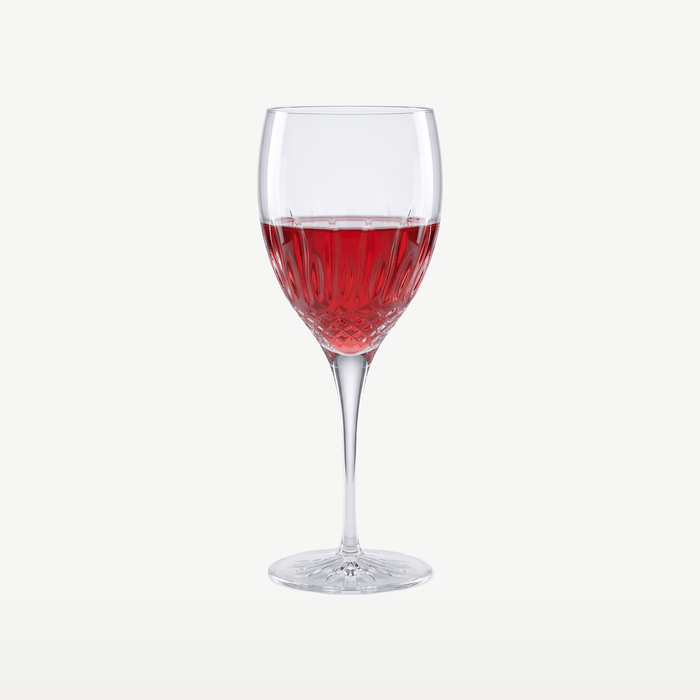
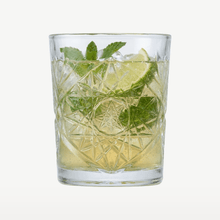
Luigi Bormioli Diamante Wine Glass 52 Cl Chianti - 4 Pieces
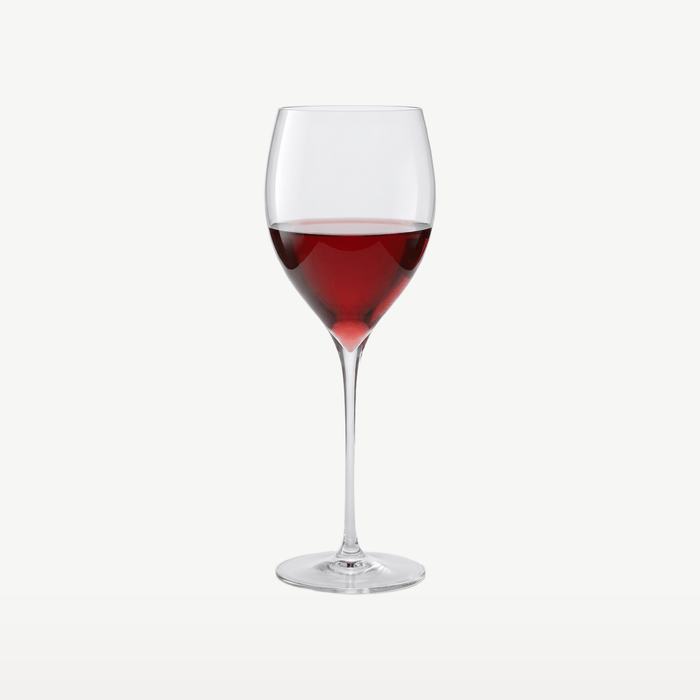
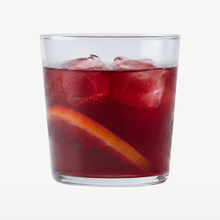
Luigi Bormioli Magnifico Medium Wine Glass 46 Cl - 4 Pieces

How to pour
a Nebbiolo in
Bring the bottle to 16 to 18 degrees. Room temperature in a heated home is often too warm, so put the bottle in a cool room for half an hour or in the fridge for twenty minutes. Too warm makes the alcohol taste harsh; too cold makes the tannins feel firm and the aromas muted.
Cut around the capsule just below the ridge of the neck and wipe the rim clean. Place the spiral in the center of the cork and turn it straight down until just before the end. Older bottles have more brittle corks, so pull slowly and straight upward.
Pour the wine into a decanter and give it about an hour. Nebbiolo is often closed when the bottle has just been opened, and the aromas of rose and cherry only emerge after some time in contact with air. For an older bottle with sediment, pour slowly and leave the last little bit in the bottle.
Pour into the rounded glass until it’s about one-third full. You need the space above the wine: that’s where the aroma gathers, and with this grape, that’s half the story. Swirl gently and smell before you taste, and you’ll notice how the wine keeps changing in the glass.
What did you think of this guide?
One click on a star is all it takes. If you’d like to add a comment, we’ll review it before it appears here.
Save this page
Send this page to your own email so you have the information at hand when you’re ready to pour. You’ll also receive a € 5 discount code on purchases of € 50 or more, for the glasses that go with it.
The story
Nebbiolo is an old grape variety from Piedmont, in northwestern Italy. Its name is usually explained in two ways: it may come from nebbia, the autumn fog that hangs over the hills of Langhe in October, when this late-ripening grape finally comes to maturity, or from the white, misty bloom on the ripe skin. Which explanation is correct has not been determined. What is certain is that this grape is demanding: it buds early, ripens late, and is highly responsive to soil and location. As a result, it rarely thrives outside Piedmont, with Valtellina in Lombardy the best-known exception.
The right glass
Because nebbiolo relies mainly on its aroma, it benefits from a bowl-shaped glass with a wide bowl and a rim that curves inward again. This gives the wine room to take in air, and then keeps the aroma lingering in the glass instead of letting it escape. A tall, straight Bordeaux bowl does exactly the opposite. Below are two rounded bowls; feel free to compare them with the rest of the large wine glasses. For decanting, you’ll find the shapes among the decanters.

Luigi Bormioli Grandioso Pinot Nero-Nebbiolo wine glass 55 cl (6 pieces)

Schott Zwiesel Banquet Burgundy glass 63 cl (6 pieces)
Both sets together € 83,65.
The right tool
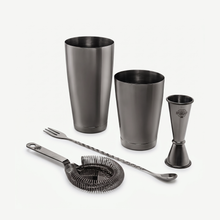
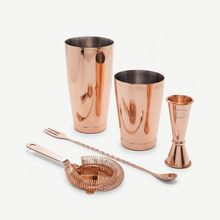
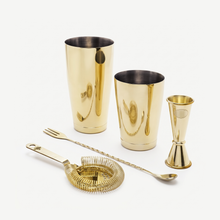
For nebbiolo, besides a glass, you mainly need a corkscrew with a long spiral and a decanter, and a stopper for an opened bottle. The bar tools below only come in handy if you’re putting wine in a cocktail: a jigger for measuring and a bar spoon for stirring. These are the bar tools we use ourselves; find them all in our bar tools & cocktail sets.


Glass set (our pick 01) + 2 bar tools together € 79,85.
Which wine goes with this?
Nebbiolo rarely stands alone at the table. These are the wines that pair well with a meal, from another Italian heavyweight like Brunello to a glass of Moscato with dessert. Each drink page tells you the alcohol percentage, what it tastes like, which cocktails it works in and what glass you need.


Variations & twists
Nebbiolo wines vary widely. Langhe Nebbiolo is the lightest and quickest to enjoy, often made from young vines or from vineyards just outside the famous areas. Roero comes from the sandier side of the Tanaro and has softer tannins. In Alto Piemonte, around Gattinara and Ghemme, the grape grows in volcanic soil and produces a tighter, smokier wine. In Valtellina, it’s called chiavennasca and grows on terraces along the mountainside. Want to read more? Browse all drinks and brands.
Serving tip
Serve nebbiolo at 16 to 18 degrees and let it breathe before you start. It calls for food with fat and umami, because that’s what the tannins bite into: a risotto with butter, pasta with ragù, roasted meat, mushrooms and aged hard cheese. With lean, sweet or strongly spiced food, the tannins really come to the fore.
Good to know
Why it’s pale yet powerful
Nebbiolo has little pigment in its skin, so the wine is pale ruby-red when young and quickly turns orange-brown at the rim. But the same skins and seeds contain plenty of tannin and acidity. Color and structure have nothing to do with each other, and that’s exactly what makes this wine surprising: it looks like a light wine but behaves like a heavy one.
Rose and tar, and where that bitter note comes from
The two words most often associated with Nebbiolo are rose and tar. Add sour cherry, dried herbs, leather, and sometimes truffle. The finish often has a bitter note reminiscent of licorice. That bitterness is part of the wine, not a flaw; together with its high acidity, it makes the wine feel fresh again as soon as you take a bite of food.
The two explanations for the name
The first explanation links Nebbiolo to nebbia, the mist that rolls through the Langhe valleys in October, just when this late-ripening grape is harvested. The second points to the white bloom that lies like a haze on the ripe skin. Both explanations are commonly cited, and neither has been proven. You’ll come across both, sometimes side by side in the same account.
Why it thrives almost exclusively in Piedmont
Nebbiolo buds early and ripens very late, so it can be hit by both spring frost and a cold autumn. It also needs soil with calcareous marl and a slope that gets enough sun. In places without that combination, it produces thin, meager wine. That’s why it rarely succeeds outside Piedmont; Valtellina in Lombardy is the best-known exception, and plantings elsewhere in the world remain small.
How much alcohol it contains and how long it keeps
Nebbiolo is roughly 13 to 15 percent alcohol; the percentage is shown on the label. A basic Langhe Nebbiolo is usually best enjoyed within a few years. Wines from the well-known areas need time for the tannins to soften and can then age for a long time. Once opened, a bottle will keep for another two to three days in the fridge with a stopper.
Frequently asked questions
What exactly is Nebbiolo?
Nebbiolo is a blue grape variety from Piedmont, in northwestern Italy. It produces a pale wine that quickly turns orange-brown, with plenty of tannin and high acidity, and aromas of rose, tar, cherry, and herbs. The best-known wines made from this grape come from the Langhe.
Why does Nebbiolo taste heavier than it looks?
Because the grape's color and structure are independent of each other. Its skin contains little pigment, but plenty of tannin and acidity. So you get a light red wine in the glass that feels firm and astringent in the mouth, especially when young.
Where does the name Nebbiolo come from?
There are two common explanations. One links the name to nebbia, the autumn fog in the Langhe that coincides with the late harvest. The other points to the white bloom that forms a haze on the ripe grape skin. It is unclear which explanation is correct.
Should you decant Nebbiolo, and what glass should you serve it in?
Decanting really helps with this grape, especially with young bottles: allow about an hour to breathe. Serve it at 16 to 18 degrees in a round Burgundy glass with a wide bowl and a rim that curves inward, giving the aromas room to develop and linger.
Buy Nebbiolo
Want the bottle delivered straight to your door? Order Nebbiolo online from Gall & Gall. Gall & Gall has 7.
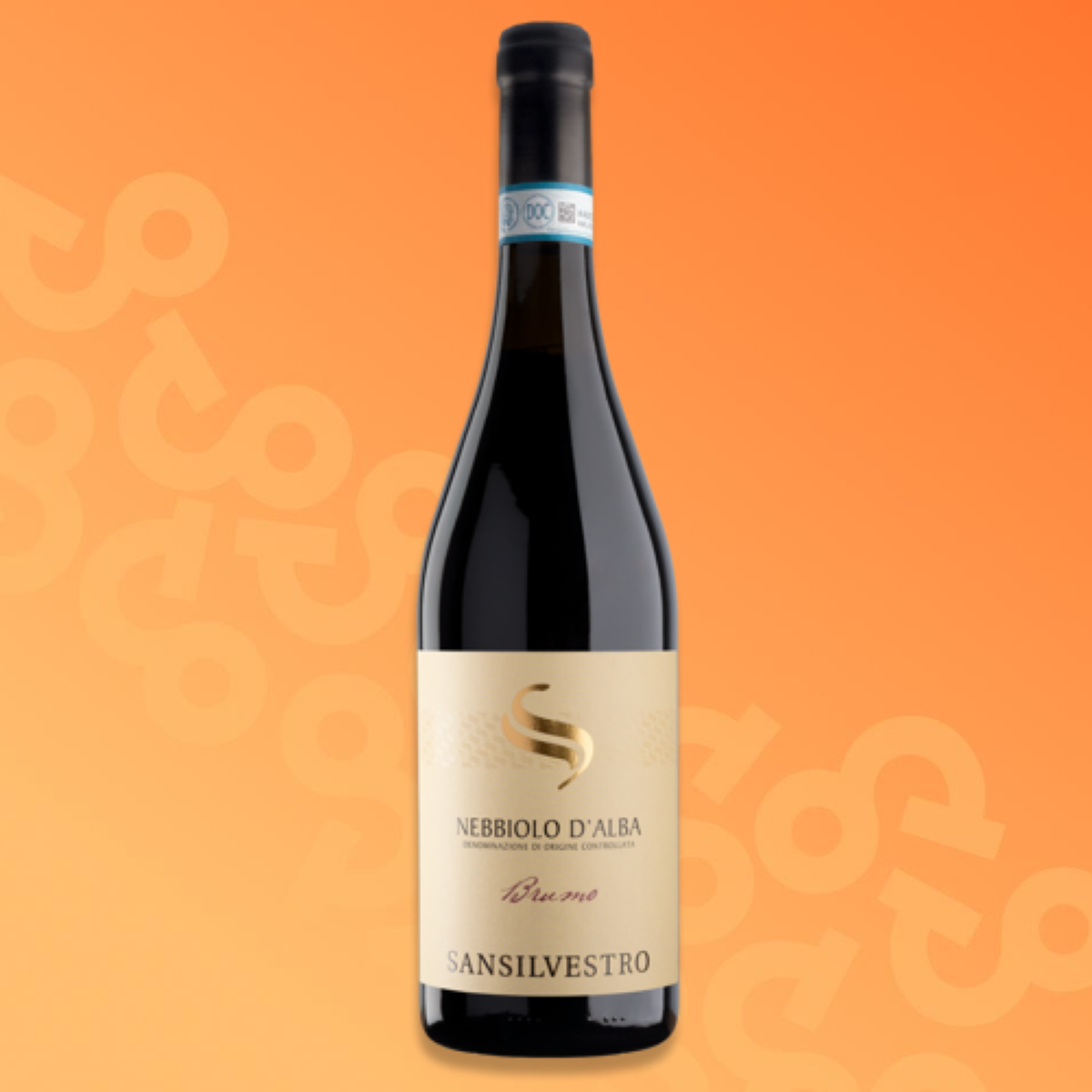
San Silvestro Nebbiolo d'Alba Brumo
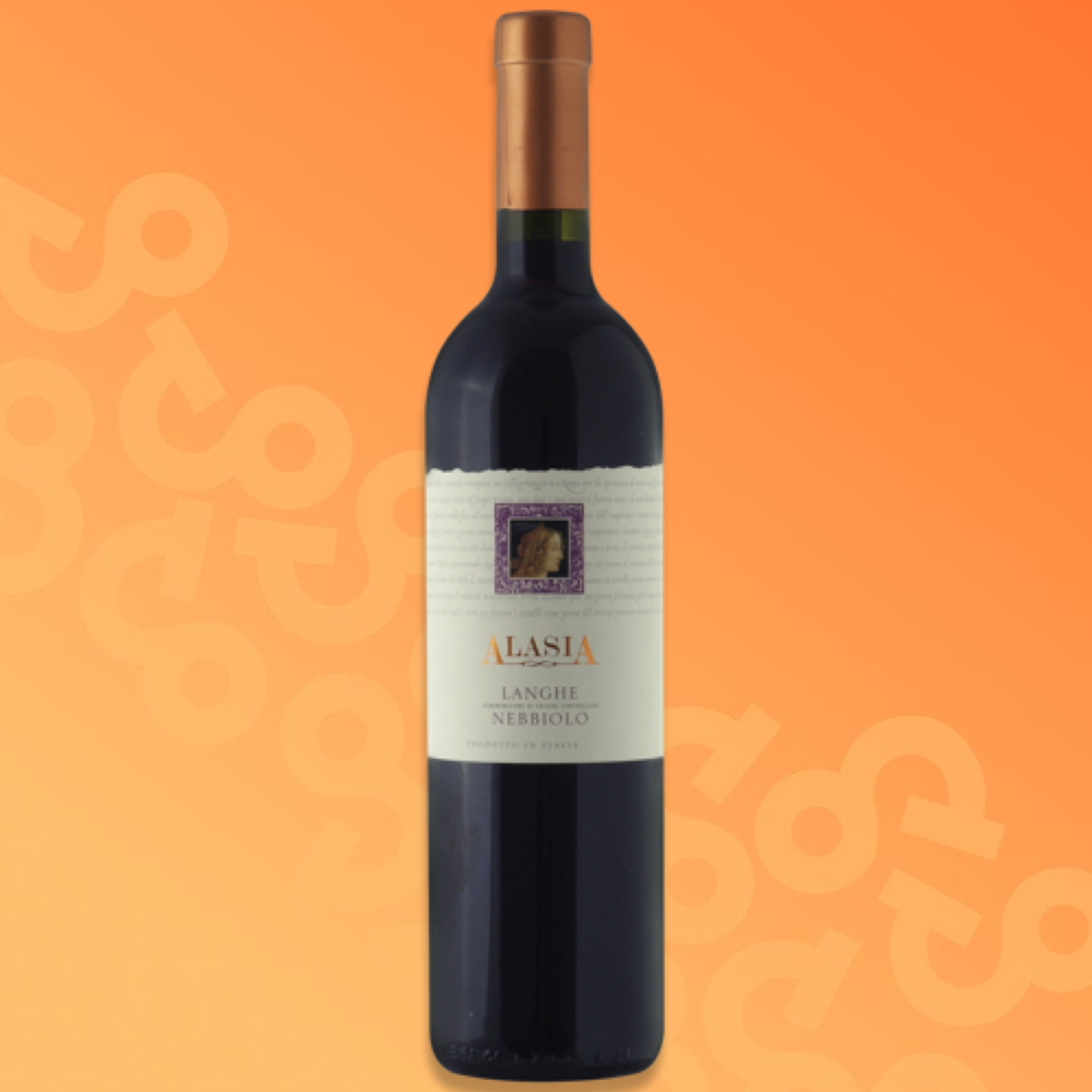
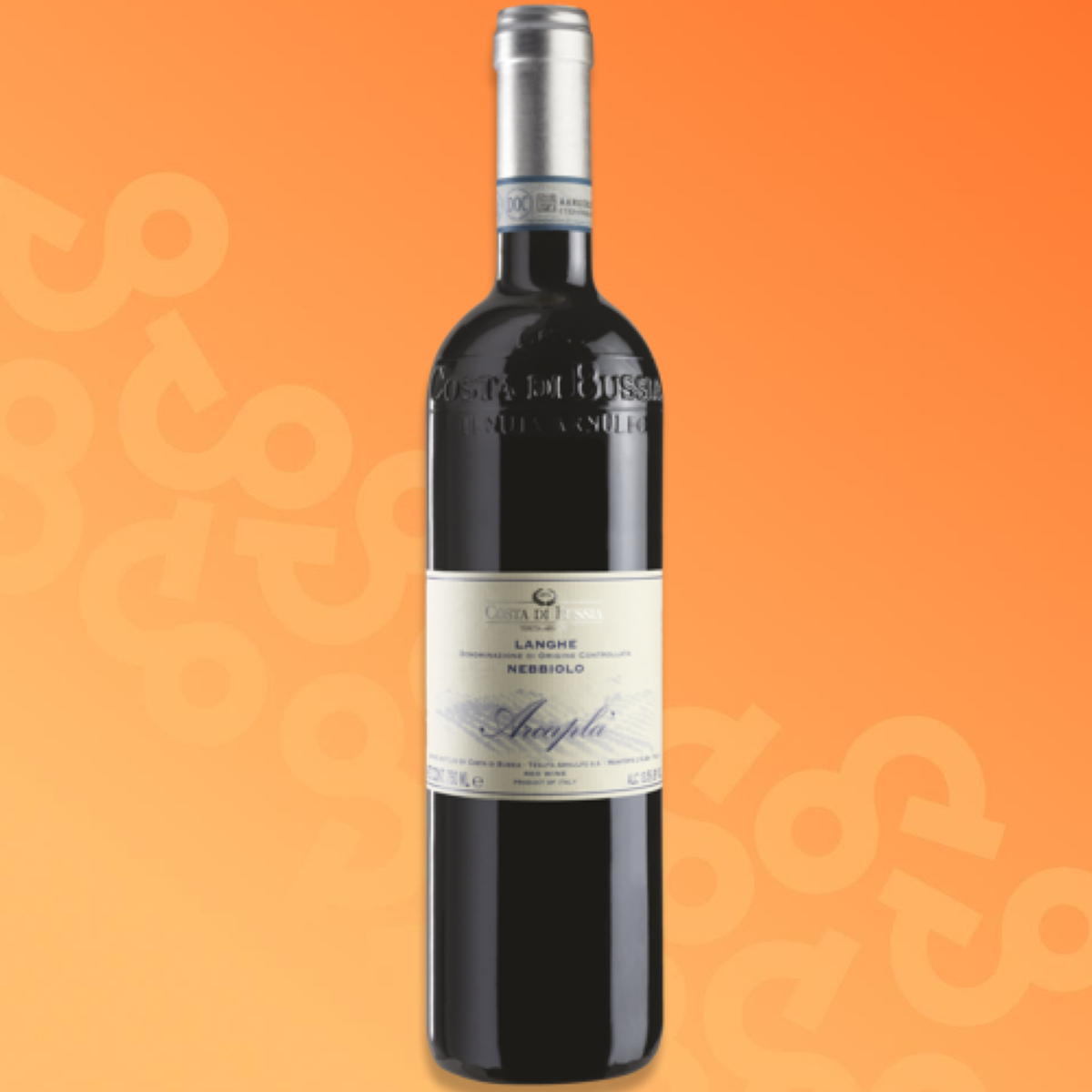
Costa di Bussia Nebbiolo Arcaplà Langhe
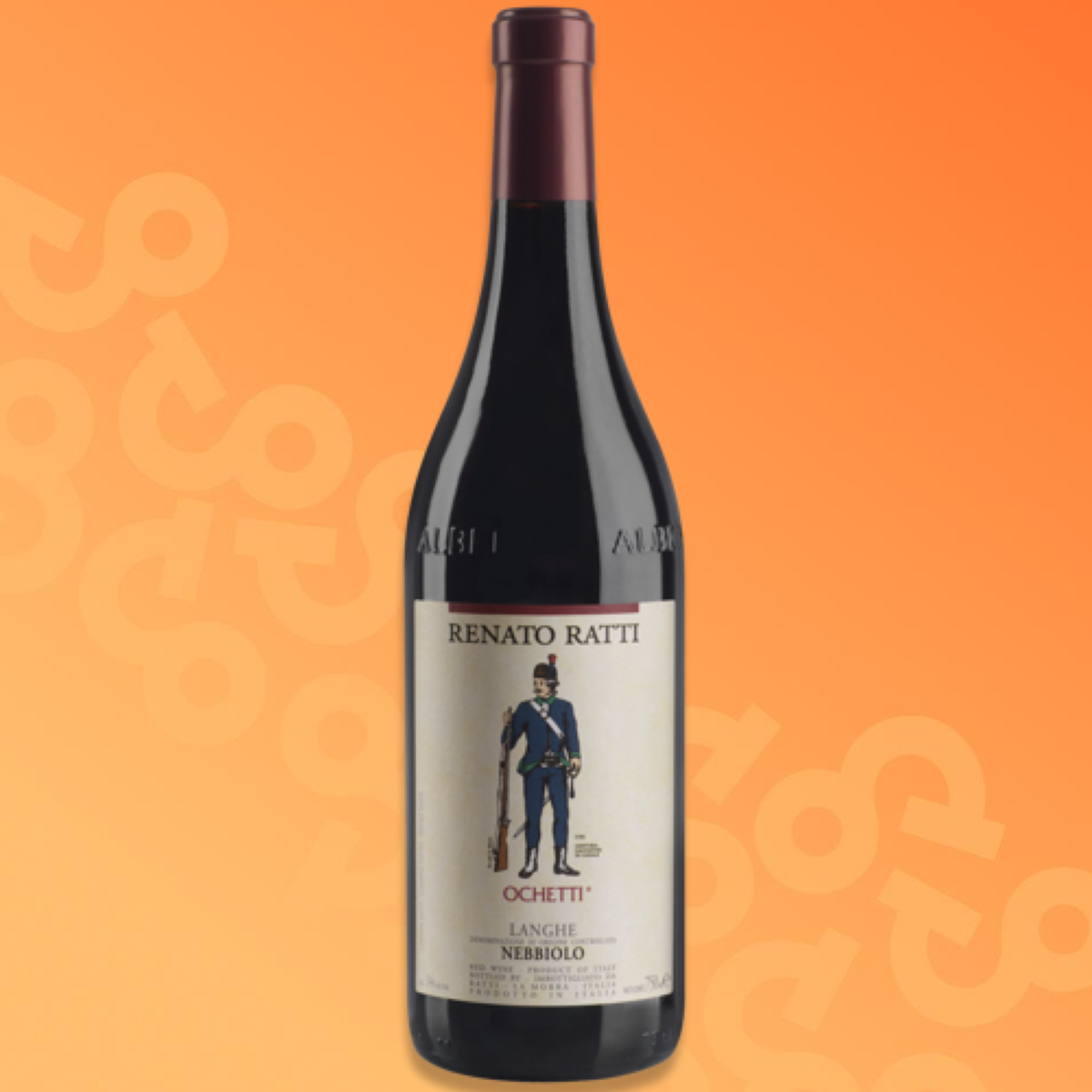
Prices as of November 17, 2026, as provided by Gall & Gall. You can check the current price and stock at Gall & Gall. Glazen.nl receives a small commission if you buy something through these links; you pay nothing extra. No one under 18, no alcohol.
Everything for your bar,
to one address
Glasses in hospitality-grade quality, sold in sets. Order today, delivered fast.
Shop the glasses →