Rosé wine
Rosé is simply wine made from blue grapes, with the skins briefly fermenting along with the colorless juice. The longer they remain in contact, the darker the wine and the fuller the taste, so the color in your glass already tells you something about the bottle.


Wine by type
Rosé is one of three wine colors. Read more here about the other two, and about sparkling wines that also come in a pink version.
White wine
White wine uses the same slender glass and is served at the same temperature as rosé; it just lacks the color from the skins.
About white wine →Red wine
With red wine, the skins macerate in the must for 24 hours, much longer than with rosé, and you can see and taste the difference right away.
About red wine →
Champagne
Rosé champagne is the only pink wine to which red wine may be added at the end of production.
About Champagne →
Prosecco
The Italian bubbly that also comes in a pink version and features in almost every spritz.
About Prosecco →Blue grapes, colorless juice, and a short maceration
Rosé is wine made from dark-skinned grapes, which clears up the biggest misconception right away: no white wine is involved. The juice that comes from grapes is always colourless, even when the grape is dark-skinned. The colour is in the skin, and winemakers leave the skins to ferment briefly with the juice. For rosé, they soak for eight to fourteen hours in the must, whereas the skins for red wine are left in for a full day. The longer the contact, the darker the wine, so the winemaker controls exactly how intense the pink becomes by adjusting the soaking time. Rosé therefore ranges from light orange to vivid strawberry pink, and this short fermentation process makes it light, refreshing and fruity.
Mixing red and white wine to make rosé is not allowed. In the EU, it is even forbidden to market a wine made this way as rosé, and winemakers also look down on the practice. There is exactly one exception: rosé champagne, where red wine is added to white champagne at the end of production. Which dark-skinned grape is in the bottle varies by region. Grenache, syrah, mourvèdre and tempranillo are the usual varieties, often joined on the bottles themselves by cinsault, carignan or merlot. The rule that rosé comes from dark-skinned grapes has one exception: a blush is made from pinot grigio, a grape whose pink-coloured skin gives off just enough colour.
In brief
Six bottles, from pale salmon pink to berry red
The intensity of the colour says something about the taste, because it comes from the grape and from how long the skins are left in. These six are listed in order, from the palest Provence rosé to the fullest Spanish one.
Château de Berne Romance
Pale pink in colour, with strawberry, peach, melon and mango. Floral, fresh and fruity, making it the quintessential Provence rosé.

Riporta Rosato
A brilliant pale pink colour and a fragrant bouquet of wild strawberries and pomegranate, underpinned by delicate floral aromas. The taste is fresh and juicy.

Pierre de Prunet Rosé
A salmon-pink bottle acclaimed for its full yet silky-smooth taste. Easy to drink, and robust enough for Asian food.

Inycon Growers Pinot Grigio Blush
The exception in this lineup, as it’s made from Pinot Grigio, whose pink-colored skin gives it its blush hue. Lively, full of ripe raspberry and cherry, soft and juicy.

Mucho Más Rosado
Full of red fruit aromas, with an intense, sweet-and-fresh taste of redcurrants, blackberries, and cherries. This is rosé’s darker, sweeter side.

Cune Rosado
Made from 100% Tempranillo grapes from Rioja, with raspberry, strawberry, and blueberry flavors. A hint of licorice and a powerful finish make it the boldest of the six.
Looking for something refreshing with a salad? Choose a light Provence rosé. Having it with tapas or at a barbecue? Choose a darker bottle from Spain.
Always fruity, with everything else depending on the color
Light orange to strawberry pink
The flavor of rosé comes from the grape and the intensity of its color, and the two go hand in hand. A pale bottle is usually light and elegant, while a darker one is fuller and more voluptuous.
Red fruit and citrus
All rosés have fruity flavors, from cherries and oranges to melon and citrus notes. Some bottles also have spicy notes like lavender, thyme, or rosemary, while others burst with ripe red fruit.
Light and refreshing
Because the skins ferment for only a short time, the flavor stays light, refreshing, and fruity. Within that range, the biggest difference is whether it’s dry or sweet, from a light, elegant aperitif rosé to a spicy, sweet wine.
Flavor profile of a light, dry rosé. A darker, sweeter bottle scores higher on sweetness and fruitiness, and much lower on freshness.
How to pour rosé
Drink rosé chilled, from a slender glass and without any fuss. These three things make all the difference.
Chill to 8 to 10 degrees
Serve rosé chilled, at 8 to 10 degrees. If the wine is too warm, it loses its fruitiness and the alcohol comes through more strongly. If it’s too cold, you smell less and the acidity dominates the taste. Straight from the fridge to the table is just right.
The right glass →Pour just above the widest part
White wine and rosé should be poured just above the widest part of the glass, so a little fuller than red wine. A 75 cl bottle yields about six glasses, which means the three of you can finish a bottle with dinner.
Browse rosé glasses →For the barbecue and aperitif
A light pink, dry rosé goes very well with grilled chicken or a fresh salad, making it a great match for just about anything from the barbecue. The lush fruit of a sweet rosé comes through best with a fruit dessert.
From light to dark →Cocktails with pink bubbles
Rosé is almost always enjoyed on its own, and classic cocktails made with rosé are rare. These four are made with a related sparkling wine, prosecco or champagne.

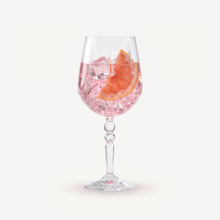
Aperol Spritz
Prosecco, Aperol, and a splash of sparkling water over a glass full of ice.
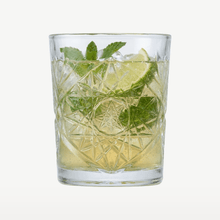
Hugo Spritz
Elderflower syrup, prosecco, sparkling water, mint, and lime.
Bellini
Peach purée at the bottom of the glass, then slowly topped up with prosecco.
Kir Royal
Crème de cassis in the glass, topped up with champagne.The right glass for rosé
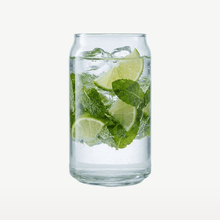
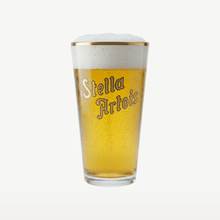
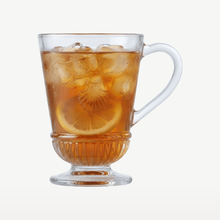
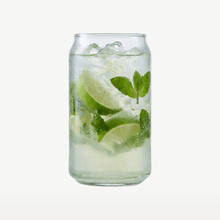
Rosé belongs in a slender white wine glass, not the wide bowl of a red wine glass. A narrower glass keeps the wine cool for longer and lets the aromas evaporate more slowly. These are the glasses we recommend ourselves.


Everything else you wanted to know about rosé
Can't find your question? Browse our cocktail recipes or get in touch.
To the cocktail recipes →How is rosé wine made?
Where does rosé wine get its color?
Can you make rosé by mixing red and white wine?
Which grapes are used to make rosé?
What percentage of alcohol is in rosé?
At what temperature should you serve rosé?
Which glass do you use for rosé?
Buy rosé wine
Want the bottle delivered straight to your door? Order rosé wine online at Gall & Gall. Gall & Gall has 102.
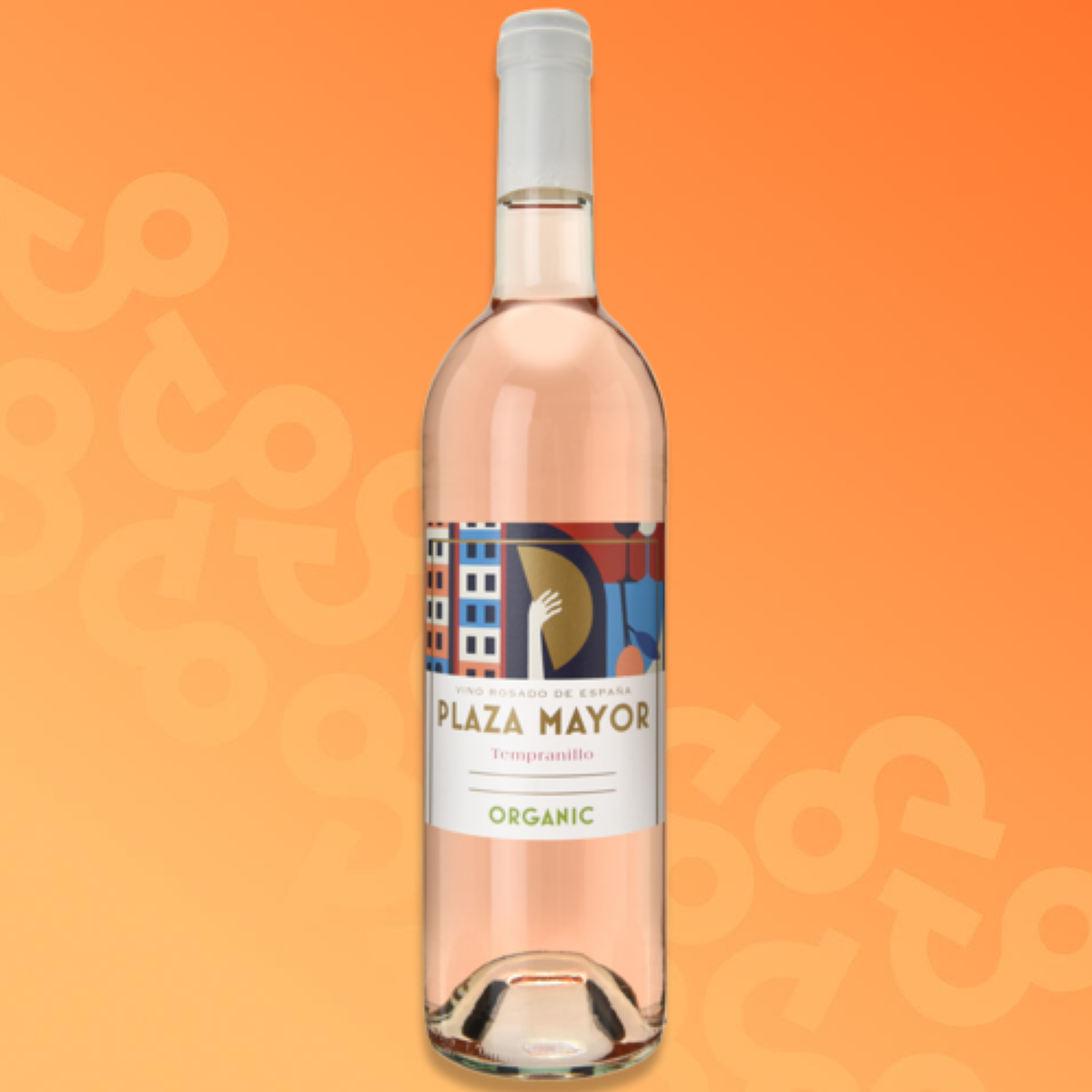
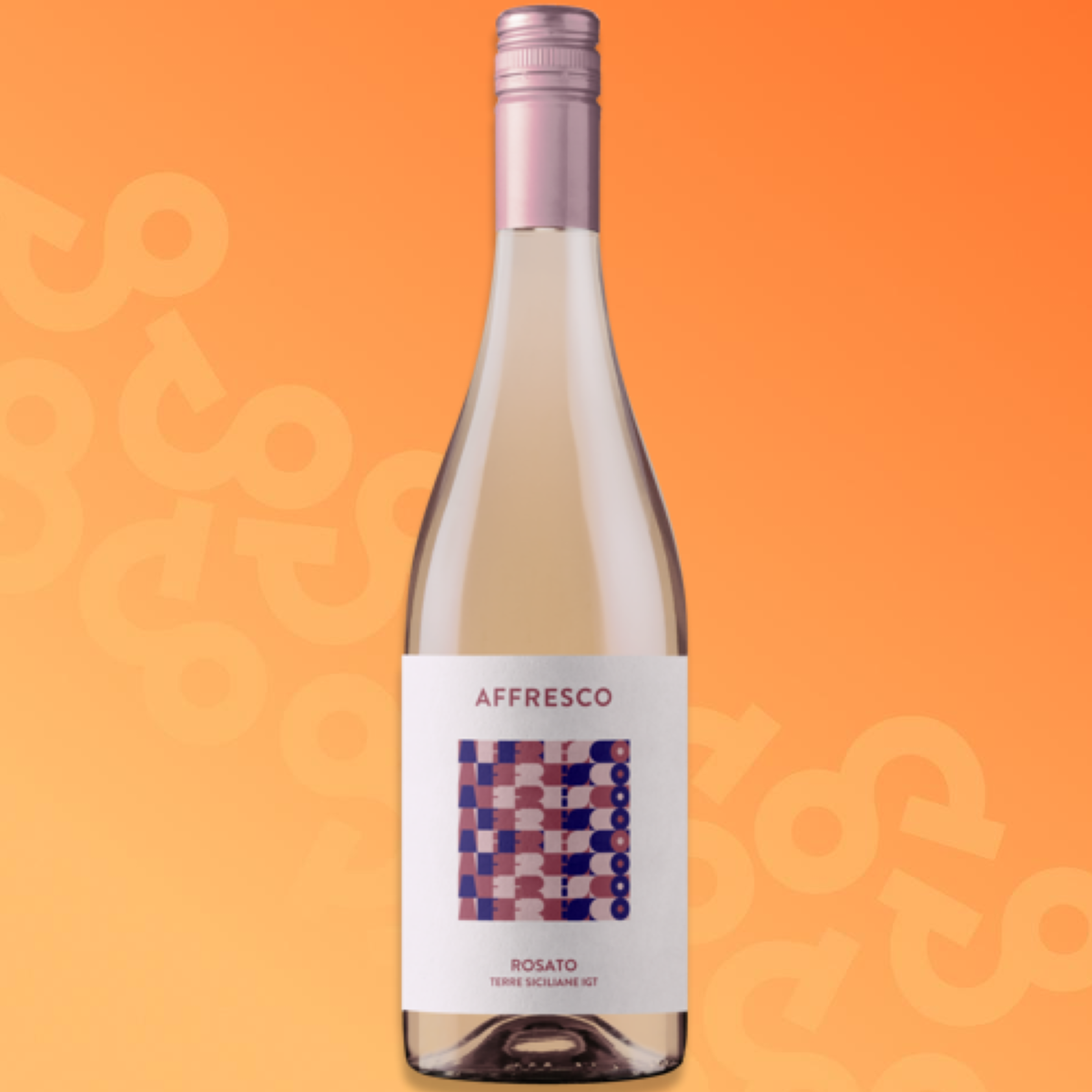
Affresco Rosato
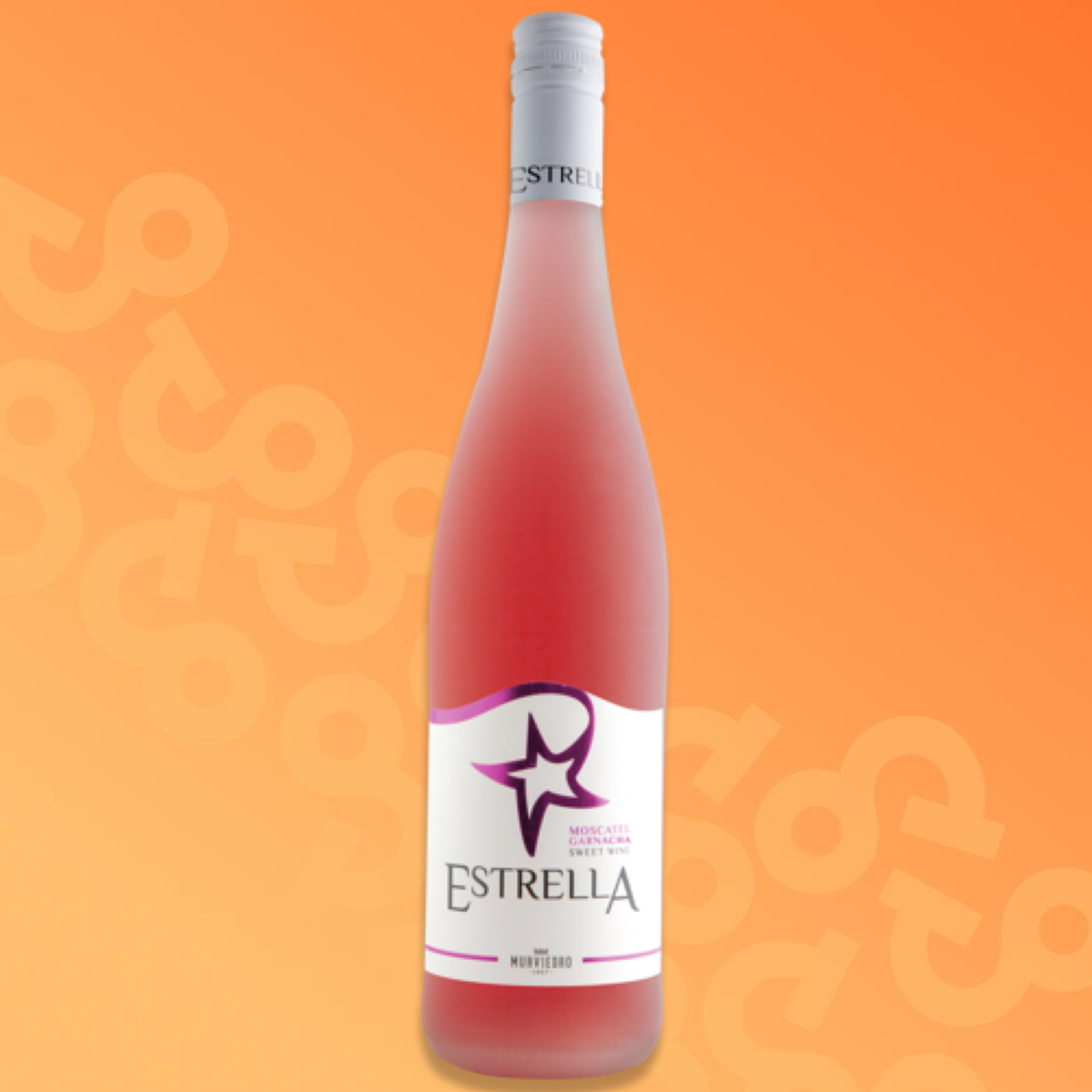
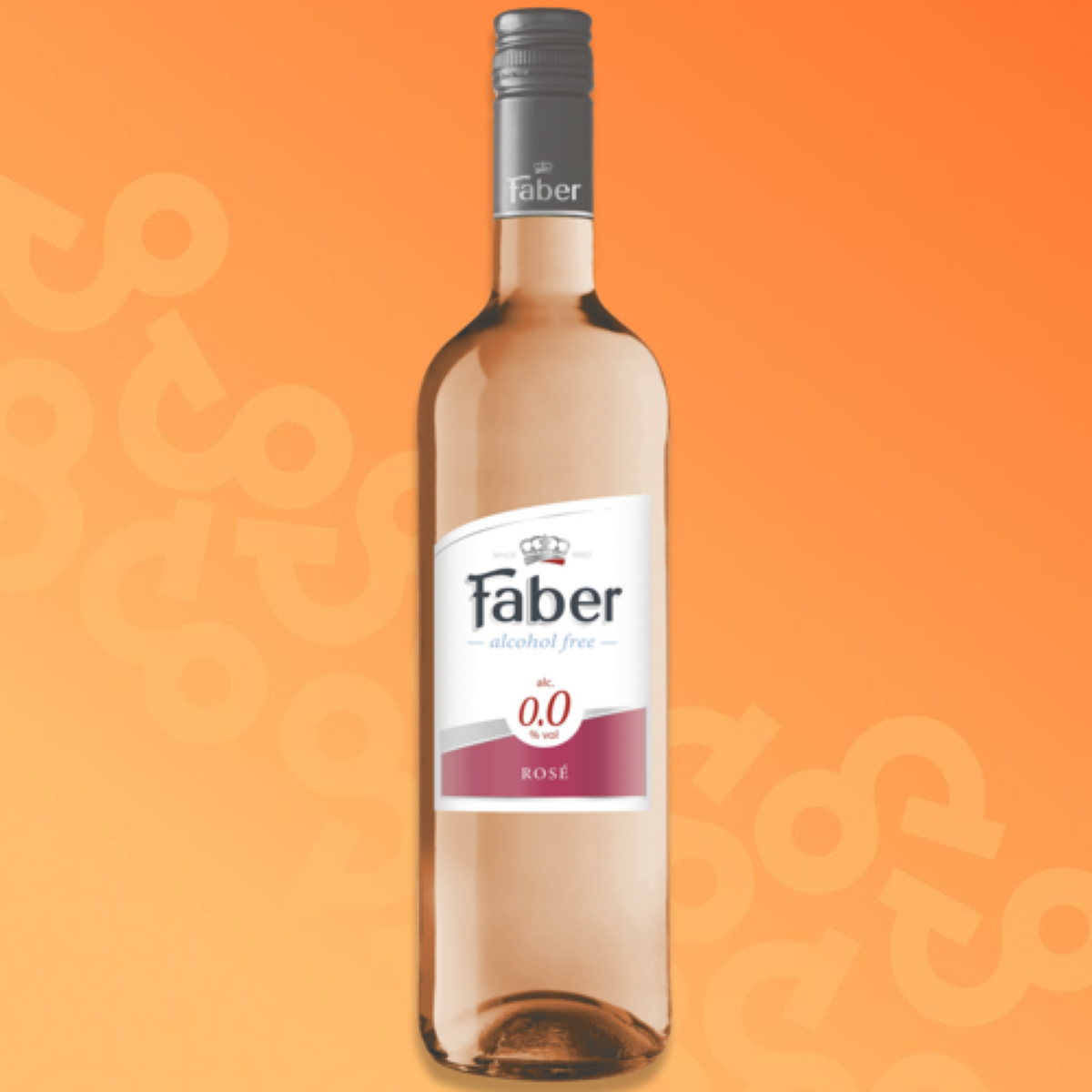
Prices as of November 6, 2026, as provided by Gall & Gall. You can see the current price and stock at Gall & Gall. Glazen.nl receives a small commission if you buy something through these links; it costs you nothing extra. No 18, no alcohol.