Tuscany
Tuscany is the wine region around Florence and Siena, and the home of Sangiovese. Chianti, Brunello di Montalcino and Vino Nobile di Montepulciano come from here. On the coast, they make the famous Super Tuscans and fresh white wine from Vermentino.


Wine from Tuscany, by type
Tuscany has a handful of well-known names. We have a dedicated page for four of them, from the grape itself to the coast’s white wine.

Chianti
Tuscany’s best-known wine, with the differences between Chianti, Chianti Classico and Riserva explained.
About Chianti →
Sangiovese
The red grape behind almost every Tuscan red, whatever local name appears on the label.
About Sangiovese →
Vermentino
The white grape of the Tuscan coast, herbal, fresh and with a slight bitterness.
About Vermentino →Hills inland, vineyards by the sea
Tuscany lies in central Italy, with Florence as its capital and Siena a little farther south. It is one of the country’s best-known wine regions. In the rolling countryside, vineyards cover the hills, often interspersed with olive trees and cypresses. Almost everything there revolves around sangiovese, a red grape with high acidity, cherry fruit, and firm tannins. Between Florence and Siena lies Chianti Classico, the original Chianti area, with the black rooster on the neck of the bottle. Surrounding this heartland is the much larger area where ordinary chianti can be produced, including subregions such as Rufina. Farther south are two hill towns, each with its own famous wine: Montalcino, where sangiovese is called brunello, and Montepulciano, known for vino nobile. Note: the latter is named after the town and has nothing to do with the montepulciano grape.
On the coast, the story is different. In the Maremma, sangiovese is called morellino, and the wine from Scansano bears that name. Around Bolgheri, winemakers instead plant French grapes such as cabernet sauvignon and merlot. That’s where and elsewhere in Tuscany the Super Tuscans originated: top wines made outside the old rules, so they initially went on the market as simple table wine. Today, a bottle like that usually bears the label IGT Toscana. Vermentino is the most important white grape, especially along the coast, alongside trebbiano toscano and chardonnay. And then there’s vin santo, the sweet wine made from dried grapes that you drink in Tuscany with almond cookies.
In brief
Seven bottles, from Chianti Classico to vermentino
Almost every bottle below centers on sangiovese, though each wine has a different name, after the place it comes from. At the bottom are a Super Tuscan made from French grapes and a white wine from the coast.
Castello di Albola Chianti Classico
One hundred percent Sangiovese from the heart of Chianti Classico, aged for twelve months in oak. Ruby red, with red fruit, violets, and lively acidity.

Barone Ricasoli Brolio Chianti Classico Riserva
Mostly Sangiovese, with a little Merlot for roundness and a dash of Cabernet Sauvignon for a kick. Aged for sixteen months in oak, then for a little longer in the cellars of Brolio Castle.

La Poderina Brunello di Montalcino
Sangiovese from Montalcino, where the grape is called Brunello. Powerful, robust, and complex, with cherry fruit, chocolate, and high acidity.

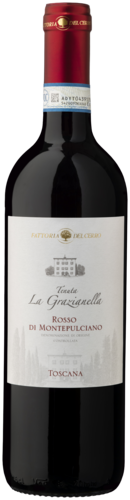
Poliziano Rosso di Montepulciano
The younger, easy-drinking wine from Montepulciano: Sangiovese with a little Merlot, aged for eight months in oak. Cherries, strawberries, and plums.

Mazzei Bronzone
One hundred percent Sangiovese from Maremma, where the grape is called Morellino. Rich and full-bodied, with cherries, berries, and spices.

Tenuta Sette Ponti Oreno
A top Tuscan wine without Sangiovese, made from Bordeaux grapes such as Merlot and Cabernet Sauvignon. A typical example of a Super Tuscan.
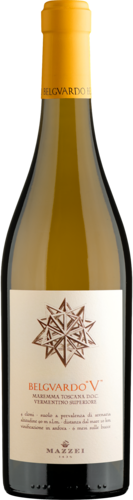
Mazzei Belguardo Vermentino
One hundred percent Vermentino. Juicy, with wild peach and tropical fruit, alongside fresh green herbs and a touch of minerality.
What exactly is the difference between Chianti, Chianti Classico, riserva, and Gran Selezione? Find out on our Chianti page.
Cherries, herbs, and fresh acidity
Cherries & violets
Red and black cherries, sometimes plum, with a floral hint of violets. Often followed by dried herbs. If the wine has been aged in oak, vanilla, tobacco, and spices come through.
Fresh and full-bodied
Sangiovese has notably high acidity and firm, somewhat drying tannins. This gives Chianti a fresh feel, even when it’s full-bodied. A Brunello or Super Tuscan is fuller and rounder, especially after a few years.
Dry and slightly bitter
A Tuscan red finishes dry, with cherry notes and a slight bitterness that calls for food. Vermentino, on the other hand, finishes fresh and herbaceous, with a touch of bitterness.
Flavor profile of a typical Chianti. A Brunello or Super Tuscan scores higher for body, while a Vermentino scores lower for body and just as high for freshness.
How to serve Tuscan wine
Red just below room temperature, white and rosé chilled, and give a Brunello or Super Tuscan some time to breathe first.
Red at 16 to 18 degrees
Serve a young Chianti or Rosso on the cool side, around 16 degrees; that keeps it fresh and juicy. A Brunello, Riserva, or Super Tuscan can be closer to 18 degrees. If the bottle is in a warm room, put it in the fridge for fifteen minutes. Serving it too warm makes the wine feel heavy and brings the alcohol to the fore.
More about wine temperature →Let Brunello breathe
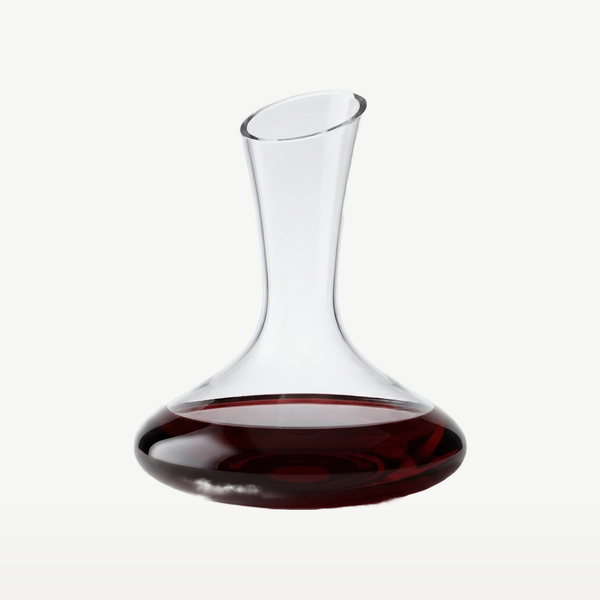
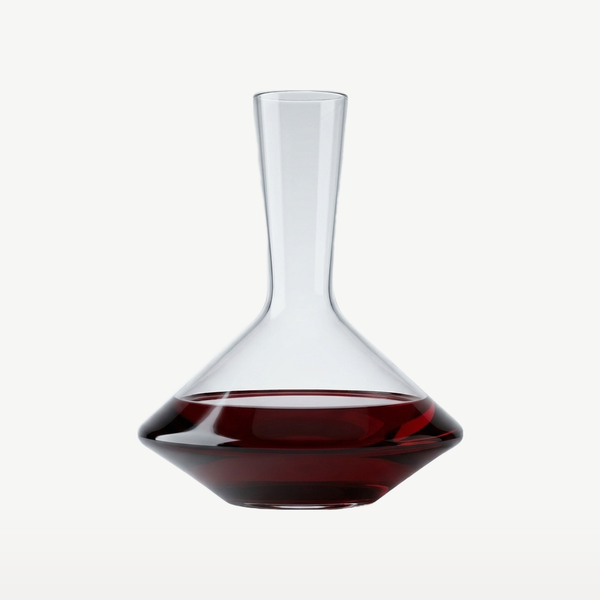
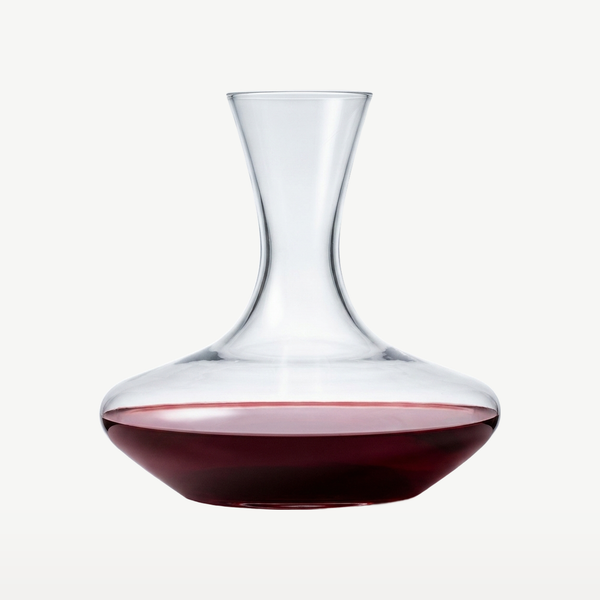
You can pour a regular Chianti straight away. A Brunello, Gran Selezione, or Super Tuscan has plenty of tannins and can be a little closed off when young. Pouring the wine into a decanter exposes it to oxygen, and after half an hour to an hour, the fruit comes through more. If an older bottle has sediment, stand it upright a day in advance.
Decanters →Serve white and rosé chilled
Serve Vermentino and Tuscan rosé at 8 to 10 degrees. A full-bodied white wine made with Chardonnay, or one aged in oak, can be served a little less chilled so you can appreciate its richer flavor. Take the bottle out of the fridge a few minutes before pouring.
More about decanting →Tuscan wine at the table
Tuscan wine is made to be enjoyed with food. Sangiovese’s fresh acidity pairs well with tomato, olive oil, and fatty meats, which are exactly what Tuscan cuisine puts on the table.
Pasta, pizza, and tomato
Pasta with tomato sauce or ragù, lasagna, pizza, and cured meats such as salami. The wine’s acidity balances the tomato, and a board of pecorino or Parmesan completes the meal.
Braised meat and game
A powerful Brunello or Chianti Classico Riserva calls for heartier fare: braised meat, game, a substantial grilled steak, or mushrooms. Aged hard cheese also pairs well.
Lamb and red meat
Super Tuscans made with Cabernet Sauvignon and Merlot are fuller and rounder. Serve them with lamb, grilled red meat or a rich mushroom risotto.
Fish, vegetables and snacks
Vermentino pairs well with fish, shrimp, shellfish and dishes with fresh herbs. Tuscan rosé is great with snacks, at a barbecue or with a light summer meal.
The right glass for Tuscan wine
Pour Tuscan red wine into a large red wine glass so the aromas of cherries and herbs can develop. For a Brunello or Super Tuscan, choose a tall, large bowl; for Vermentino, a smaller glass. These are the glasses we recommend ourselves.


Everything else you wanted to know about Tuscan wine
Can't find your question here? Read more about wine and food, or get in touch.
To wine and food →What is Tuscan wine?
What is the difference between Chianti and Chianti Classico?
What is a Super Tuscan?
Which grapes grow in Tuscany?
How much alcohol is in Tuscan wine?
What goes well with chianti?
Buy wine from Tuscany
Want the bottle delivered straight to your door? Order wine from Tuscany online at Gall & Gall. Gall & Gall has 98 options, 1 of which is on sale.
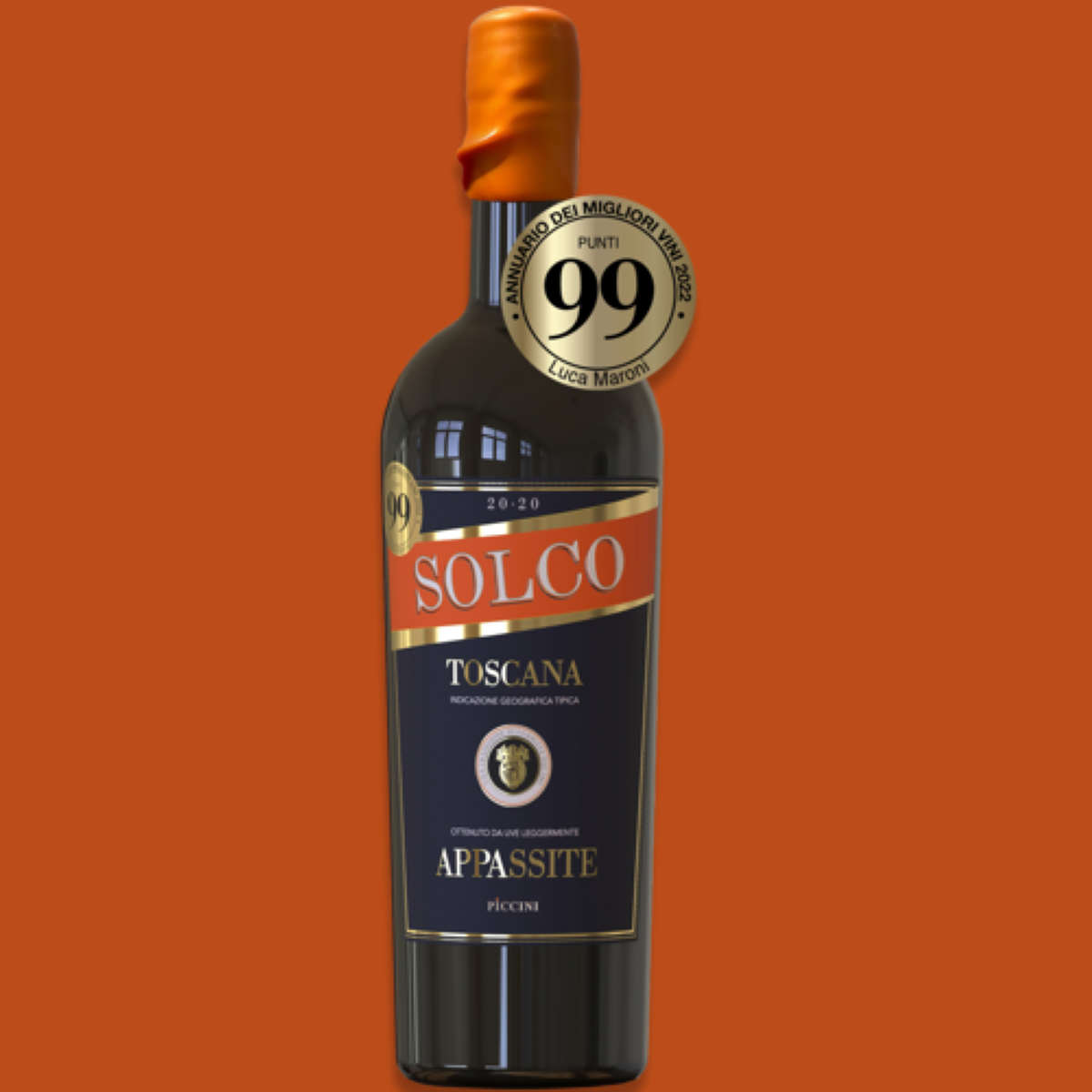
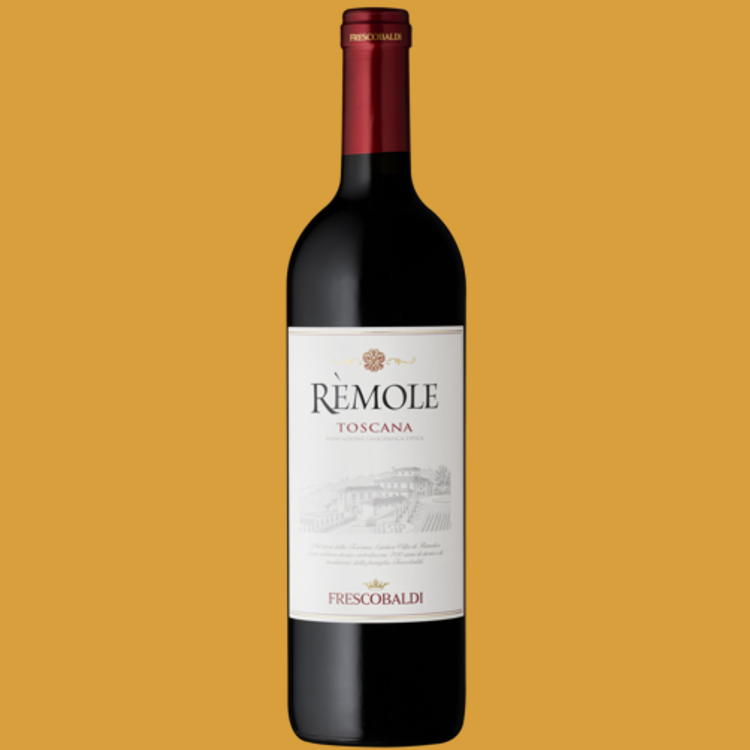
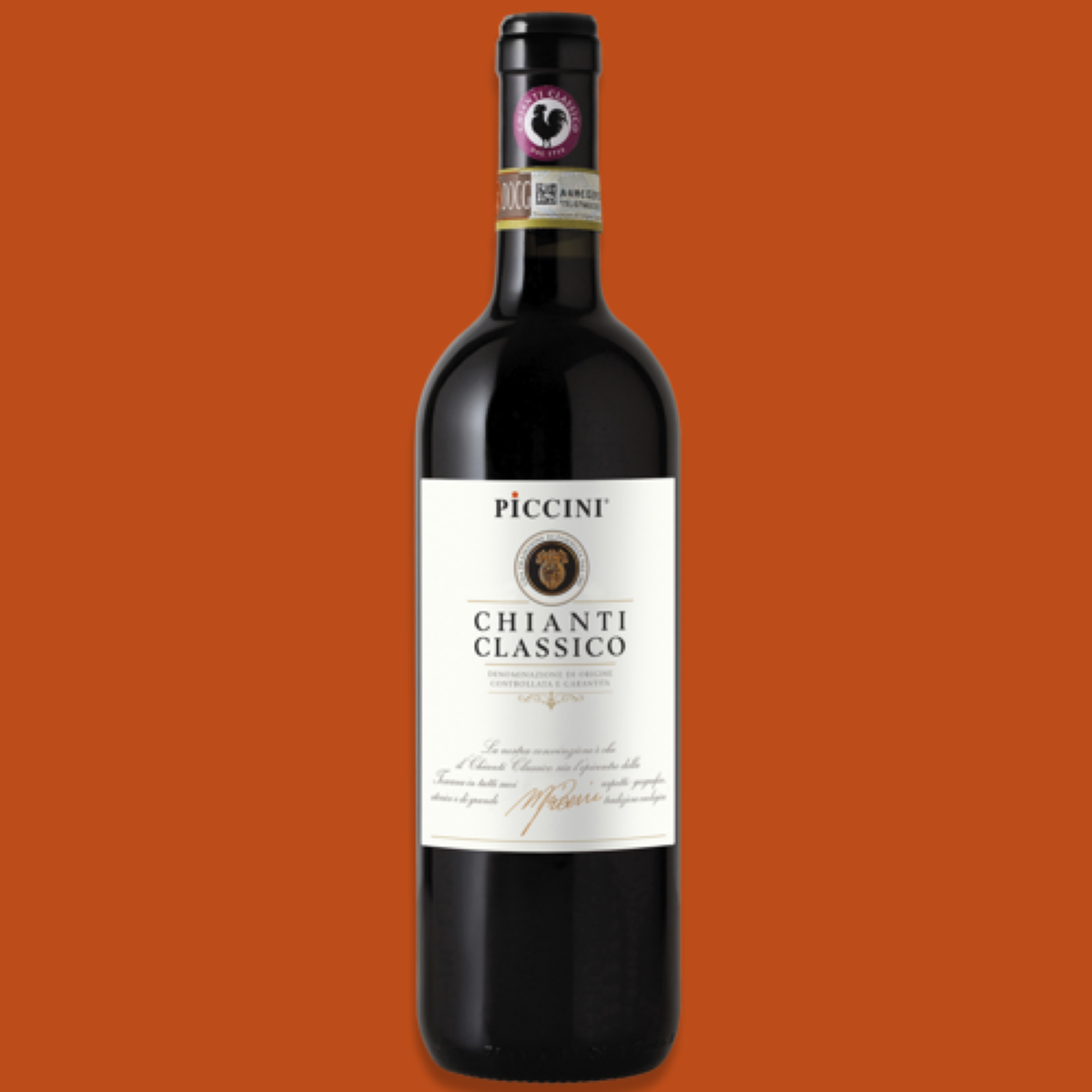
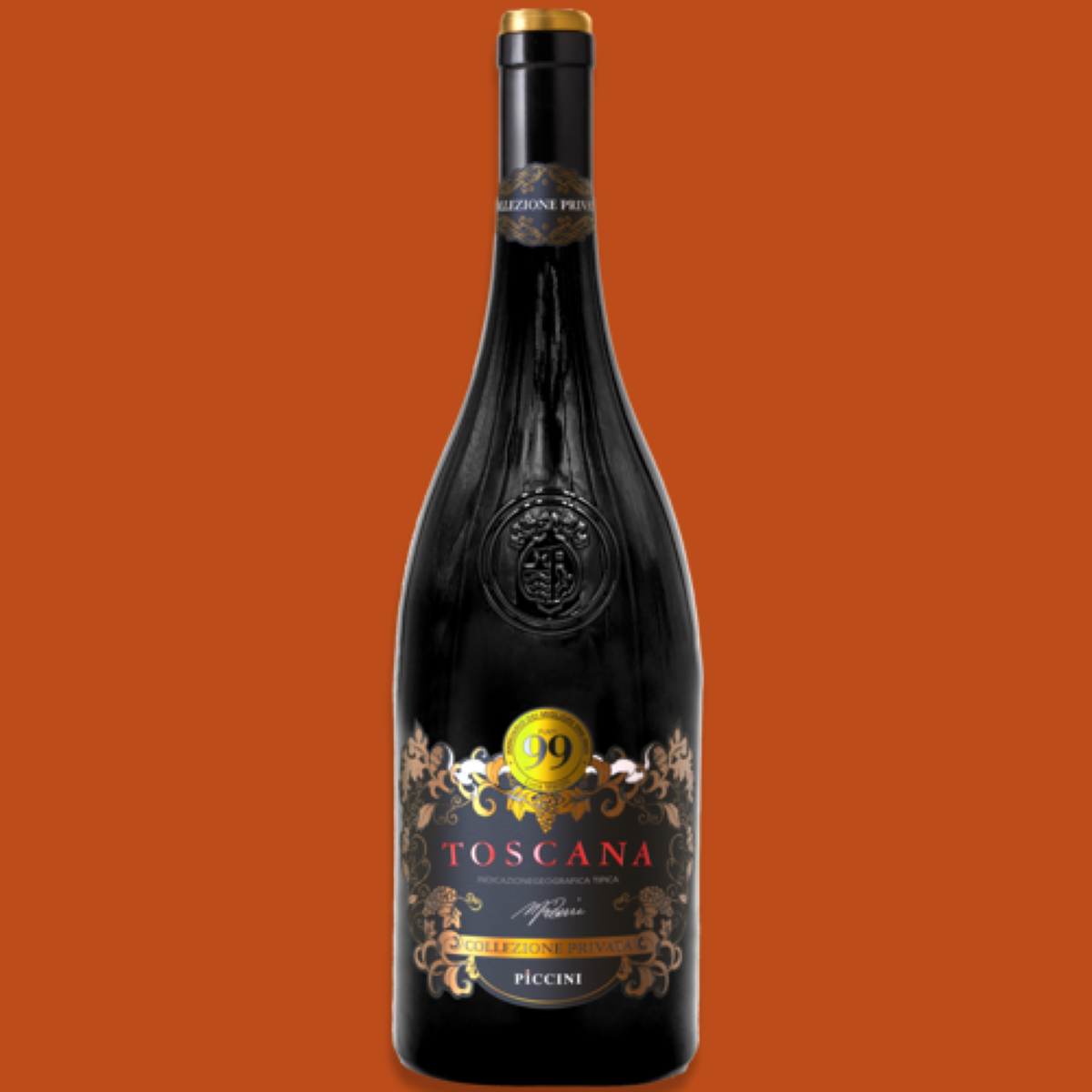
Piccini Chianti Classico
Prices as of November 21, 2026, as provided by Gall & Gall. You can check the current price and stock at Gall & Gall. Glazen.nl receives a small commission if you buy something through these links; it costs you nothing extra. No 18, no alcohol.