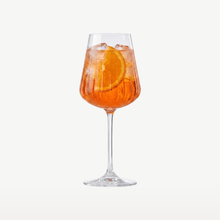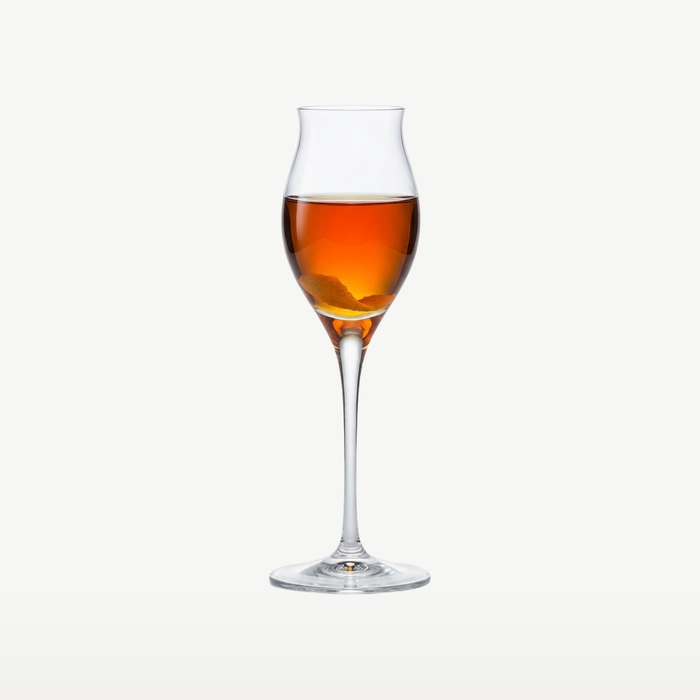
RCR Invino Liqueur Glass 10 Cl - 6 Pieces
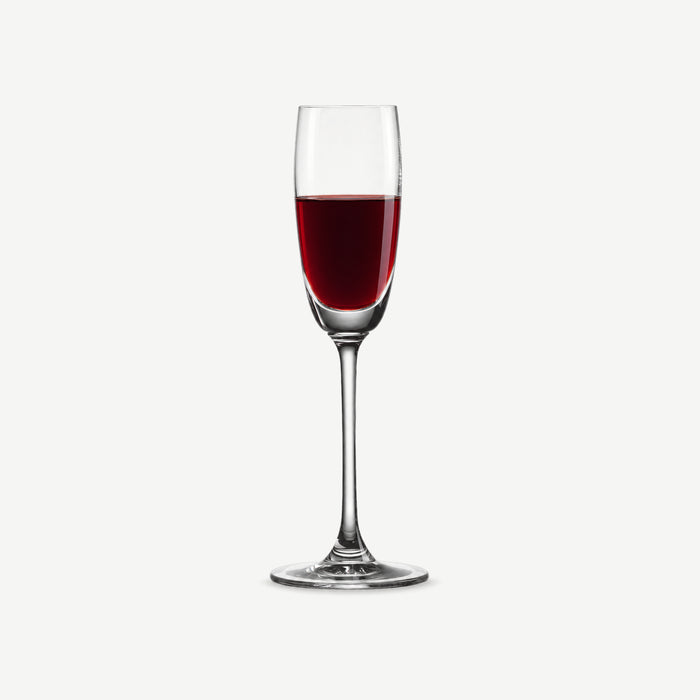
Nude Glass Pure Grappa Glass 8 Cl - 6 Pieces
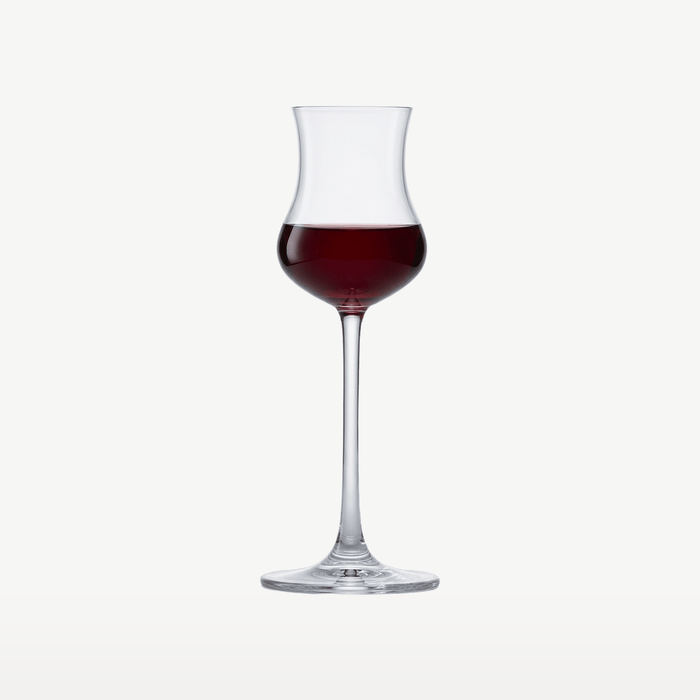
Nude Glass Vintage Port Glass / Grappa Glass 8.8 Cl - 2 Pieces
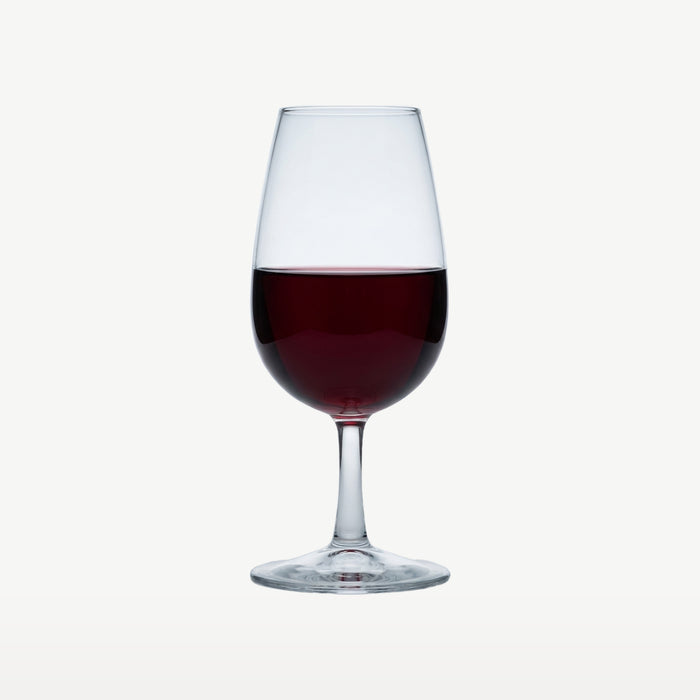
Pasabahce Tasting Glass/Port Glass 20 Cl - 12 Pieces

How to pour
a dessert wine in
Put the bottle in the fridge for two hours. The ideal temperature depends on the style: serve a light, slightly sparkling sweet wine at around 6 degrees, and a full-bodied botrytized or fortified wine closer to 10. Too cold mutes the sweetness; too warm makes it syrupy.
Cut around the capsule below the ridge on the neck and wipe the rim clean. Center the corkscrew spiral on the cork and turn it straight down. Sweet wine in a small bottle often has a short cork, so don't screw in too far. If it has a screw cap, skip this step.
Pour 5 to 8 cl, no more. That's about a third of a small stemmed glass, and deliberately so: dessert wine is concentrated, and a full glass can quickly become too much of a good thing. The small pour leaves room above the wine for the aroma to gather.
Close the bottle again straight away and put it back in the fridge. Once opened, fortified wine will keep for weeks because the alcohol protects the wine. It's best to drink an unfortified dessert wine within a few days, as it loses its freshness more quickly without the alcohol.
What did you think of this guide?
One click on a star is all it takes. If you want to add a comment, we'll review it before it appears here.
Save this page
Send this page to your own email so you have the explanation handy when it's time to pour. You'll also get a € 5 discount code on purchases of € 50 or more, for the glasses that go with it.
The story
Sweet wine is made by leaving sugar in the wine after fermentation. This can be done in five ways. The botrytis fungus dries the berries on the vine, leaving behind concentrated juice. Grapes can also dry without fungus, on the vine or on racks, as with passito and straw wine. For ice wine, the grapes are harvested and pressed while frozen, leaving the ice behind. For fortified wine, alcohol is added during fermentation, stopping the yeast and leaving the remaining sugar in the wine. And the cheapest option is simply to add grape juice to a dry wine.
The right glass
Dessert wine is served in a small stemmed glass of roughly 14 to 23 cl, where a 5 to 8 cl pour still sits well below the rim. That empty space above the wine is exactly where the aroma gathers, and the stem keeps your hand away from the bowl so the wine stays cold. There isn't a separate collection of dessert wine glasses here; the small bowls are listed with the port glasses and liqueur glasses. Our choice 02 is the only glass in the selection actually sold as a dessert wine glass; choice 01 is the same size for less.

Pasabahce Tasting/Port Glass 20 cl (12 pieces)

Schott Zwiesel Air Dessert Wine Glass 20 cl (6 pieces)
Both sets together € 131,05.
The right tools
For a dessert wine, besides the glass, you mainly need a corkscrew and, since you only pour a small glass at a time, a wine stopper to reseal the bottle airtight. The bar tools below only come into play once the wine goes into an aperitif: a jigger to measure the small amount precisely and a bar spoon to stir. These are the bar tools we use ourselves; you can find them all in our bar tools & cocktail sets.


Glass set (our pick 01) + 2 bar tools together € 61,85.
What to serve alongside?
A bottle of dessert wine is rarely the only thing on the table. These are the wine styles served before and alongside it, from a glass of prosecco beforehand to the red wine with the main course. Each drink page tells you the alcohol percentage, what it tastes like, which cocktails it goes with, and which glass you need.


Variations & twists
Dessert wine includes styles that differ considerably. A light, slightly sparkling moscato is low in alcohol and best enjoyed young and chilled. A botrytis wine from Bordeaux or Hungary is full-bodied, golden in color, and can age for years. Passito and vin santo from Italy are made from dried grapes and taste of raisins and nuts. Ice wine is the most acidic and the most concentrated. And fortified wine, such as port and madeira, has the highest alcohol content and keeps the longest after opening. Want to read more? See all drinks and brands.
Serving tip
Follow one rule: the wine must be sweeter than the dessert. If you serve a sweet cake with a wine that’s less sweet, all you’ll taste in the wine is acidity. Always works: blue cheese, a piece of aged hard cheese, nuts, or fruit that hasn’t been sweetened. Pour small servings, and pour a second glass rather than one full glass.
Good to know
Noble rot, also known as botrytis
The fungus Botrytis cinerea can ruin a harvest, but under the right conditions it does something else. On humid mornings and dry afternoons, it punctures the skin and lets the moisture evaporate. What remains is concentrated juice with lots of sugar and acidity, plus a distinctive aroma often described as honey and saffron. Because the fungus doesn’t affect all the grapes at once, they’re picked by hand in several passes, which makes these wines expensive.
Drying grapes on the vine
Without mold, you can achieve the same thing by letting water evaporate from the grapes. This is done by laying the bunches on racks or mats after harvest, or by leaving them on the vine longer. The sugar and acidity remain in a smaller amount of juice. In Italy, this method is called passito and produces, among other wines, vin santo and sweet recioto; in France, straw wine is called vin de paille.
Harvesting while frozen
If healthy grapes are left hanging until it freezes hard, the water in the berries freezes but the sugar and acidity do not. When the berries are pressed while frozen, the ice stays behind in the press and only concentrated juice comes out. That’s ice wine, called Eiswein in Germany and Austria, and icewine in Canada. The risk is high: if frost doesn’t come, the harvest is lost.
Stopping fermentation with alcohol
To make fortified wine, neutral alcohol is added during fermentation. The yeast cannot tolerate it and stops working, leaving the sugar still in the juice at that point in the wine. Port and Madeira are made this way. The result is a wine that is both sweet and high in alcohol, and that keeps well for weeks after opening because the alcohol protects it.
Adding juice, the cheapest route
The simplest way to make a wine sweet is to add unfermented grape juice or must after fermentation is complete. It involves no harvest risk or extra labor, and that is reflected in the price. This is how inexpensive sweet wines on the shelf are made. They usually lack the concentration and acidity of the other four methods, so they taste more sugary than sweet.
Why acidity matters just as much as sugar
A wine with lots of sugar and little acidity feels sticky and becomes too much after half a glass. All four methods of removing water from grapes concentrate not only the sugar but also the acidity, and that acidity cuts through the sweetness. That’s why a good dessert wine still feels fresh, no matter how sweet it is. Alcohol levels vary widely, from roughly 5 percent in a light moscato to around 20 percent in a fortified wine.
Frequently asked questions
How cold should you serve dessert wine?
Between 6 and 10 degrees, depending on the style. Pour a light, slightly sparkling sweet wine at the cooler end, and a full-bodied botrytized wine or fortified wine at the warmer end of that range. Two hours in the refrigerator brings a bottle to about that temperature. If served too cold, its aroma disappears and you mostly taste acidity.
How much dessert wine do you pour?
Five to eight centiliters, about a third of a small stemmed glass. That's deliberately little: the wine is concentrated and sweet, and a full glass quickly becomes too much. Pouring a small amount leaves space above the wine for the aromas to gather and keeps the last sip in the glass cool.
What glass do you use for dessert wine?
A small stemmed glass holding roughly 14 to 23 cl, with a bowl that narrows slightly toward the top. A large wine glass won't work: a 6 cl pour sits like a thin layer at the bottom, and the aroma disperses. A stemless glass won't work either, because your hand will warm the wine.
What should you eat with dessert wine?
The rule of thumb is that the wine should be sweeter than the dessert; otherwise, it will taste only sour. That's why blue cheese, aged hard cheese, nuts, and unsweetened fruit often work better than a sweet dessert. Blue cheese is the classic pairing for a botrytised wine, while a piece of chocolate or a handful of walnuts goes well with a fortified wine.
Also delicious
Buy dessert wine
Want the bottle delivered straight to your home? Order dessert wine online from Gall & Gall. Gall & Gall has 24.
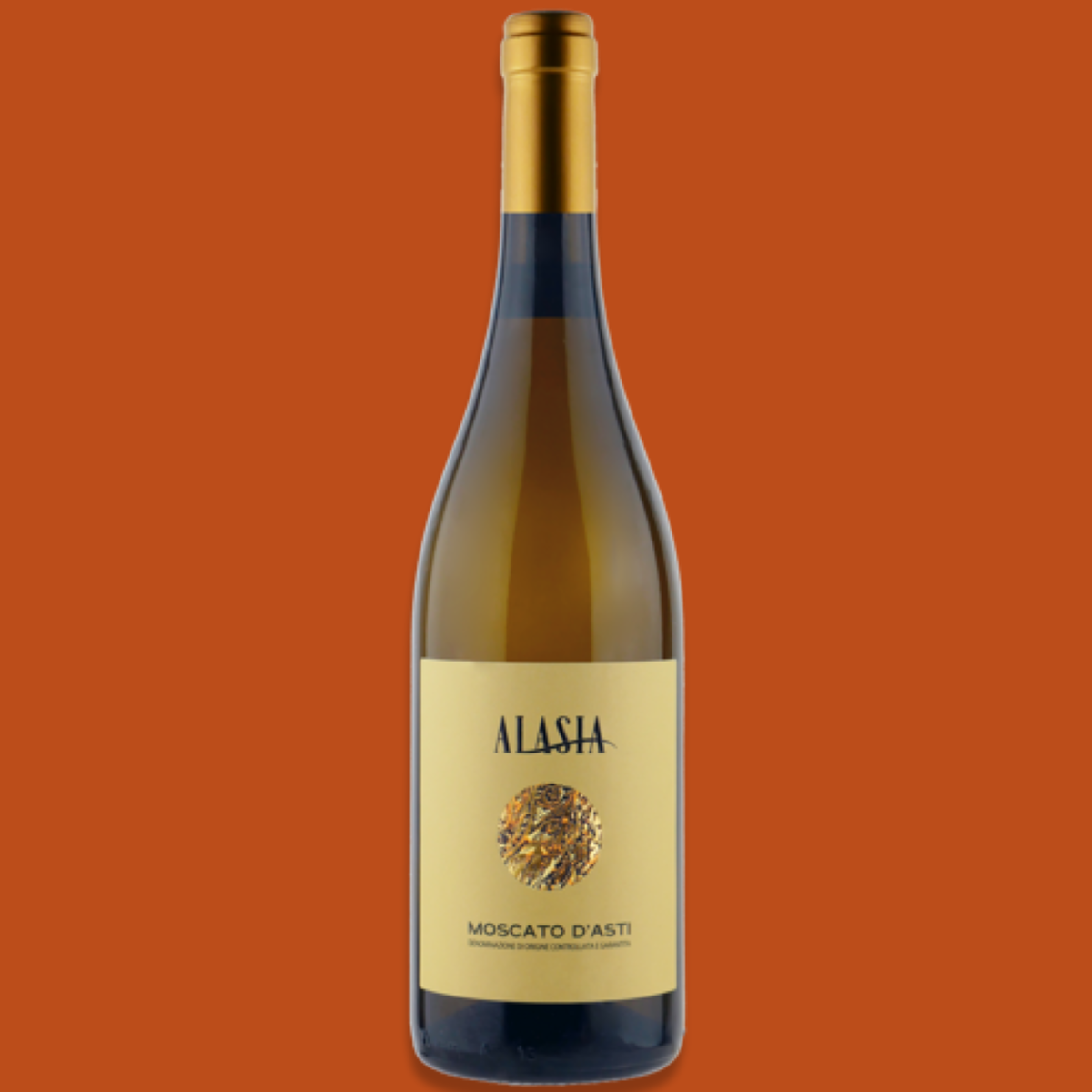
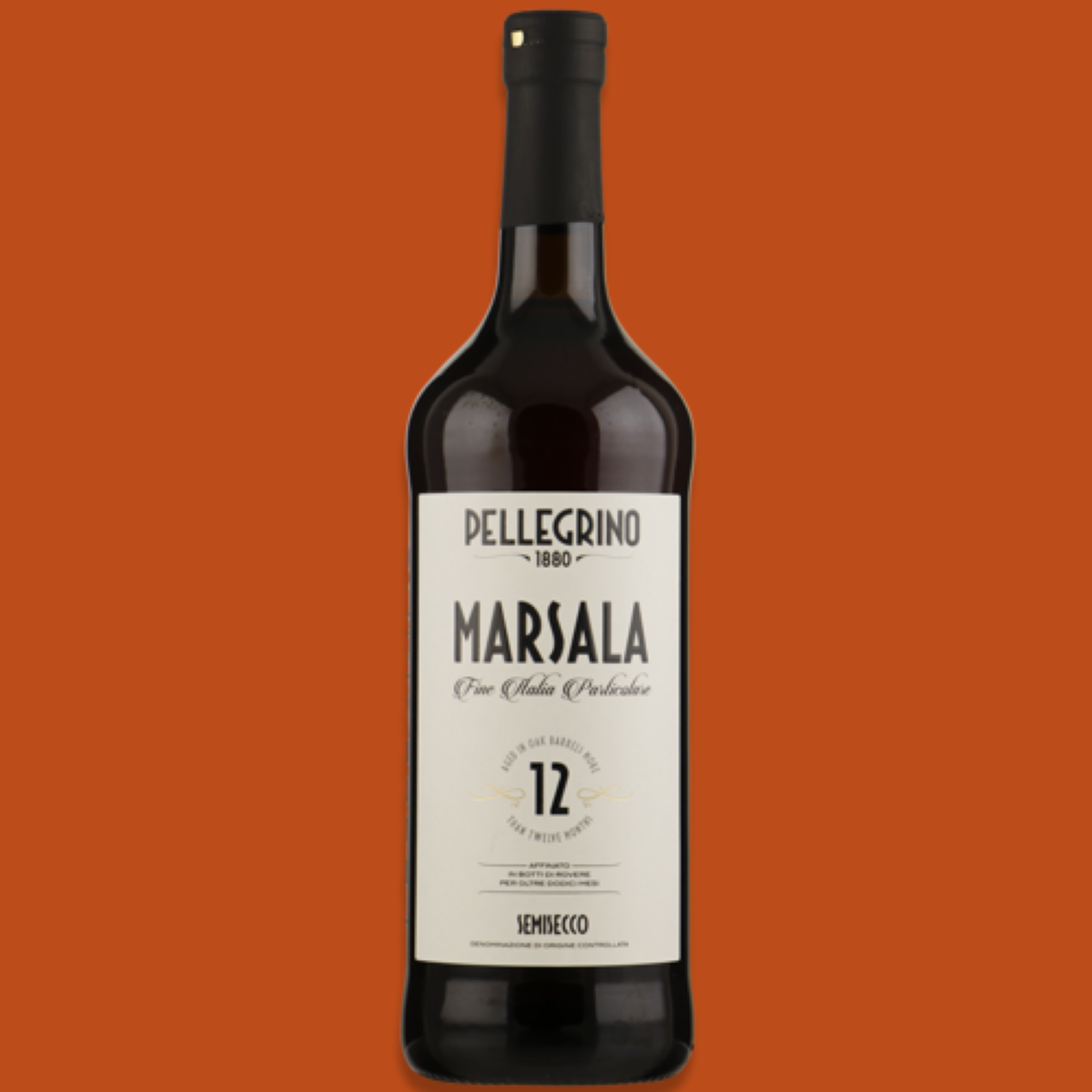
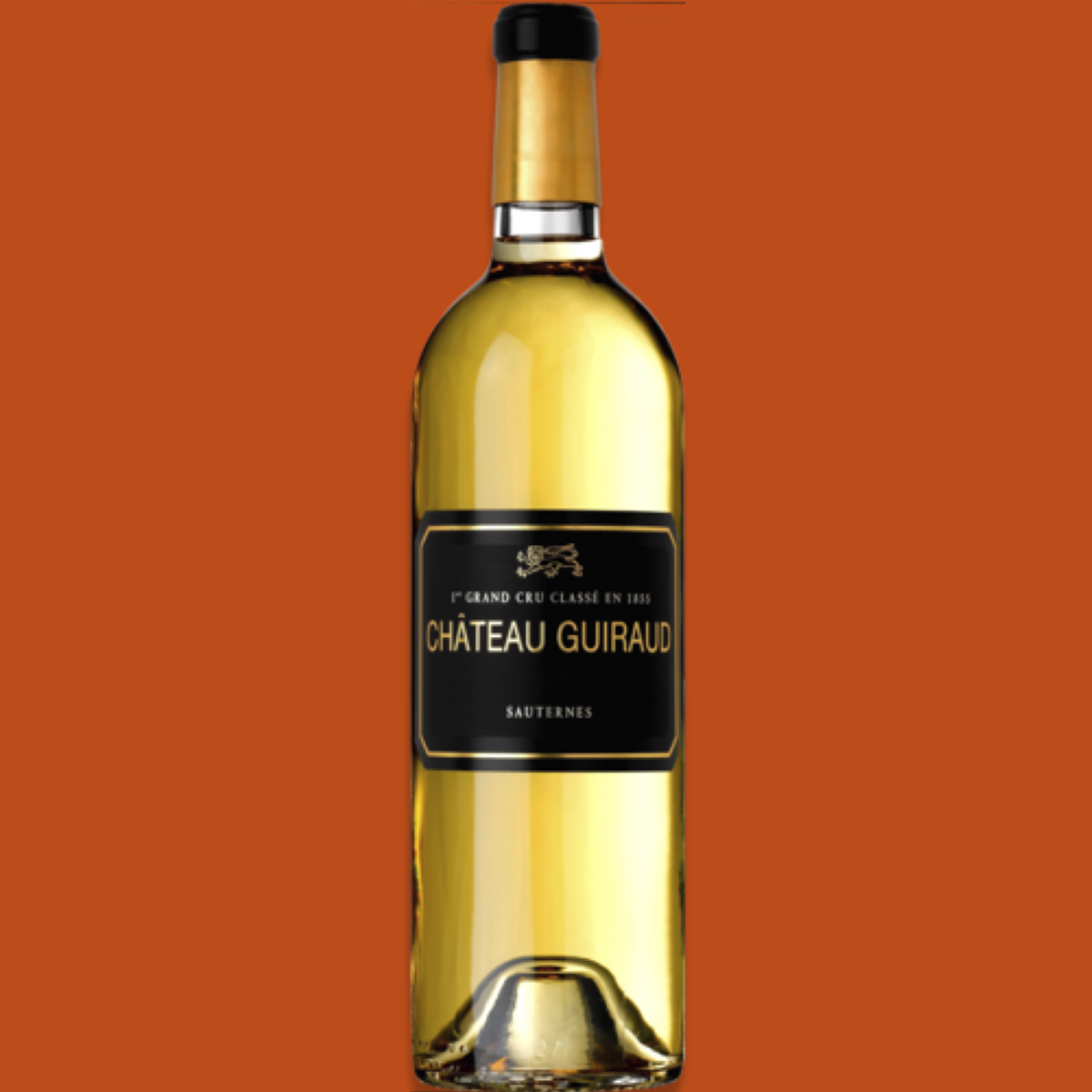
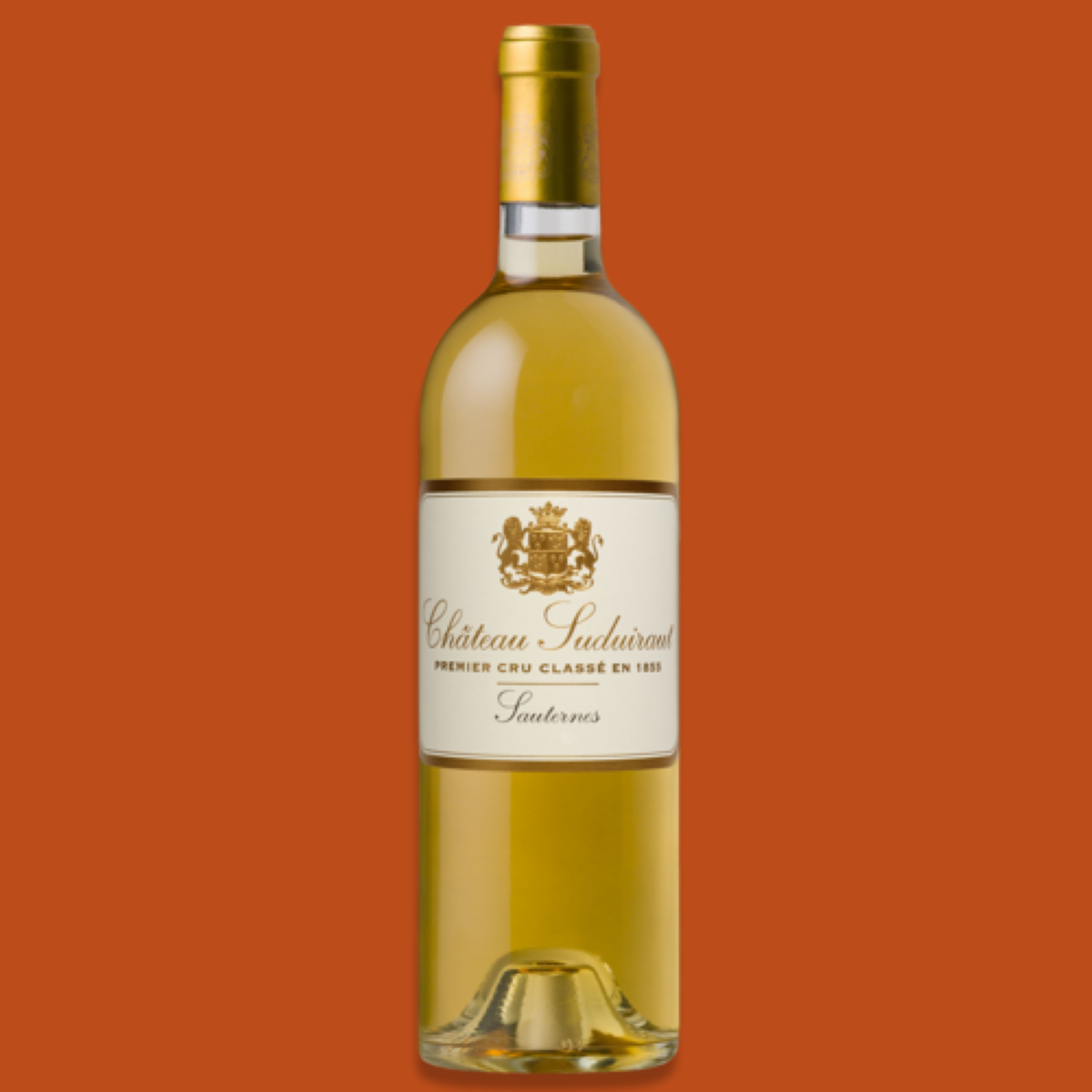
Château Suduiraut Sauternes
Prices as of November 21, 2026, as reported by Gall & Gall. Check the current price and availability at Gall & Gall. Glazen.nl receives a small commission if you buy something through these links; you pay nothing extra. No one under 18, no alcohol.
Everything for your bar,
to one address
Food-service-quality glasses, delivered in sets. Order today, delivered fast.
Shop glasses →