Antinori
Antinori is one of the oldest wine families in the world and the name behind Tignanello and Solaia, two of the best-known Super Tuscans. The family makes wine in Tuscany and Umbria, from Chianti Classico to brunello and white wine from Orvieto. Here you can read about who they are, which bottles you can buy and what to eat with them.


A Florentine family with six hundred years of winemaking
The Antinori family is from Florence and has been in the wine business since 1385. That year, Giovanni di Piero Antinori became a member of the Florentine guild of wine merchants. The business has remained in the same family ever since. The name appears on the label as Marchesi Antinori.
Antinori became famous in the 1970s with Tignanello. It was one of the first Tuscan red wines to blend sangiovese with cabernet sauvignon and age it in small oak barrels. Because this fell outside the rules for Chianti, it was sold as a simple table wine. That’s how the term Super Tuscan came about. Solaia, from the vineyard next to Tignanello, focuses on cabernet sauvignon. The family also owns estates throughout Tuscany: Pian delle Vigne in Montalcino, La Braccesca near Montepulciano, Guado al Tasso in Bolgheri and Pèppoli in Chianti Classico. In Umbria, near Orvieto, lies Castello della Sala, where the white wines come from.
In brief
Seven bottles, from Chianti Classico to Solaia
From a Chianti Classico for everyday drinking to two of Italy’s most famous wines. At the bottom are two white wines, from Bolgheri and Umbria.

Pèppoli Chianti Classico
Sangiovese with a little Merlot and Syrah, from the Pèppoli estate. Cherries and blueberries, with a soft touch of vanilla.

Villa Antinori Chianti Classico Riserva
A textbook example of Chianti Classico: mostly Sangiovese with a little Merlot. Fresh acidity, cherry fruit and some spice from the oak.

Brunello di Montalcino Pian delle Vigne
One hundred percent Sangiovese from Montalcino, oak-aged for two years. Cherries, raspberries and ripe plums, with notes of leather and tobacco.
Tignanello
The wine that started the Super Tuscans: Sangiovese with Cabernet Sauvignon and Cabernet Franc. Complex and balanced, with red fruit, licorice and chocolate.

Solaia
Three-quarters Cabernet Sauvignon, complemented by Sangiovese and Cabernet Franc. One of Italy’s finest wines, made to age.

Guado al Tasso Vermentino
One hundred percent Vermentino from the Tuscan coast. Herbaceous, with lemon, apricot and yellow peach.

Cervaro della Sala
Chardonnay with a little Grechetto, from Castello della Sala. The Chardonnay is oak-aged, bringing notes of butter and vanilla; the Grechetto adds freshness.
What’s the difference between Chianti, Brunello and a Super Tuscan? Find out on our page about Tuscan wine.
Cherries, herbs and fresh acidity
Cherries & herbs
Red and black cherries, violets and dried herbs from the Sangiovese. The Super Tuscans also bring blackcurrant and cedar from the Cabernet, and vanilla and spices from the oak.
Fresh and full-bodied
Antinori wines are full-bodied but rarely heavy. Sangiovese brings fresh acidity and dry tannins. Tignanello and Solaia are fuller and rounder, especially after a few years.
Dry and long
A dry finish with cherries and a slight bitterness that calls for food. The flavor of the top wines lingers.
Flavor profile of a Chianti Classico Riserva such as Villa Antinori. Solaia and Tignanello rate higher in intensity; the white wines lower in intensity and equally high in freshness.
How to serve Antinori
Red just below room temperature, white chilled. A young Tignanello, Solaia or Brunello needs to breathe first.
Red at 16 to 18 degrees
Serve Pèppoli or Villa Antinori at around 16 degrees; this keeps it fresh and juicy. Brunello, Tignanello or Solaia can be closer to 18 degrees. Serving wine too warm makes it heavy, so put the bottle in the fridge for a bit if it's in a warm room.
More about wine temperature →Let the top wines breathe
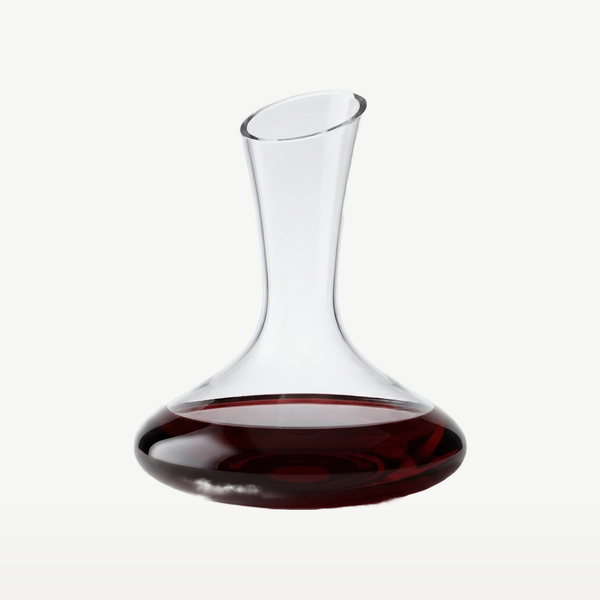
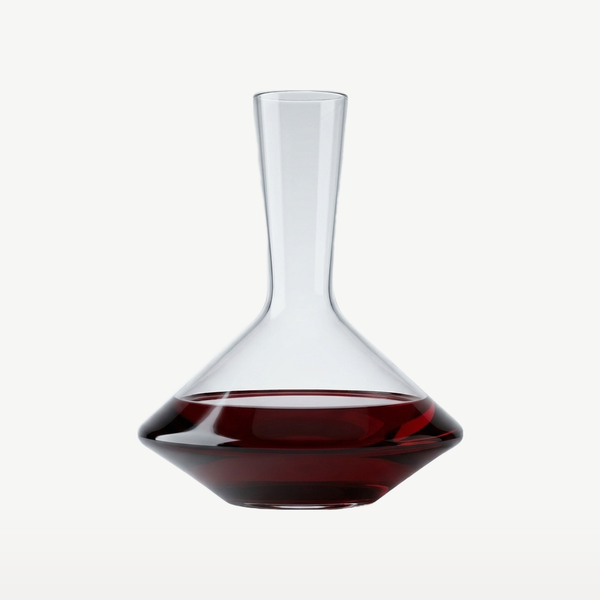
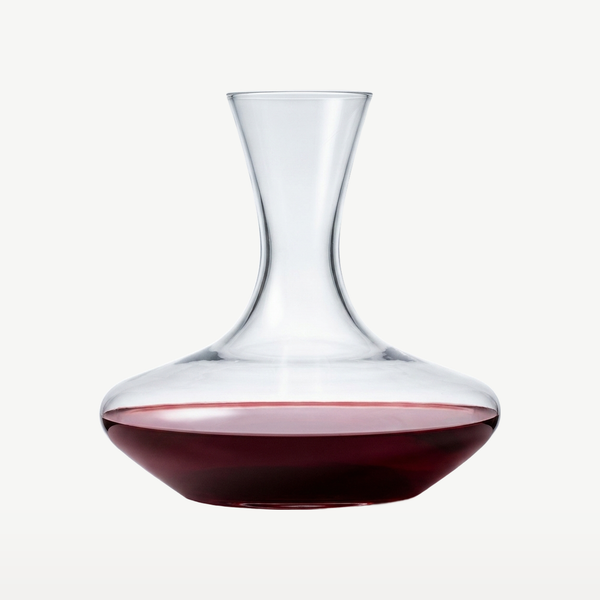
Tignanello, Solaia and Brunello are often still closed when young. Pour them into a decanter and wait half an hour to an hour. If an older bottle has sediment, stand it upright a day in advance.
Decanters →White and rosé chilled
Serve Vermentino, Orvieto and rosato at 8 to 10 degrees. Cervaro della Sala and other oak-aged chardonnay can be a little warmer, around 12 degrees, to bring out their rich flavor.
More about decanting →Antinori at the table
Antinori makes Italian wine, which means wine to enjoy with food. Sangiovese's fresh acidity pairs well with tomato, olive oil and meat.
Pasta and tomato
Pasta with tomato sauce or ragù, lasagna, pizza and cured meats. A piece of Parmesan or pecorino completes the meal.
Beef stew and game
Beef stew, game stew, grilled steak or a dish with mushrooms. Aged hard cheese is also a good match.
Lamb and red meat
Rack of lamb, ossobuco or a rich risotto with truffle. Choose a simple dish, so the wine has room to shine.
Fish and shellfish
Vermentino with spaghetti alle vongole and grilled fish, Orvieto with chicken pasta, Cervaro with lobster or veal. The rosato is delicious with appetizers.
The right glass for Antinori
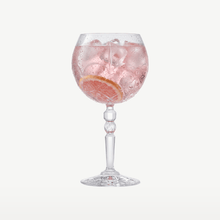
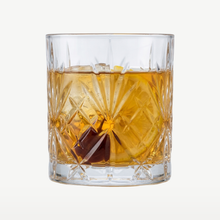
Pour Antinori's red wines into a spacious red wine glass, so the aromas of cherries and herbs can develop. For Brunello, Tignanello and Solaia, choose a tall, large bowl; for white and rosé, a smaller glass. These are the glasses we recommend ourselves.


Everything you wanted to know about Antinori
Didn't find your question? Read more about wine and food, or get in touch.
To wine and food pairing →What is Antinori?
What is Tignanello?
What is the difference between Tignanello and Solaia?
How much alcohol is in Antinori wine?
Which glass should you use for Antinori?
What should you eat with Antinori Chianti Classico?
Buy Antinori
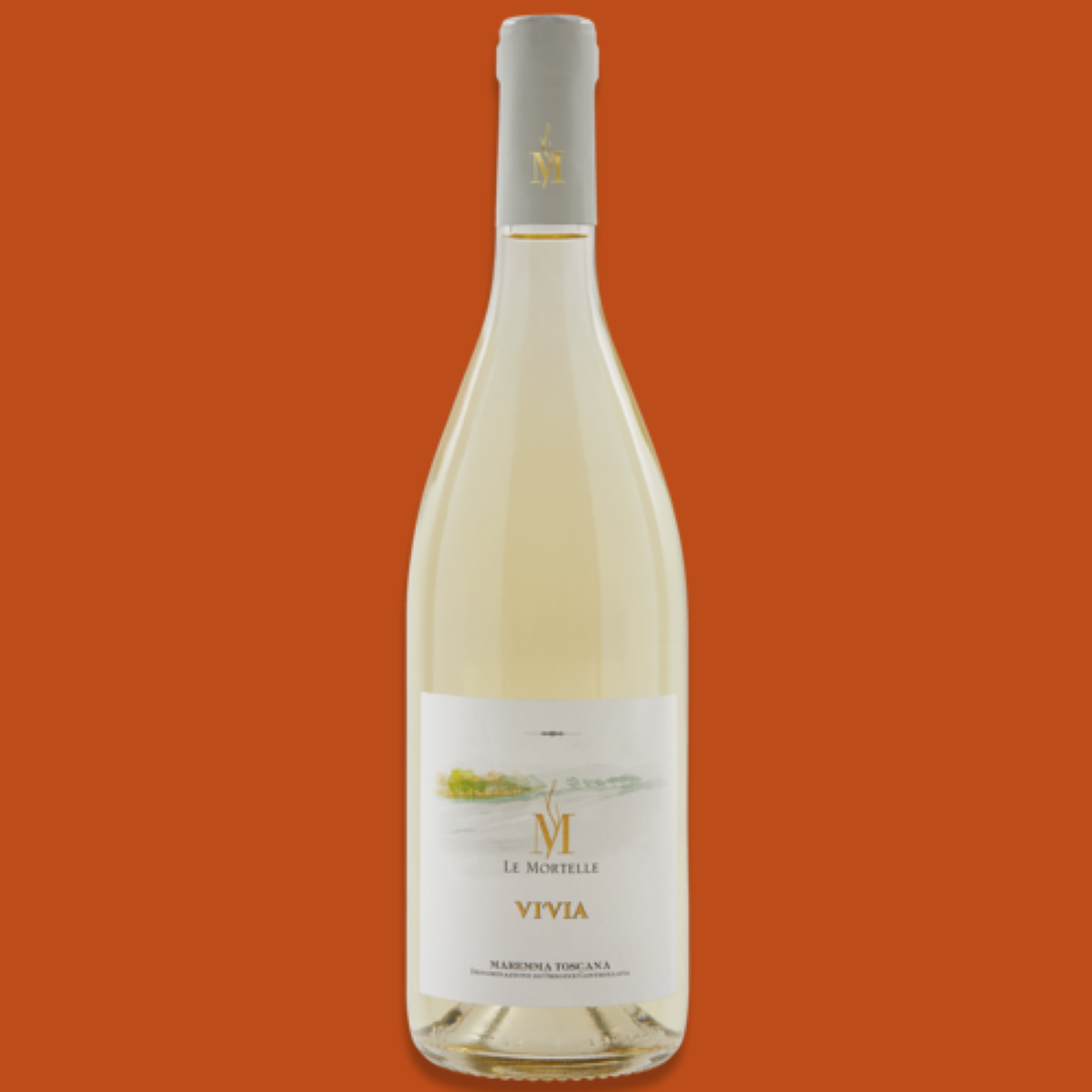
Want the bottle delivered straight to your door? Order Antinori online from Gall & Gall. Gall & Gall has 19.
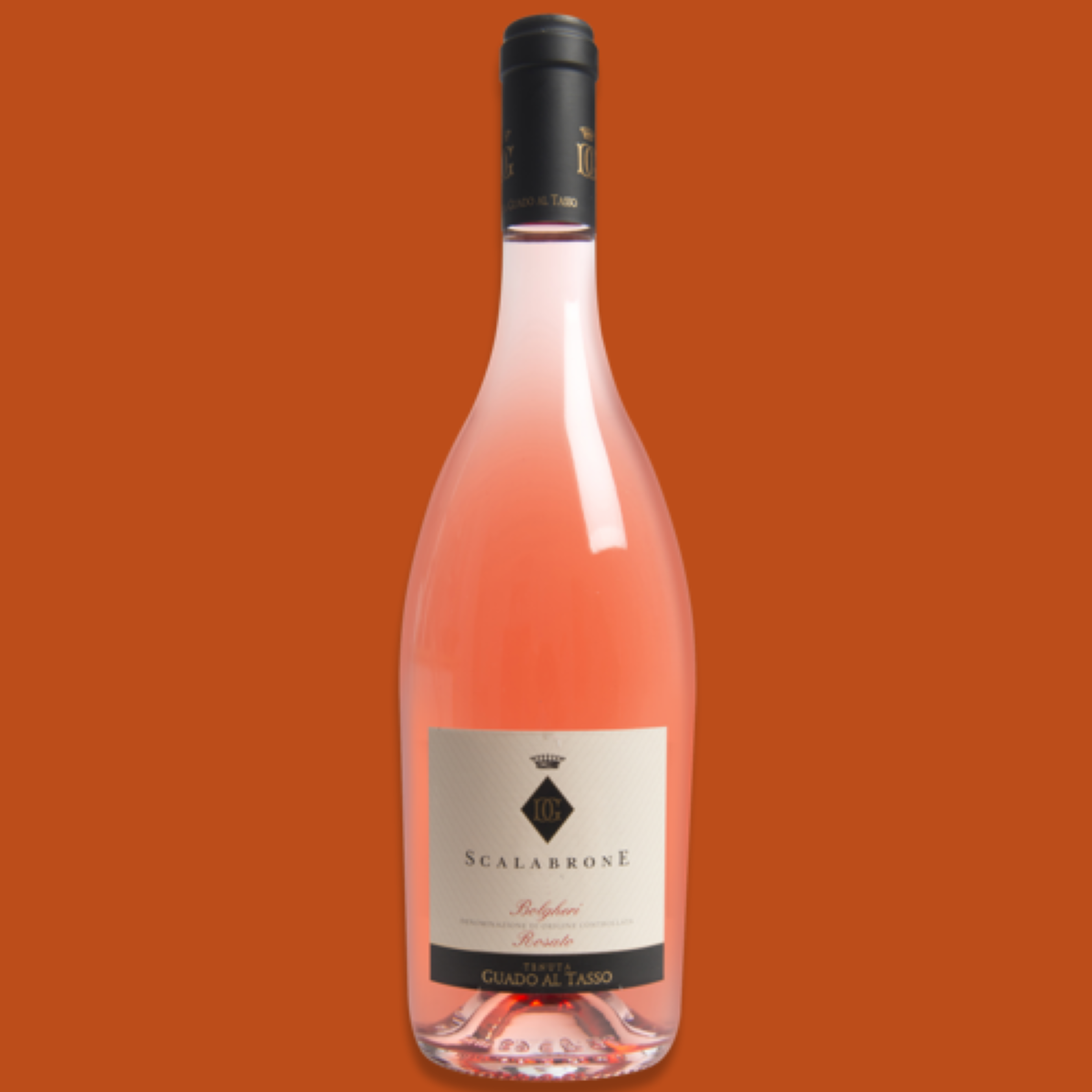
Antinori Scalabrone Bolgheri Rosato Guado al Tasso
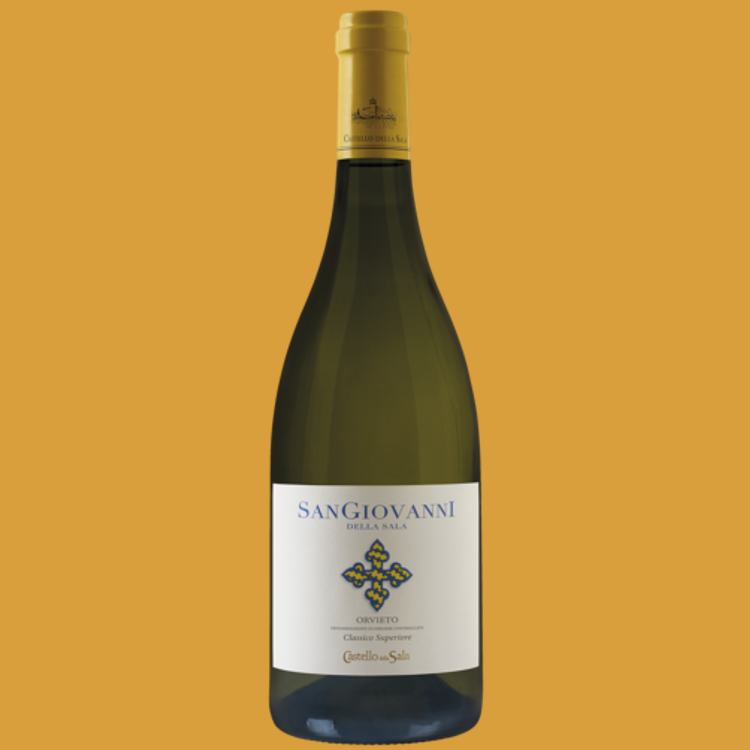
Antinori San Giovanni della Sala Orvieto
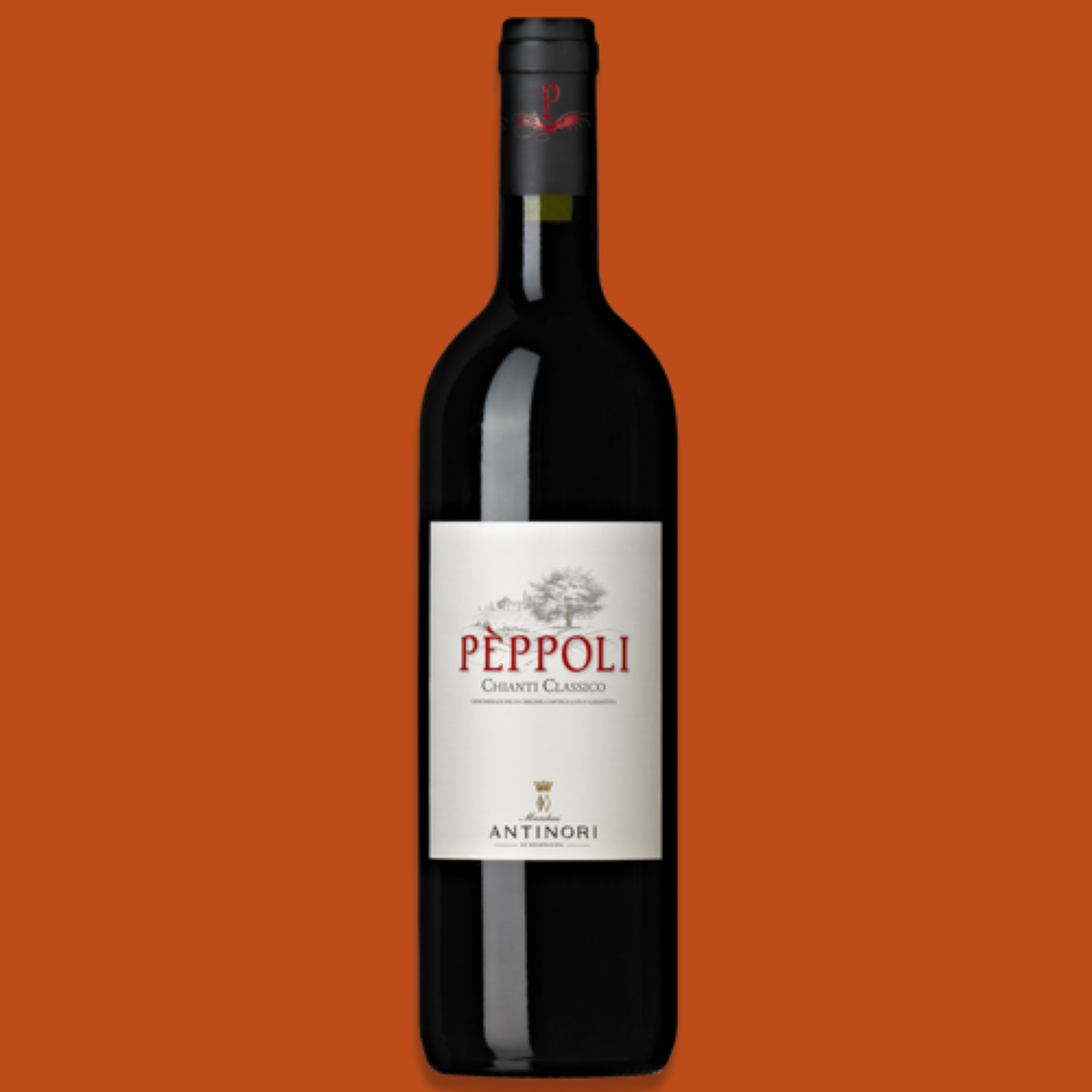
Antinori Pèppoli Chianti Classico
Prices as of November 21, 2026, as reported by Gall & Gall. You can see the current price and stock at Gall & Gall. Glazen.nl receives a small commission if you buy something through these links; you pay nothing extra. No 18, no alcohol.