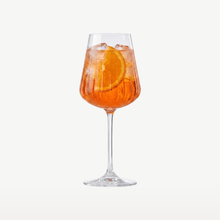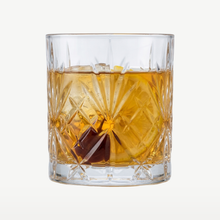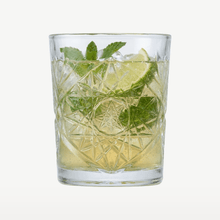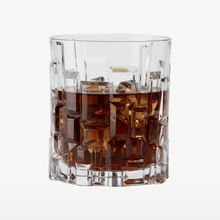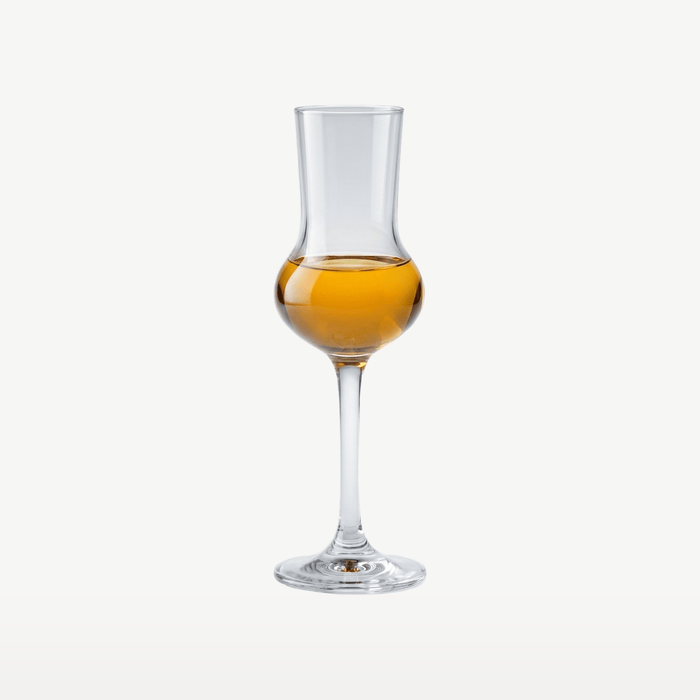
Bormioli Rocco Restaurant Liqueur Glass 8,1 Cl Grappa - 3 Pieces
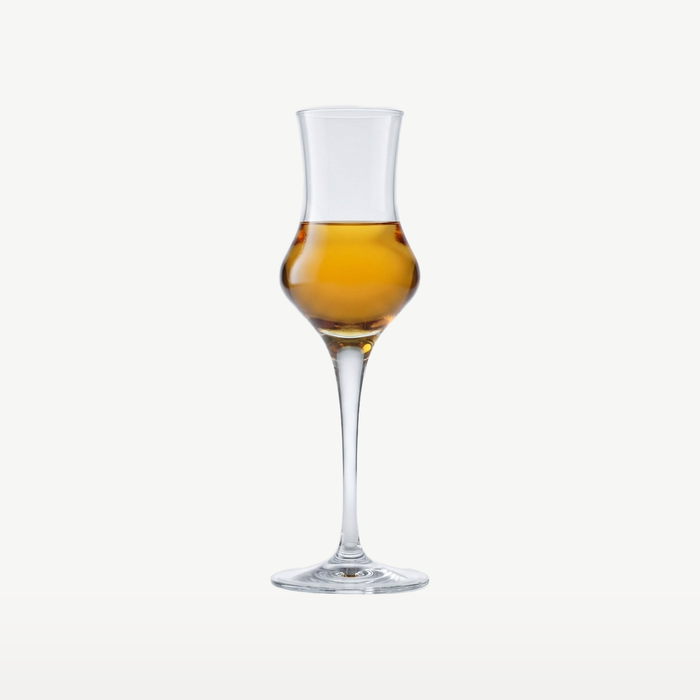
Chef & Sommelier Spirits Grappa Liqueur Glass 10 Cl - 6 Pieces
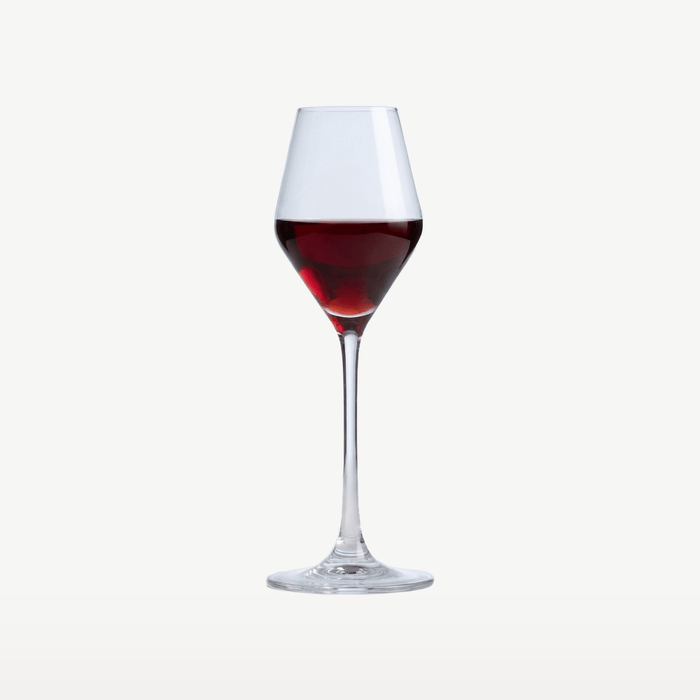
Royal Leerdam Carre Sherry Glass 14 Cl - 6 Pieces
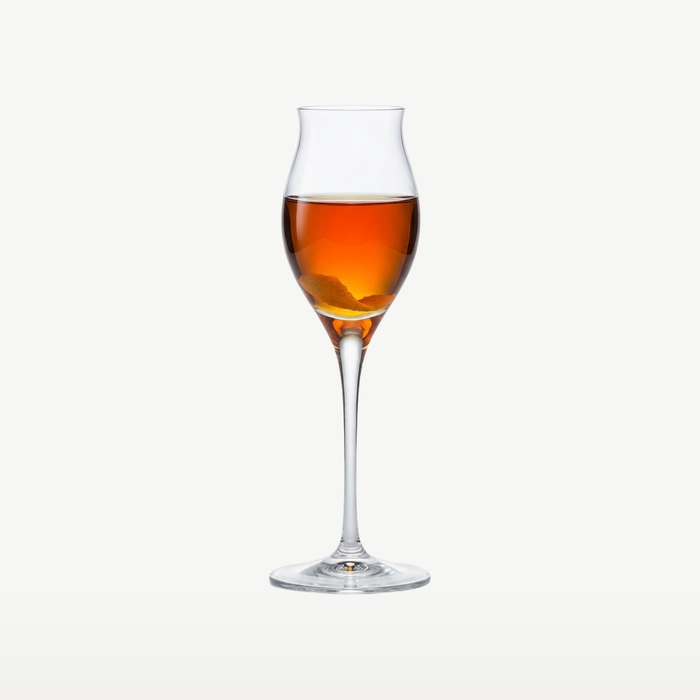
RCR Invino Liqueur Glass 10 Cl - 6 Pieces

How to pour
a sake in
Put the bottle in the refrigerator for a few hours, until it reaches somewhere between 6 and 10 degrees. When chilled, the aromas of melon, pear, and rice come together, and the alcohol tastes less sharp. The freezer is too cold. It flattens everything, and the aroma is exactly why you buy a bottle like this.
Pour the sake into a carafe or directly from the bottle. Fill the cup or glass about two-thirds full. That leaves some room above the drink, where you can smell its aroma before taking a sip. Pour a little at a time, as the sake warms quickly in such a small cup.
At a Japanese table, you don’t pour for yourself. You fill your neighbor’s cup, and he fills yours. Hold the carafe with both hands and lift your cup from the table when someone pours for you. Think of it as a custom, not a rule you’ll be judged by.
Close the bottle again right away and put it back in the fridge. Sake contains no sulfites, so exposure to air quickly affects it. Once opened, it keeps its aroma for about a week; after that, it becomes dull and flat. It’s better to get a small bottle you’ll finish than a large one that stays half full.
What did you think of this guide?
Just click a star once. If you’d like to add a comment, we’ll review it before it appears here.
Save this page
Send this page to your own email so you’ll have the explanation handy when you’re ready to pour. You’ll also get a € 5 discount code on orders over € 50, for the matching glasses.
The story
Sake is brewed like beer, but with an extra step. Rice contains starch, not sugar, so the starch first needs to be converted. That’s where koji comes in: a mold that grows on steamed rice and releases enzymes into it. These enzymes produce sugar, and the yeast, added at the same time, turns that sugar into alcohol. Conversion and fermentation happen simultaneously in the same vat. That’s how you get 14 to 17 percent alcohol without distilling. Nothing goes into it besides water, rice, koji, and yeast.
The right glass
In Japan, sake is poured from a tokkuri, a narrow carafe, into an ochoko, a small straight-sided cup. At parties, a masu, a square wooden box, is also used. We don’t carry any of those three. The closest thing we have is a small glass holding 6 to 10 cl. A stemmed glass with a slightly narrower opening from the liqueur glasses range best preserves the aroma. A straight-sided shot glass is most similar in shape to an ochoko. If you’re looking for something to use instead of a tokkuri, browse the carafes.

RCR Invino Liqueur Glass 10 cl (6 pieces)

Pasabahce Timeless Shot Glass 6 cl (12 pieces)
Both sets together € 67,90.
The right tools
You don’t need any bar tools alongside the glass when serving a cup of sake: open the bottle and fill the cup. The tools below come into play only when you use sake in a cocktail, since then you’ll want to measure and stir it cold: a jigger for measuring and a mixing glass for stirring. These are the bar tools we use ourselves; find everything in our bar tools & cocktail sets.


Glass set (our pick 01) + 2 bar tools together € 62,85.
What to serve alongside it?
Sake doesn’t have its own page in our drinks list yet. In terms of alcohol content and serving size, wine is the closest match, so these are the pages that belong alongside it. Japanese whisky is also the usual next choice with a Japanese meal: Japanese whisky. On each drink page, you can read about the alcohol percentage, flavor, suitable cocktails, and the glass you’ll need.


Variations & twists
The label tells you the most. Junmai means it contains only rice, water, koji, and yeast. Honjozo has a small amount of distilled alcohol added, which makes the aroma lighter. Ginjo and daiginjo mean the rice has been polished more and the fermentation was slow and cool. These are the most aromatic and refined styles. Nigori is cloudy and unfiltered. It still contains rice lees, so it feels creamier and fuller. Gently shake the bottle before pouring. Want to read more? See all drinks and brands.
Serving tip
Serve ginjo or daiginjo chilled, between 6 and 10 degrees. Warm them up and they lose what you buy them for. It’s better to warm a simpler sake to body temperature, such as a robust junmai. It makes it rounder and fuller. Place the carafe in hot water, not on the stove, so it warms evenly.
Good to know
Making sake, from rice to bottle
The rice is polished, washed, soaked, and steamed. Some of it goes to the koji room. There, koji mold grows on the rice and releases enzymes. Then rice, koji, water, and yeast are combined in the tank. The enzymes turn the starch into sugar, and the yeast turns that into alcohol, both at the same time. The mash is then pressed, usually filtered, and often heated briefly before being bottled.
What koji does
Nothing happens without koji. Without the mold, no sugar is produced from the rice, and without sugar, the yeast has nothing to do. The koji room is warm and humid. The work is done by hand because the mold needs to grow evenly throughout the rice grains. How the koji is made largely determines how the sake will smell and taste.
Junmai, honjozo, ginjo, and daiginjo
Two things determine the grade: how much the rice has been polished, and whether distilled alcohol has been added. Junmai is made purely from rice, water, koji, and yeast. Honjozo has a small amount of distilled alcohol added. This extracts aroma from the sake lees and makes it lighter. For ginjo and daiginjo, the rice is polished further and fermented slowly at a cool temperature, so they have a stronger aroma and are more refined. You can also combine the names. Junmai daiginjo exists too.
Nigori, the cloudy one
Nigori is coarsely filtered. Fine rice particles remain in the bottle, giving it a milky, cloudy appearance. It feels fuller than clear sake and is often sweeter. The sediment settles to the bottom, so gently tilt or shake the bottle before pouring. Drink it chilled, in the same small cup or glass.
Serving chilled or warming it up
Aromatic ginjo or daiginjo is best served chilled, between 6 and 10 degrees. Warming works better for simpler, fuller-bodied sake. It makes the flavor rounder and masks minor flaws. But boiling hot is too much; the aroma disappears. Warm it in a water bath, not directly on the stove.
How much alcohol it contains and how long it keeps
Usually between 14 and 17 percent, so comparable to wine and well below spirits. It contains no sulfites, which means an opened bottle deteriorates faster. In the refrigerator, it keeps its aroma for about a week. Store an unopened bottle in a cool, dark place. Simply keep aromatic styles in the refrigerator.
Frequently asked questions
What is sake?
A drink from Japan, made from rice, water, koji, and yeast. Koji is a mold that converts the starch in rice into sugar, and the yeast turns that into alcohol. Both processes happen at the same time in one tank. Sake is brewed, not distilled, and has an alcohol content of 14 to 17 percent.
Is sake a spirit or wine?
Neither. It isn't distilled, so it's not a spirit. It contains no fruit, so it's not wine either. At 14 to 17 percent alcohol, it's close to wine in strength, but the brewing process is more like beer. That's why in the Netherlands you'll often find it among specialty drinks rather than spirits.
Should you heat sake or drink it cold?
A good bottle is usually best served cold. Between 6 and 10 degrees, ginjo and daiginjo retain their aromas of melon, pear, and flowers. Heat simpler, heartier styles to about body temperature; it makes them rounder. Warm in a bain-marie, never directly over the heat.
How long does an opened bottle of sake keep?
About a week, if you seal it tightly and put it in the fridge. Since it contains no sulfites, air quickly takes its toll. After a week, it smells duller and tastes flatter. It won't become unsafe, just less enjoyable. If in doubt, choose a smaller bottle.
Also delicious
Buy sake
Want the bottle delivered straight to your door? Order sake online at Gall & Gall.
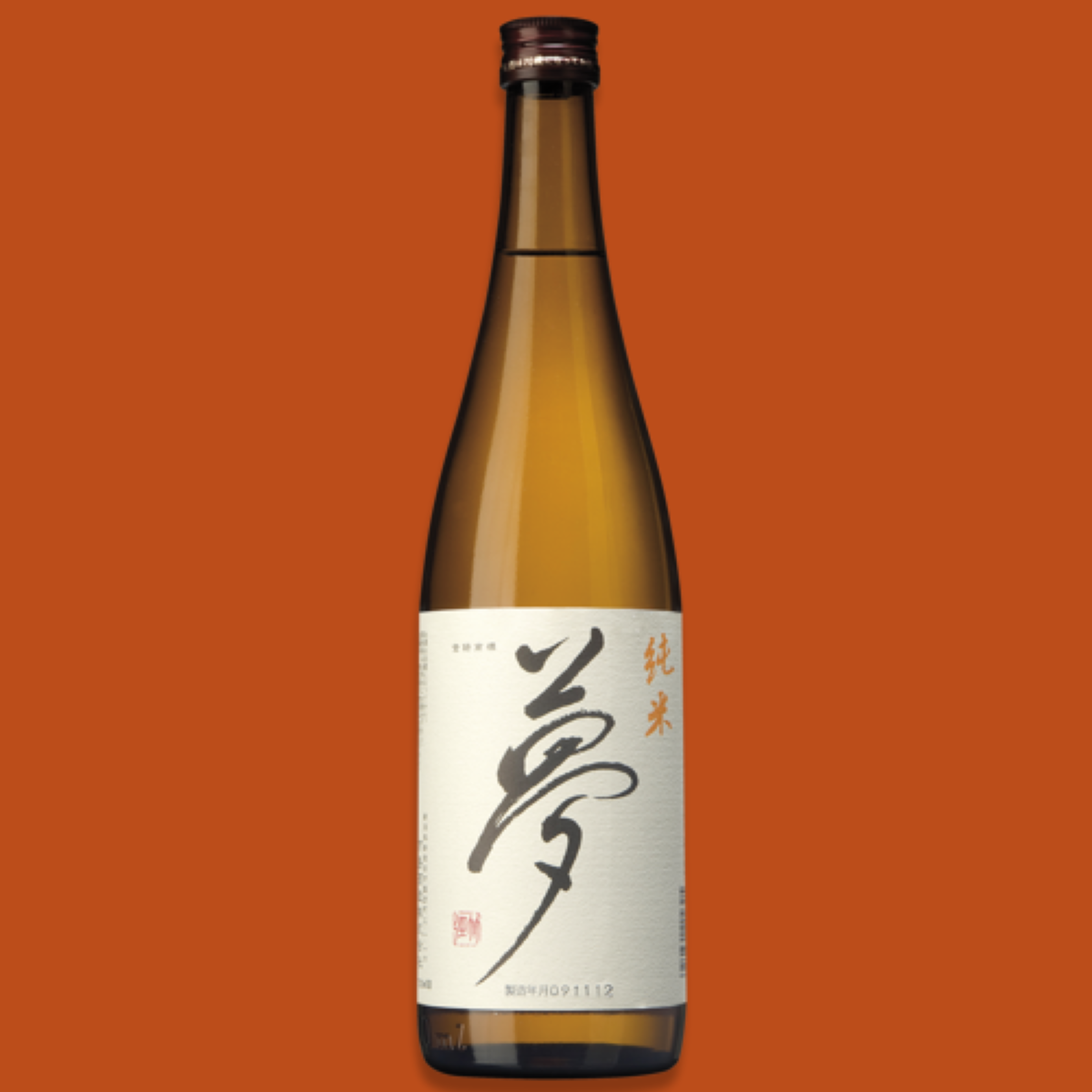
Prices as of November 21, 2026, as provided by Gall & Gall. Check the current price and stock at Gall & Gall. Glazen.nl receives a small commission if you buy something through these links; it costs you nothing extra. No one under 18; no alcohol.
Everything for your bar,
at one address
Hospitality-grade glasses, sold in sets. Order today, delivered fast.
Shop glasses →