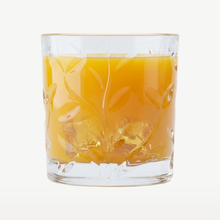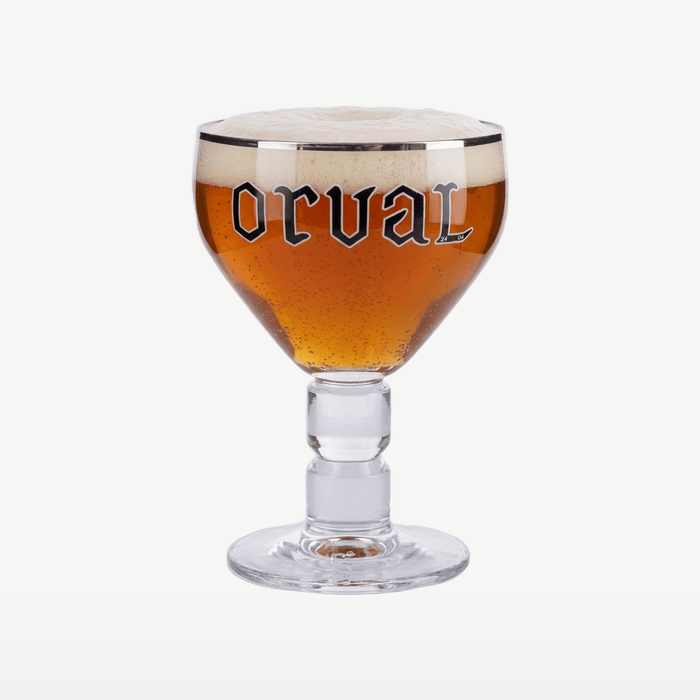
Orval Beer Glass 33 Cl - Gift Box
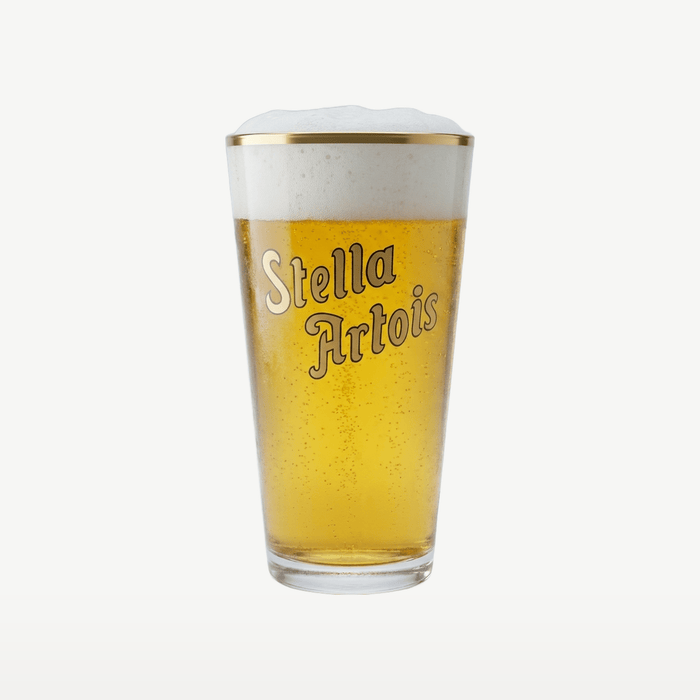
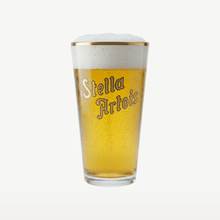
Stella Boerke Beer Glass 33 Cl - Gift Box - 4 Pieces
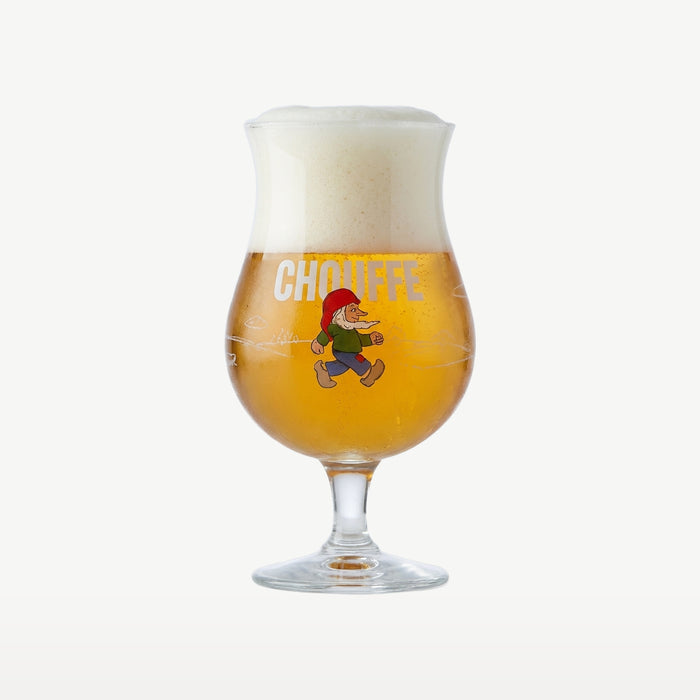
La Chouffe Beer Glass 33 Cl - Gift Box
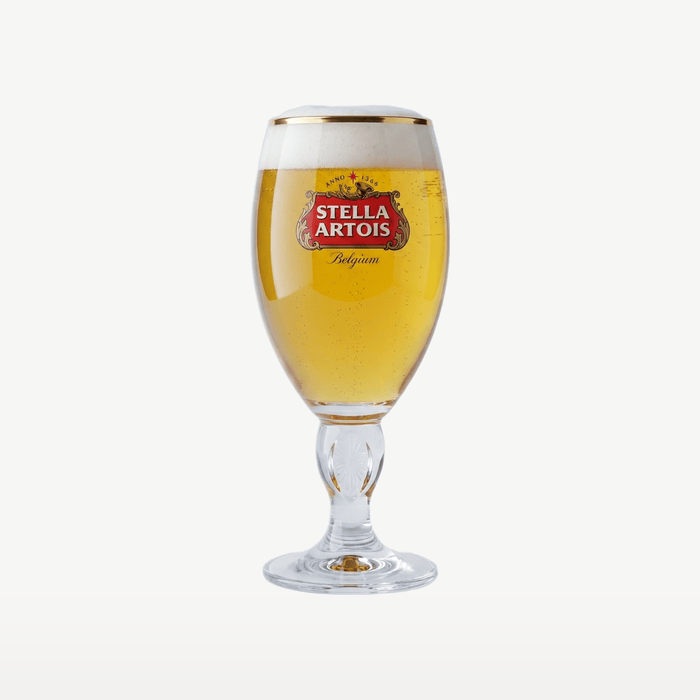
Stella Beer Glass 25 Cl - Gift Box

How to pour
a gueuze in
Rinse the glass with cold water and shake it out without drying it. Grease from a dish towel or a trace of rinse aid will break down the foam, and with gueuze, the head is proof that the second fermentation in the bottle has worked.
First pry the crown cap off the neck, then remove the cork. Hold the bottle tilted away from you: it’s under pressure, and a cork that’s been in place for years can shoot out all at once.
Hold the glass at an angle of about forty-five degrees and pour the gueuze down the side until the glass is two-thirds full. This angle keeps the carbonation in the beer rather than in the head.
Set the glass upright and pour until just below the rim, leaving a head a few centimeters high. Leave the last little bit with the yeast sediment in the bottle, unless you want the cloudy sediment in your glass.
What did you think of this guide?
One click on a star is all it takes. If you’d like to add a comment, we’ll review it before it appears here.
Save this page
Send this page to your own email so you have the information handy when it’s time to pour. You’ll also get a € 5 discount code on purchases of € 50 or more, for the glasses that go with it.
The story
Gueuze is the work of the blender. They taste the lambic barrels in their cellar and look for a blend that will develop well in the bottle: young lambic, around a year old, provides the sugars that fuel the second fermentation; old lambic, two to three years old, provides the acidity, wood, and depth. Some gueuze blenders don’t brew their own lambic, but buy it in and blend it. Since every barrel is different, there’s no fixed recipe and no two batches are alike.
The right glass
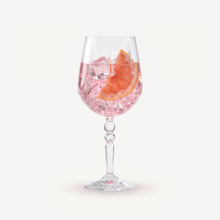
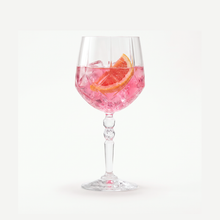
In Belgium, gueuze is served in two kinds of glasses: a small stemless tumbler and a stemmed goblet that leaves room for the foam. We don’t stock a true gueuze glass with its typical Brussels shape; the stemmed goblet below comes closest and keeps the aromas of wood and sourness in the glass. The tumbler beside it is the no-nonsense option, like those used in cafés in the region. See more styles in our Belgian beer glasses.

Onis Munique Beer Glass 40 cl on Stem (6 pieces)

Schott Zwiesel Convention Beer Tumbler 34.5 cl (6 pieces)
Both sets together € 68,95.
The right tools
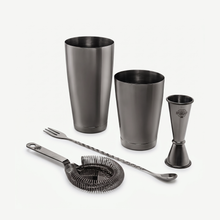
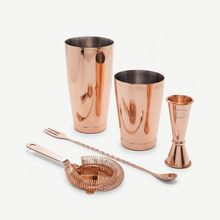
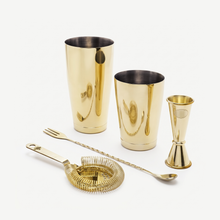
You need little besides a glass for gueuze: a bottle opener for the crown cap and a corkscrew for the cork. If you’d like to add a splash of spirits, measure it with a jigger and stir it in with a bar spoon. These are the bar tools we use ourselves; find them all in our bar tools & cocktail sets.


Glass set (our pick 01) + 2 bar tools together € 55,85.
What to pour alongside it?
Gueuze takes center stage; these are the bottles you can put on the table alongside it. Since it’s so often compared to Champagne, we’ve included it here. Well-known bottles include Moët & Chandon and Crémant. Each drinks page tells you the alcohol percentage, what it tastes like, which cocktails it works in, and which glass you need.


Variations & twists
Not every bottle with geuze on the label is the same. Oude geuze is the dry, sour version without added sweetener; there are also sweetened and filtered gueuzes that go down much more smoothly. What’s more, the same blender makes a different blend from year to year, because every lambic barrel is different. Age lambic on sour cherries and you get kriek; add candi sugar and it’s called faro. Want to read more? See all drinks and brands.
Serving tip
Serve between five and ten degrees. Stand the bottle upright for half an hour before opening it, so the yeast sediment settles to the bottom and the beer stays clear. Many enthusiasts also store their bottles upright, and geuze can be stored for years before you open it.
Good to know
Why does geuze ferment again in the bottle?
Because the blend contains young lambic. It hasn’t finished fermenting yet and brings sugars that the yeast can ferment further in the bottle. This produces carbon dioxide, which has nowhere to go because the bottle is sealed. That’s how a flat base beer ends up with fizz and a head in your glass.
What exactly does a gueuze blender do?
Blending. He tastes the lambic barrels in his cellar, paying attention to acidity, wood and residual sugar, then combines young and old lambic into a blend that will develop well in the bottle. Some gueuze blenders don’t brew themselves and buy in the lambic; the skill lies in the blend, not the brewing.
Why is there both a cork and a crown cap?
The cork holds back the pressure from the second fermentation, while the crown cap keeps the cork in place. That’s no unnecessary precaution for a bottle that may be stored for years. So first prise off the cap, then twist out the cork.
Is geuze the same as champagne?
No, but the comparison is often made. Both get their bubbles from a second fermentation in the bottle, and both are dry and sour. That’s where the similarities end: geuze is beer made from grains, while champagne is wine made from grapes. It’s a comparison people make, not a family connection.
How much alcohol does geuze contain?
Usually between five and eight percent, depending on the blend. Because it undergoes a second fermentation in the bottle, its alcohol content is slightly higher than that of the lambic it's made from.
Frequently asked questions
What glass should you use for geuze?
A stemmed goblet or a small tumbler. We don't carry the authentic Brussels geuze glass; a stemmed goblet of about forty centiliters comes closest and leaves room for the head. If you want to keep it simple, like in the cafés of the region, choose a straight tumbler.
How do you open a bottle of geuze?
First pry the crown cap off the neck, then twist out the cork. Hold the bottle tilted away from yourself and others, as it's under pressure and an old cork can shoot out all at once.
How cold should you serve geuze?
Between five and ten degrees. Below five degrees, you lose much of the wood and acidity; above ten degrees, the alcohol starts to dominate.
Can you store a bottle of geuze for years?
Yes, geuze is made for that: the yeast is still in the bottle and continues to work slowly, making the beer drier and more complex over the following years. Many enthusiasts store the bottles upright in a cool, dark place so the sediment stays at the bottom.
Buy geuze
Want the bottle delivered right to your door? Order geuze online from Gall & Gall. Gall & Gall has 5.
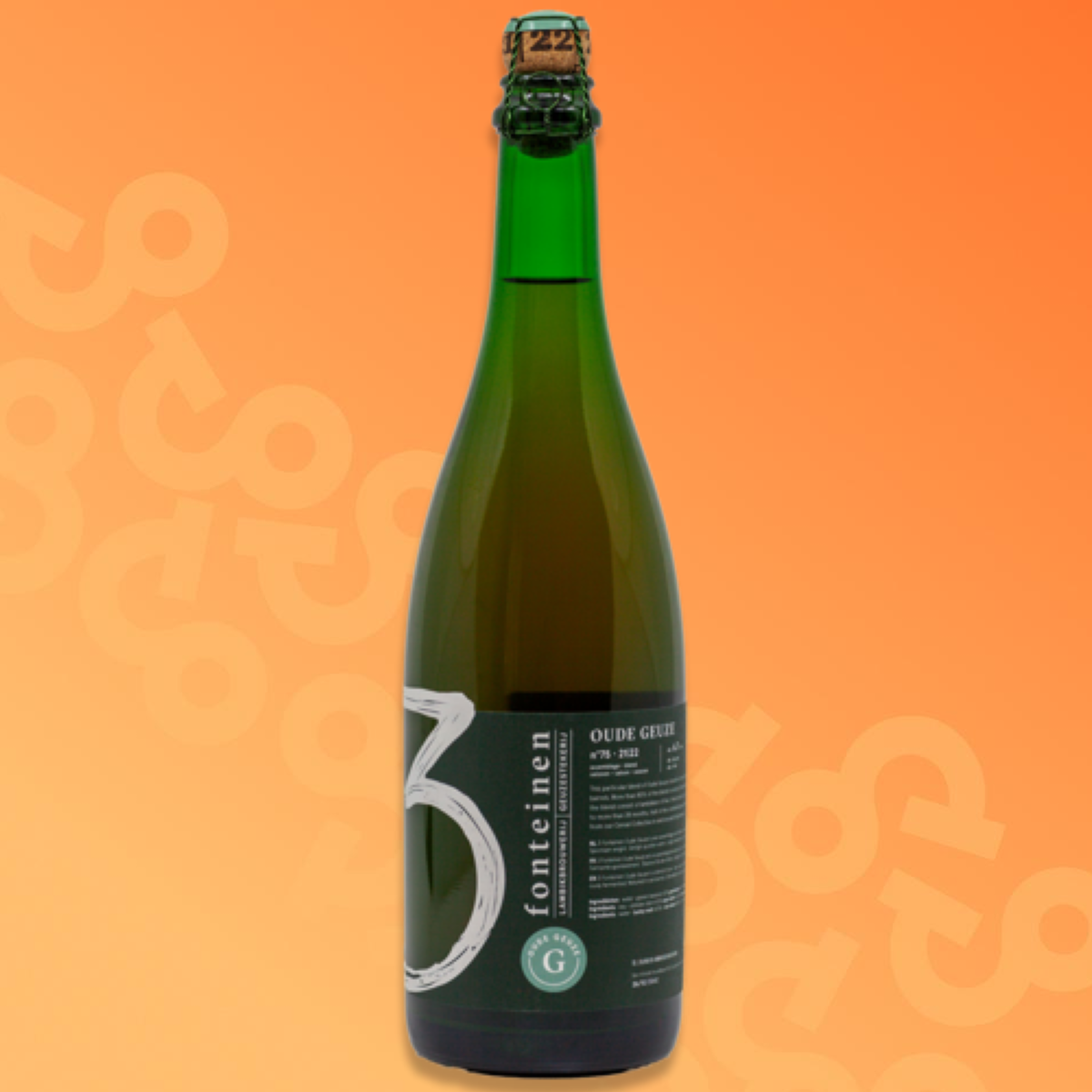
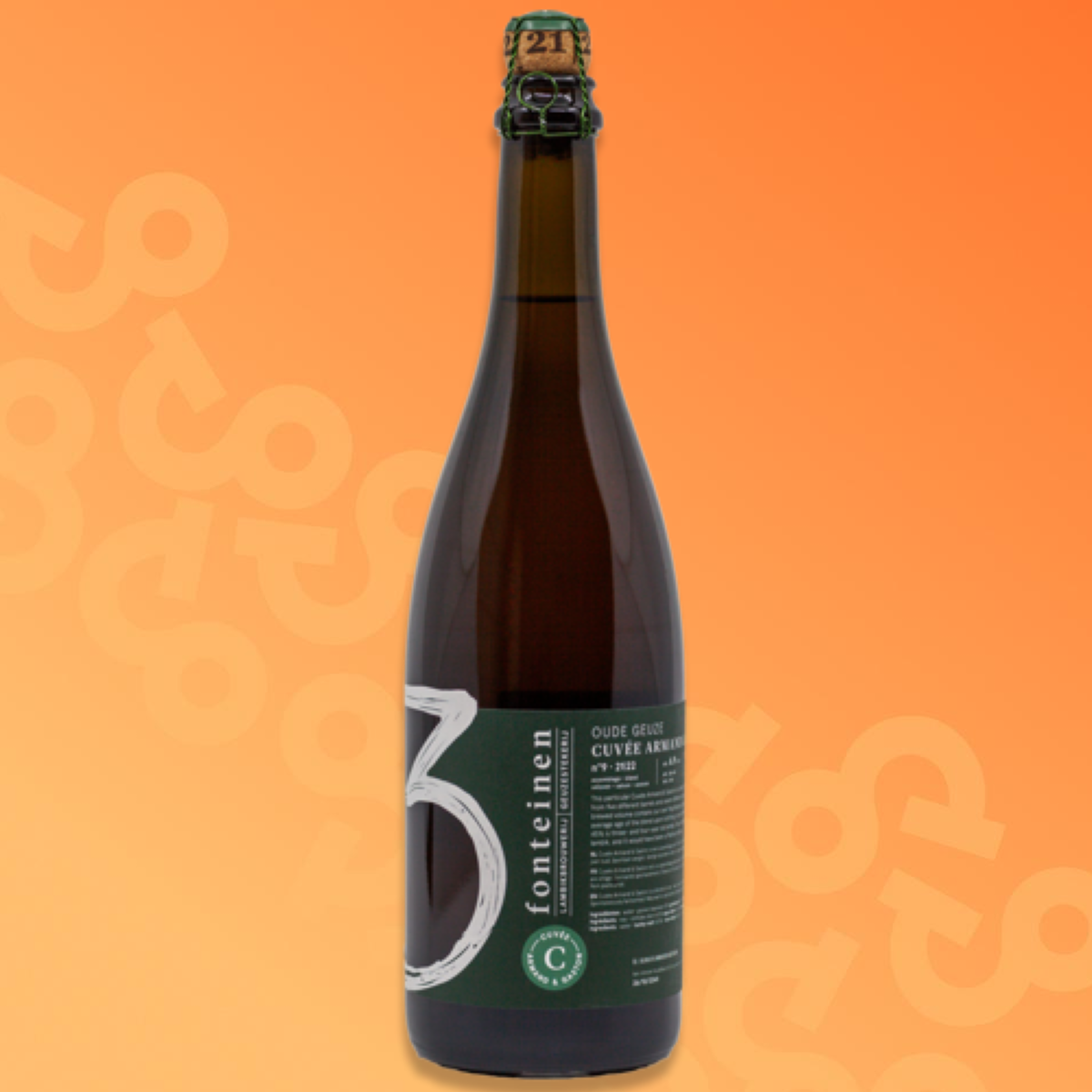
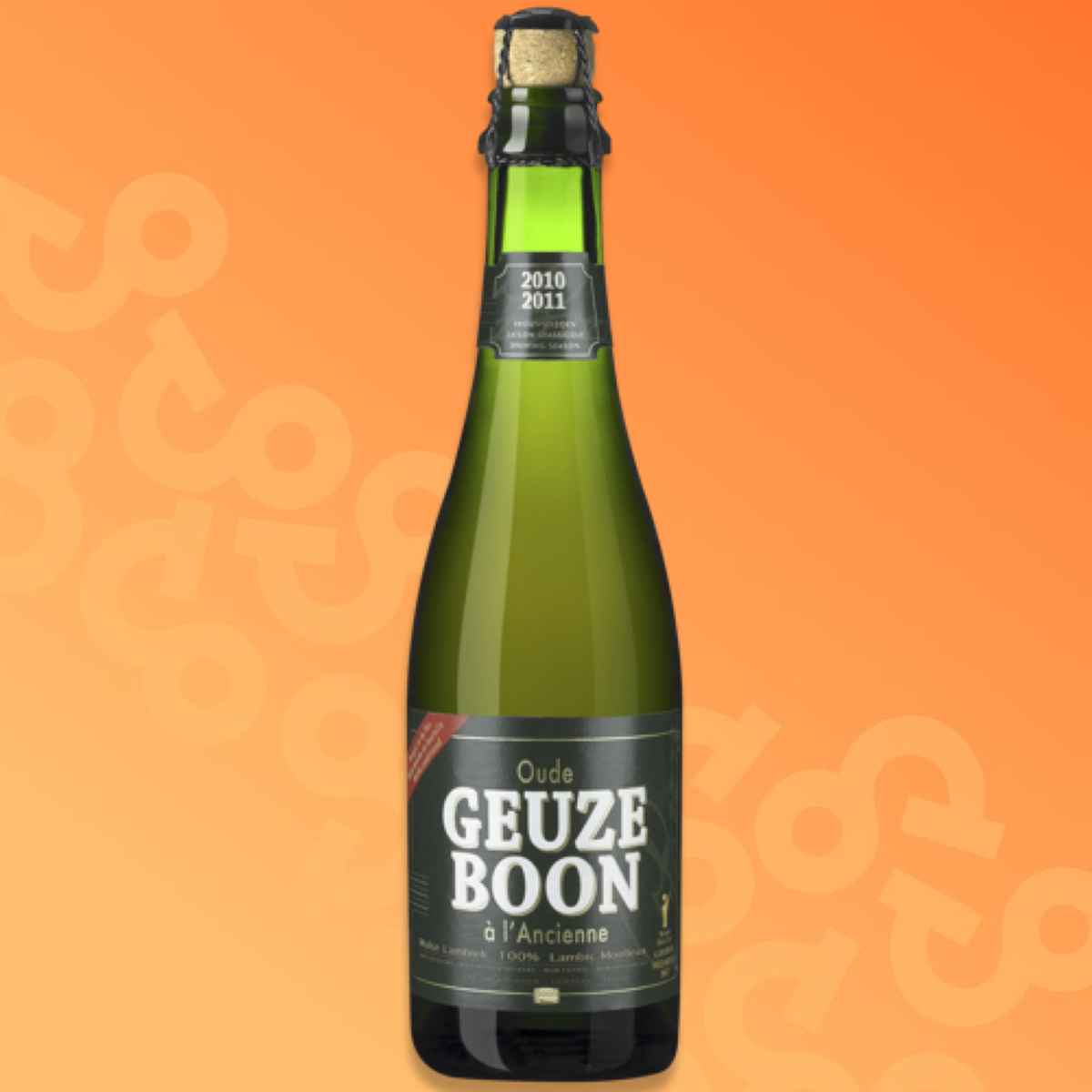
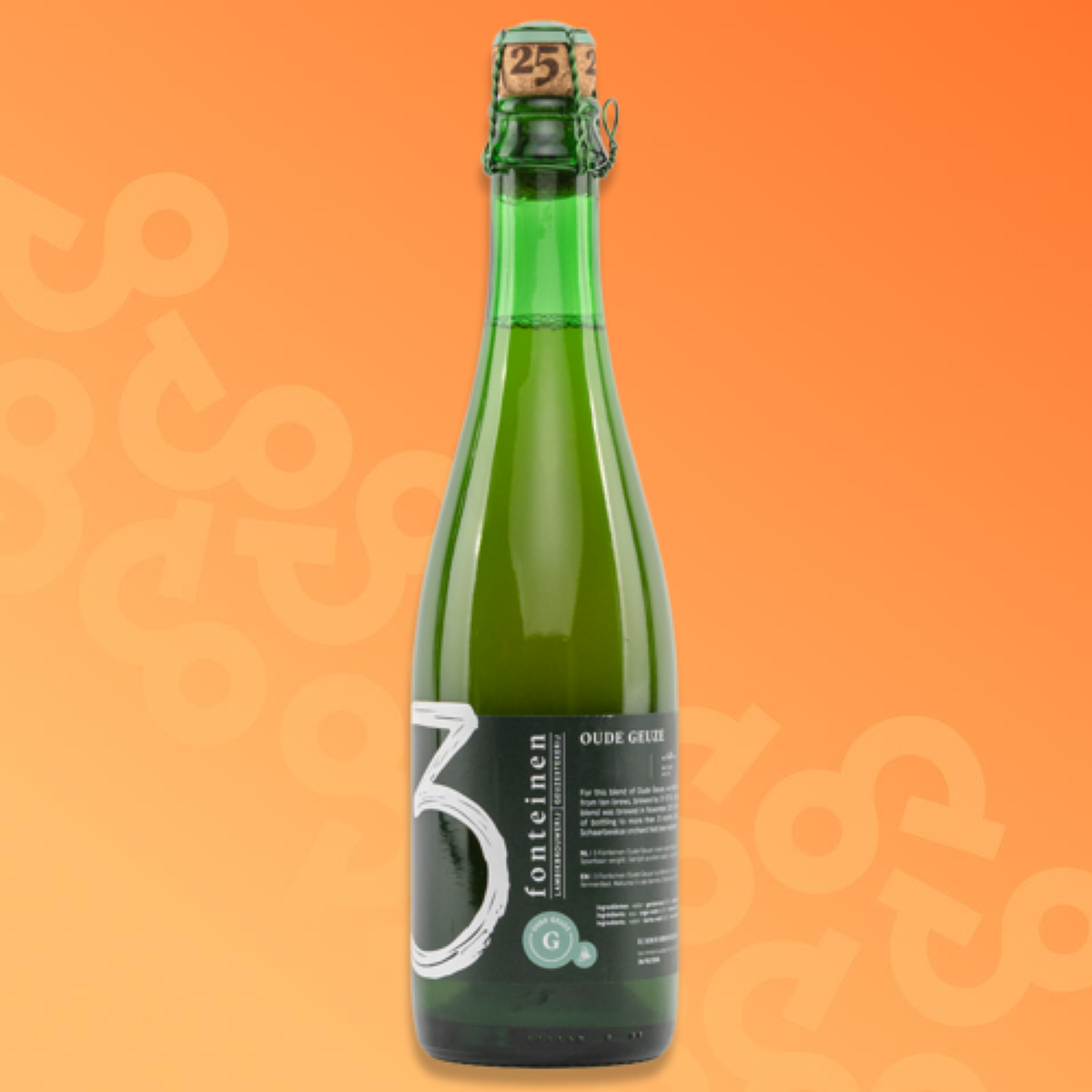
Prices as of November 3, 2026, as provided by Gall & Gall. You can see the current price and stock at Gall & Gall. Glazen.nl receives a small commission if you buy something through these links; it costs you nothing extra. No alcohol under 18.
Everything for your bar,
at one address
Hospitality-quality glasses, sold in sets. Order today, delivered fast.
Shop glasses →