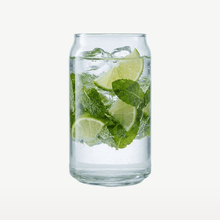
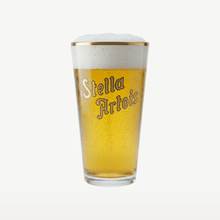
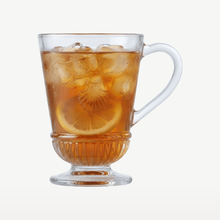
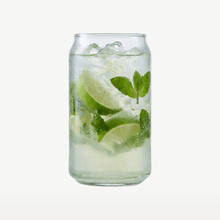
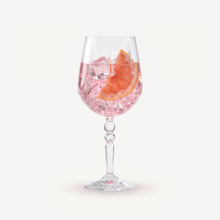
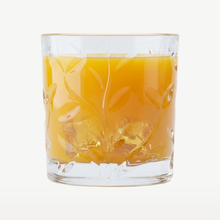
Onis Bill Irish Coffee Glass 24 Cl - 6 Pieces
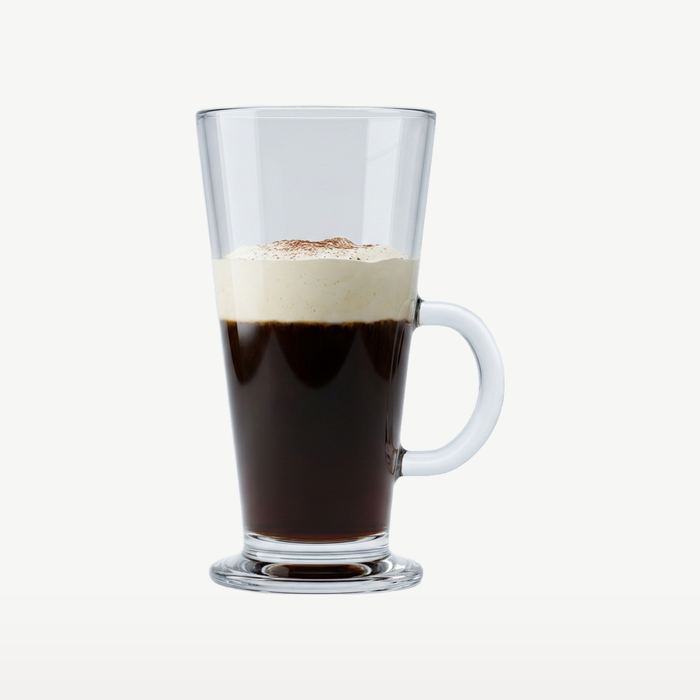
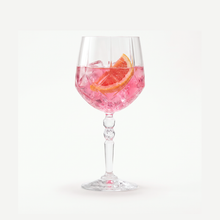
Pasabahce Colombian Irish Coffee Glass 26 Cl - 2 Pieces
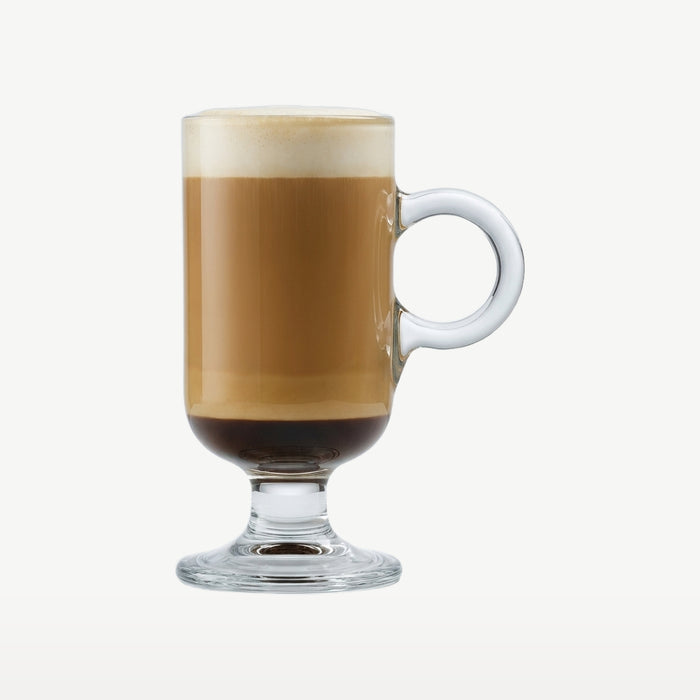
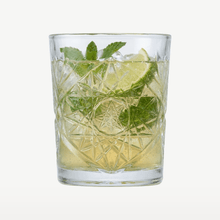
Libbey Sentido Irish Coffee Glass 26 Cl - 6 Pieces
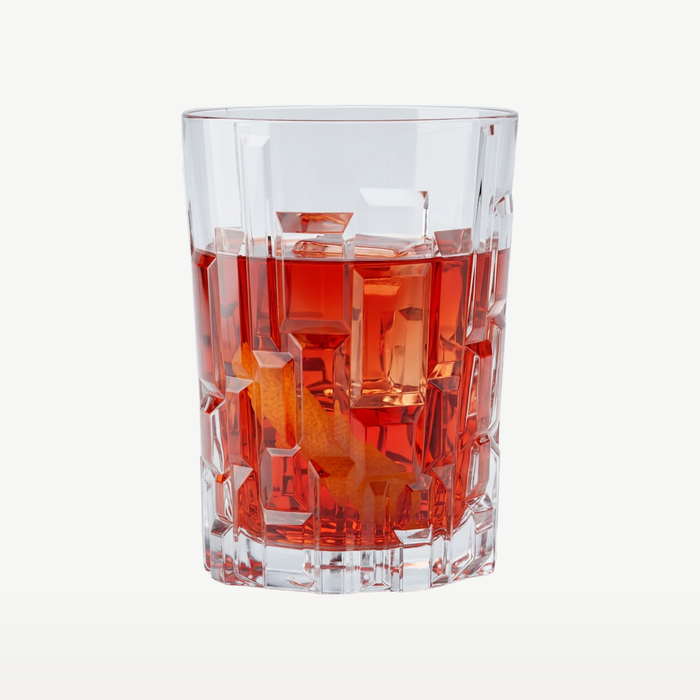
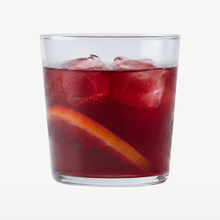
RCR Etna Tumbler 25 Cl - 6 Pieces

How to pour it
an Irish whiskey in
Let the bottle and glass come to 18 to 20 degrees. Irish whiskey is rarely smoky, so the finer notes have to do the work, and they disappear if the glass is too cold.
Pour 4 cl into the nosing glass, just above the widest point of the bowl, and hold the glass at the bottom so your hand doesn't warm the whiskey.
Smell it first from a distance, then closer, with your mouth slightly open. With pot still whiskey, the thick, spicy impression from the unmalted barley stands out most.
Take small sips and let it roll over your tongue; that oily texture is its hallmark. Then add three drops of cold water and smell it again.
What did you think of this guide?
One click on a star is all it takes. If you'd like to add a comment, we'll review it before it appears here.
Save this page
Email this page to yourself so you’ll have the instructions handy when you’re ready to pour. You’ll also get a € 5 discount code on orders over € 50, for the glasses that go with it.
The story
Single pot still is what gives Irish whiskey its own identity. The mash bill contains both malted and unmalted barley, and the latter is what makes the difference: unmalted barley adds a thick, oily, spicy texture you won’t find in a whiskey made from malted barley alone. Irish whiskey is also often distilled three times rather than twice. This is a common practice, not a requirement, and it makes the distillate softer and rounder. After a long period of sharp decline, Irish whiskey has been growing steadily again in recent years, with new distilleries and more bottles on the shelves.
The right glass
For Irish whiskey, choose a tulip-shaped nosing glass: the bowl gives the bouquet room to open up, and the inward-curving rim guides it to your nose. This model has a sturdy base rather than a long stem, so hold it near the bottom, as your hand would otherwise warm the whiskey. A wide tumbler lets the aromas disperse, making the alcohol take center stage. Also shown here is the glass most often used for Irish whiskey: a stemmed glass for the hot version with coffee and cream, tempered to withstand boiling-hot drinks. See more models in our Irish coffee glasses.

Schott Zwiesel Bar Special Whisky Nosing Glass 32.2 cl (4 pieces)

Onis Bill Irish Coffee Glass 24 cl (6 pieces)
Both sets together € 57,90.
The right tools
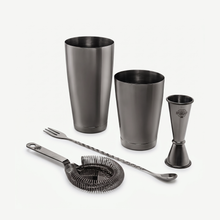
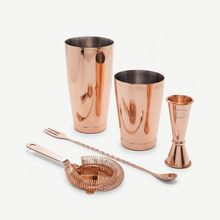
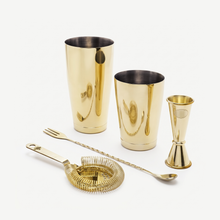
For Irish whiskey, in addition to the glass, use a bar spoon to pour the cream over the back of a spoon onto the coffee, and a jigger to measure out exactly 4 cl. These are the bar tools we use ourselves; you can find everything in our bar tools & cocktail sets.


Glass set (our choice 01) + 2 bar tools together € 61,85.
What to pour alongside it?
Irish whiskey sits among the other aged grain spirits. Put it alongside bourbon to taste what corn brings, and alongside Jameson, the best-known Irish bottle in the cabinet. On each drink page, you’ll find the alcohol percentage, tasting notes, cocktails to pair it with and the glass you need.


Variations & twists
The best-known use is Irish coffee: hot coffee, brown sugar, Irish whiskey and a layer of softly whipped cream that floats on top. If you want to keep it neat, pour a single pot still alongside a blended whiskey from the same cabinet; you’ll immediately notice what the unmalted barley brings. Ireland also makes single malt, which, like its Scottish counterpart, is made from malted barley only. Want to read more? Browse all drinks and brands.
Serving tip
Pour 4 cl at 18 to 20 degrees and set a glass of cold water beside it. Three drops of water open up the aroma; ice cools the whiskey so much that little of its aroma remains. If you want it warm, serve it in a footed glass, as that glass is made for piping-hot drinks.
Good to know
Single pot still: malted and unmalted barley
This is a style made nowhere else quite like this. The mash bill consists of malted and unmalted barley, and the unmalted barley brings a thick, oily and spicy texture. A whiskey made only from malted barley feels noticeably lighter. On the label, it’s called single pot still.
Triple distillation is a practice, not a rule
In Ireland, whiskey is often distilled three times, while elsewhere it is distilled twice. This is common practice, not a requirement; some Irish bottles are distilled twice. Each additional pass makes the distillate softer and rounder, and removes some of the heavier notes.
Why Irish whiskey is rarely smoky
Smoke in whisky comes from peat used to fire the malt-drying process. In Ireland, the malt is usually dried without peat, so there’s no smoke. There are exceptions, which are labeled as such, but the rule is: Irish whiskey is unpeated and therefore not smoky.
Aged for at least three years in Ireland
Irish whiskey must age in wooden casks for at least three years, and this must happen in Ireland. Many bottles age longer, but three years is the minimum. If there’s no age statement on the label, all you know is that it has met this minimum.
Whiskey with an e
Irish bottles spell it whiskey with an e, while Scottish bottles spell it whisky without one. American bottles usually use the e too, with a few well-known exceptions. It’s not a quality seal, but it’s the first thing on a label that tells you where the bottle is from.
A category that’s growing again
Irish whiskey was once hugely popular, then declined for a long time to just a handful of distilleries, and has recently grown substantially again. New distilleries have opened, and there are more bottles on the shelves, from blended to single pot still.
Frequently asked questions
What’s the difference between Irish whiskey and Scotch whisky?
Three things. The spelling: Ireland writes whiskey with an e, while Scotland writes whisky without one. The style: single pot still made from malted and unmalted barley is distinctly Irish and found nowhere else. And the smoke: in Ireland, the malt is usually dried without peat, so Irish whiskey is rarely smoky.
Why is Irish whiskey spelled with an e?
That’s how the usage has developed. Irish and most American bottles spell it whiskey, while Scottish and Japanese bottles spell it whisky. There’s no rule about quality behind it; it’s a spelling difference that immediately reveals the origin.
What is single pot still whiskey?
Whiskey distilled in Ireland in a pot still from a mixture of malted and unmalted barley. The unmalted barley gives it the oily, spicy texture the style is known for. You won’t find it in this form anywhere else.
What glass should you use for Irish whiskey?
For drinking neat, use a tulip-shaped nosing glass of roughly 10 to 20 cl, holding it by the base so your hand doesn’t warm it up. If it’s going into hot coffee with a layer of cream, serve it in a stemmed glass that can withstand boiling temperatures.
Buy Irish whiskey
Want the bottle delivered straight to your door? Order Irish whiskey online at Gall & Gall. Gall & Gall has 67 options, 15 of which are on sale.
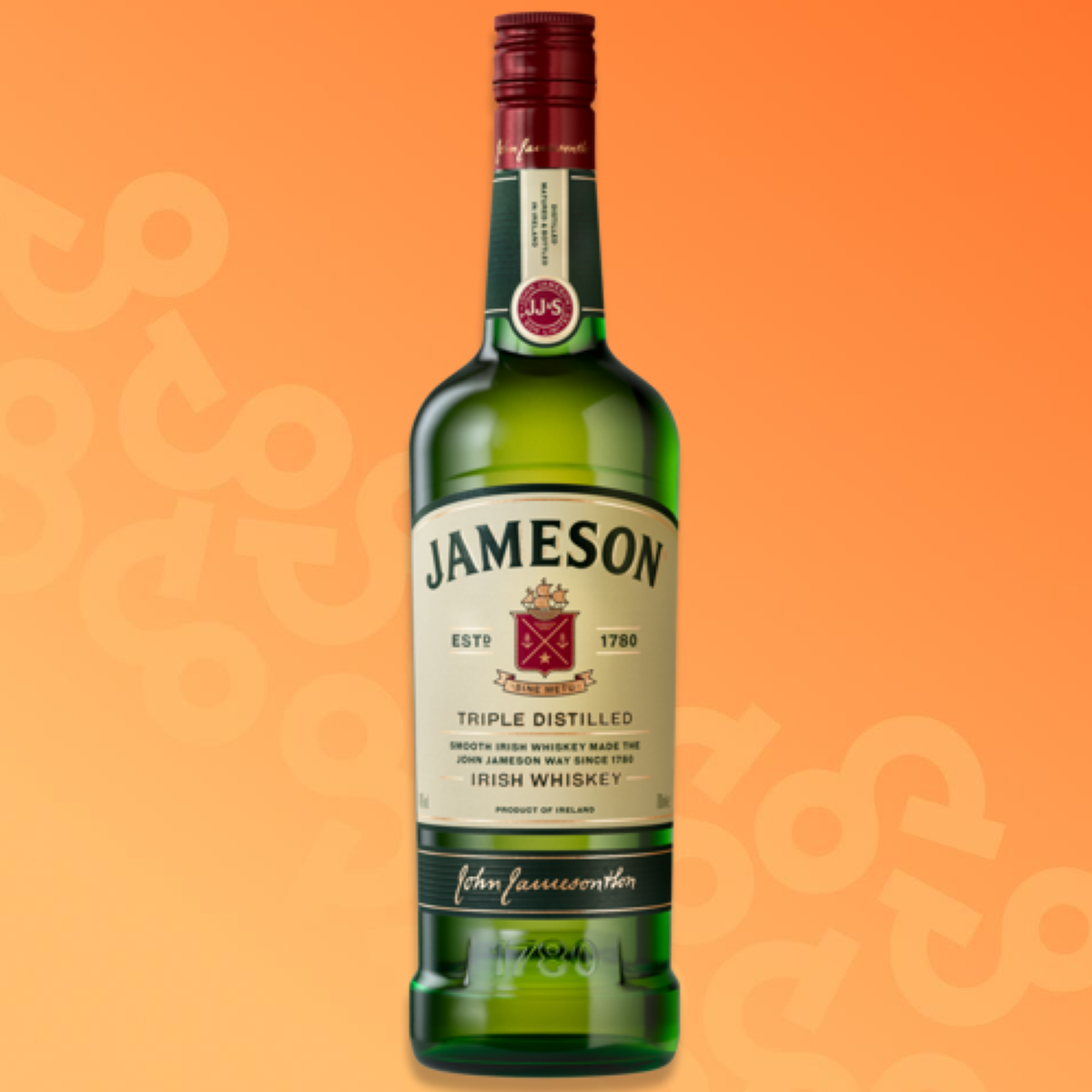
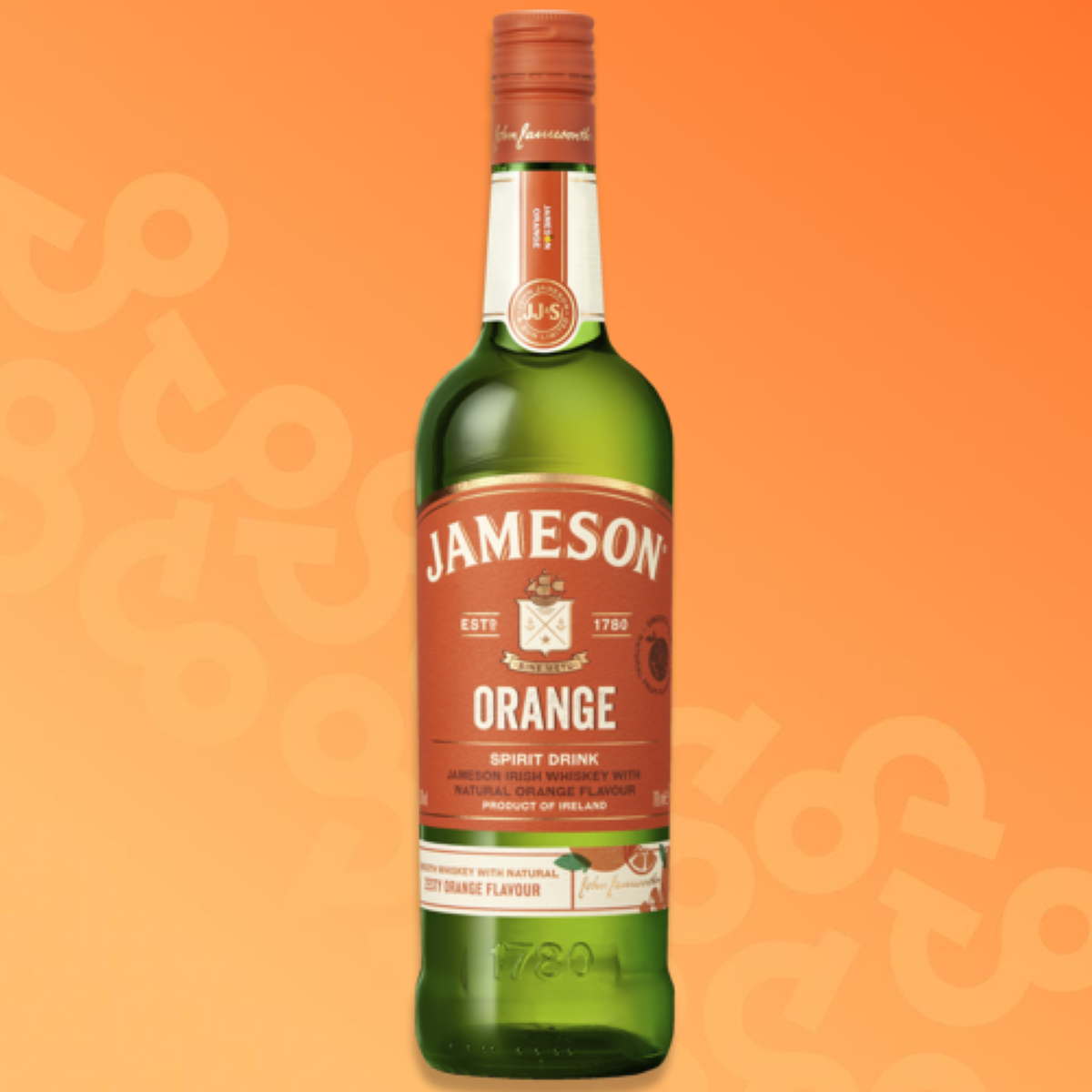
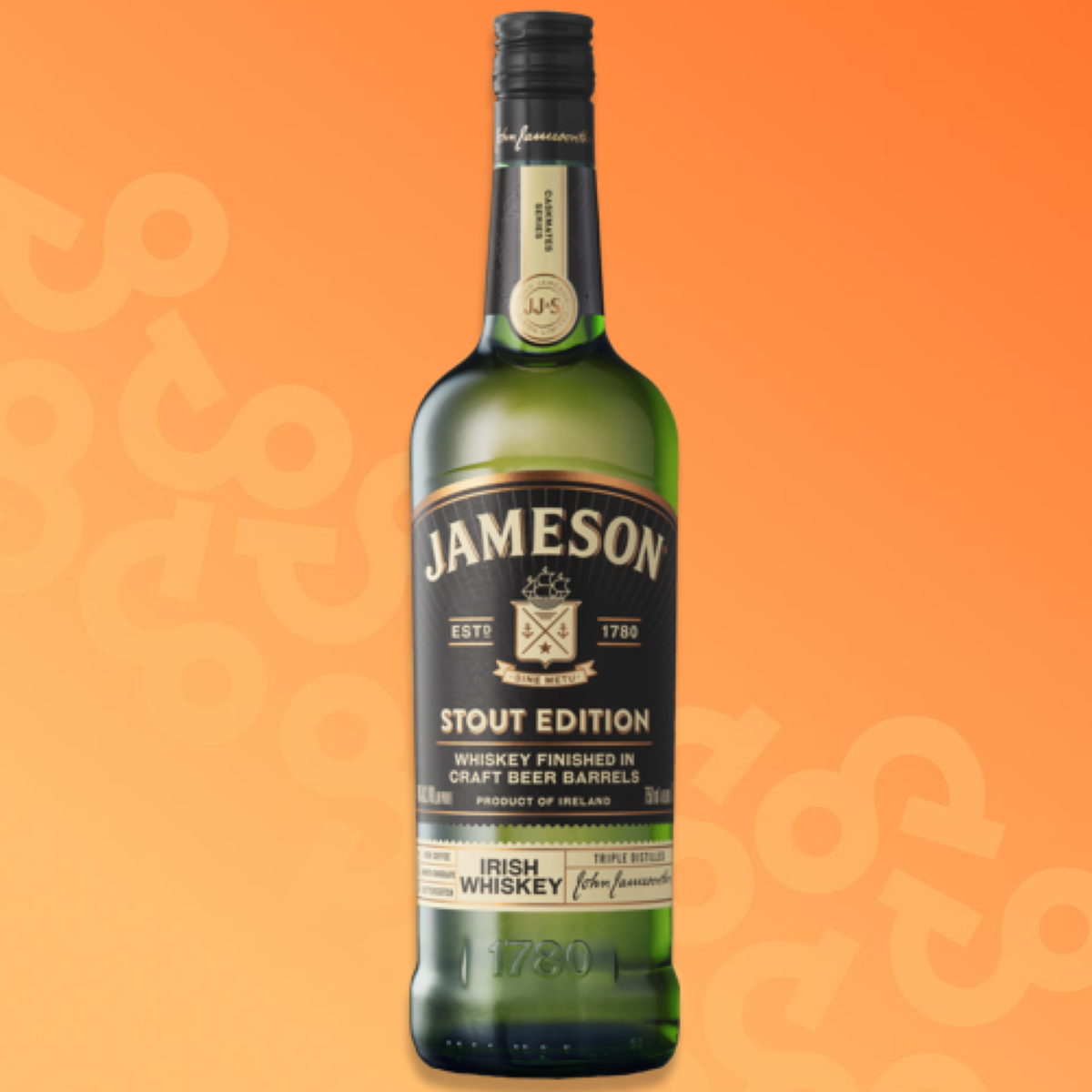
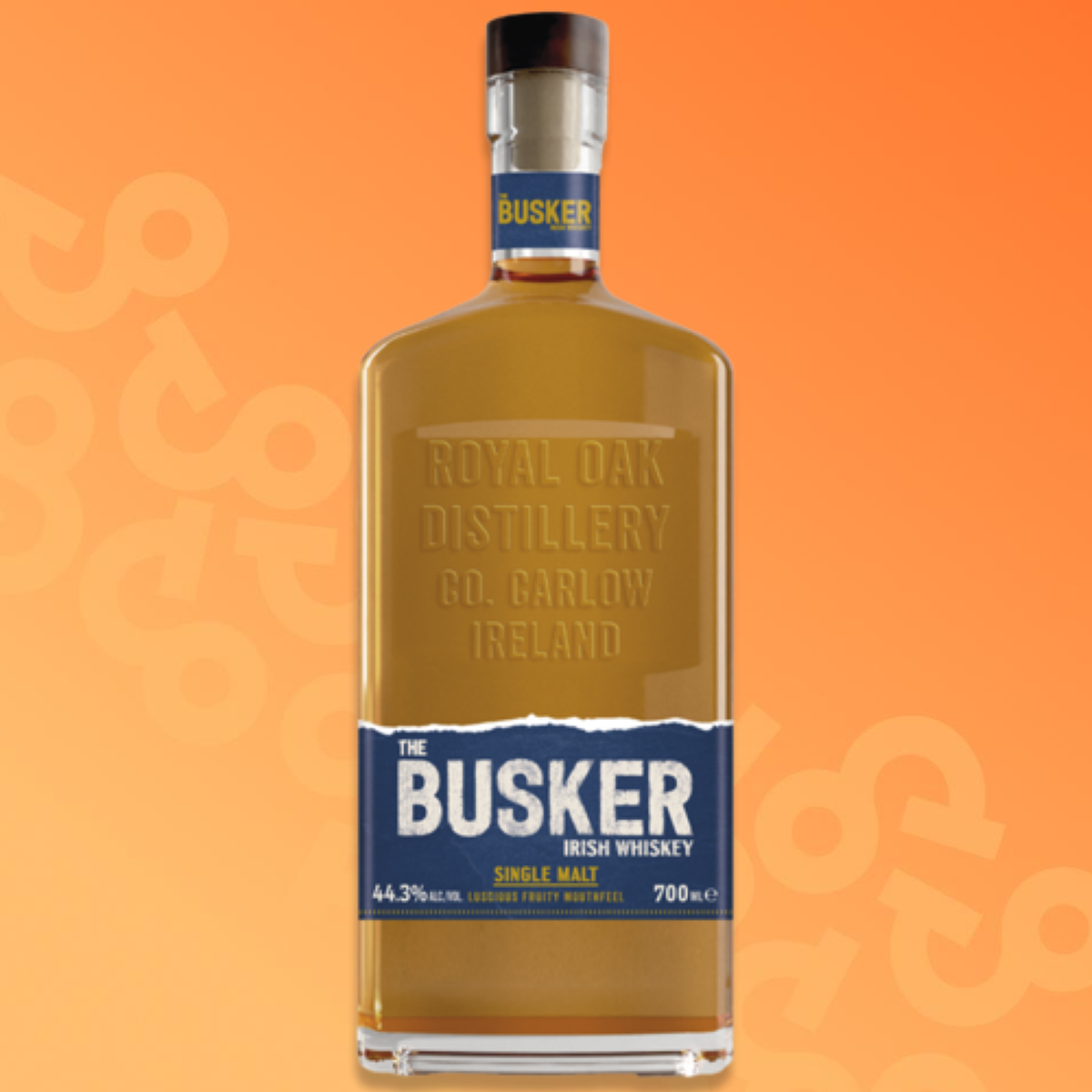
Prices as of November 19, 2026, as quoted by Gall & Gall. You can see the current price and stock at Gall & Gall. Glazen.nl receives a small commission if you buy something through these links; you pay nothing extra. No alcohol for anyone under 18.
Everything for your bar,
at one address
Catering-quality glasses, sold in sets. Order today, delivered quickly.
Shop for glasses →