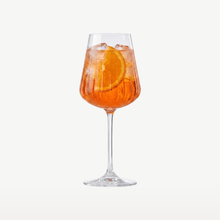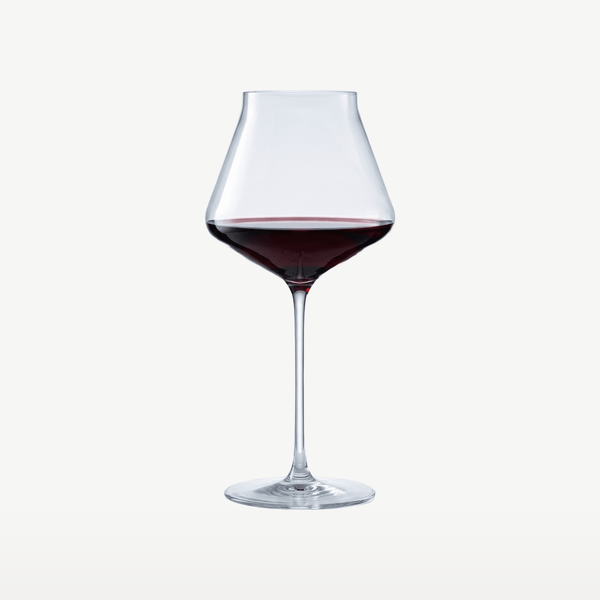
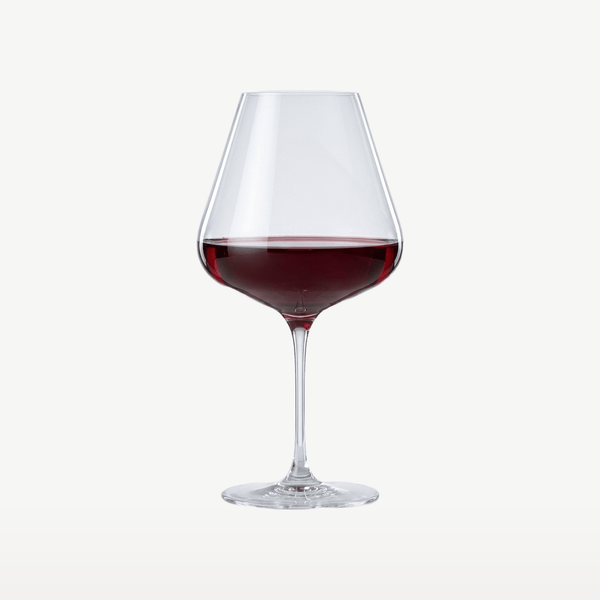
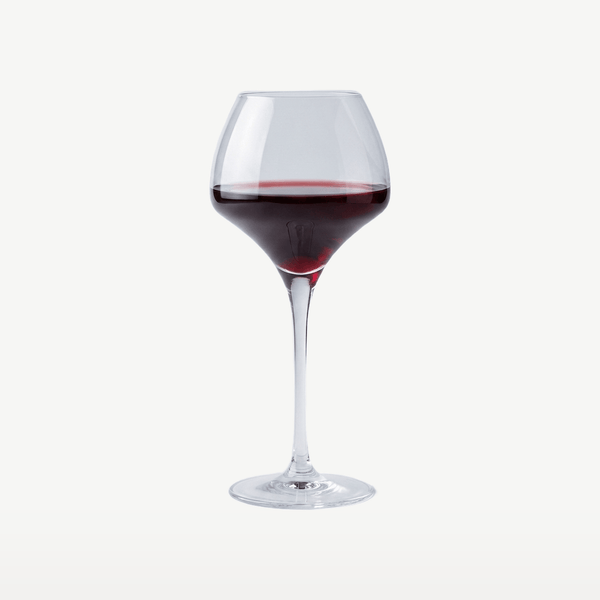
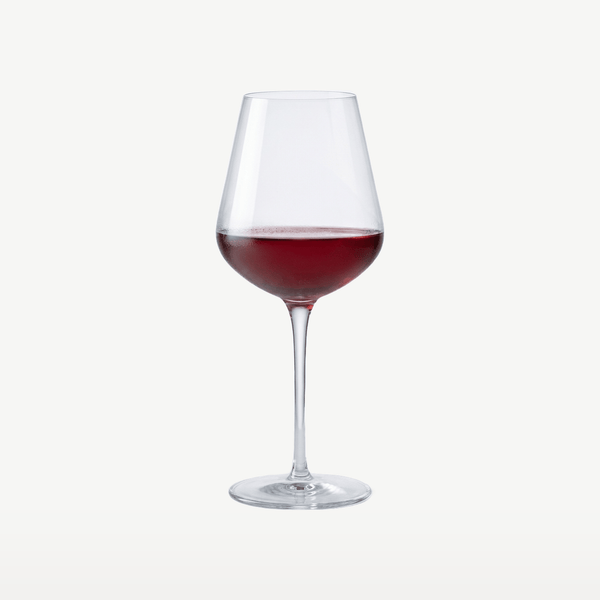
Chef & Sommelier Reveal Up Intense Wine Glass 55 Cl - 6 Pieces
Austrian wine
Austrian wine comes mainly from the east of the country, around Vienna and along the Danube. Grüner veltliner is the best-known grape: fresh, spicy and with a characteristic hint of white pepper. Austria also makes juicy red wines from zweigelt and blaufränkisch, as well as famous sweet wines.


Austrian wine, by grape and style
Austria is primarily a white wine country. We have a dedicated page about its most important grapes and orange wine, which Austrian producers often lead the way in making.
Grüner Veltliner
Fresh and spicy, with green apple, citrus and a hint of white pepper. It accounts for about a third of the vineyards.
About grüner veltliner →

Orange wine
White wine that stays in contact with the skins longer, giving it color and grip.
About orange wine →
Pinot blanc
A smooth, rounded white wine with apple and nut notes. Delicious with asparagus.
About pinot blanc →White wine from the Danube, red from the Pannonian lowlands
Austria’s vineyards lie almost entirely in the east of the country, where the Alps give way to hills and lowlands. The largest region is Niederösterreich, which includes renowned areas such as the Wachau, Kremstal, Kamptal and Weinviertel. In the Wachau, vines grow on steep stone terraces along the Danube. Southeast of Vienna lies Burgenland, warmer and flatter, surrounding the large, shallow Lake Neusiedl. Most of the country’s red wines and famous sweet wines come from there. To the south lies Steiermark, known for fresh sauvignon blanc. And Vienna is one of the few capitals with vineyards within the city limits.
Grüner veltliner is Austria’s national grape. It grows in about a third of all vineyards and produces fresh wine with green apple, citrus and a spicy note of white pepper. Riesling is less widely planted, but produces top wines in the Wachau and Kremstal. Zweigelt is Austria’s most widely planted red grape: a cross between blaufränkisch and sankt laurent. In the Wachau, you’ll see three styles on the label: Steinfeder is light, Federspiel is medium-bodied, and Smaragd is the ripest and fullest. After a scandal in the 1980s, Austria introduced one of Europe’s strictest wine laws, and ever since, the country has been known for clean, precisely made wines.
At a glance
Seven bottles, from grüner veltliner to Beerenauslese
First, two grüner veltliners from the Wachau, one light and one full-bodied, and a riesling from the terraces. Then three Austrian red grapes and a noble-sweet wine from Burgenland.
Domäne Wachau Grüner Veltliner Federspiel
Federspiel from Weissenkirchen on the Danube: the medium-bodied style of the Wachau. Light and fresh, with green apple, pear, citrus and white pepper.

Domäne Wachau Grüner Veltliner Smaragd Kirnberg
Smaragd is the ripest, fullest style of the Wachau. This single-vineyard wine has plenty of flavor and power, with yellow apple, grapefruit, fresh herbs and white pepper.

Winzer Krems Kremstal Riesling 'Von den Terrassen'
Riesling from the terraces in the Kremstal. Peach, yellow apple and plenty of minerality, with high acidity and a slight touch of residual sweetness for balance.

Domäne Wachau Blauer Zweigelt Terrassen
Zweigelt is Austria's most widely planted red grape. Strawberry, blueberry and cherries with a spicy hint of black pepper.

Domaine Andau Blaufränkisch
Blaufränkisch from Burgenland, close to the Hungarian border. Dark fruit and spice, but with soft tannins and a juicy character.

Domaine Andau Sankt Laurent
Sankt laurent is related to pinot noir and makes elegant red wine with blueberries, black cherries and wild strawberry.

Domaine Andau Beerenauslese
Noble sweet wine made from grapes affected by noble rot, from the region between Lake Neusiedl and the Hungarian border. Passion fruit, honey and fresh lemon.
Where does that hint of white pepper come from, and what's the difference between Federspiel and Smaragd? Find out on our page about grüner veltliner.
Fresh, clean and a little peppery
Apple & white pepper
Grüner veltliner smells of green apple, pear, citrus and green herbs, with the typical hint of white pepper. Riesling smells of peach and apricot. Zweigelt smells of red cherries and strawberry.
Fresh and clean
The white wines have fresh acidity and a clean, dry taste. A Smaragd is fuller and creamier. The red wines are juicy, with soft tannins and a spicy edge.
Spicy and mineral
Many Austrian white wines finish spicy and mineral, with a light pepperiness that lingers. Red wine finishes fruity and fresh.
Flavor profile of a typical grüner veltliner Federspiel. A Smaragd ranks higher in intensity, while a Beerenauslese is much sweeter.
How to serve Austrian wine
White chilled, red lightly chilled, and sweet wine extra cold in a small glass.
Red at 14 to 16 degrees
Zweigelt, blaufränkisch and sankt laurent are juicy and fresh. They are at their best when lightly chilled. Put the bottle in the fridge half an hour before serving.
More about wine temperature →Sweet wine extra cold
Serve a Beerenauslese at 6 to 8 degrees, in a small glass. A small amount is enough: the wine is intense. An opened bottle will keep for days in the fridge with a stopper.
More about dessert wine →White wine at 8 to 10 degrees
Serve Grüner Veltliner and Riesling at 8 to 10 degrees. A full-bodied Smaragd can be served slightly warmer, around 10 to 12 degrees. If it’s too cold, the spicy notes and ripeness disappear.
More about decanting →Austrian wine at the table
Grüner Veltliner is known as one of the easiest wines to pair with food. It can even handle tricky pairings such as asparagus and artichokes. Austrian dishes like schnitzel and goulash point the way.
Schnitzel and asparagus
Wiener schnitzel, fried fish, asparagus, salads, and light Asian dishes. A Smaragd also pairs well with veal and poultry.
Fish and trout
Trout, salmon, steamed fish, and shellfish. Also delicious with mild curries.
Goulash and charcuterie
Goulash, stews, game, grilled meat, and a charcuterie board. The juicy fruit and peppery note pair well with spicy food.
Cheese and dessert
Blue cheese, foie gras, and fruit desserts such as apricot tart or apple strudel.
The right glass for Austrian wine
Pour Grüner Veltliner and Riesling into a slightly smaller white wine glass to keep their fresh aromas together. Choose a generous red wine glass for Zweigelt and Blaufränkisch. Serve Beerenauslese in a small glass. These are the glasses we recommend ourselves.


Everything else you wanted to know about Austrian wine
Can’t find your question here? Read more about wine and food, or get in touch.
Wine and food pairings →What is Austrian wine?
What is Grüner Veltliner?
What do Federspiel and Smaragd mean?
What is Zweigelt?
How much alcohol is in Austrian wine?
What goes well with Grüner Veltliner?
Buy Austrian wine
Want the bottle delivered straight to your door? Order Austrian wine online from Gall & Gall. Gall & Gall has 31, including 3 on sale.
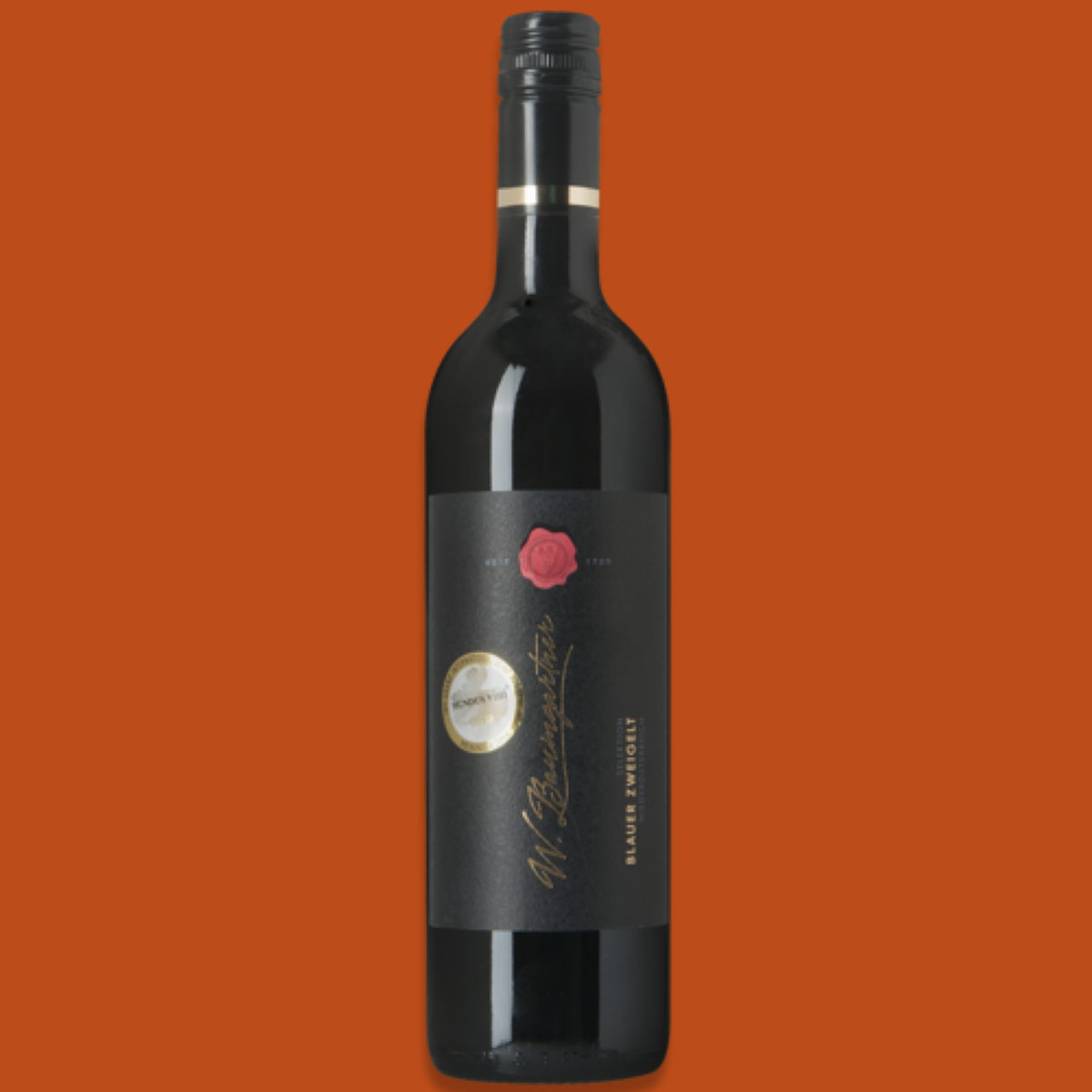
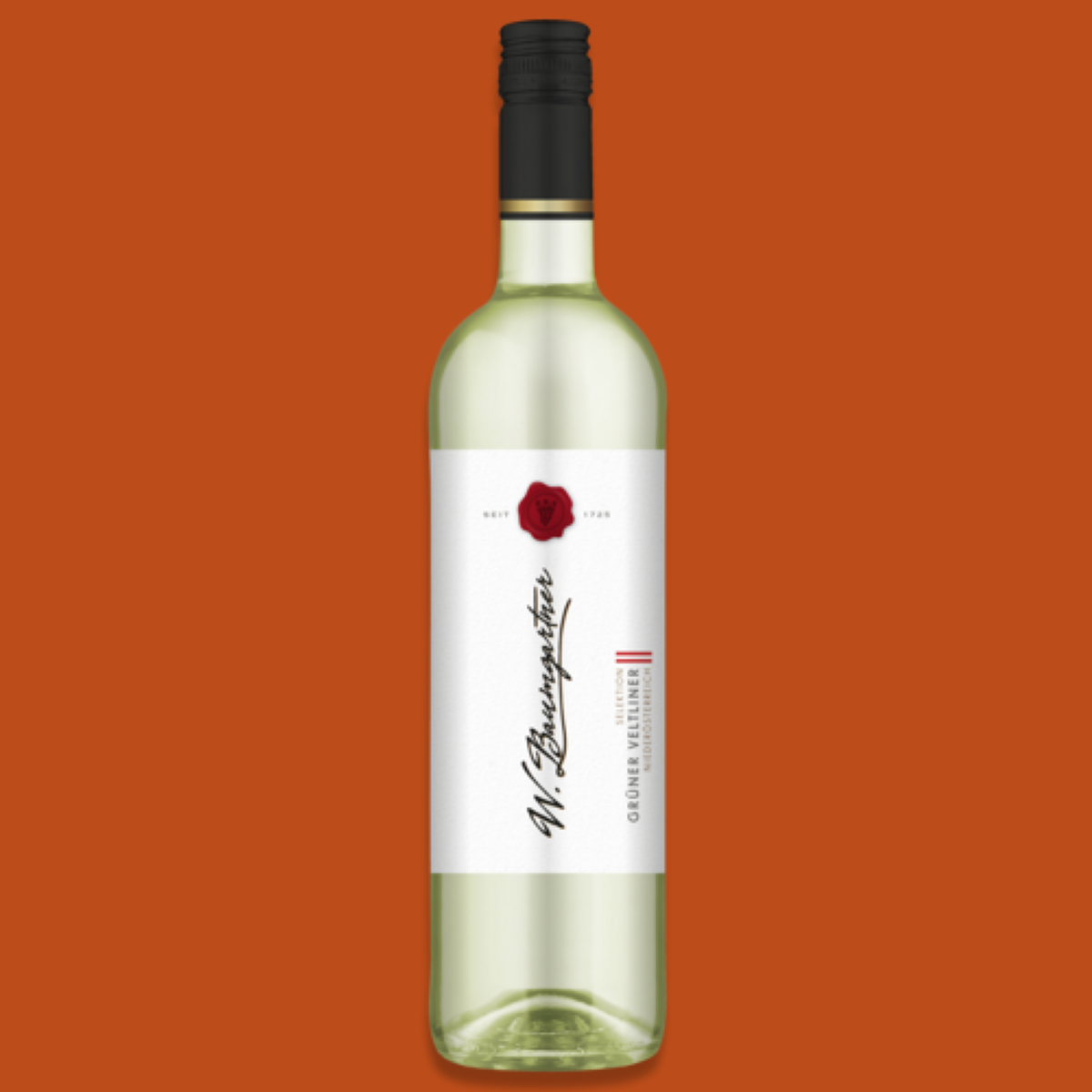
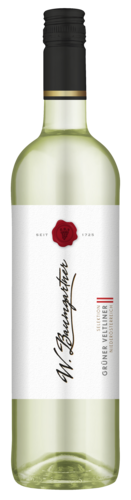
Baumgartner Grüner Veltliner
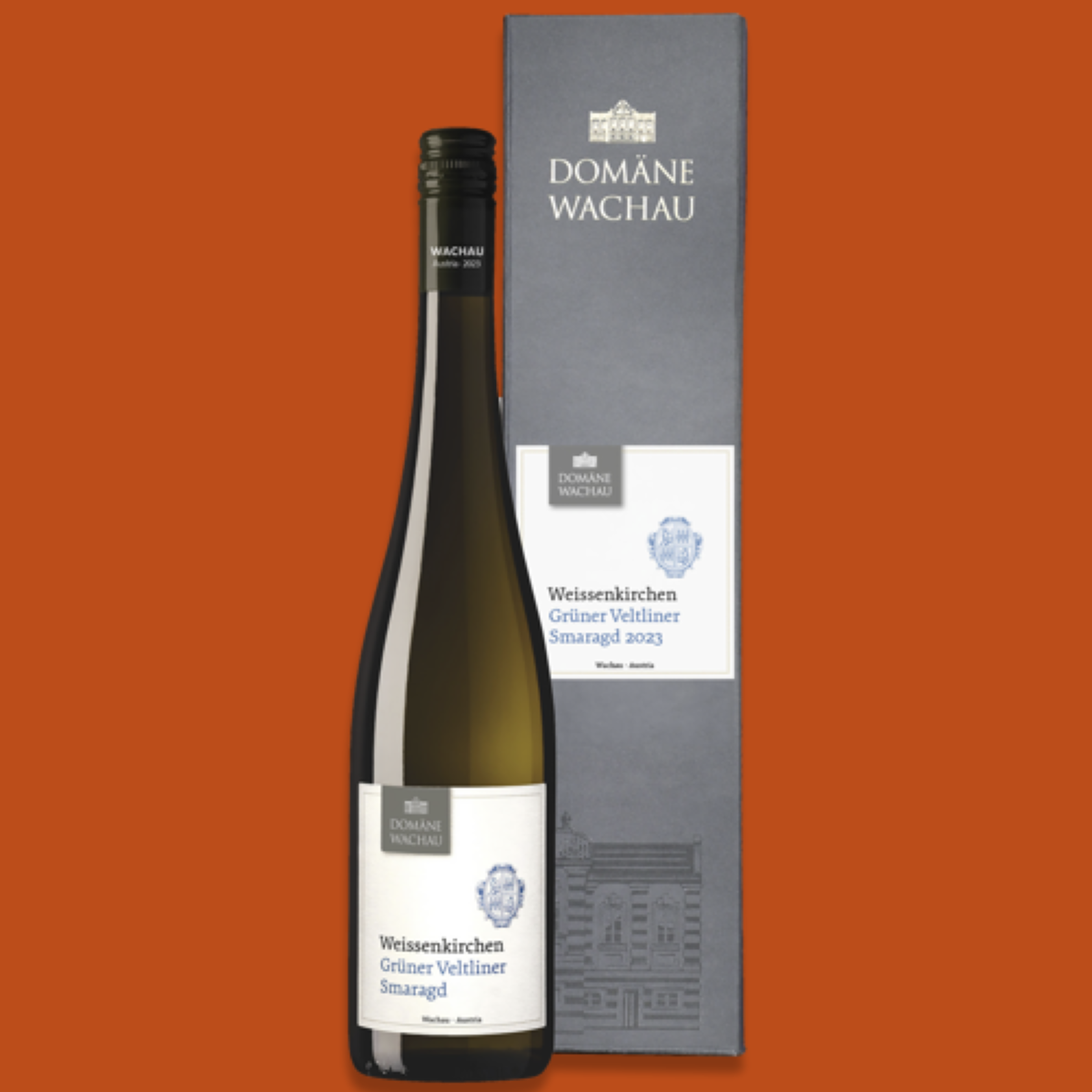
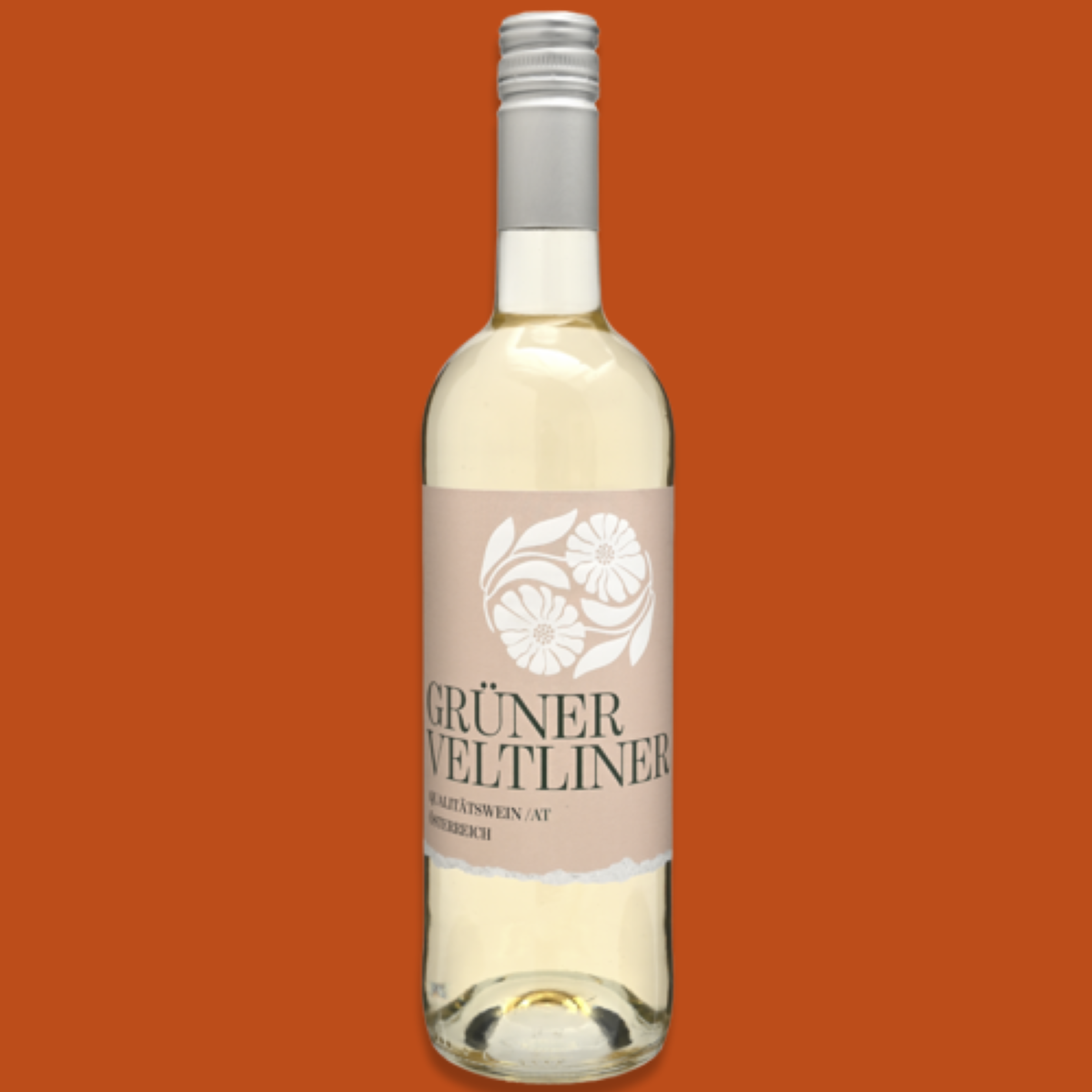
Prices as of November 23, 2026, as provided by Gall & Gall. You can see the current price and stock at Gall & Gall. Glazen.nl receives a small commission if you buy something through these links; it costs you nothing extra. No 18, no alcohol.