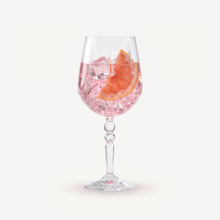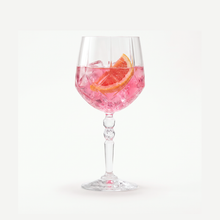
Nude Glass Pure Grappa Glass 8 Cl - 6 Pieces
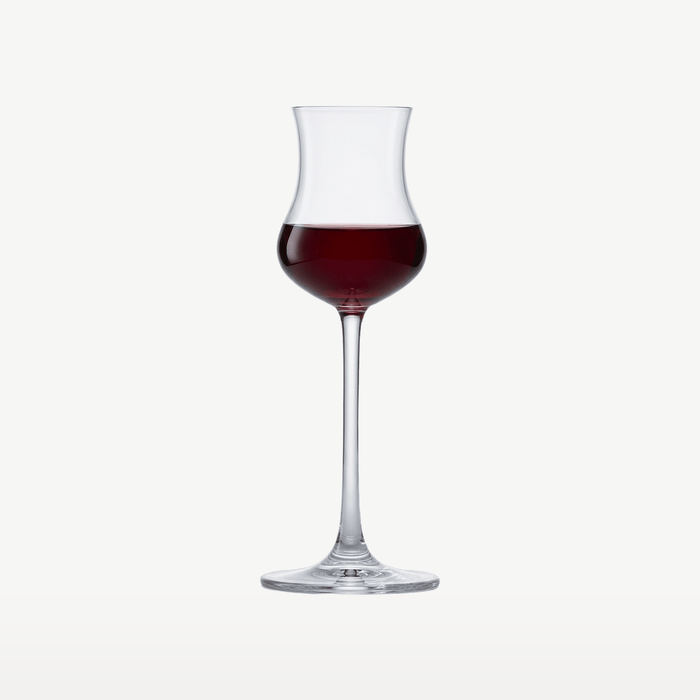
Nude Glass Vintage Port Glass / Grappa Glass 8.8 Cl - 2 Pieces
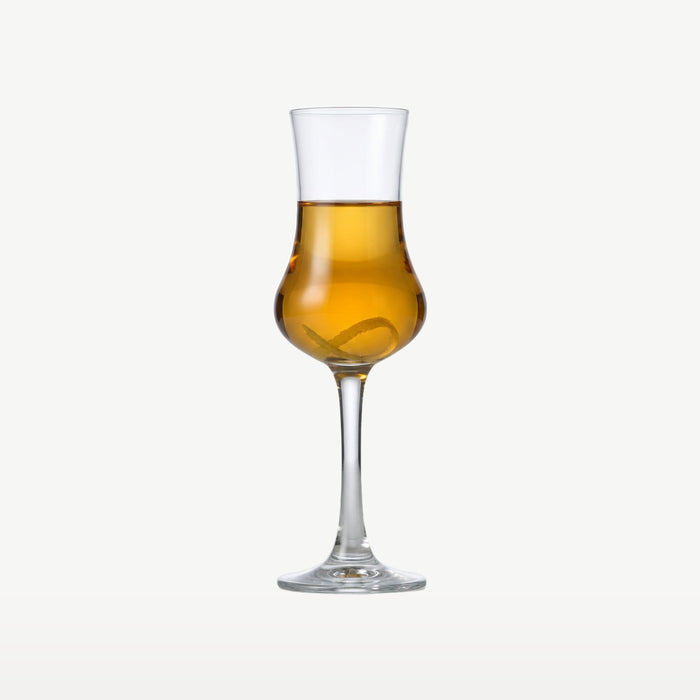
Royal Leerdam Specials Grappa / Shot Glass 9 Cl - 6 Pieces
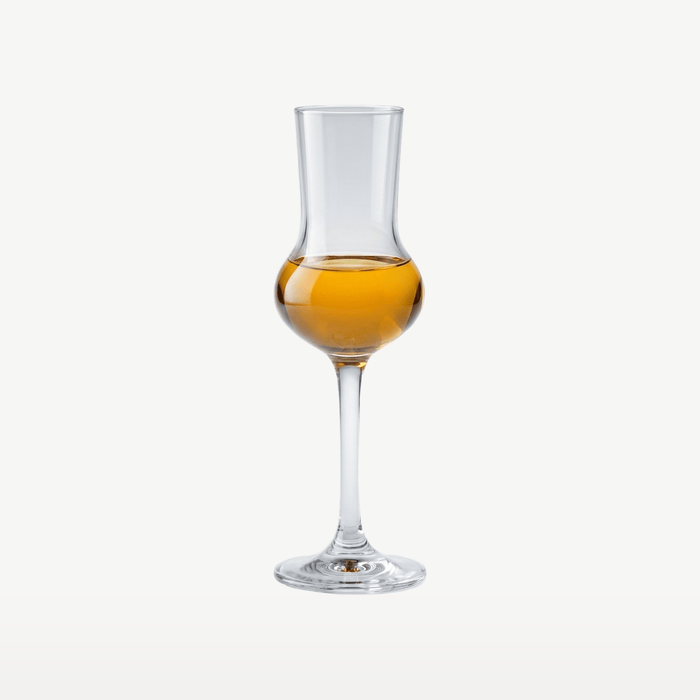
Bormioli Rocco Restaurant Liqueur Glass 8,1 Cl Grappa - 3 Pieces

How to pour it
a cachaça in
Cut the lime into eight wedges and remove the white core. Add the wedges and sugar to a sturdy tumbler.
Muddle the lime and sugar until the juice comes out. Press straight down and don't twist, or the peel will release bitter flavors.
Fill the glass with coarsely crushed ice and pour over 5 cl of cachaça.
Stir briefly from the bottom up to mix the juice, sugar, and liquor. Serve immediately.
What did you think of these instructions?
Just click a star. If you'd like to add a comment, we'll review it before it appears here.
Save this page
Email this page to yourself so you have the instructions handy when you're ready to make the drink. You'll also get a €5 discount code for the matching glasses when you spend €50 or more.
The story
Rum and cachaça are similar because they both come from sugarcane, but not from the same part of it. Rum is usually made from molasses, the leftover syrup after sugar is extracted from the cane. Cachaça is distilled from fresh-pressed juice, and you can taste the difference. It’s grassy, a little tart, and green, while rum made from molasses is often rounder and sweeter. Rhum agricole from the French Antilles is also made from fresh cane juice, which makes it more like cachaça than regular rum. In Brazil, some cachaça is aged in wood, sometimes in wood from tree species that grow only there. The name is also written as cachaca, without the cedilla under the c.
The right glass
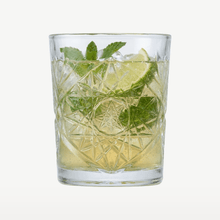
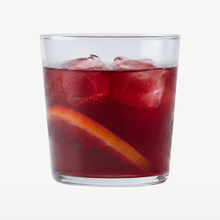
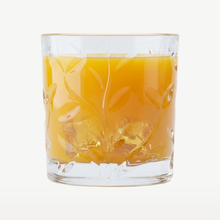
You make a caipirinha right in the glass, so it needs to stand up to a muddler. We recommend a sturdy tumbler with a thick base, around 30 cl. Vertical ridges give you a better grip when condensation forms on the glass from the ice. If you drink cachaça neat, a small tulip-shaped glass with a stem is better, as it keeps the aromas together. You’ll find them in our grappa glasses.

Stölzle Lausitz Kyoto tumbler 32 cl (6 pieces)

Bormioli Rocco Restaurant liqueur glass 8.1 cl Grappa (3 pieces)
Both sets together € 37,40.
The right tools
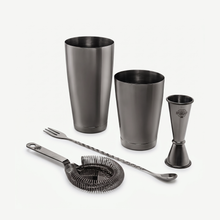
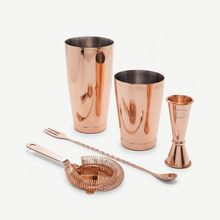
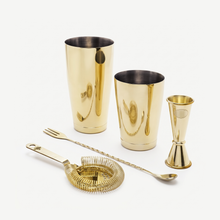
For a caipirinha, as well as a glass, you’ll need a muddler to muddle the lime and sugar, and a jigger for precise measuring. These are the bar tools we use ourselves; you’ll find everything in our bar tools & cocktail sets.


Glass set (our pick 01) + 2 bar tools together € 56,85.
What goes with this?
Cachaça is most often confused with rum, because both come from sugarcane. The difference lies in the raw ingredient: molasses versus fresh juice. Well-known rum bottles on our spirits pages include Havana Club and Captain Morgan. Each spirits page tells you the alcohol percentage, what it tastes like, which cocktails it works in, and which glass you need.


Variations & twists
The best-known drink made with cachaça is the caipirinha . Made with vodka instead of cachaça, it's called a caipiroska. Use passion fruit instead of lime and you have a passion fruit caipirinha. For a creamy drink, make a batida with fruit juice or condensed milk, such as the coconut batida de coco. If you want to find out what the spirit itself tastes like, pour an amarela neat into a small glass. Want to read more? See all drinks and brands.
Serving tip
Make a caipirinha just before serving it. Muddled lime turns bitter after fifteen minutes. Use coarsely crushed ice rather than whole cubes, so it chills faster and the drink stays a little thicker. Put the glass on a coaster, because condensation forms quickly on the outside.
Good to know
What's the difference between cachaça and rum?
What they're made from. Rum is usually made from molasses, the residue left over after sugar is extracted from the cane. Cachaça is distilled from fresh sugarcane juice. That's why cachaça tastes grassy, a little tart, and green.
What about rhum agricole?
Rhum agricole from the French Antilles is also made from freshly pressed sugarcane juice. In terms of flavor, it's therefore closer to cachaça than rum made from molasses. Still, they're two different spirits, each with its own name and rules.
Branca or amarela?
Branca, also called prata, is clear and rested in steel. You can taste the sugarcane most clearly in it, and it's usually used for a caipirinha. Amarela, also called ouro, has been aged in wood and is rounder. In Brazil, they also use native woods such as amburana, which gives it a distinctive sweet spiciness.
How much alcohol does cachaça contain?
Usually somewhere between 38 and 48 percent. In a caipirinha with 5 cl, the ice slowly melts into it, but it’s still a strong drink.
What sugar do you use in a caipirinha?
White granulated sugar, two teaspoons per glass. As you muddle, it rubs against the peel and extracts the oils. Syrup works too, but you miss out on that abrasion.
Why does a caipirinha turn bitter?
From the lime’s white pith and from muddling too vigorously. Cut the white pith out of the wedges and press the lime instead of twisting it.
Frequently asked questions
What exactly is cachaça?
A distilled spirit from Brazil, made from freshly pressed sugarcane juice. Rum is usually made from molasses, and that’s the difference. As a result, cachaça tastes grassy, a little tart and green.
Can I use rum for a caipirinha?
You can, but then it’s no longer a caipirinha and tastes different, rounder and sweeter. Rhum agricole made from fresh sugarcane juice is the closest to cachaça. With vodka, the drink is called a caipiroska.
What glass do you use for a caipirinha?
A sturdy tumbler of about 30 cl with a thick base, since you muddle the lime and sugar right in the glass. If you drink cachaça neat, a small stemmed tulip glass holds the aromas better.
What do branca and amarela mean on the label?
Branca or prata is clear and has rested in steel. Amarela or ouro has been aged in wood and tastes rounder. In Brazil, it is also aged in native woods, such as amburana.
Everything for your bar,
to one address
Hospitality-grade glasses, sold in sets. Order today, delivered quickly.
Shop the glasses →