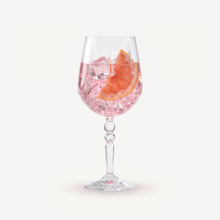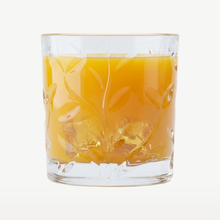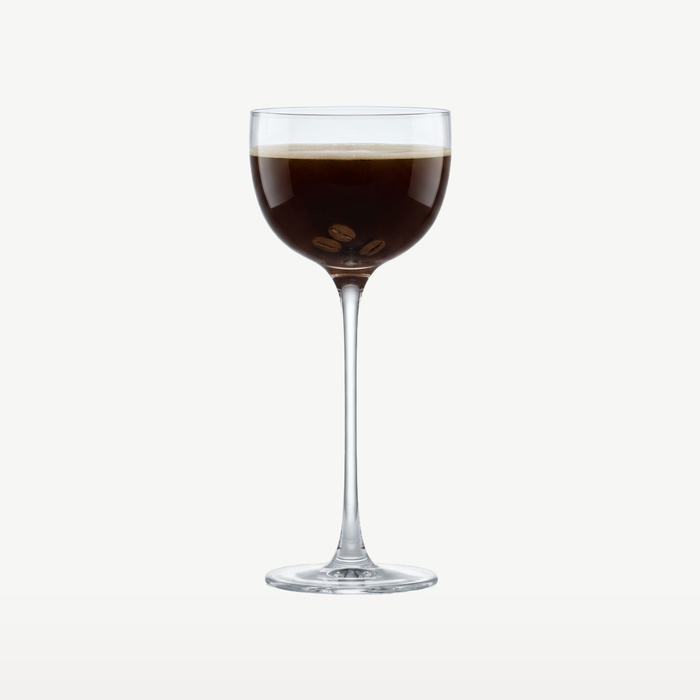
Nude Glass Savage Pony Glass 13.5 Cl - 6 Pieces
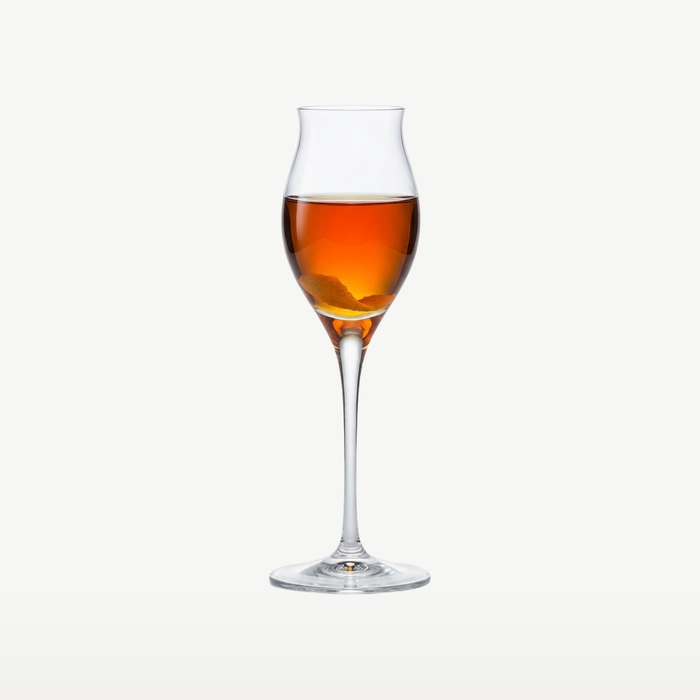
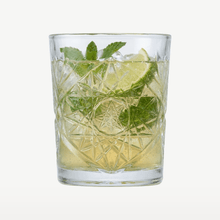
RCR Invino Liqueur Glass 10 Cl - 6 Pieces
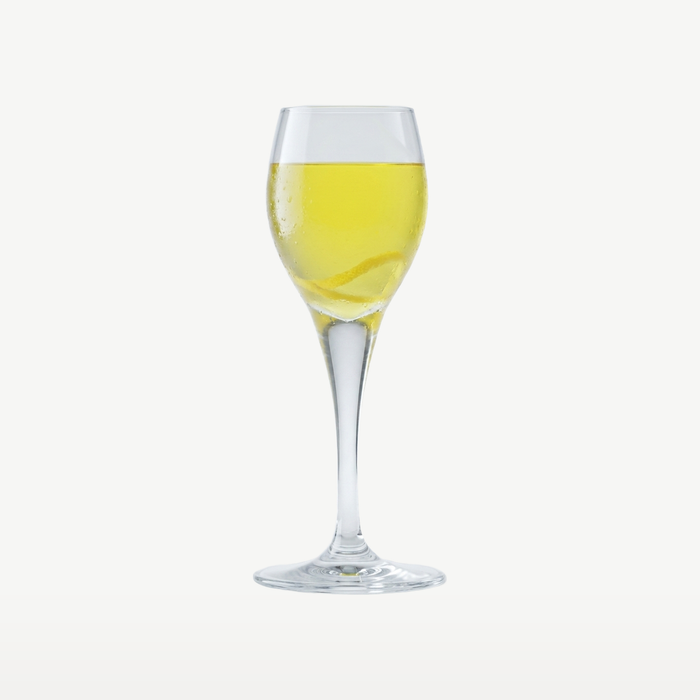
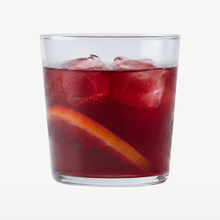
Nude Glass Primeur Liqueur Glass 10 Cl - 6 Pieces
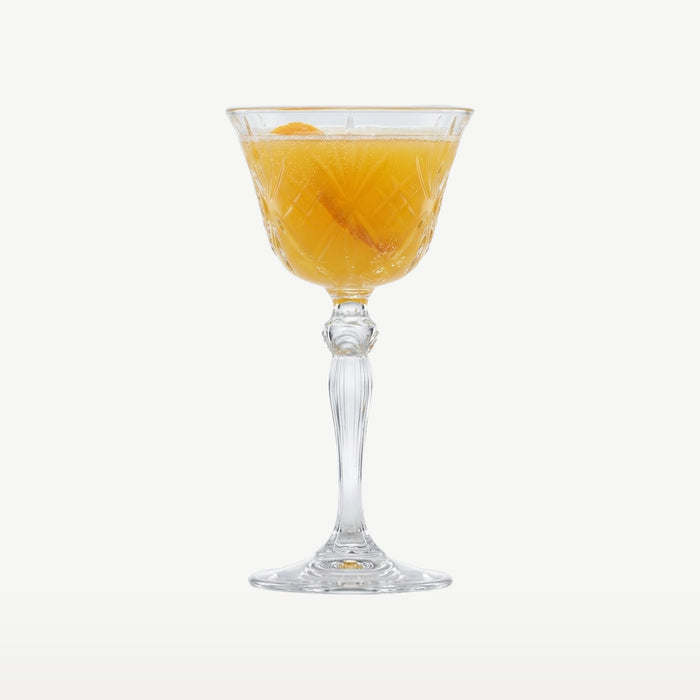
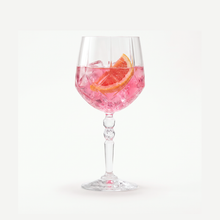
RCR Melodia Coupette Glass 16 Cl - 6 Pieces

How to pour
a grappa in
Get a small tulip-shaped stemmed glass ready. Chill a young grappa to 10 to 15 degrees; serve an aged one warmer, closer to room temperature.
Pour 4 cl and hold the glass by the stem so your hand doesn't warm the drink.
Grappa is served neat, without ice or a mixer. In Italy, it's served after a meal, after coffee; this is called ammazzacaffè.
To make a caffè corretto, pour 2 cl of grappa into a fresh 2.5 cl espresso and stir briefly.
What did you think of this guide?
Just click a star once. If you'd like to add a comment, we'll review it before it's posted here.
Save this page
Send this page to your own email so you have the information handy when you’re ready to pour. You’ll also get a € 5 discount code on purchases of € 50 or more, for the glasses that go with it.
The story
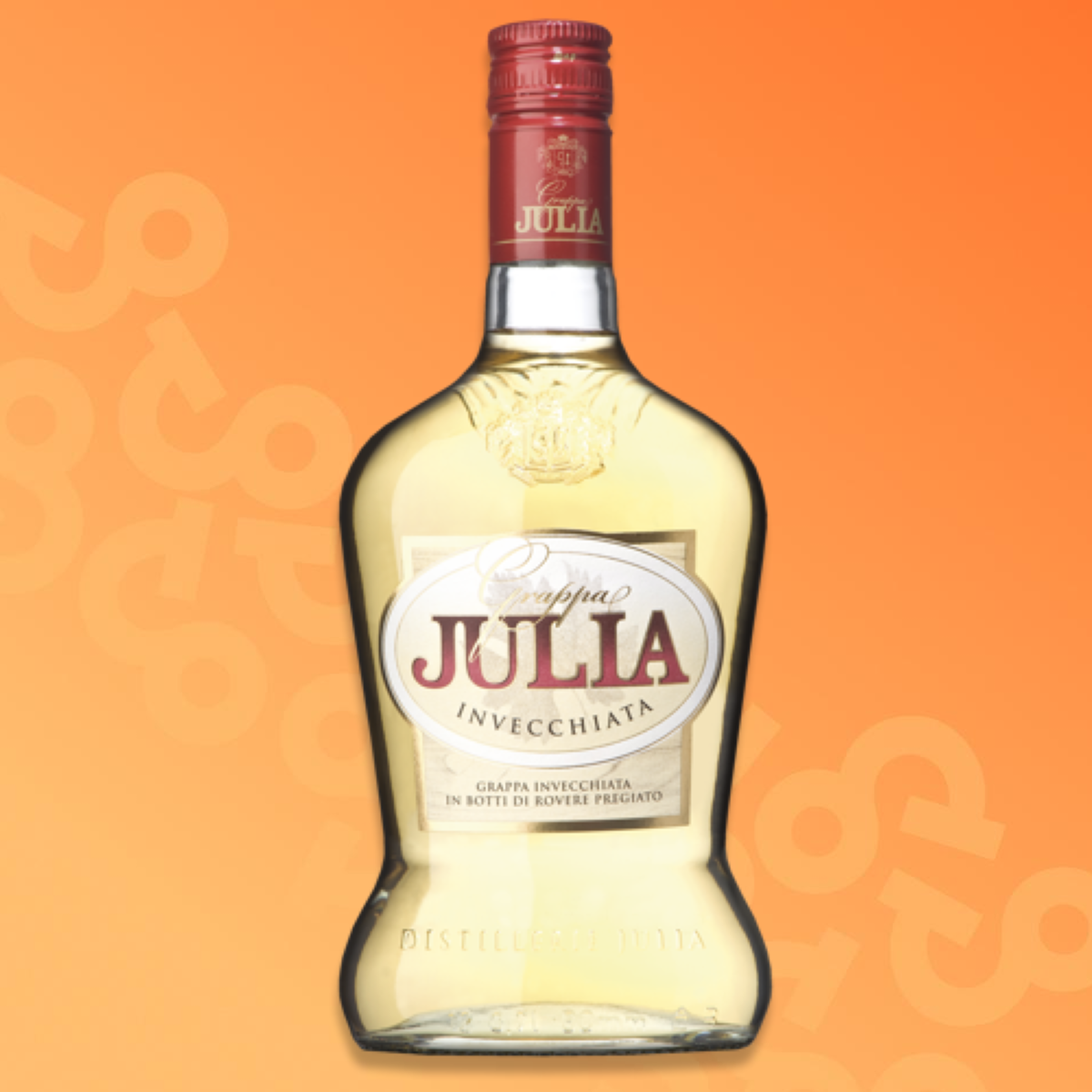
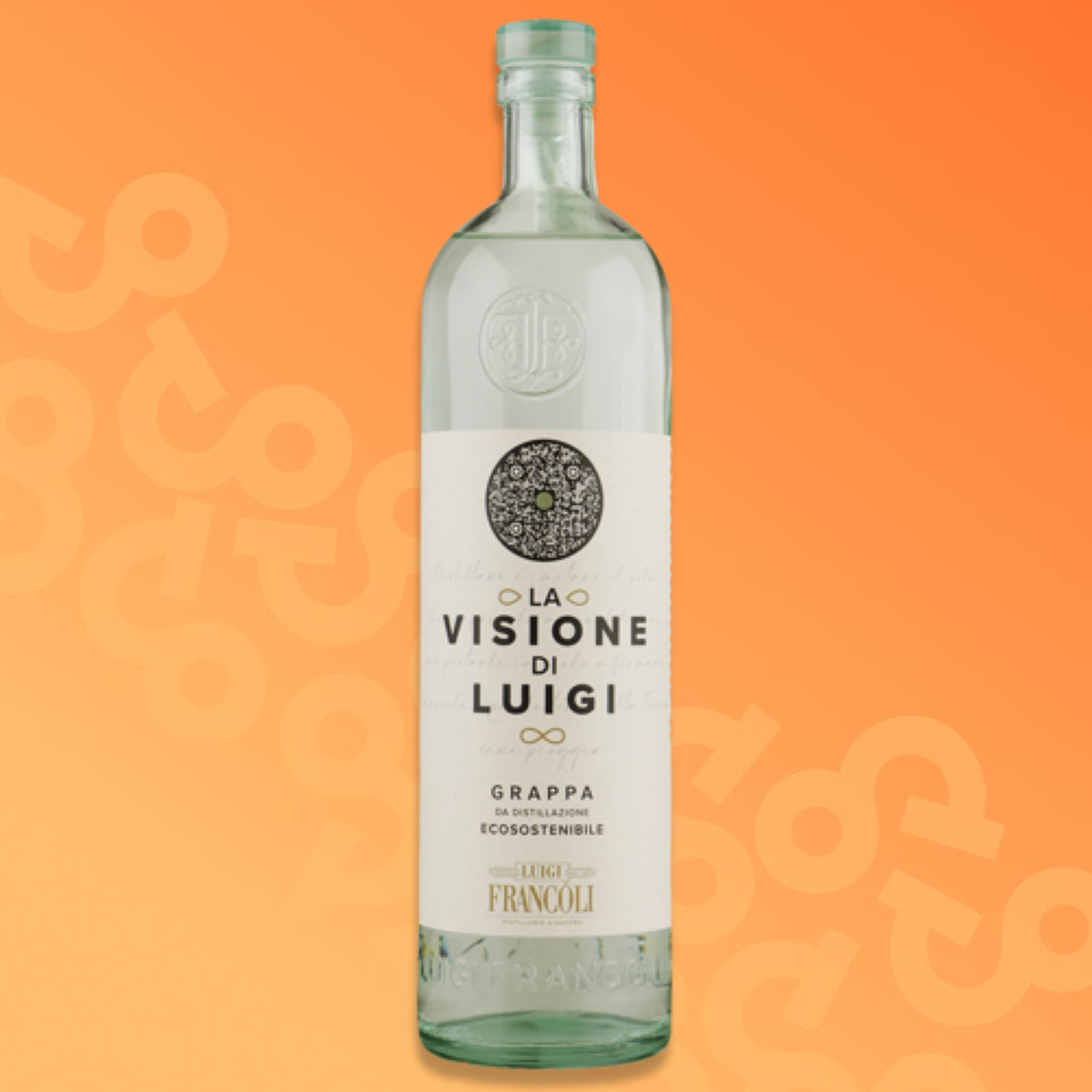
After grapes are pressed for wine, a moist cake of skins, seeds, and stems is left behind. In Italy, that vinaccia doesn’t go to waste: it goes into the still, where it becomes grappa. Since it contains very little juice, the pomace is usually distilled with steam, which requires careful handling: distilling too hard produces bitter notes. Young grappa is then stored in steel and remains clear. Leave it to age in wood and, over time, it becomes amber-colored invecchiata, or riserva if it stays there even longer. A monovarietal grappa is made from a single grape variety, such as Moscato or Nebbiolo.
The right glass
Grappa is served in a small stemmed glass with a tulip-shaped bowl: a rounded base that gathers the aroma and a slightly narrowed neck that guides the alcohol vapors past your nose rather than straight into it. The stem isn’t just decorative; holding the glass by it keeps your hand from warming the drink. Eight to ten centiliters is plenty, since you only pour a few centiliters. Both sets below are also included in our liqueur glasses.

Chef & Sommelier Spirits Grappa Liqueur Glass, 10 cl (6 pieces)

Nude Glass Pure Grappa Glass, 8 cl (6 pieces)
Both sets together € 74,90.
The right tools
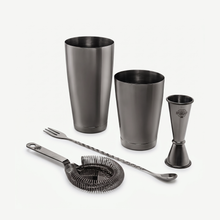
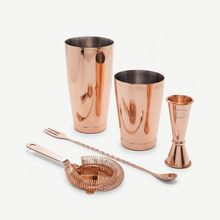
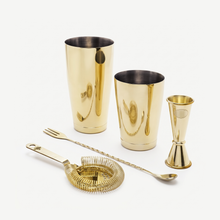
For grappa, alongside a glass, use a jigger to measure out four centiliters and a bar spoon to stir the shot into your espresso. These are the bar tools we use ourselves; you’ll find everything in our bar tools & cocktail sets.


Glass set (our pick 01) + 2 bar tools together € 59,85.
What goes with this?
Grappa isn’t in our drinks guide yet. These are the bottles that come closest: the wine left after the pomace is pressed, the grapes used in a monovarietal grappa, and the Italian bottles you’ll find alongside it at the table. Each drink page tells you the alcohol percentage, what it tastes like, which cocktails it works in, and which glass you need.


Variations & twists
Giovane and invecchiata are the two main styles: clear from steel versus amber-colored from wood, with a riserva aged even longer in the cask. There is also monovarietal grappa made from a single grape variety, such as Moscato or Nebbiolo, whose aroma you can recognize. And there is grappa aromatizzata, infused with herbs or fruit, such as the version with a sprig of rue in the bottle. Read more? Browse all drinks and brands.
Serving tip
Serve young grappa at 10 to 15 degrees and aged grappa a little warmer, closer to room temperature. Hold the glass by the stem. In Italy, grappa is served after the meal, following coffee; this is called ammazzacaffè, and adding a splash to espresso is called caffè corretto.
Good to know
What is vinaccia?
The pomace left over after grapes are pressed for wine: skins, seeds and stems, with a little moisture still in them. This mass is the raw material for grappa. Because it contains little juice, steam is usually used instead of a regular still.
Can anything be called grappa?
No. The name is protected and may only be used for products from Italy, the Italian cantons of Switzerland, and San Marino. Similar spirits from France are called marc, from Spain orujo, and from Portugal bagaceira.
Giovane, invecchiata or riserva?
Giovane is young grappa that rests in steel after distillation and remains clear. Invecchiata has been aged in wood, giving it an amber color; a riserva has been aged even longer. Young grappa tastes sharper and more grapey, while aged grappa is rounder and woodier.
What is monovarietal grappa?
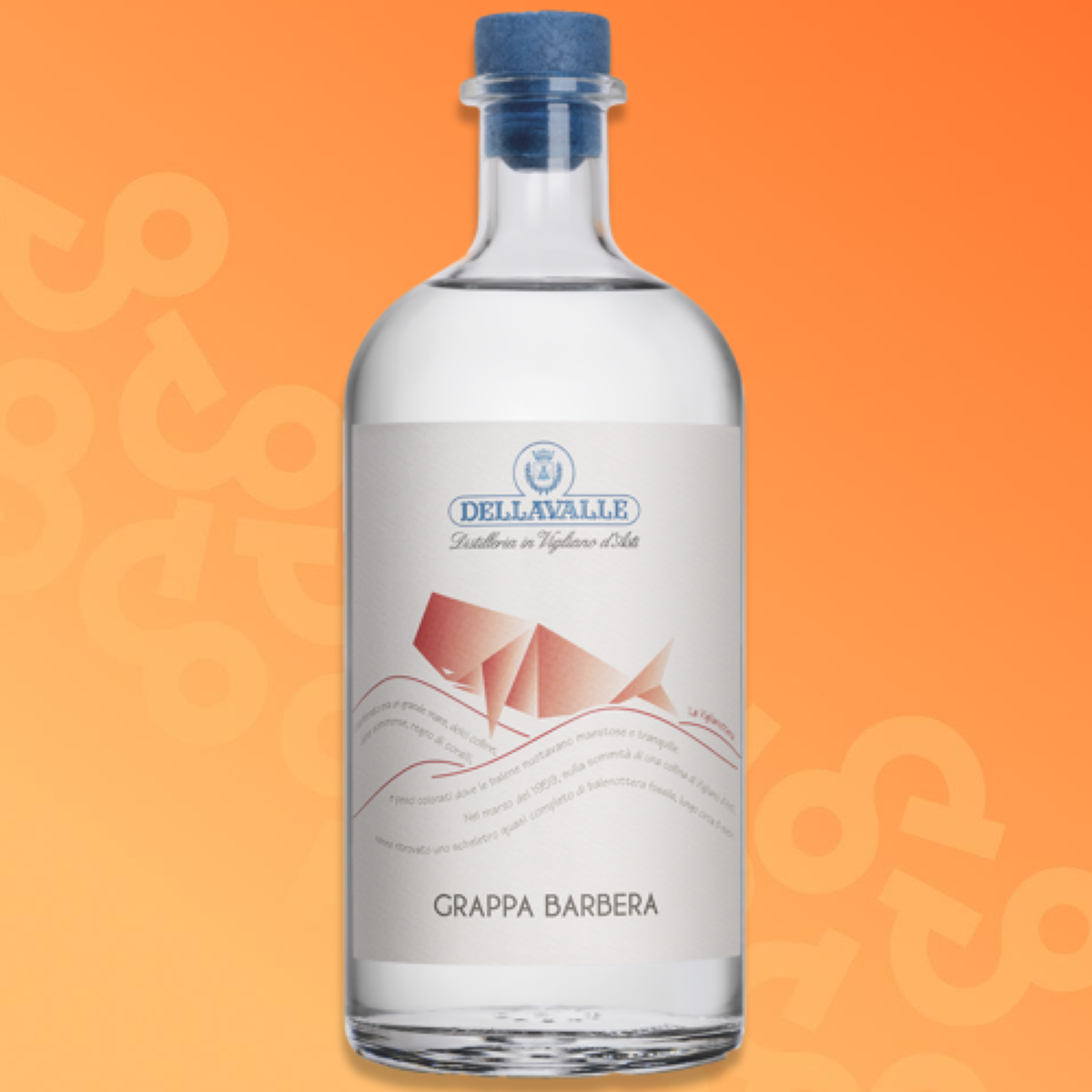
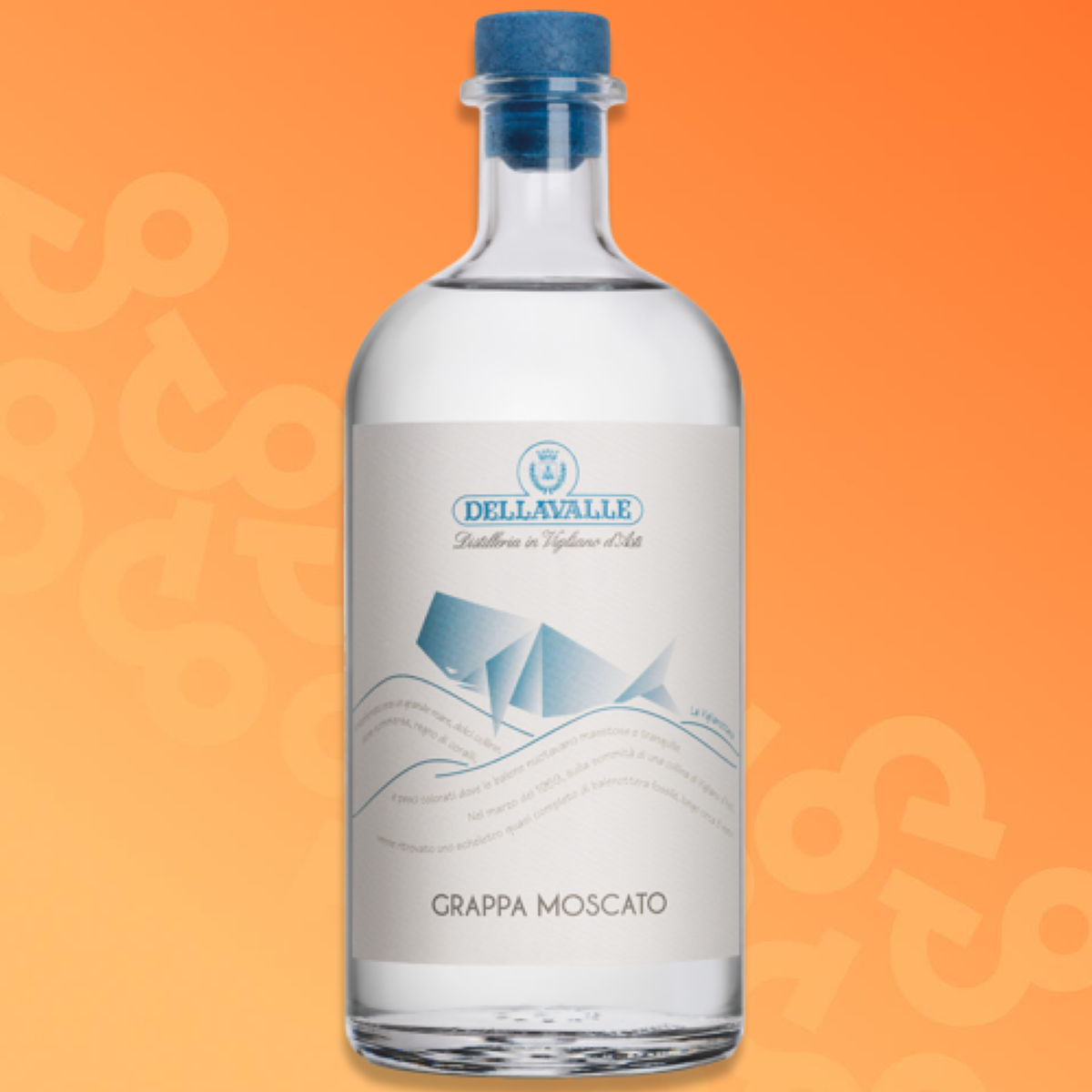
Grappa made from the pomace of a single grape variety, such as Moscato, Nebbiolo or Pinot. The grape is listed on the label. Since only one variety is used, you can recognize its character in the aroma.
Caffè corretto or ammazzacaffè?
A caffè corretto is an espresso with a splash of spirits, often grappa. An ammazzacaffè is the small glass served after coffee, separately. Both are part of the end of an Italian meal.
At what temperature should you serve grappa?
A young grappa is best served at around 10 to 15 degrees, lightly chilled but not ice-cold. Serve an aged one warmer, closer to room temperature, so the wood notes come through better. Too cold, and an aged grappa tastes flat.
Frequently asked questions
What is grappa made from?
From vinaccia, the grape pomace of skins, seeds, and stems left over after grapes are pressed for wine. The pomace is distilled, so grappa is not a wine distillate but a pomace distillate.
How strong is grappa?
Usually around 40 percent, sometimes a little higher. It’s always stated on the label. Grappa is served neat, in portions of a few centiliters.
Which glass is used for grappa?
A small, tulip-shaped glass with a stem, holding about eight to ten centiliters. The bowl gathers the aroma, while the narrow neck directs the alcohol vapors away; the stem keeps your hand away from the drink.
What is the difference between grappa and marc?
Very little, basically: both are distilled from grape pomace. The difference lies in their origin and name. Grappa comes from Italy, marc from France, and each country has its own rules and style.
Buy grappa
Want the bottle delivered straight to your door? Order grappa online from Gall & Gall. Gall & Gall has 18.
Prices as of November 20, 2026, as provided by Gall & Gall. You can see the current price and stock at Gall & Gall. Glazen.nl receives a small commission if you buy something through these links; you pay nothing extra. No alcohol under 18.
Everything for your bar,
to one address
Hospitality-grade glasses, sold in sets. Order today, delivered quickly.
Shop glasses →