CVNE (Cune)
CVNE, pronounced and sold as Cune, is one of Rioja's classic wineries. The winery has been based in Haro since the nineteenth century and makes red Rioja there, from crianza to gran reserva, as well as white wine, rosé and sparkling wines. The Imperial and Viña Real brands are also part of the company.


Cune and the regions behind it
Cune is Rioja through and through, with excursions to other Spanish regions. We have a dedicated page for the most important ones.

Tempranillo
Spain's most important red grape, and the basis of virtually every Cune red wine.
About Tempranillo →
Ribera del Duero
Rioja's robust counterpart, on the high plateau along the Duero River.
About Ribera del Duero →
A Rioja House with Three Faces
CVNE stands for Compañía Vinícola del Norte de España, the Wine Company of Northern Spain. It was founded in 1879 by two brothers in Haro, a town in Rioja Alta that had just gained a railway line. Several major wineries sprang up around Haro's station at the time, and CVNE is still located there. The company remains in the hands of the founders' descendants. The name Cune came about because people read the V in CVNE as a U; it also became the brand name on the bottle.
CVNE owns three well-known brands. Cune is its largest range, from the fruity Afrutado to Crianza, Reserva and Gran Reserva. Imperial is the range of the most aged and refined red wines. Viña Real comes from Rioja Alavesa, the part of Rioja north of the Ebro, and has its own winery near Laguardia. The red wines are mainly made from Tempranillo, supplemented by Garnacha, Graciano and Mazuelo. CVNE uses Viura for its white wines, and outside Rioja the winery also makes Verdejo in Rueda, Tempranillo in Ribera del Duero and Cava.
At a glance
Eleven bottles, from Monopole to Imperial
First white, rosé and sparkling wines, then the red Rioja wines in order of aging: from Crianza through Reserva to Gran Reserva. The higher the tier, the longer the wine has spent in barrel and bottle. At the bottom, a Viña Real and a red wine from Ribera del Duero.

Cune Monopole
Fresh white Rioja made from Viura, from the region's limestone soils. Floral, with apple, pear and lemon.

Cune Barrel Fermented
Viura fermented in oak barrels. Richer and fuller than Monopole.

Cune Rueda Verdejo
Fresh Verdejo from Rueda, with tropical fruit, lemon, green herbs and fennel.

Cune Rosado
One hundred percent Tempranillo. Raspberry, strawberry and a hint of licorice. A full-bodied rosé.
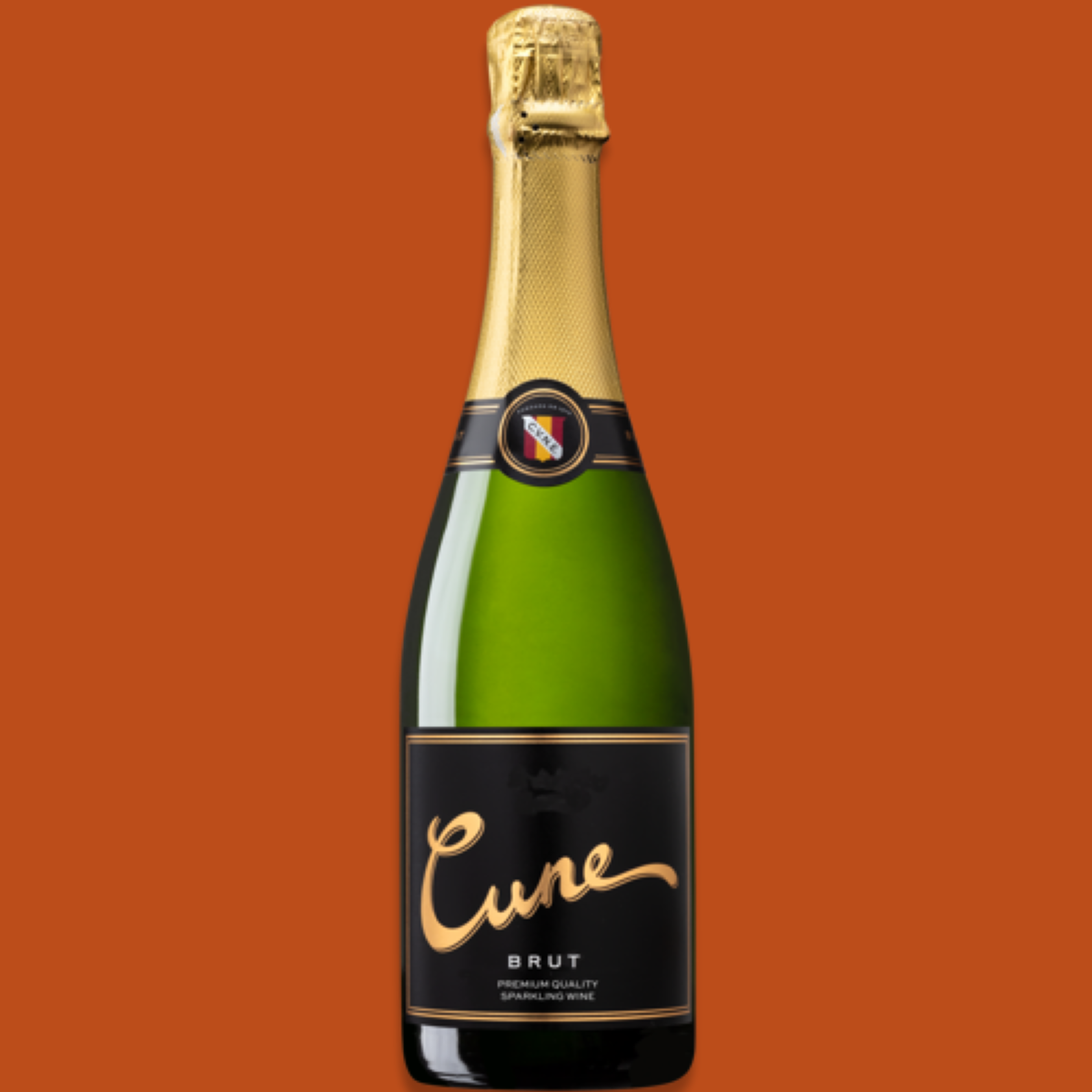
Cune Cava
Dry Spanish sparkling wine with a second fermentation in the bottle, just like Champagne.
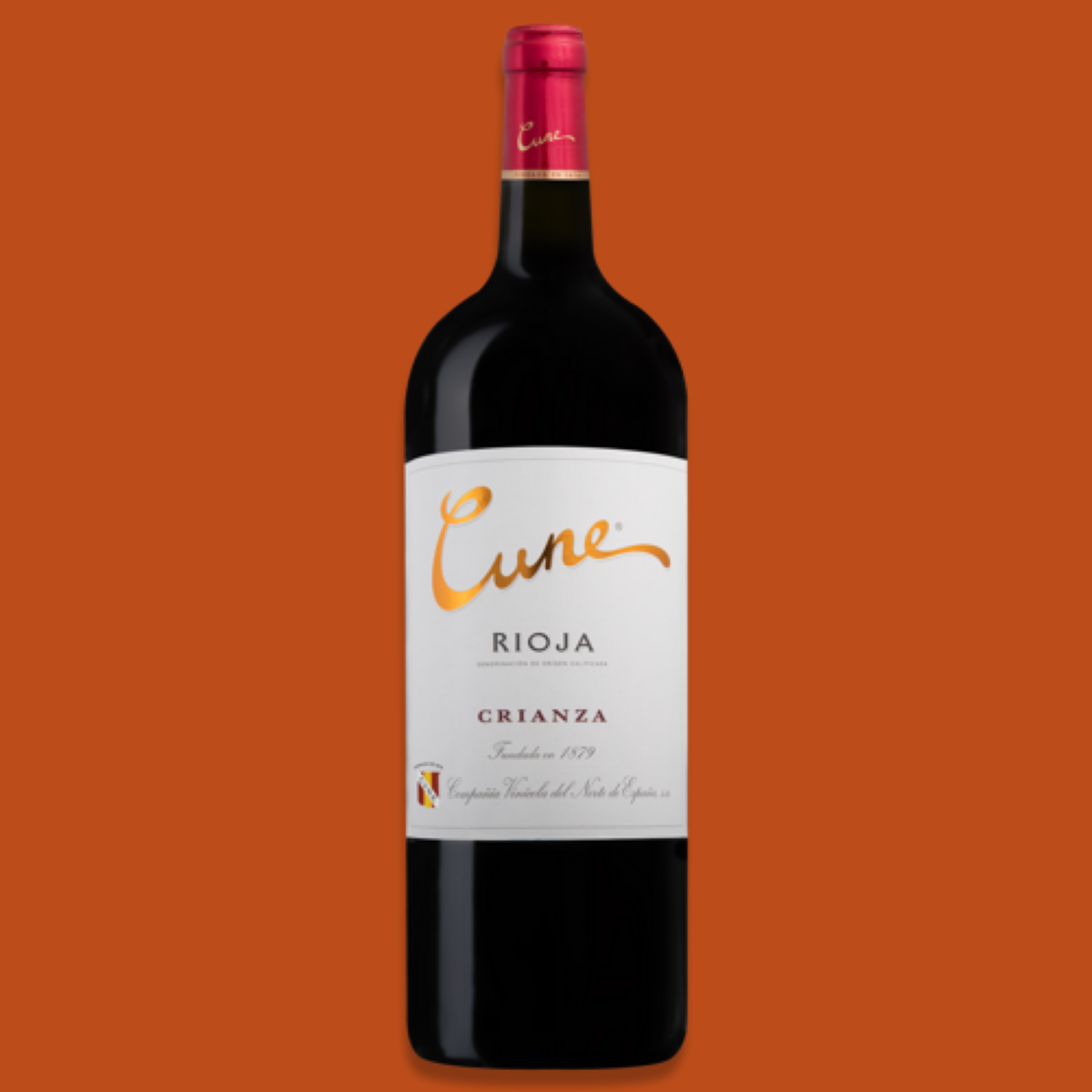
Cune Rioja Crianza
Mainly Tempranillo with Garnacha and Mazuelo, aged in oak for twelve months. Dark fruit and a hint of vanilla.
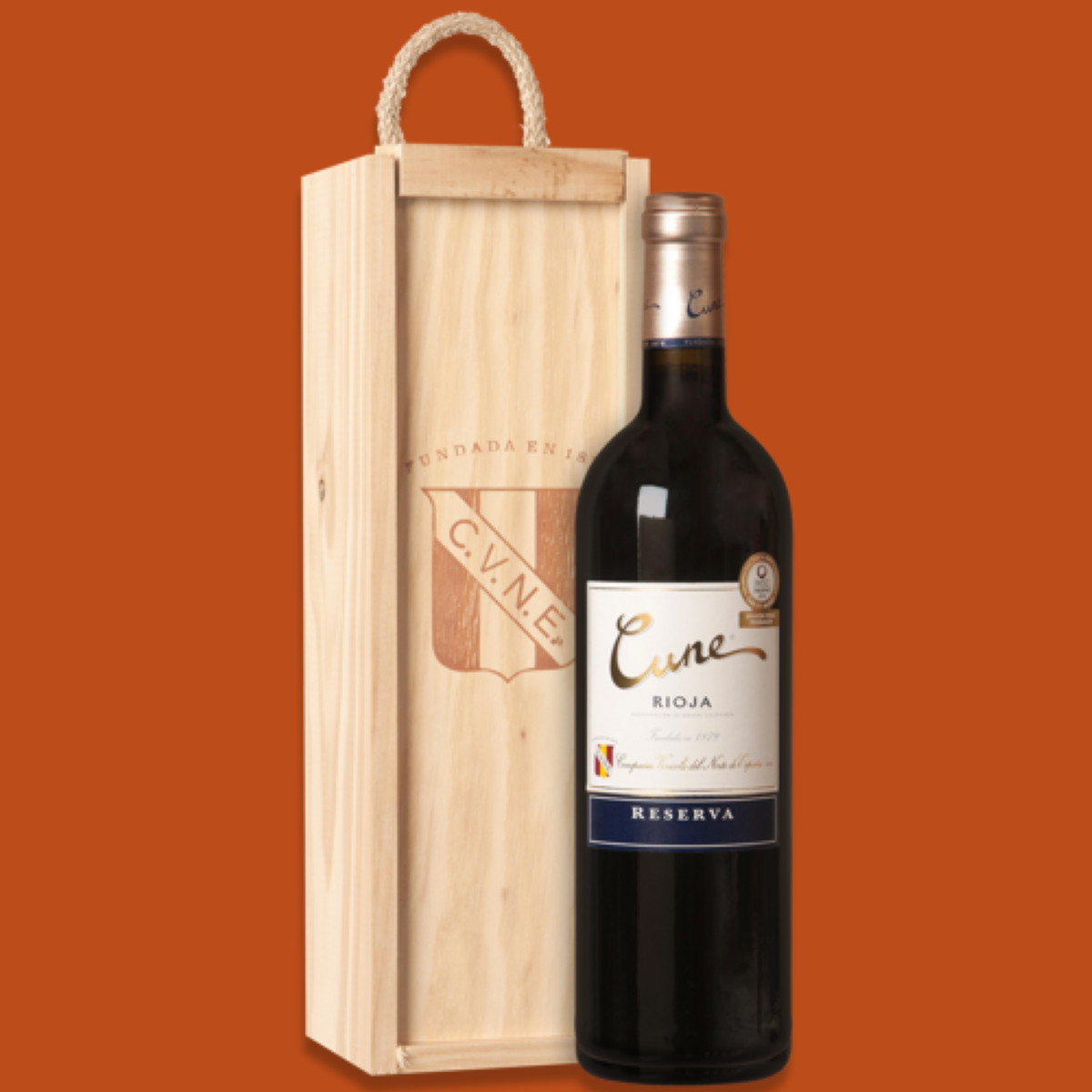
Cune Rioja Reserva
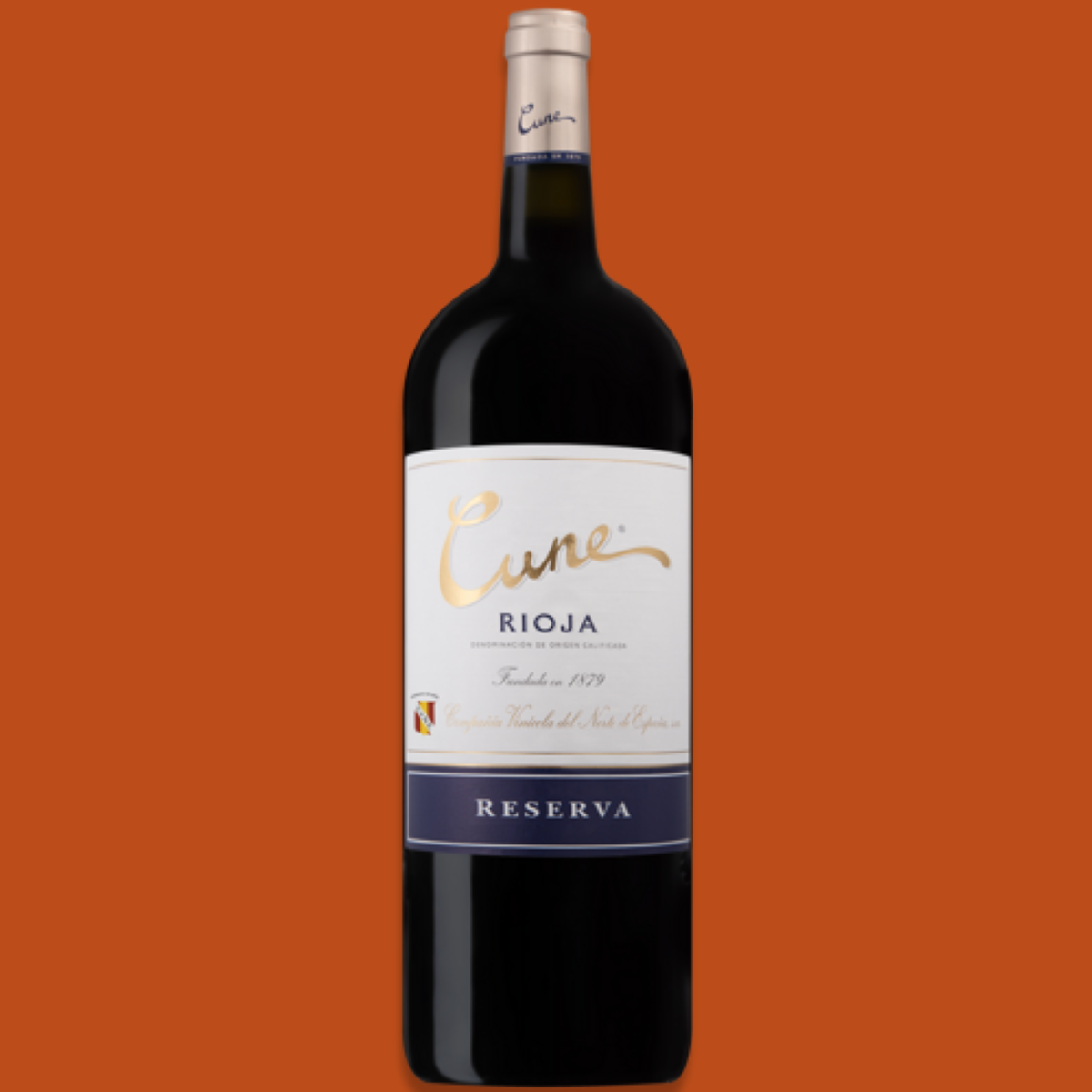
Aged for eighteen months in American oak and then two years in the bottle. Full-bodied and rounded, with blackberries, cassis and vanilla.

Cune Gran Reserva
Tempranillo with Graciano and Mazuelo, aged for two years in oak and three years in the bottle. Blackcurrants, blackberries and vanilla.

Imperial Reserva
From the Imperial range, aged for 24 months in French and American oak. Dark fruit, licorice, clove, tobacco and thyme.

Viña Real Crianza
A classic blend of Tempranillo, Garnacha, Mazuelo and Graciano, aged for fourteen months in French and American oak.
Cune Ribera del Duero Roble
Tempranillo from the high plateau along the Duero, briefly aged in oak. Bold and fruity.
What exactly is the difference between joven, crianza, reserva and gran reserva? Find out on our Rioja page.
Cherries, vanilla and soft oak
Red fruit & vanilla
A red Cune smells of cherries, strawberries and blackberries. Aging in American oak adds vanilla, coconut and spices. A Reserva or Gran Reserva also has notes of leather, tobacco and dried fruit.
Smooth and rounded
Tempranillo has soft tannins and fresh acidity. A Crianza is juicy and fruity, while a Gran Reserva is softer and rounder, having had a long time to age.
Dry and spicy
The red wines finish dry, with some spice and oak. Monopole and Verdejo, on the other hand, finish fresh and citrusy.
Flavor profile of Cune Rioja Crianza. A Reserva or Imperial rates higher in intensity, while Monopole and Verdejo rate higher in freshness and lower in intensity.
How to serve Cune
Red Rioja just below room temperature, white, rosé and cava well chilled.
Red at 16 to 18 degrees
Serve a Crianza at around 16 degrees to keep it fresh and fruity. A Reserva, Gran Reserva or Imperial can be served at 17 to 18 degrees. If the bottle is in a warm room, put it in the refrigerator for fifteen minutes.
More about wine temperature →Let Gran Reserva breathe
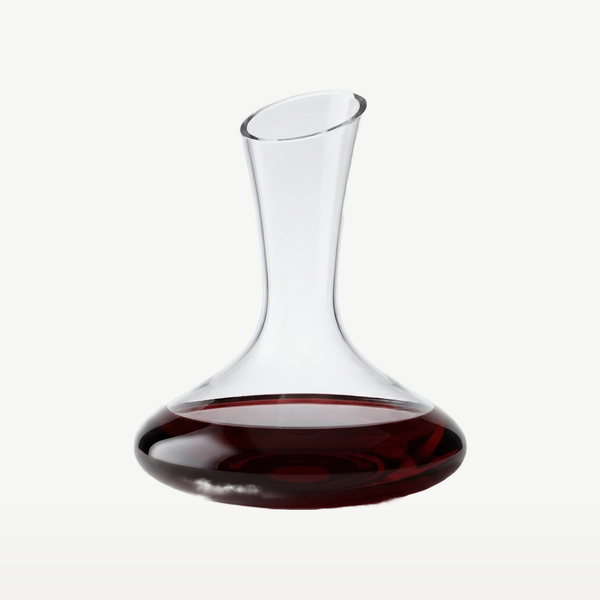
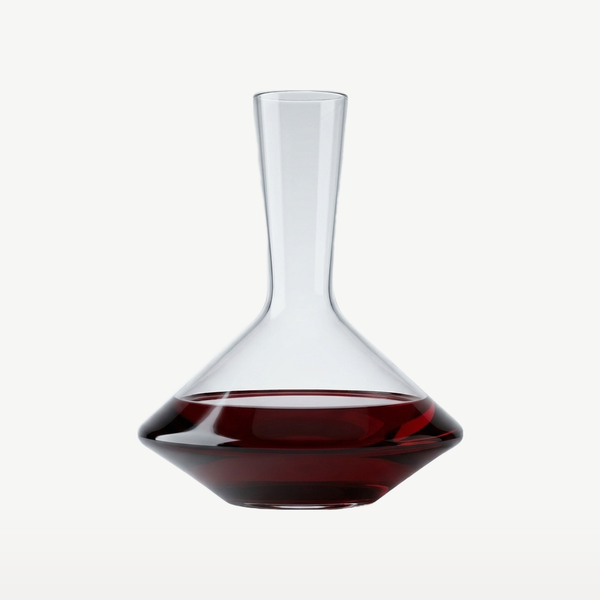
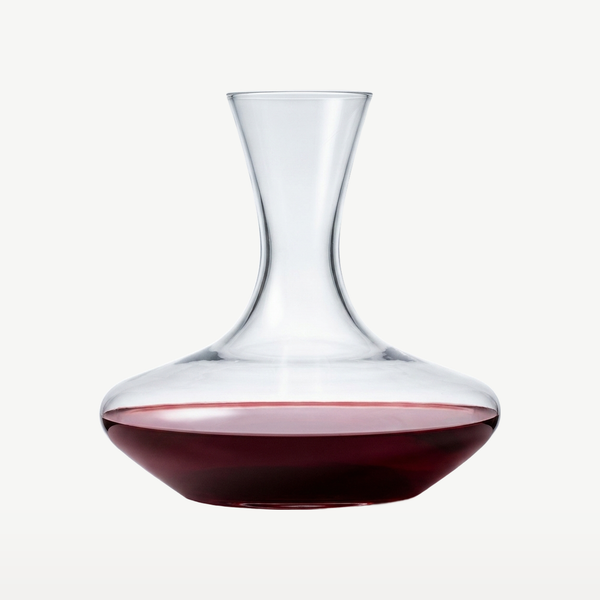
An older Gran Reserva or Imperial benefits from a little air. Carefully pour it into a decanter half an hour before eating, so any sediment stays in the bottle. A Crianza can be poured straight away.
Decanters →Chilled white, rosé and cava
Serve Monopole, Verdejo and Rosado at 8 to 10 degrees. Barrel Fermented can be served a little warmer, around 11 degrees. Serve Cava well chilled, at 6 to 8 degrees.
More about wine temperature →Cune at the table
Rioja is made for Spanish cuisine: lamb, chorizo, ham, and stews. With white wine, rosé, and cava too, you’ll have a bottle to suit an entire evening of tapas.
Tapas and fish
Cava and crisp white wine pair well with olives, prawns, fried calamari, grilled octopus, and fish.
Paella and barbecue
The full-bodied Tempranillo rosé pairs well with paella, grilled vegetables, barbecued chicken, and a summer lunch.
Lamb and ham
A crianza is at its best with lamb chops, Serrano ham, jamón ibérico, chorizo, and Manchego.
Braised dishes and game
The long-aged wines pair well with leg of lamb, braised meat, game, mushroom risotto, and aged cheese.
The right glass for Cune
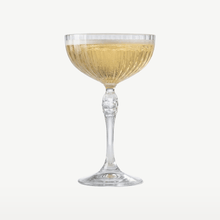
Pour a crianza into a large red wine glass and a reserva or gran reserva into a tall, large bowl. For Monopole and rosado, choose a smaller glass, and serve cava in a flute.


Everything you still wanted to know about Cune
Can't find your question here? Read more about wine and food, or get in touch.
To wine and food pairings →What is CVNE or Cune?
What is the difference between Cune crianza, reserva, and gran reserva?
What is the difference between Cune, Imperial, and Viña Real?
How much alcohol does Cune contain?
Which glass should you use for Rioja?
What food goes with Cune Rioja?
Buy CVNE (Cune)
Want the bottle delivered straight to your home? Order CVNE (Cune) online from Gall & Gall. Gall & Gall has 28 varieties, 5 of which are on sale.
Prices as of November 22, 2026, as provided by Gall & Gall. You can see the current price and stock at Gall & Gall. Glazen.nl receives a small commission if you buy something through these links; you pay nothing extra. No 18+, no alcohol.