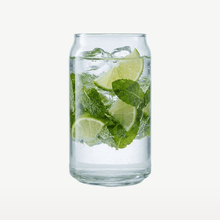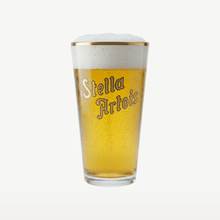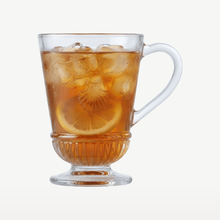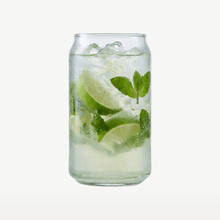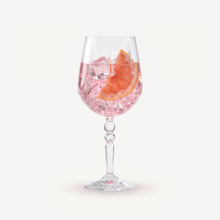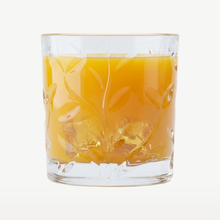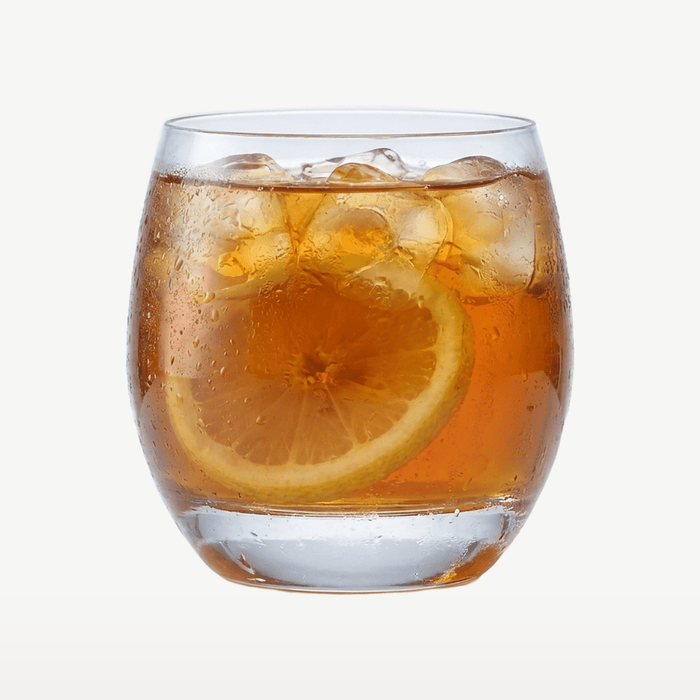
Royal Leerdam Amira Amuse Glass 15 Cl - 6 Pieces
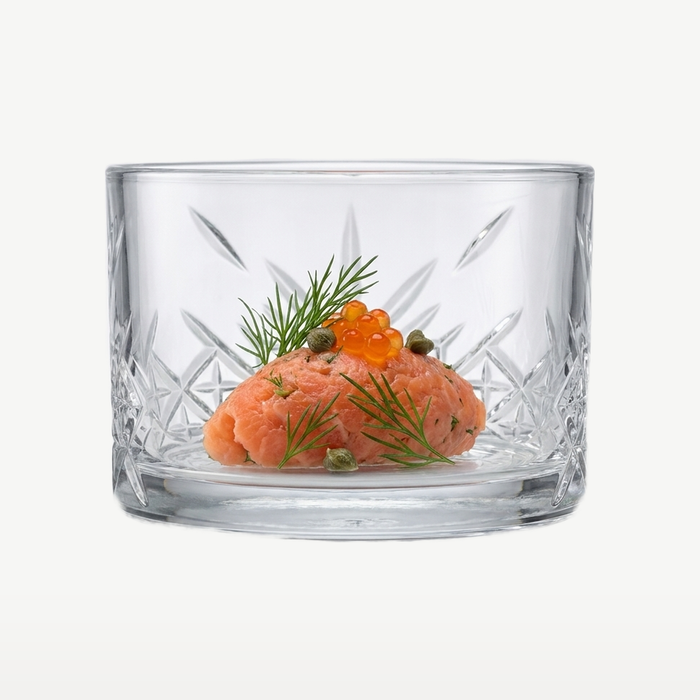
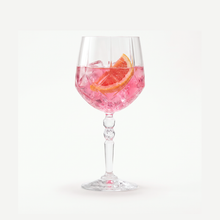
Pasabahce Timeless Amuse Glass 23,6 Cl - 4 Pieces
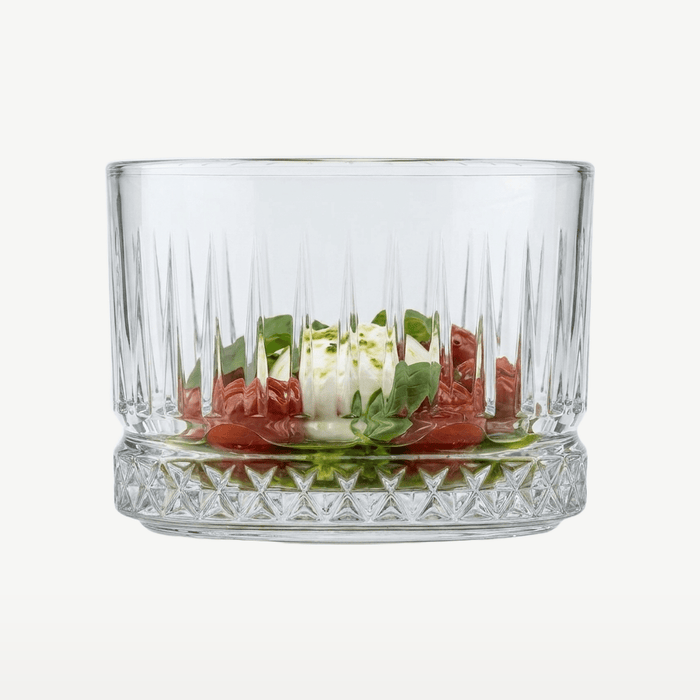
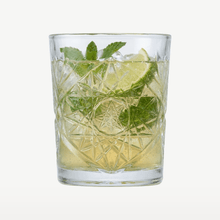
Pasabahce Elysia Amuse Glass 23,5 Cl - 4 Pieces
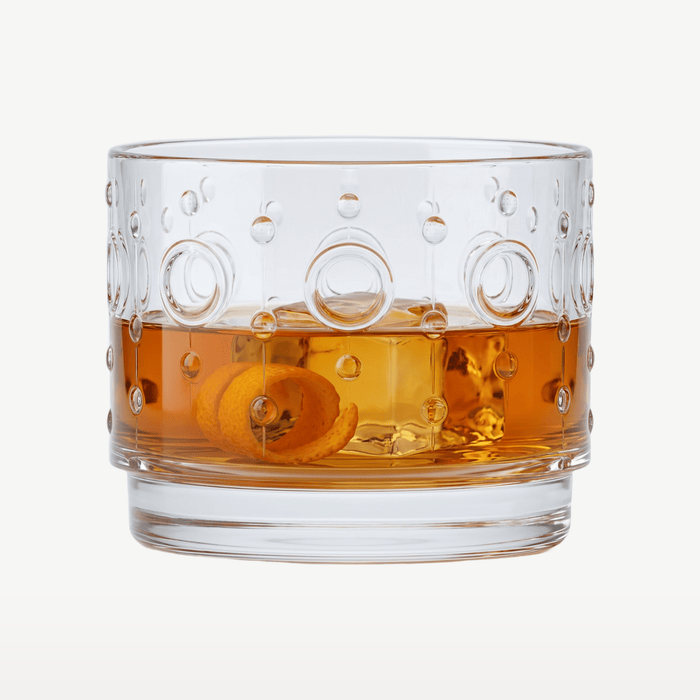
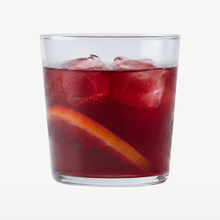
RCR Circus Low Tumbler 17 Cl - 6 Pieces

The beet soup recipe
for your table
Boil the beets, skin and all, in plenty of water until you can easily pierce them with a knife; allow about an hour. If you’re using precooked beets from a vacuum pack, skip this step and you’ll be ready forty-five minutes sooner, although the flavor will be flatter.
Peel the cooled beets and cut them into cubes. Do this on a board that can be stained, and wear gloves, because beet juice soaks into wood and your fingers and doesn’t come out easily with water.
Sauté the onion and garlic until translucent, add the diced beets and potato, and pour in the broth. Simmer everything for twenty minutes until the potato falls apart, then purée the soup until smooth with an immersion blender.
Now stir in the vinegar or lemon juice and taste. Without acidity, the soup stays sweet and flat; with it, the earthy flavor comes through and the color stays deep red instead of turning brown. Only then season with salt and pepper, because the acidity changes how salty it tastes.
What did you think of this recipe?
Just click a star. If you’d like to add a comment, we’ll review it before it appears here.
Save this recipe
Send the beet soup recipe to your email so you have it handy when you’re ready to make it. You’ll also get a € 5 discount code on purchases over € 50, for the glasses that go with it.
The story
Beet soup belongs to Eastern European cuisine, where it is known as borscht. That version isn’t a smooth purée but a hearty soup with white cabbage, potato, and often a piece of beef or bacon, soured with vinegar or sauerkraut brine. The puréed version you usually find here in the Netherlands is a simplified offshoot: the same beet, the same acidity, but without the chunks. What both versions have in common is that the acidity isn’t an afterthought added for flavor. It’s part of the recipe from the start, because otherwise the beet stays too sweet and its color fades.
The right glass
The charm of serving beet soup in a glass is the white sour cream swirl against that deep red backdrop, and for that you need a smooth, clear glass. The 10-centiliter Islande Tubo glass is just that: straight, without texture, and, according to the description, made to show off layers of color. The low 17-centiliter Circus tumbler is roomier and handy for the cold summer version, but its bubble texture catches the light and obscures the layers, so the smooth glass is the better choice for the swirl. Both glasses are made of clear glass and are dishwasher-safe. Find more straight-sided styles in the appetizer glasses collection.

Arcoroc Islande Shot Glass 10 cl Tubo (6 pieces)

RCR Circus Low Tumbler 17 cl (6 pieces)
Both sets together € 42,90.
The right tools
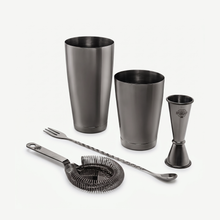
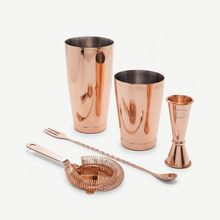
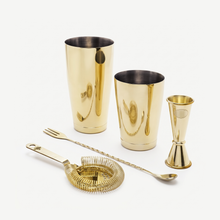
To make beet soup, you'll need a citrus juicer for the lemon juice and a jigger to measure the acidity, in addition to the glass. These are the bar tools we use ourselves; find them all in our bar tools & cocktail sets.


Glass set (our choice 01) + 2 bar tools together € 38,85.
What to pour alongside it?
Something neutral or herbal goes well with the earthy, tangy flavor of beetroot. In Eastern Europe, ice-cold vodka is served alongside borscht, and gin works surprisingly well because juniper and dill bring out the best in each other. If you prefer wine, choose a light red wine or a dry rosé. On each drinks page, you'll find the alcohol percentage, what it tastes like, which cocktails it goes with, and what glass you'll need.


Variations & twists
To make a heartier borscht, don't purée the soup, and add white cabbage, extra potato, and a piece of boiled beef or bacon; it then becomes a meal soup rather than a starter. For summer, let the soup cool and serve it cold, optionally thinned with buttermilk or yogurt and mixed with grated cucumber. Half a grated apple instead of the potato makes it fresher, and a spoonful of grated horseradish gives it a sharp kick. Looking for more inspiration? Browse more than 100 cocktail recipes.
Serving tip
Lightly whisk a spoonful of sour cream or crème fraîche with a little water until just pourable, then drizzle it over the soup in a spiral. Top with a sprig of dill and nothing else, because the soup needs only an accent. Fill the glass about two-thirds full so the spiral stays within the rim, and serve with a small spoon.
Good to know
Why does beet soup need acid?
Beets contain a lot of sugar and little acid, so without anything added, the soup tastes sweet and flat. A splash of vinegar or lemon juice provides the counterpoint that brings out the earthy notes, just as lemon does with fish. On top of that, the red pigment in beets holds up better in an acidic environment: with acid, the soup stays deep red; without it, it turns brownish purple. Stir in the acid before adding salt, because it changes how salty the soup tastes.
Pre-cooked beets or cook them yourself?
Cooking the beets yourself takes about an hour and gives you more flavor, because you boil them with their skins on, so little flavor escapes into the water. Vacuum-packed cooked beets are ready to use in a minute and save you almost an hour, but they’re watery and blander. If you use them, add a little more acid and an extra clove of garlic. Check whether a beet you’ve cooked yourself is tender by piercing it with a knife: the blade should slide in easily.
How do you avoid pink hands and a pink cutting board?
Beet juice stains anything porous, and wood is porous. So cut beets on a plastic board or one that’s already stained, and wear thin gloves. If you don’t have gloves, rub your hands with lemon juice and salt right away before washing them. Peel the beets only after cooking, when the skins come off easily, so you don’t have to use a peeler through all the juice.
Borscht: the family beet soup belongs to
In Eastern Europe, beet soup isn’t a smooth purée but borscht: a hearty soup with beets, white cabbage, potatoes, and often beef or bacon, brightened with acid and finished with sour cream and dill. There are countless home-style versions, served hot or cold, with or without meat. The puréed soup in this recipe is the simplest branch of that family, but the acidity and sour cream come from the same tradition.
The cold version for summer
Beet soup is also delicious cold, when the acidity comes through even more because cold dishes release less flavor. Let the soup cool, refrigerate it for at least three hours, and thin it with buttermilk or yogurt until pourable. Then taste again and adjust the acidity and salt. Grated cucumber and extra dill make it a summery version that you can drink from the same glass.
Frequently asked questions
How do you make beet soup?
Boil the beets with their skins on for about an hour until tender, peel them, and dice them. Sauté the onion and garlic, add the beets and a potato, pour in the broth, and simmer for twenty minutes until the potato falls apart. Purée the soup until smooth, stir in vinegar or lemon juice, and only then season with salt and pepper.
Why add vinegar or lemon juice to beet soup?
Because beets are sweet and earthy, and taste flat without acid. The acid brings out the flavor and also keeps the soup deep red, since the red pigment in beets holds up better in an acidic environment. Allow about two teaspoons per serving and stir it in before adding salt.
Can you use precooked beets?
Yes, and it saves almost an hour. The flavor will be flatter and more watery, though, so add a little more acid and an extra clove of garlic. Cooking them yourself with the skins on gives the best result, since less flavor is lost in the cooking water.
What glass should you use for beet soup as an amuse-bouche?
A straight-sided, smooth, clear glass of about ten centiliters, filled two-thirds full, so the white sour cream swirl stands out against the deep red. Embossing or cut glass catches the light and disrupts that view. For a larger serving, and for the cold summer version, use a low tumbler of around 17 centiliters.
Also delicious
Everything for your bar,
to one address
Restaurant-quality glasses, sold in sets. Order today, delivered fast.
Shop the glasses →