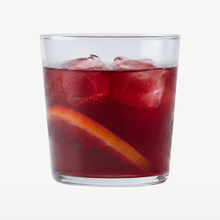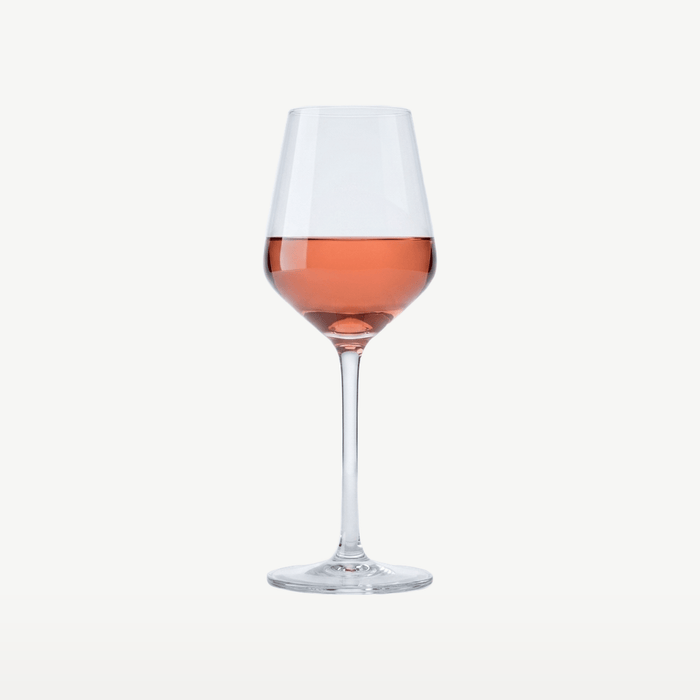
Royal Leerdam Carre Wine Glass 28 Cl - 6 Pieces
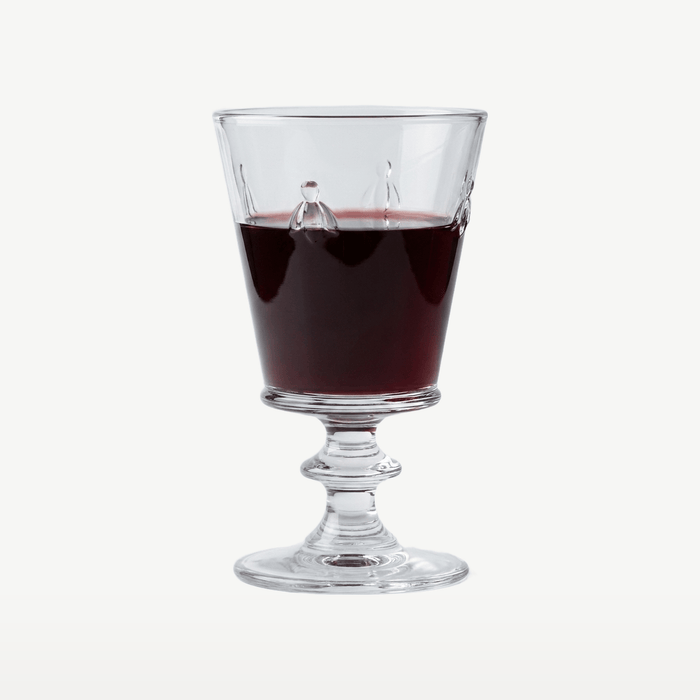
La Rochère Abeille Wine Glass 24 cl - 6 Pieces
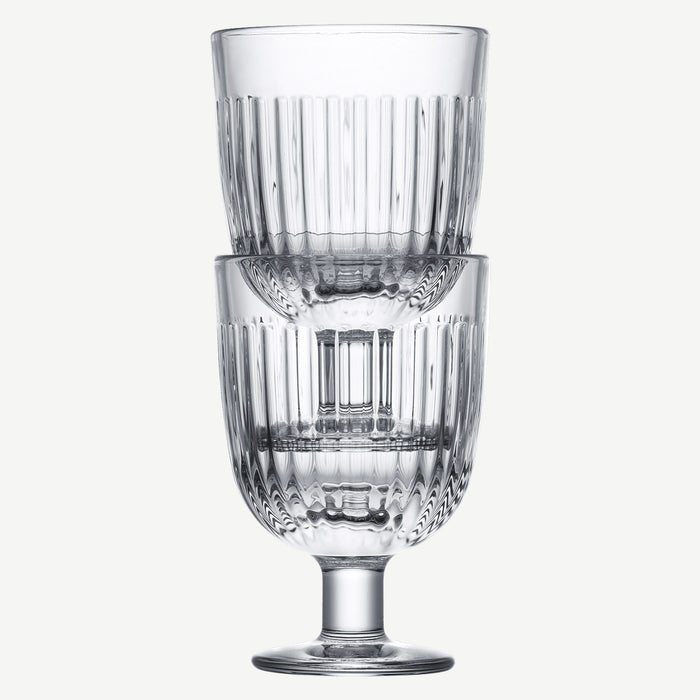
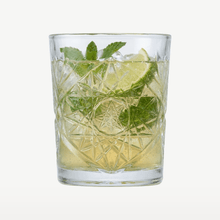
La Rochère Ouessant Stackable Wine Glass 22 Cl - 6 Pieces
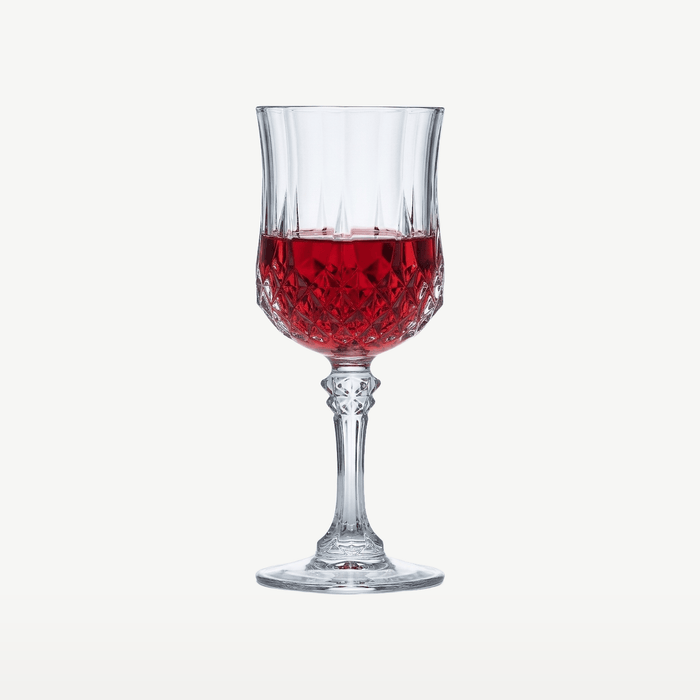
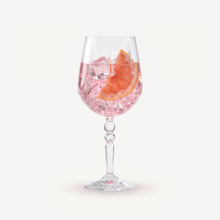
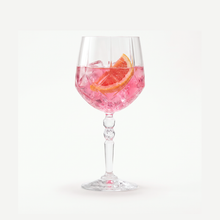
Eclat Longchamp Wine Glass 25 Cl - 6 Pieces

How to pour it
a pinot grigio in
Place the bottle in the refrigerator for about three hours so the wine reaches 8 to 10 degrees. Below eight degrees, you’ll barely taste the fruit; above ten, the fresh acidity fades. Take the bottle out just before serving.
Cut around the capsule just below the raised lip of the neck and wipe the rim of the bottle clean. Place the spiral in the center of the cork and twist it straight down until just before the end, then pull the cork out in one smooth motion.
There’s no need to decant this wine. Pinot grigio is best enjoyed young and fresh, and doesn’t benefit much from extra air. Instead, place the bottle in an ice bucket with water and ice beside the table to keep it at the right temperature while it’s open.
Pour up to about a third of the glass, but no more. This leaves room for the wine’s aroma, and because there’s only a little in the glass, the last sip is just as cool as the first. It’s better to top up with a little more wine more often.
What did you think of this guide?
One click on a star is all it takes. If you’d like to add a comment, we’ll review it before it appears here.
Save this page
Send this page to your email so you have the information handy when you’re ready to pour. You’ll also get a € 5 discount code on orders over € 50 for the glasses to go with it.
The story
Pinot Grigio and Pinot Gris are the same grape, a color mutation within the Pinot family with a gray-blue to pink skin. Grigio is the Italian word for gray and gris is French. What differs is the winemaking. In Italy, the grape is processed quickly and at a cool temperature, with as little contact as possible between the juice and the skins, producing a pale, dry wine that relies on its freshness. In Alsace, the opposite approach is taken, and Pinot Gris is much fuller, rounder, and sometimes distinctly sweet. So the name on the label tells you less than the region behind it.
The right glass
Pinot Grigio calls for a narrower glass than a full-bodied white wine. A bowl of around 30 to 40 centiliters keeps the wine cool for longer because less surface area is exposed to the air, and brings together the citrus and apple notes instead of letting them dissipate. A wide Burgundy glass does the opposite here and makes the wine taste flat. Compare the sizes in the white wine glasses; if the bottle stays on the table, a wine cooler helps at least as much as the glass.

Schott Zwiesel Ivento White Wine Glass 35 cl (6 pieces)

Schott Zwiesel Banquet White Wine Glass 30 cl (6 pieces)
Both sets together € 91,20.
The right tools
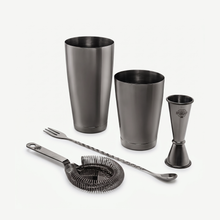
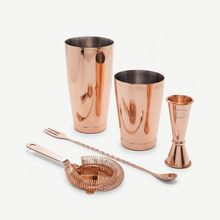
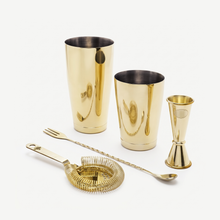
For a Pinot Grigio, besides the glass, you mainly need a corkscrew and a wine cooler. The bar tools below only come in handy when you turn the wine into a spritz: a bar spoon for stirring and a zester for the citrus twist. These are the bar tools we use ourselves; you’ll find everything in our bar tools & cocktail sets.


Glass set (our pick 01) + 2 bar tools together € 90,40.
What to pour alongside it?
Pinot grigio rarely appears alone at the table. These are the wines served alongside it or after it at the same meal, from a glass of prosecco beforehand to a moscato with dessert. Each drinks page tells you the alcohol percentage, what it tastes like, which cocktails it works in and which glass you need.


Variations & twists
The Italian style isn't the only one. If you let the gray-blue skins macerate with the juice, they impart color to the wine, giving you a ramato: copper-colored to salmon-pink, with more grip on the palate. In Alsace, the same grape is called pinot gris and is fuller, with yellow stone fruit and sometimes residual sweetness. In Germany, it's labeled Grauburgunder, usually dry, or Ruländer, usually a little sweeter. Want to read more? See all drinks and brands.
Serving tip
Serve at 8 to 10 degrees and keep the bottle in a cooler in between pours, because a narrow glass helps, but a warm bottle doesn't. Pinot grigio goes well with light, salty foods: baked or fried fish, shellfish, asparagus risotto, young cheese or a plate of antipasti. It disappears alongside heavily spiced food or a rich sauce, because the wine has little weight.
Good to know
Pinot grigio or pinot gris: what's the difference?
The grape is the same. The difference lies in the region and the winemaking method. Italian pinot grigio is harvested early and processed cool, making it pale, dry and light. Alsatian pinot gris is harvested riper and is much fuller-bodied, with yellow stone fruit, and can be off-dry or sweet. So if a bottle from Alsace says pinot gris, don't expect the same crisp wine.
Why ramato is copper-colored
The grape’s skin is gray-blue to pink, not green. If the juice is separated from the skins right away, the wine stays pale. If you leave the juice and skins together for a while, the color transfers into the wine, giving you a copper-colored to salmon-pink wine. In Friuli, this style is called ramato, from the Italian word for copper. It also tastes different: a little more grip and a slightly more astringent finish.
Veneto, Friuli, and Alto Adige
These are the three regions in northeastern Italy where most pinot grigio comes from. Veneto produces the largest volume and the most neutral, light style. Friuli is known for wines with a little more body and the ramato tradition. Alto Adige is the highest and coolest, and the wine there is often crisper and more aromatic. The region is shown on the label.
How much alcohol it contains
Pinot grigio is roughly between 11.5 and 13 percent alcohol. The exact percentage is on the label. Alcohol-free versions are below 0.5 percent and say so on the bottle.
How long you can store it
Pinot grigio is made to be drunk young. Most bottles are at their best within a year or two of the harvest; aging them longer rarely adds anything, because they lose their freshness. You can keep an opened bottle tasting good for another two to three days in the fridge with a stopper.
Frequently asked questions
Is pinot grigio the same as pinot gris?
It’s the same grape, with an Italian and a French name. But the wines are different. Italian pinot grigio is pale, dry, and light, with citrus and green apple notes. Alsatian pinot gris is much fuller, rounder, and sometimes off-dry to sweet. So the name on the label mainly tells you where the bottle comes from.
At what temperature should you serve pinot grigio?
Between 8 and 10 degrees. You can reach that by chilling it in the fridge for about three hours. Below eight degrees, the fruit gets muted and you can barely taste anything; above ten degrees, the wine loses its fresh acidity. Keep the bottle in a cooler between pours so the last glass stays as cool as the first.
What glass should you use for pinot grigio?
A narrow white wine glass of about 30 to 40 centiliters. The smaller bowl keeps the wine cool and concentrates the citrus and apple notes. A wide Burgundy glass is too large for this: the wine warms up faster and the aromas spread out. Hold the glass by the stem, not the bowl.
What do you eat with pinot grigio?
Light, salty dishes. Baked or fried fish, shellfish, carpaccio, asparagus risotto, young cheese, and antipasti. The wine has little weight, so it doesn’t hold up to heavily spiced dishes or a rich cream sauce.
Also delicious
Buy Pinot grigio
Want the bottle delivered straight to your door? Order Pinot grigio online at Gall & Gall. Gall & Gall has 35, including 3 on sale.
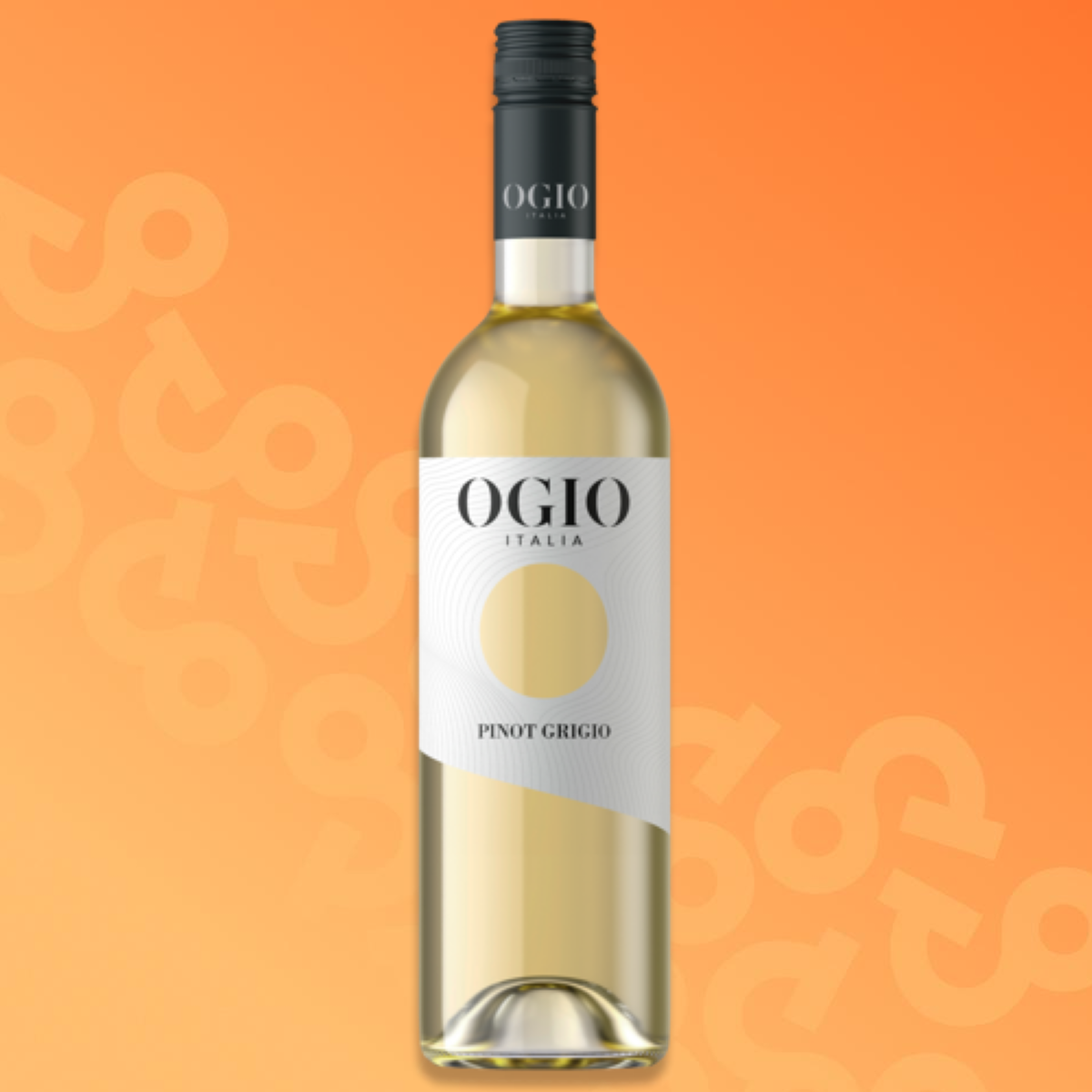
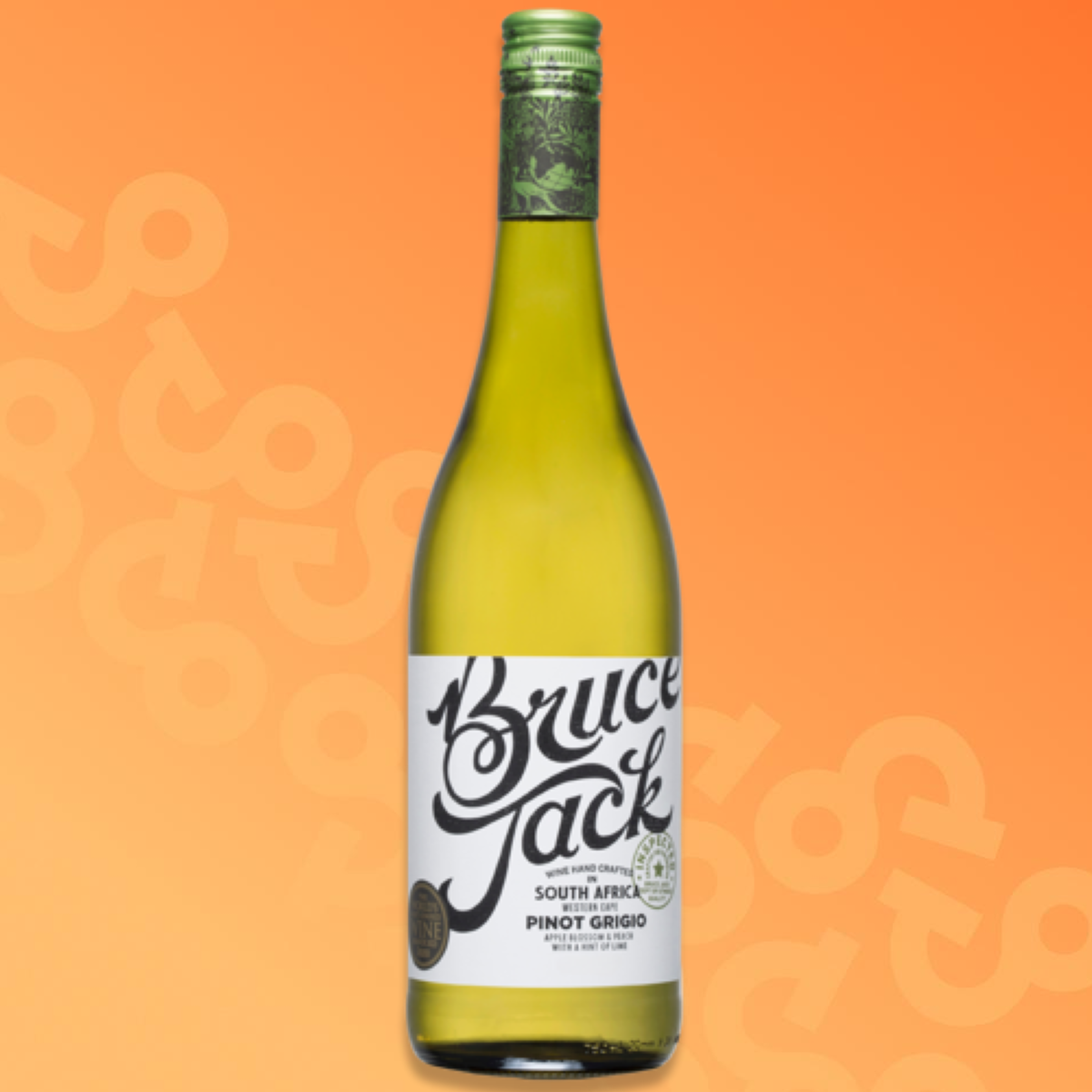
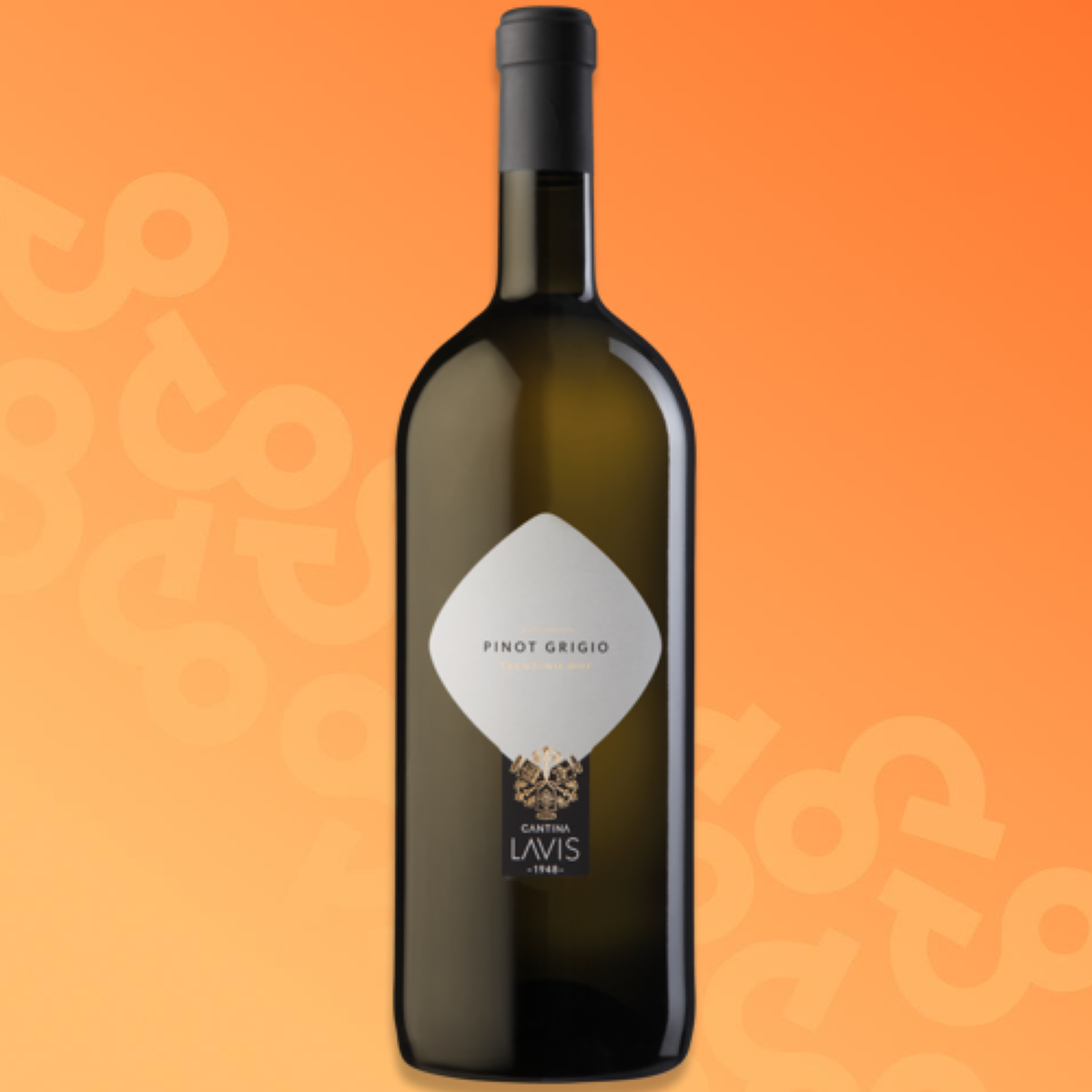
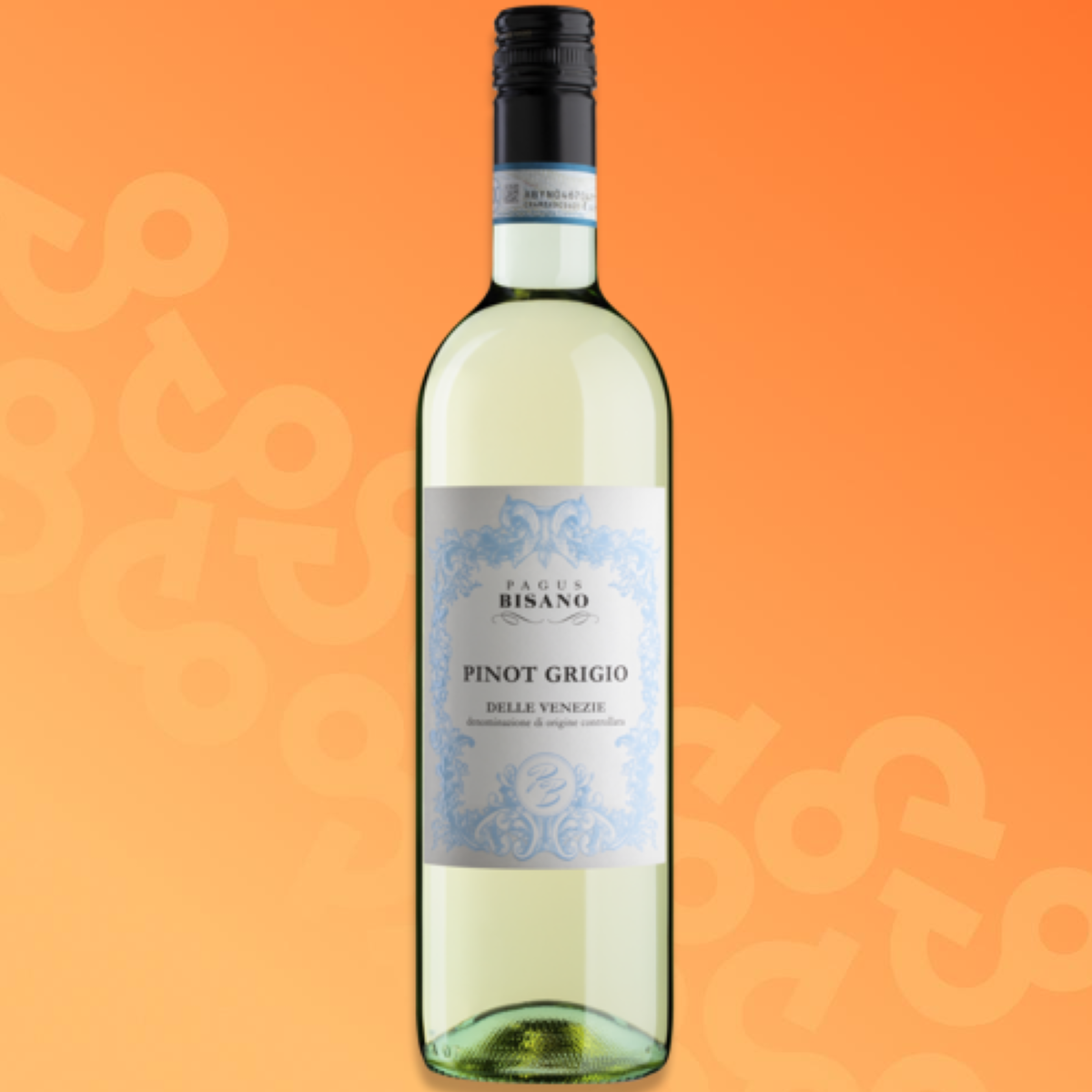
Prices as of November 16, 2026, as provided by Gall & Gall. You can see the current price and stock at Gall & Gall. Glazen.nl receives a small commission if you buy something through these links; you pay nothing extra. No under-18s, no alcohol.
Everything for your bar,
to one address
Hospitality-quality glasses, sold in sets. Order today and get them quickly.
Shop for glasses →