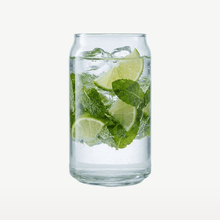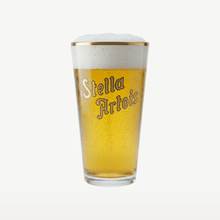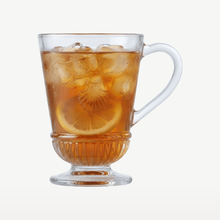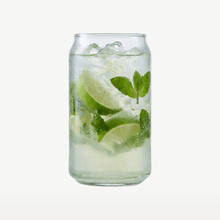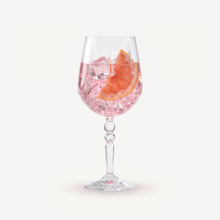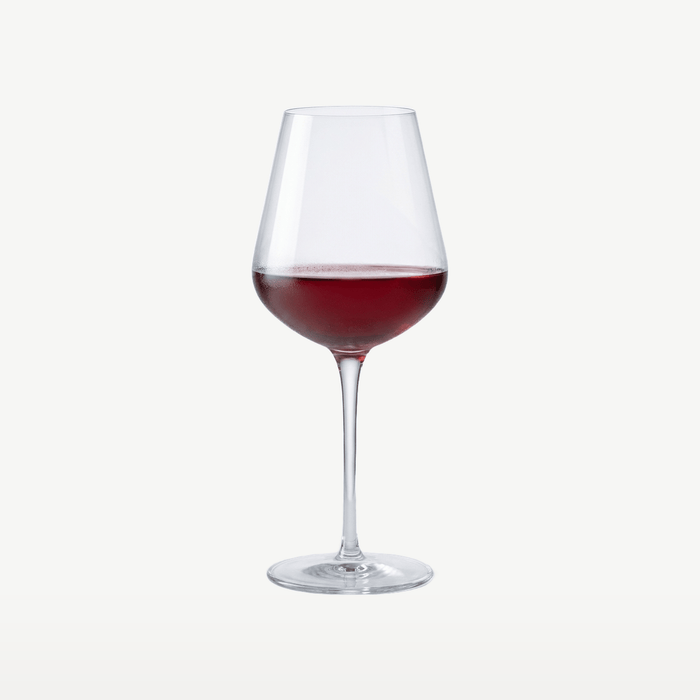
Bormioli Rocco Uno Inalto Wine Glass 47 Cl - 6 Pieces
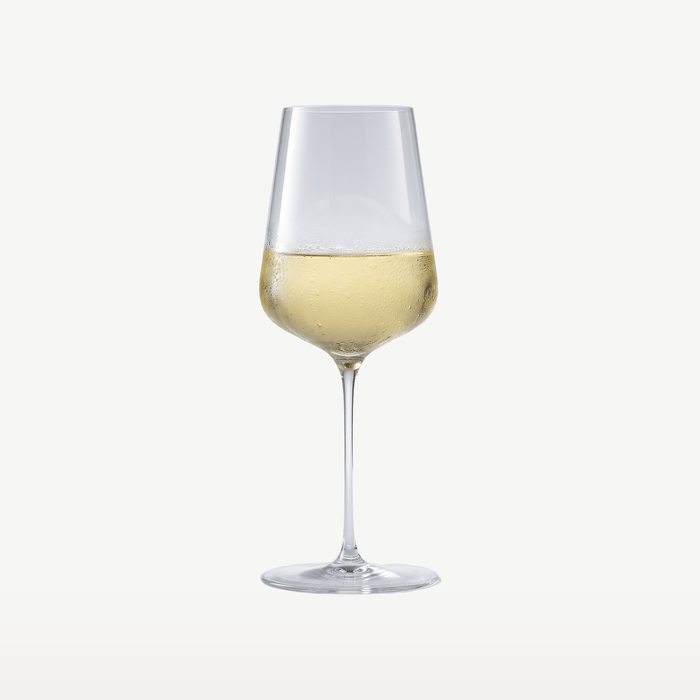
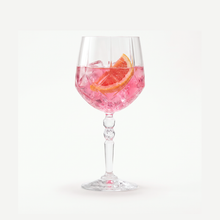
Spiegelau Definition Wine Glass 55 Cl - 6 Pieces
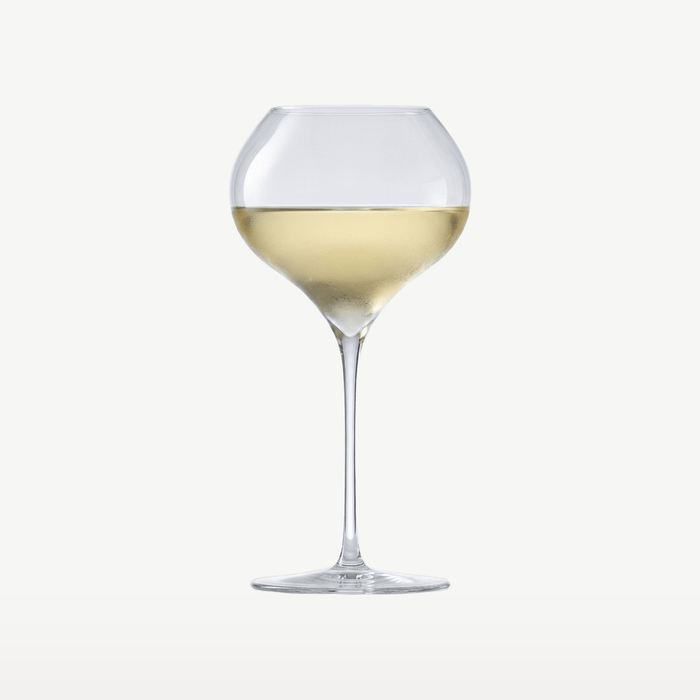
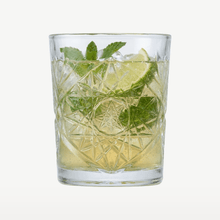
Lehmann Grand Blanc Wine Glass 54 Cl - 6 Pieces
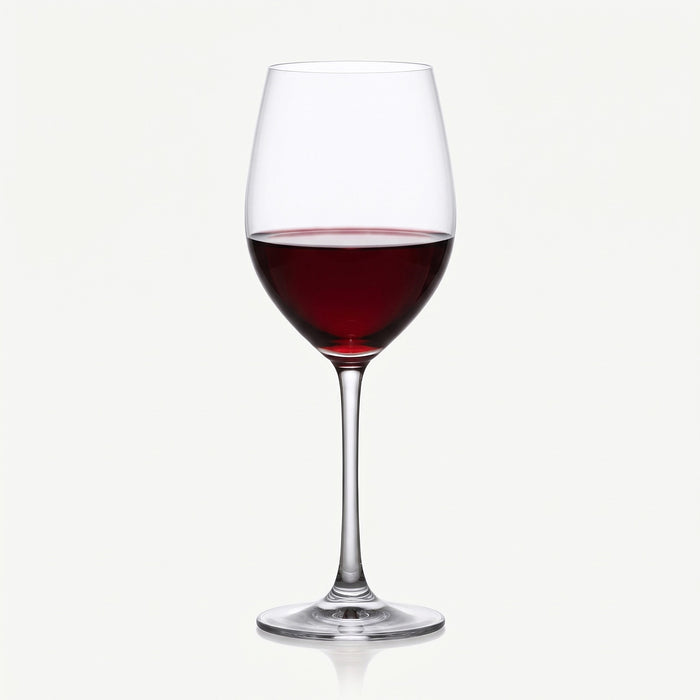
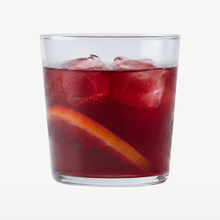
Spiegelau Vino Grande Wine Glass 42 cl - 2 Pieces

How to pour
a Cabernet Sauvignon in
Bring the bottle to 16 to 18 degrees. These days, a room is often 21 degrees or warmer, which makes Cabernet Sauvignon taste heavy and alcoholic. If the bottle is in such a room, put it in the refrigerator for half an hour; if it comes from a cool cellar, let it warm up a little instead.
Cut around the capsule below the lip of the neck and wipe the rim of the bottle clean. Center the corkscrew spiral on the cork, turn it straight down until just before the end, then pull the cork out in one smooth motion.
If the wine is young and firm with tannins, decant it first. Contact with air softens the tannins and brings the fruit forward; an hour is usually enough. With an older bottle, pour slowly instead and leave the sediment behind in the bottle.
Pour up to about one-third of the glass, no more. This leaves room above the wine to swirl it, and that very swirling releases aromas of blackcurrant and cedarwood. It’s better to top up with a little at a time than to fill the glass all at once.
What did you think of this guide?
One click on a star is enough. If you’d like to add a comment, we’ll review it before it appears here.
Save this page
Send this page to your own email so you have the information to hand when it’s time to pour. You’ll also get a € 5 discount code on orders over € 50 for the glasses that go with it.
The story
Cabernet sauvignon comes from Bordeaux, where it originated as a natural cross between cabernet franc and sauvignon blanc; DNA research has confirmed this connection. The grape has small berries with thick skins, and because the skins provide the color and tannins, each sip contains plenty of both. It ripens late, thrives in warm conditions, and withstands a long growing season. These exact qualities made it suitable for growing far beyond France: it is widely planted in California, Chile, Australia, South Africa, and Italy, making it the most widely planted blue wine grape in the world.
The right glass
Cabernet sauvignon calls for a tall bowl with plenty of capacity, usually 55 to 70 centiliters. This shape gives the wine plenty of surface area in contact with air, making firm tannins noticeably rounder, while the slightly tapered rim directs aromas of blackcurrant and cedar toward your nose. A small glass does the opposite, leaving the wine feeling closed and astringent. Compare sizes in our red wine glasses or browse our large wine glasses.

Chef & Sommelier Open Up Tannic Wine Glass 55 cl (6 pieces)

RCR Invino Wine Glass 65 cl (6 pieces)
Both sets together € 98,90.
The right tools
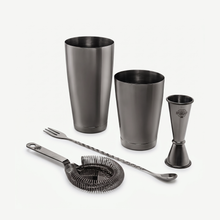
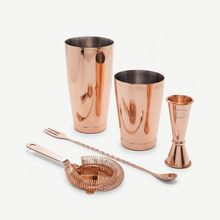
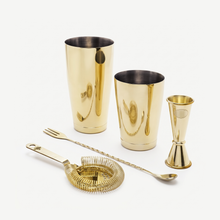
For a cabernet sauvignon, besides the glass, you mainly need a corkscrew and, for a young bottle, a decanter. The bar tools below only come in handy when you use the wine to make sangria: a bar spoon for stirring and a citrus juicer for the orange juice. These are the bar tools we use ourselves; find them all in our bar tools & cocktail sets.


Glass set (our pick 01) + 2 bar tools together € 80,85.
What should you serve alongside it?
Cabernet Sauvignon is rarely served on its own. These are the wines served alongside it during the same meal, from a glass of champagne beforehand to a robust Brunello with the main course. Each drink page tells you the alcohol percentage, what it tastes like, which cocktails it goes with, and which glass you need.


Variations & twists
In Bordeaux, Cabernet Sauvignon is almost never alone in the bottle. It’s blended with Merlot, which rounds out the mid-palate, and Cabernet Franc, which adds aroma and freshness. Outside France, it’s often bottled on its own: in Napa Valley, Chile, and Australia, Cabernet Sauvignon is the only grape on the label, with riper fruit and softer tannins. The same grape, two very different bottles. Read more? Browse all drinks and brands.
Serving tip
Serve at 16 to 18 degrees and no warmer, otherwise the alcohol comes to the fore. Cabernet Sauvignon is best with grilled red meat, a beef or lamb stew, and aged hard cheese: fat and protein soften the firm tannin on the palate. It doesn’t pair as well with light fish, shellfish, or a fresh salad.
Good to know
Why Cabernet Sauvignon has so much tannin
The berry is small and the skin is thick. Color, tannin, and some of the aroma are in that skin, so a small berry has more skin relative to every drop of juice. That makes the wine dark, full-bodied, and long-lasting. It’s also why air does so much for this wine: oxygen makes the tannin noticeably rounder, whether in a decanter or a large glass.
That green bell pepper in the glass
If you smell or taste something reminiscent of green bell pepper, it usually comes from grapes that didn’t fully ripen. Cabernet sauvignon ripens late, so in a cool year or a cool location, it doesn’t always reach full ripeness. A hint of it is considered characteristic of the grape; if it dominates, the wine has remained on the green side.
Why Bordeaux almost always uses blends
In Bordeaux, cabernet sauvignon is almost always blended with merlot and cabernet franc. Merlot has rounder tannins and fills out the middle of the palate; cabernet franc adds aroma and freshness. Cabernet sauvignon itself provides the backbone: color, tannins, and aging potential. The proportions vary by vineyard and by year, which is exactly why two Bordeaux wines can taste so different.
Vanilla and coconut come from the barrel
That sweet, creamy note in many cabernet sauvignons doesn’t come from the grape but from the oak barrel. Vanilla is more often associated with French oak, while a coconut-like note is more often associated with American oak. The newer the barrel and the longer the wine stays in it, the more clearly you’ll taste it. An unoaked cabernet sauvignon tastes much more directly of blackcurrant.
How much alcohol it contains and how long it can age
Cabernet sauvignon is roughly 13 to 15 percent alcohol; the exact percentage is on the label. Its firm tannins mean it can age for a long time: simple bottles are at their best within about five years, while bottles from better regions can last considerably longer. An opened bottle will keep its flavor for another two to three days if sealed with a stopper and kept cool.
Frequently asked questions
At what temperature should you serve cabernet sauvignon?
Between 16 and 18 degrees. That’s cooler than most rooms, so if your home is warm, put the bottle in the fridge for half an hour. Above 20 degrees, the alcohol comes through and the wine feels heavy; below 14 degrees, the tannins close up and feel harsh.
What glass should you use for cabernet sauvignon?
A tall glass of about 55 to 70 centiliters, the style usually called a Bordeaux glass. The space lets the wine breathe, softening the tannins, while the tapered rim traps the aromas in the glass. Pour to a third full and hold the glass by the stem, not the bowl.
Should you decant cabernet sauvignon?
With a young, tannic bottle, it makes a noticeable difference: an hour in a decanter makes the wine rounder and more open. With an older bottle, you mainly decant to leave the sediment behind, so pour gently and don’t wait too long. If you don’t have a decanter, a large glass with occasional swirling works too.
What do you eat with Cabernet Sauvignon?
Grilled red meat, a beef or lamb stew, and aged hard cheese. Fat and protein soften the firm tannins on the palate. With delicate fish, shellfish, or a fresh salad, the wine is too robust.
Also delicious
Buy Cabernet Sauvignon
Want the bottle delivered straight to your door? Order Cabernet Sauvignon online at Gall & Gall. Gall & Gall has 59, 11 of which are on sale.
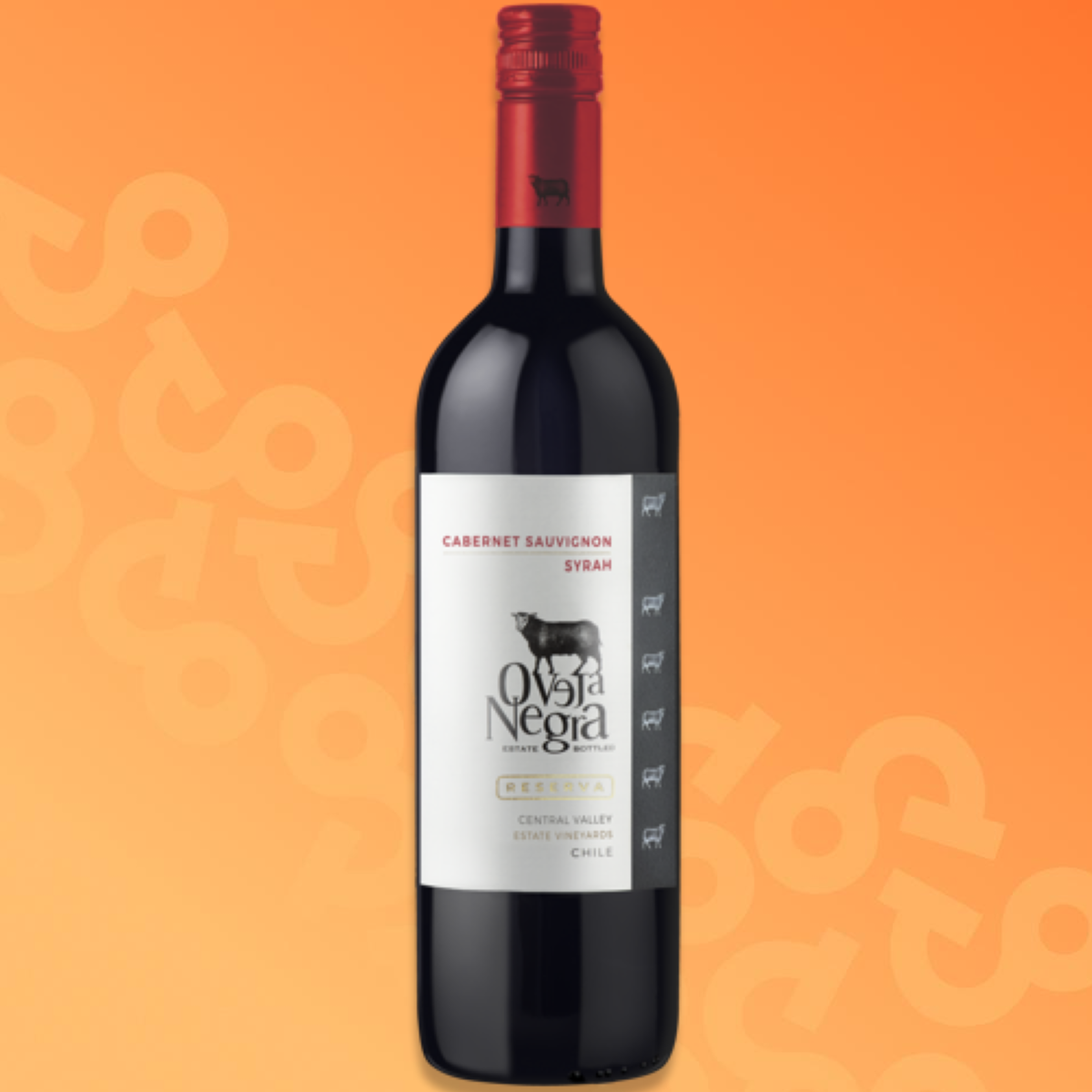
Oveja Negra Reserva Cabernet Sauvignon Syrah
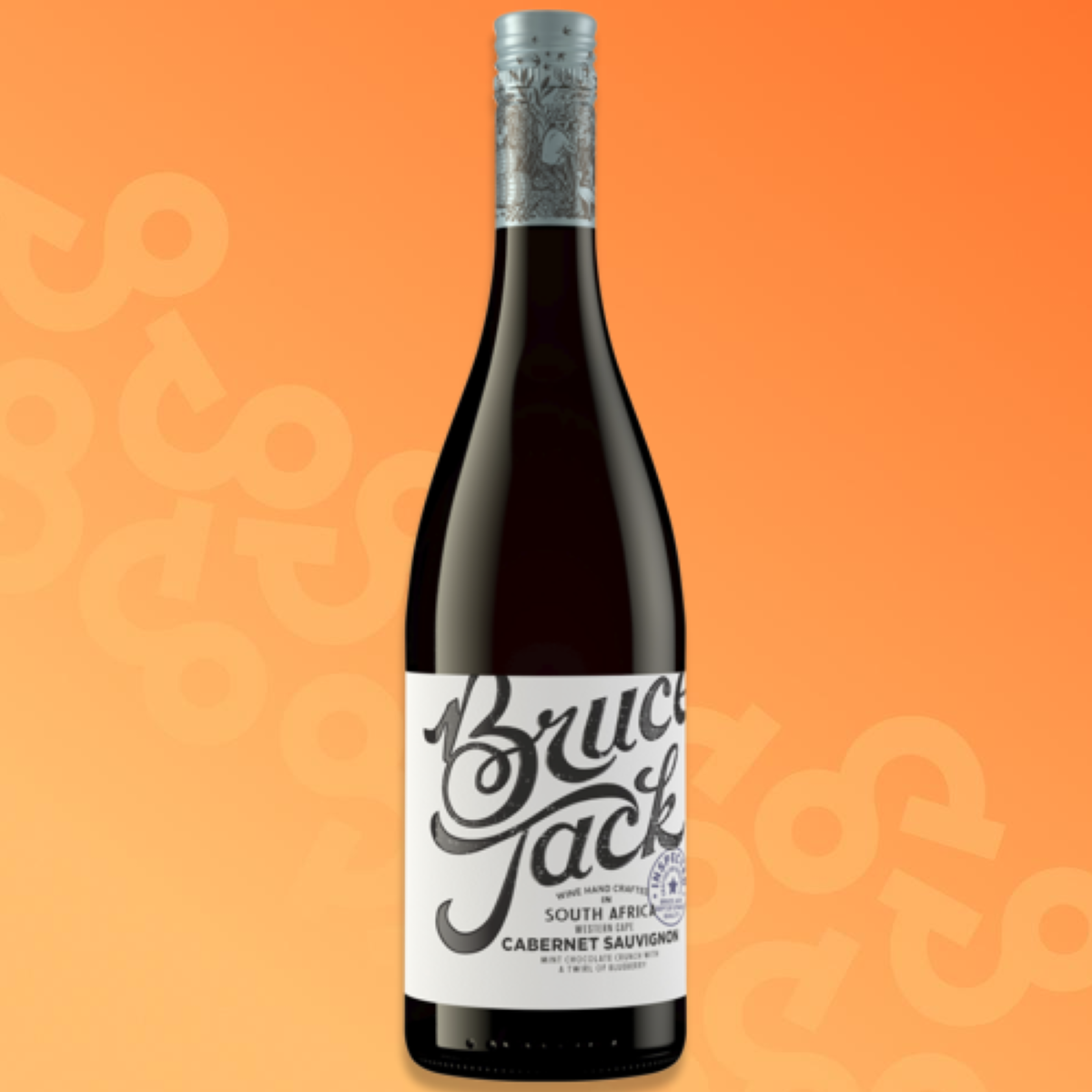
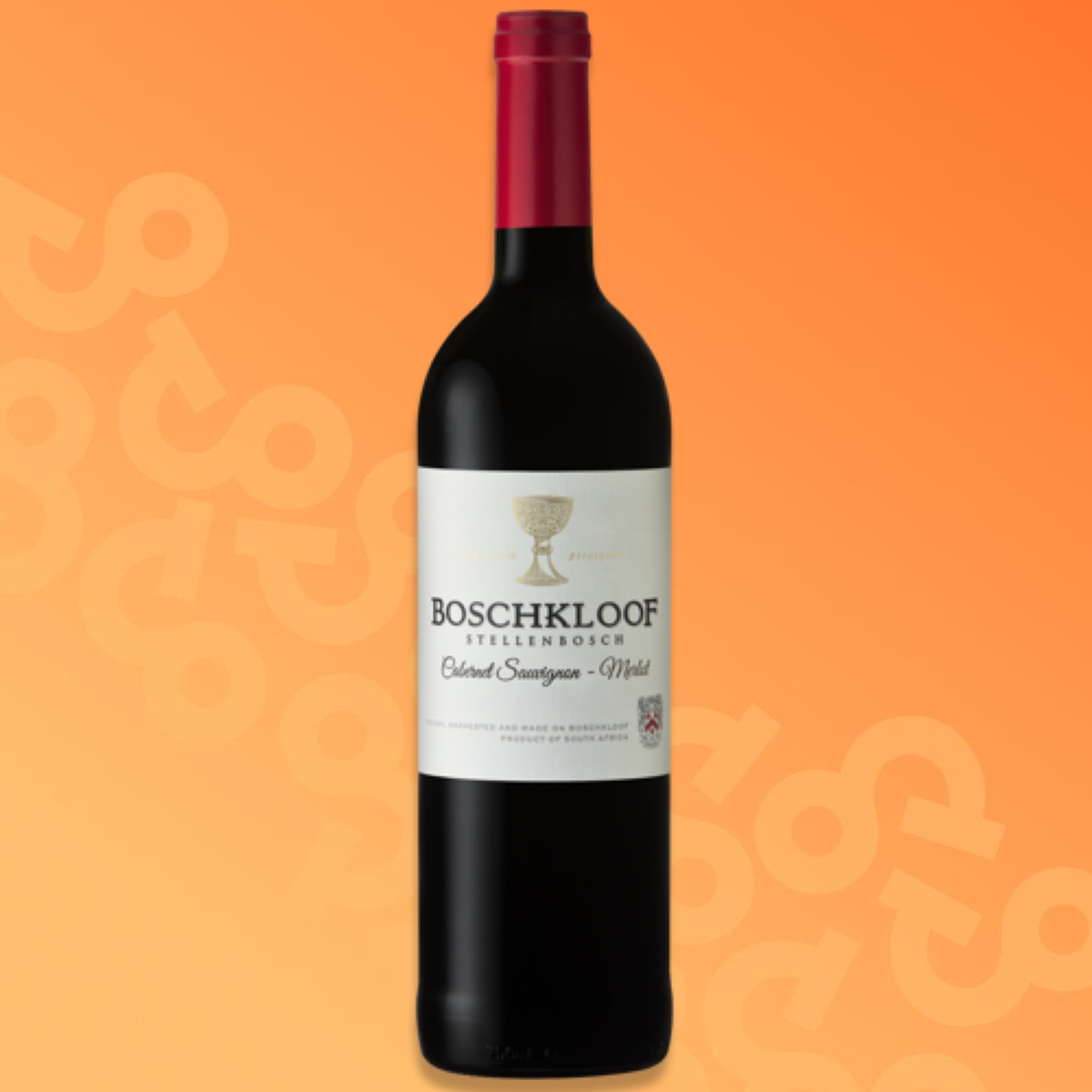
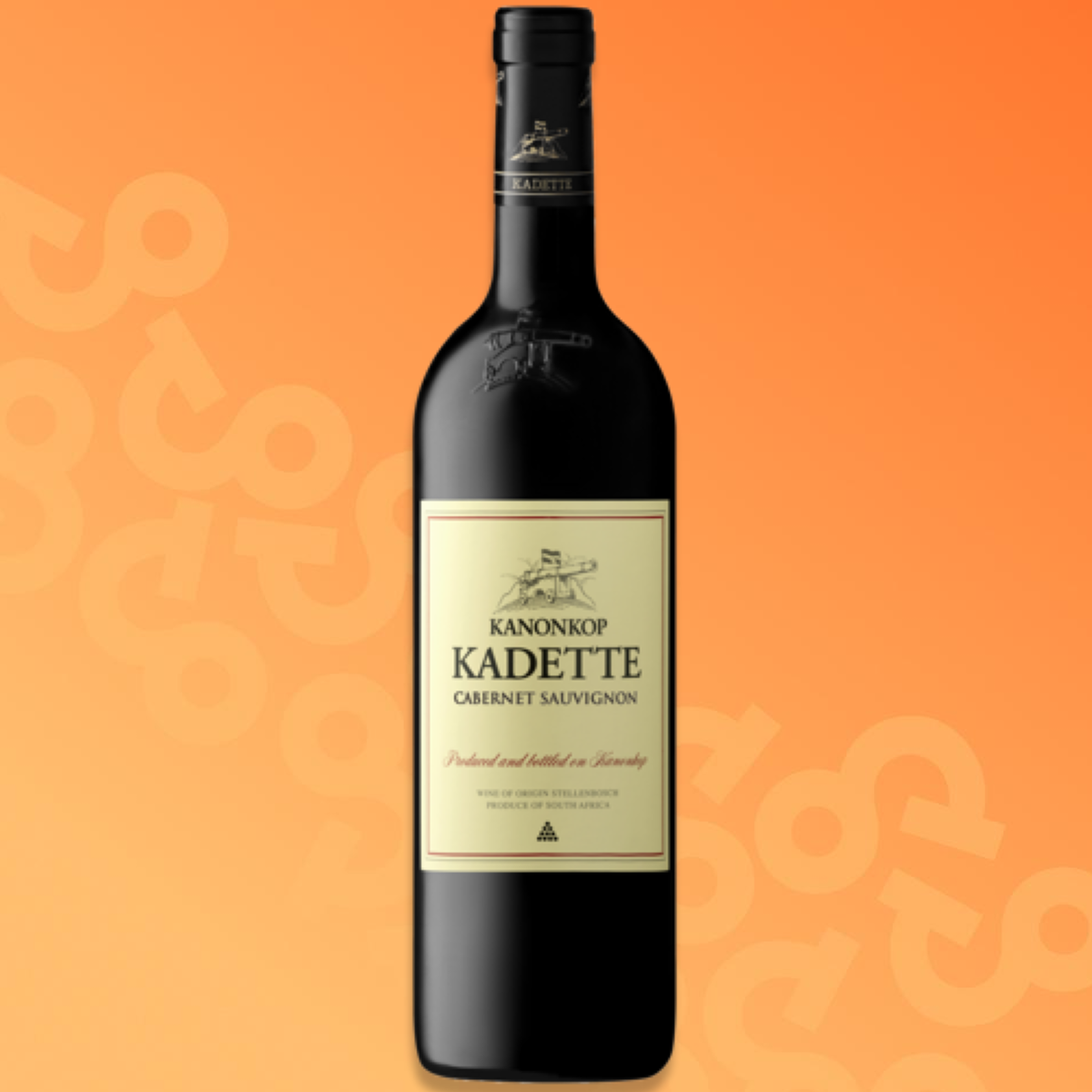
Prices as of November 20, 2026, as provided by Gall & Gall. You can see the current price and stock at Gall & Gall. Glazen.nl receives a small commission if you buy something through these links; you pay nothing extra. No under-18s, no alcohol.
Everything for your bar,
at one address
Hospitality-grade glasses, sold in sets. Order today, receive them quickly.
Shop for glasses →