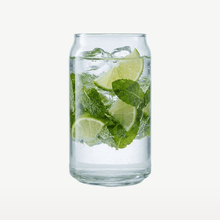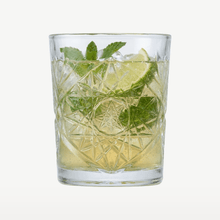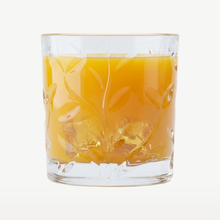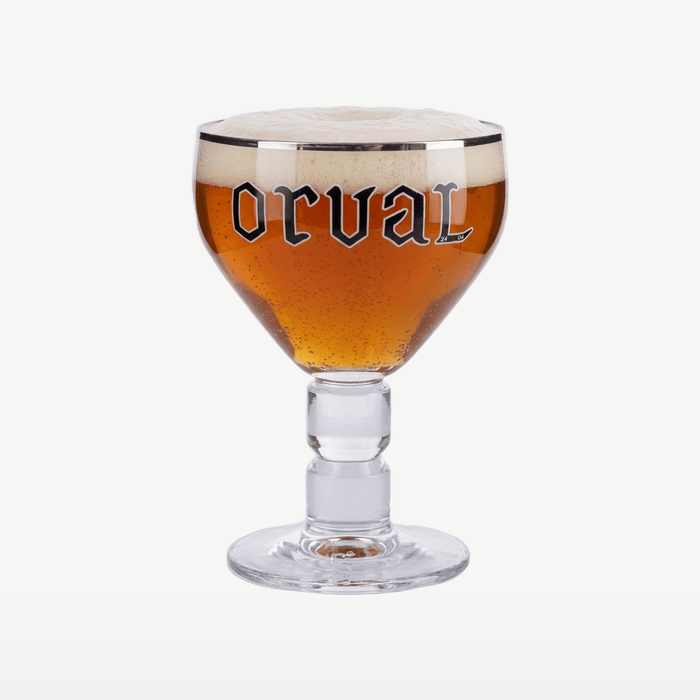
Orval Beer Glass 33 Cl - Gift Box
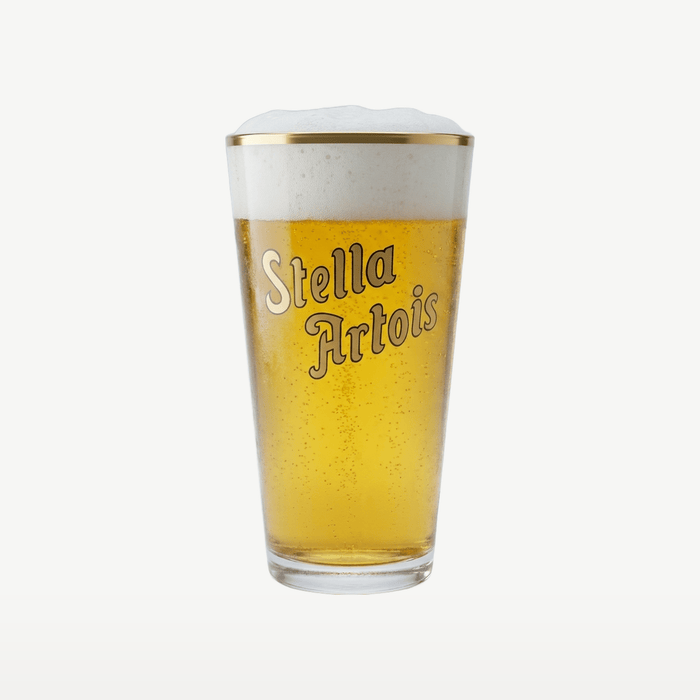
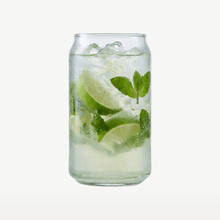
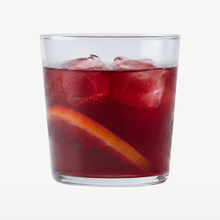
Stella Boerke Beer Glass 33 Cl - Gift Box - 4 Pieces
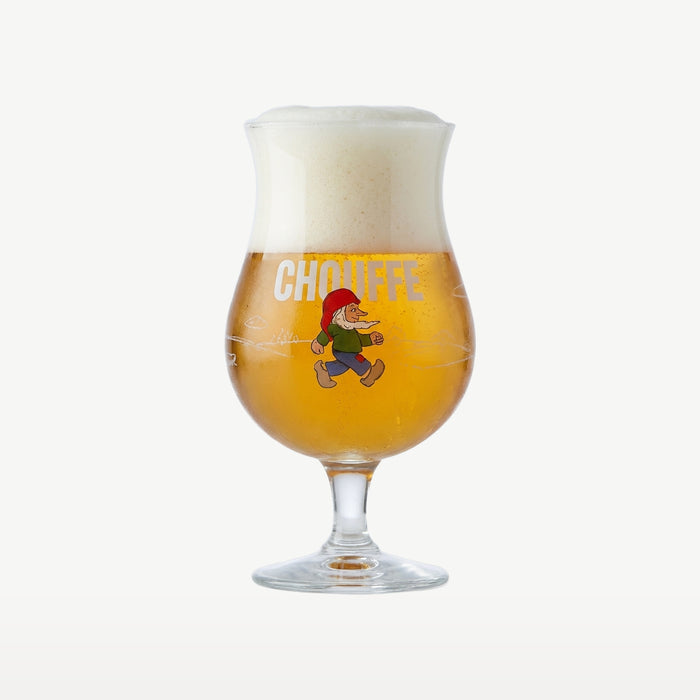
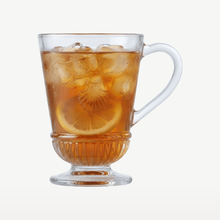
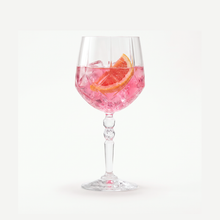
La Chouffe Beer Glass 33 Cl - Gift Box
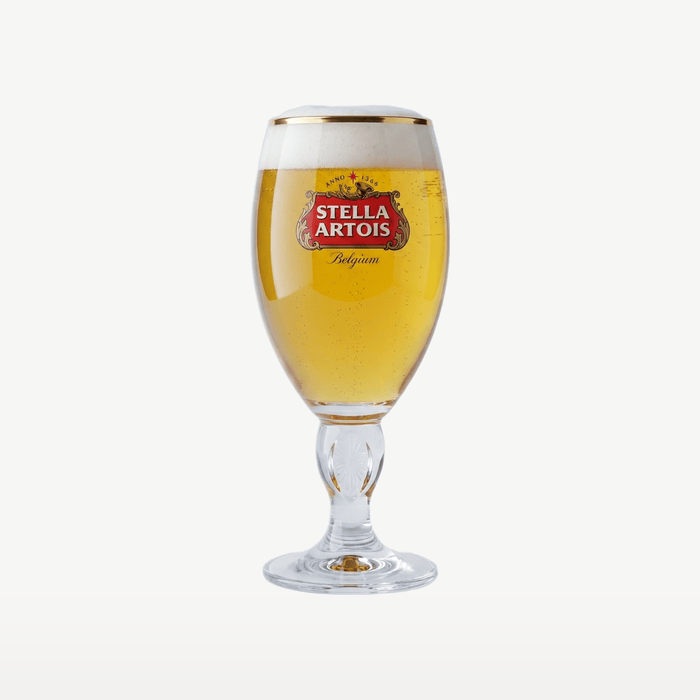
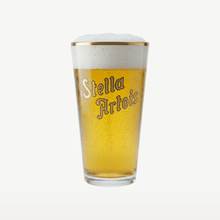
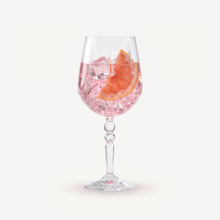
Stella Beer Glass 25 Cl - Gift Box

How to pour
a witbier in
Rinse the glass with cold water and leave it wet. A wet, cool glass holds the head better, and witbier naturally has plenty of foam. Grease or soap residue makes the foam collapse, so don’t dry the glass with a tea towel.
Hold the glass at an angle, about forty-five degrees, and pour about two-thirds of the bottle down the inside wall. Leave the last fingerful in the bottle; that’s where the yeast sediment is. Pour slowly, because witbier foams up faster than pilsner.
Set the glass upright and briefly roll the bottle between your hands or tilt it a few times to loosen the yeast from the bottom. Then pour that last fingerful into the middle of the beer. This gives the beer its cloudy color and builds up the head.
Leave the head as it is; there’s no need to skim witbier, since its firm head is part of the experience. You can add a slice of orange or lemon, but it’s not necessary: purists leave it out because it overwhelms the coriander and orange peel in the beer. Serve at 5 to 7 degrees.
What did you think of this explanation?
Just click a star once. If you’d like to add a comment, we’ll review it before it appears here.
Save this page
Send this page to your own email so you have the explanation handy when you pour the beer. You’ll also receive a € 5 discount code for purchases over € 50, to use on the matching glasses.
The story
Wheat beer is an old Belgian style from the region around Leuven, where wheat grew in the fields and ended up in the brewing kettle. After the Second World War, the style almost disappeared: the breweries that made it closed, and pilsner took over the market. In the 1960s, it was revived in the village of Hoegaarden, and its glass with six flat sides became so well known that many people immediately think of that shape when they think of wheat beer. Germany has its own wheat beer tradition, Bavarian weizen, which takes a different direction: no coriander or orange peel, but yeast aromas reminiscent of banana and clove.
The right glass
Wheat beer calls for a sturdy glass with a wide opening. Thick-walled glass keeps the beer cold longer than a thin-walled model, and the wide opening leaves room for the tall, firm head typical of this style. The hexagonal model is the best-known shape: its flat sides provide a good grip without having to wrap your hand around the glass. This glass comes individually in a gift box, so for a set of twelve, this is a thick-walled Bodega glass with the same wide opening. A tall, slender weizen glass is part of the collection but is currently unavailable; all other models can be found among the Belgian beer glasses.

Bormioli Rocco Bodega Beer Glass 35 cl (12 pieces)

Hoegaarden Beer Glass 25 cl - Gift Box
Both sets together € 36,90.
The right tools
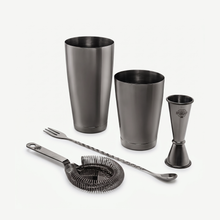
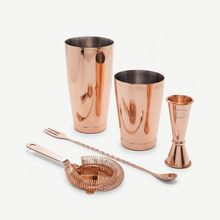
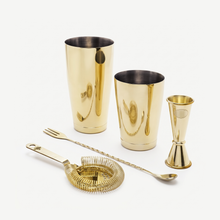
For wheat beer, you need at most two things besides the glass: a zester for a strip of orange zest instead of a slice, and a citrus juicer if you'd rather use a few drops of fresh juice. These are the bar tools we use ourselves; find everything in our bar tools & cocktail sets.


Glass set (our choice 01) + 2 bar tools together € 55,85.
Which spirit goes with it?
The wheat beer itself takes center stage; serve spirits alongside it at most. Stick to citrus and spices, such as limoncello or gin, which, like wheat beer, uses coriander and citrus peel. On each drinks page, you can read about the alcohol percentage, flavor, which cocktails it goes with, and which glass you need.


Variations & twists
The Belgian style is spiced: coriander and dried peel from the Curaçao orange add a fresh, slightly citrusy note alongside the tartness of the wheat. Bavarian German weizen is unspiced and gets all its aroma from the yeast, which creates notes of banana and clove. Kristallweizen is the same weizen, but filtered, so it is clear rather than cloudy. Both styles are roughly between 4.5 and 5.5 percent alcohol. Want to read more? Check out all drinks and brands.
Serving tip
Serve wheat beer at 5 to 7 degrees, a little less cold than pilsner, or the coriander and orange peel will disappear. Roll or tilt the bottle only at the end, when the glass is almost full, so the yeast flows in all at once instead of continuing to swirl around in the whole bottle.
Good to know
Why wheat beer is cloudy
There are two causes. Wheat contains more protein than barley, and those proteins remain suspended in the beer, giving it the whitish haze that gives the style its name. In addition, witbier is unfiltered and often undergoes secondary fermentation in the bottle, leaving yeast at the bottom. If you roll the bottle at the end, the yeast gets mixed in and the beer becomes visibly cloudier.
Coriander and Curaçao orange
The Belgian style is spiced with ground coriander seeds and dried peel from the Curaçao orange, a type of bitter orange. Coriander seeds don't taste like the leaves, but rather citrusy and slightly peppery, while the peel adds a bitter orange note. Together with the tartness of the wheat, this creates the fresh flavor profile. German weizen does not use these spices.
Hoegaarden-style versus German weizen
Both are top-fermented wheat beers, but they turn out differently. Belgian witbier is spiced, pale yellow and citrus-fresh, and served in a wide, thick-walled glass. Bavarian weizen is unspiced, usually a little darker and fuller-bodied, and the yeast gives it distinct notes of banana and clove; it is served in a tall, slender half-liter glass. Both are around 4.5 to 5.5 percent alcohol and served at 5 to 7 degrees.
Why you roll the bottle
A layer of yeast from secondary fermentation settles at the bottom of the bottle. Much of the cloudiness and aroma comes from it. If you don't roll the bottle, that layer stays behind and you pour a clearer, flatter beer. So roll or tilt it briefly when the glass is nearly full, then pour in the rest all at once.
The slice of orange or lemon
In Belgium and the Netherlands, it is often served with a slice of orange or lemon. This is a serving custom and is not part of the beer itself. It adds a fresh, tart note, but it also masks the coriander and orange peel in the beer, and citrus juice makes the foam collapse faster. That is why purists leave it out. For a compromise, place the slice on the rim instead of pushing it into the beer.
Frequently asked questions
What is witbier?
Witbier is a top-fermented beer made with wheat as well as barley malt. It is unfiltered, so it is cloudy, and slightly sour. The Belgian version is spiced with coriander seeds and dried peel from the Curaçao orange. Its alcohol content is roughly between 4.5 and 5.5 percent.
What is the difference between witbier and weizen?
Witbier is the Belgian style: spiced with coriander and orange peel, pale yellow and citrus-fresh, served in a wide, thick-walled glass. Weizen is the Bavarian style: unspiced, fuller-bodied, with yeast aromas reminiscent of banana and clove, served in a tall, slender half-liter glass. Both are top-fermented wheat beers.
Why should you roll the bottle of witbier?
Because a layer of yeast from secondary fermentation settles at the bottom. This layer contributes much of the cloudiness and aroma. Briefly roll or tilt the bottle when the glass is almost full to loosen the yeast and pour it all into the glass at once.
Does wheat beer come with a slice of orange?
You can, but you don't have to. It's a serving tradition and isn't part of the beer itself. A slice adds a fresh, sour note, but masks the coriander and orange peel in the beer and makes the head subside more quickly. That's why purists leave it out.
Also delicious
Buy wheat beer
Want the bottle delivered straight to your door? Order wheat beer online at Gall & Gall. Gall & Gall has 15, including 1 on sale.
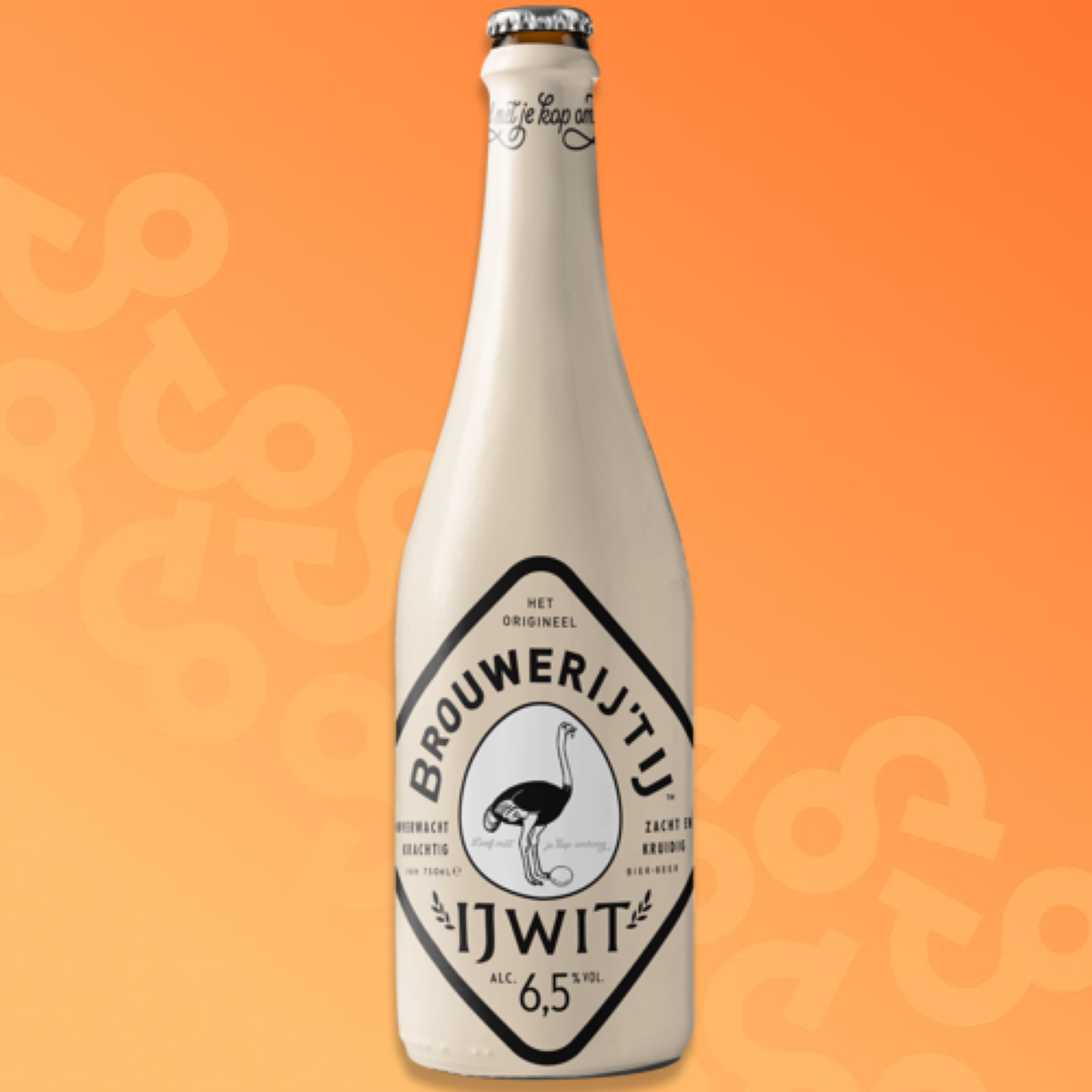
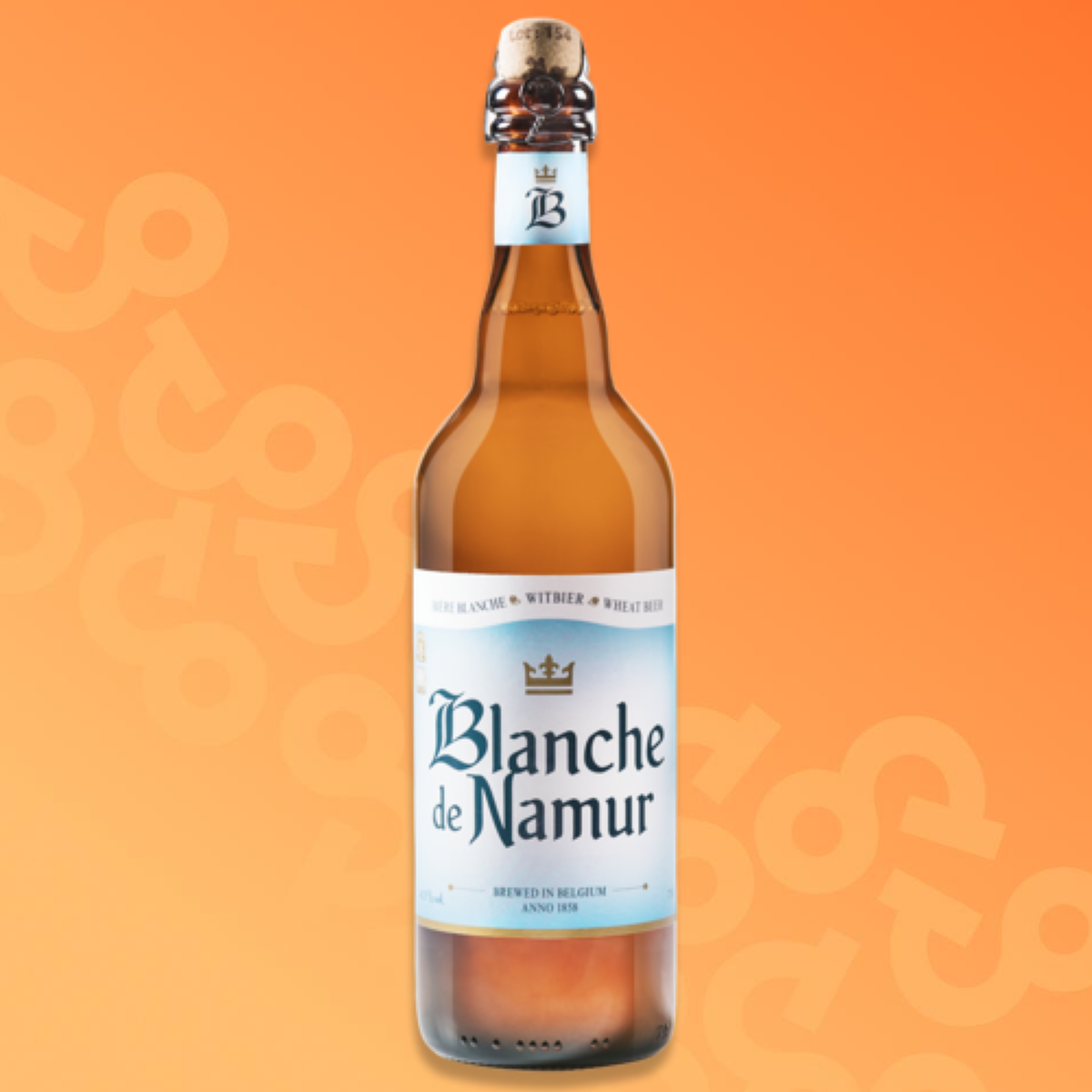
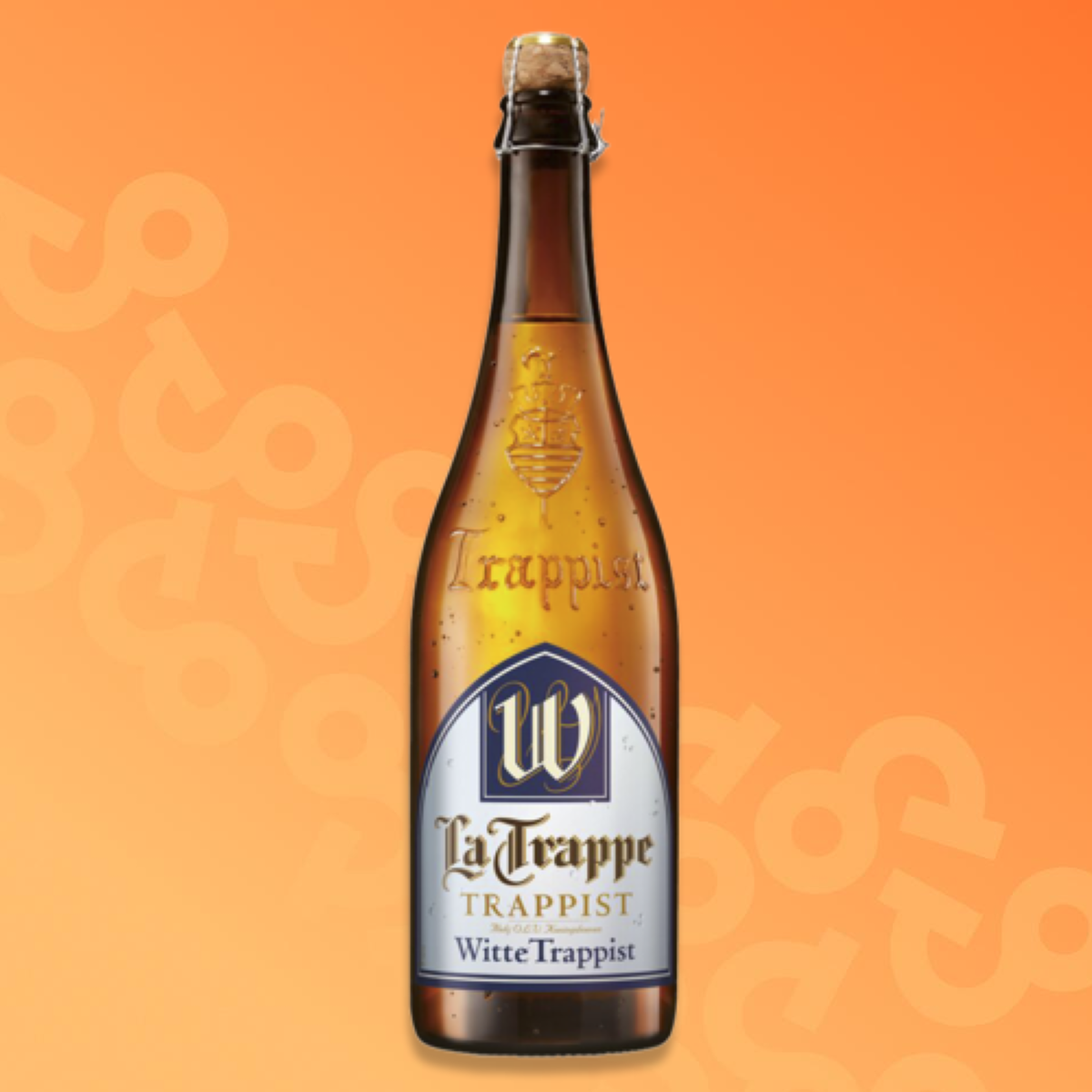
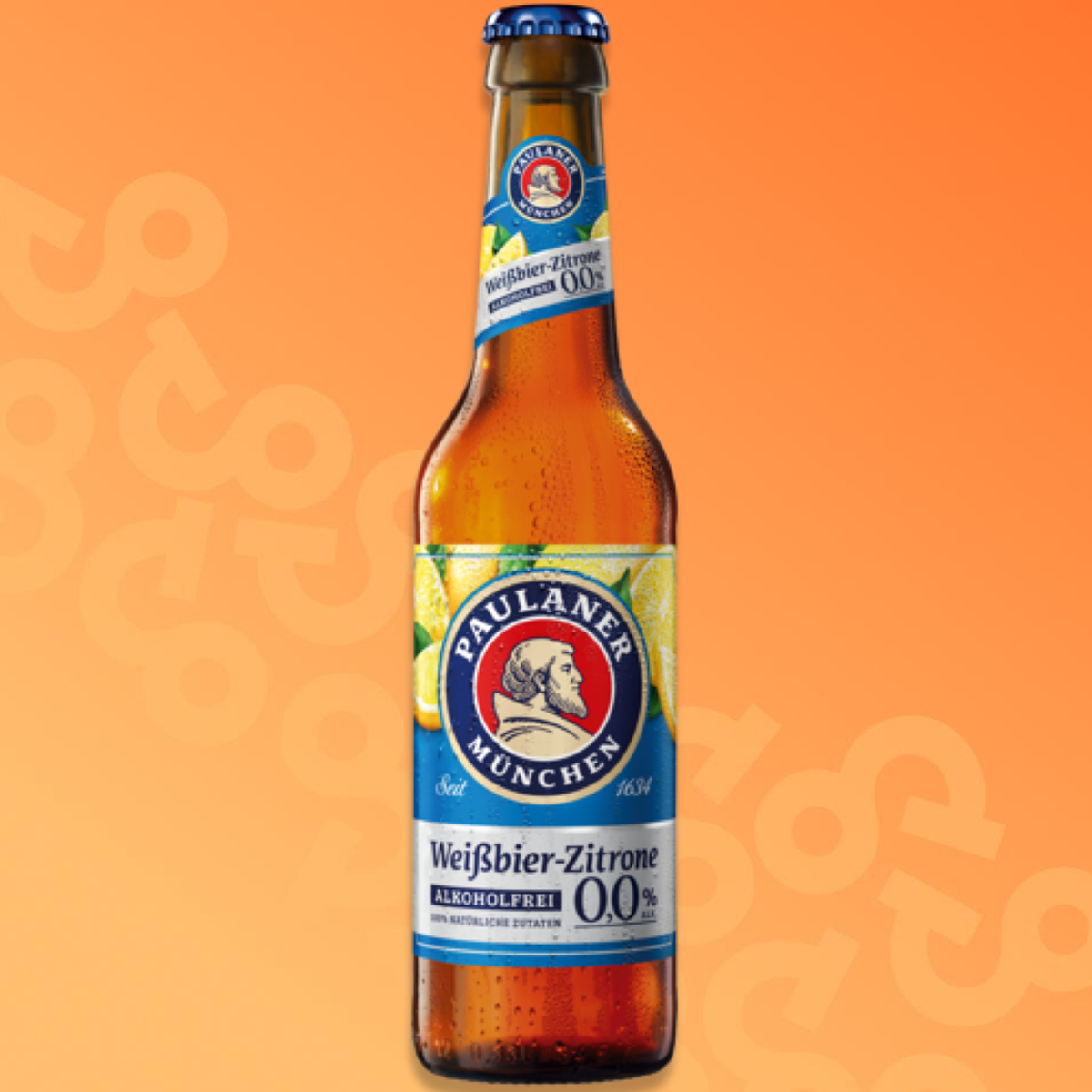
Prices as of November 16, 2026, as reported by Gall & Gall. See the current price and stock at Gall & Gall. Glazen.nl receives a small commission if you buy something through these links; you pay nothing extra. No alcohol for anyone under 18.
Everything for your bar,
at one address
Hospitality-quality glasses, sold in sets. Order today, delivered quickly.
Shop for glasses →