Veuve Clicquot Brut Vintage
The dry side of the house. All the grapes come from the same harvest, some of the wine ages in large wooden foudres, and only 9 grams of sugar per liter are added. You can taste that last number in every sip.


Nine grams of sugar and a harvest that won't come again
Vintage champagne is made only in years when the harvest is good enough to stand on its own without reserve wines. That is the main difference from Yellow Label, which uses 30 to 45 percent reserve wine to maintain the same taste every year. Here, the opposite happens: each vintage is a snapshot in time, with this bottle containing 51 percent pinot noir, 34 percent chardonnay, and 15 percent meunier. Alongside aging in the bottle, some of the wine spends time in large wooden foudres, which you can taste in its rounder, fuller mouthfeel.
The number that defines this champagne most is its dosage: 9 grams of sugar per liter. In champagne, sugar is not a flavoring but a softener; it rounds out acidity and makes a wine more approachable. At 9 grams, that softening effect is almost absent, so you taste the wine itself, including its mature notes. For comparison, the Demi Sec from the same house has 45 grams per liter, five times as much. Two bottles, the same label, and two completely different roles at the table.
In brief
Caramelized apricot, fig, and mocha
Spicy and toasty
Elegant and lightly spicy, with caramelized apricot and toast. Behind that, fig, honey, and even a truffle-like note emerge—the kind of aromas that only develop after years.
Dry and full-bodied
At 9 grams per liter, there’s nothing to soften the acidity, yet it still feels full-bodied. That fullness comes from aging, not sugar.
Notes
The finish turns to hazelnut and almond and lingers. The longer you wait before the next sip, the more clearly the mocha comes through.
Flavor profile of Brut Vintage. A low dosage makes temperature and glass choice more important: there’s no sugar to cover up a mistake.
Give it time in the glass
Keep it between 8 and 10 degrees and aim for the upper end of that range. Pouring it ice-cold mutes exactly the notes this bottle has taken years to develop.
Tasting from a wine glass
Pour 10 cl into a white wine glass and let it stand for five minutes. Honey, fig, and mocha emerge during those five minutes; in a narrow glass, they stay trapped beneath the rim.
Wine glasses →With grilled fish
This is a bottle for the table, not the doorstep. With grilled fish or poultry in a cream sauce, the dry style cuts through the richness, while its toasted notes complement the dish. Allow 12 cl per glass.
Glass: tulip or wine glass →Open without a pop
Keep your thumb on the cork, turn the bottle, not the cork, and let it come out with a sigh. That way, you don’t lose any carbonation, and with a low dosage, you need that mousse to carry the wine.
Bar tools →What to mix with it and what not to
A vintage champagne with 9 grams of sugar per liter disappears under liqueur or juice: you’re mixing away exactly what you’re paying for. For the classics below, Yellow Label Brut is a better choice.

Champagne Cocktail
Place a sugar cube with Angostura at the bottom, then slowly top up with bubbles. Use a regular brut here.
French 75
Gin, lemon juice, and syrup shaken, topped with champagne. The gin defines the flavor, not the bottle.
Mimosa
Equal parts orange juice and bubbles. The juice masks every nuance, so keep it simple.
Aperitif cocktails
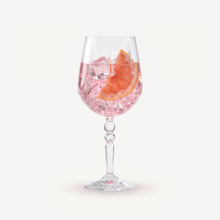
An overview of light pre-dinner serves, most of which call for a simple brut.An aged champagne needs room
The bubbles aren't the main event here; the aroma is. A white wine glass or a spacious tulip glass lets apricot, honey and mocha come forward. Choose the narrow flute only if you mainly want to toast for a long time.


More Veuve Clicquot flavors

Veuve Clicquot
Where it all began. On the brand page, read all about Veuve Clicquot: its origins, varieties and classic cocktails.
Go to Veuve Clicquot →
Veuve Clicquot Rosé
Copper-colored, full and juicy. Raspberry, wild strawberry and cherry, with pastry notes underneath.
View Veuve Clicquot Rosé →
Veuve Clicquot Demi Sec
Ripe, candy-like fruit and wine gums over freshly toasted bread. The house dessert bottle.
View Veuve Clicquot Demi Sec →
Veuve Clicquot Rich
Citrus and floral notes, full and rounded. Made for ice cubes and a single garnish.
View Veuve Clicquot Rich →
Veuve Clicquot La Grande Dame
Made exclusively from Grand Cru grapes, floral and silky smooth. The bottle for oysters and caviar.
View Veuve Clicquot La Grande Dame →
Veuve Clicquot Extra Brut Extra Old
Made entirely from reserve wines, the oldest dating back to 1988. Silky smooth, complex, and elegant.
View Veuve Clicquot Extra Brut Extra Old →Everything about champagne: the types, the best-known brands, and the cocktails.
Questions about Veuve Clicquot Brut Vintage
Can't find your question? Read more on the Veuve Clicquot page or check out our cocktail recipes.
Everything about Veuve Clicquot →What percentage of alcohol is in Brut Vintage?
How dry is 9 grams of sugar per liter?
What is the difference from Yellow Label Brut?
Which vintage will I receive?
Which glass is best to use?
Buy Veuve Clicquot Vintage
Want the bottle delivered straight to your door? Order Veuve Clicquot Vintage online at Gall & Gall.
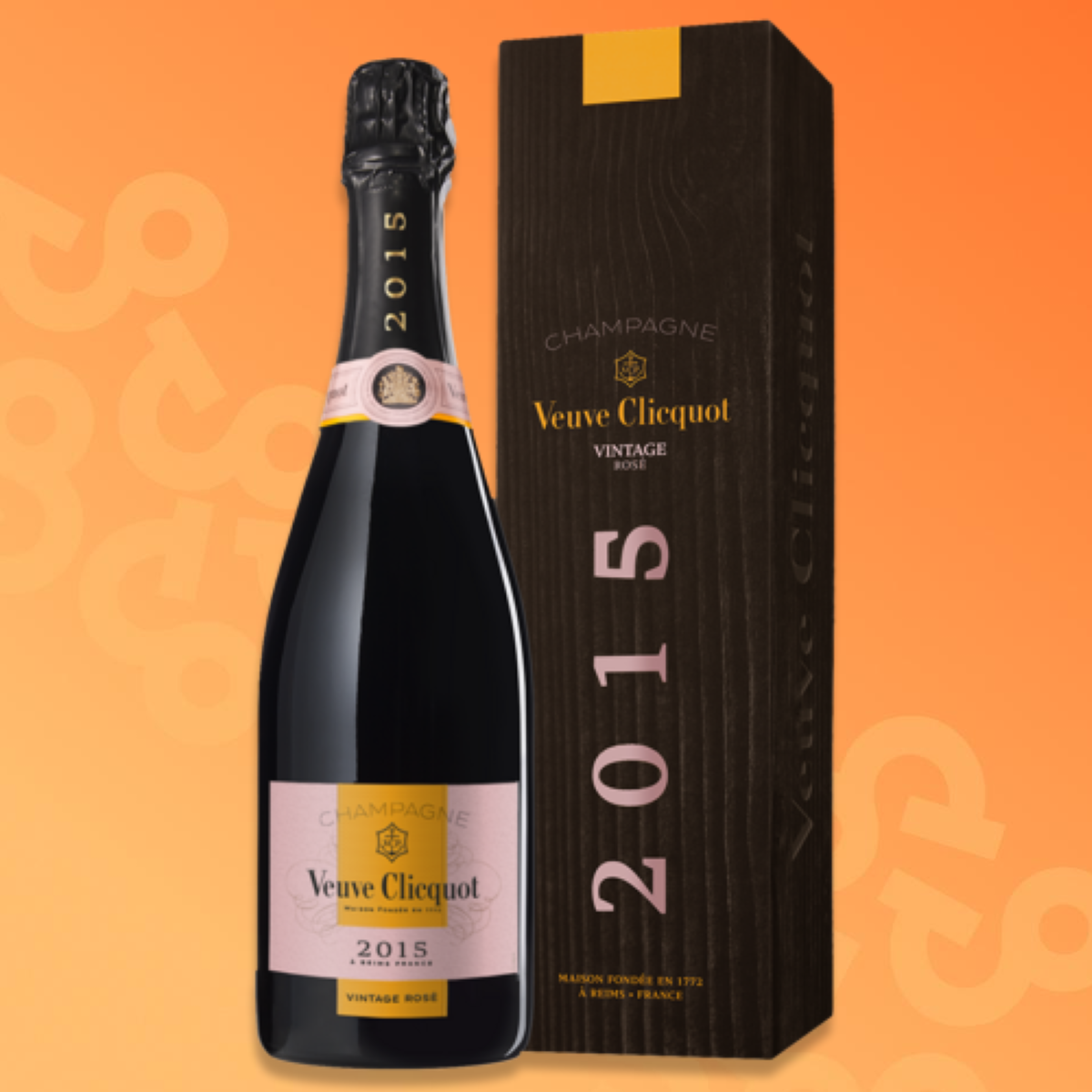
Veuve Clicquot Rosé Vintage
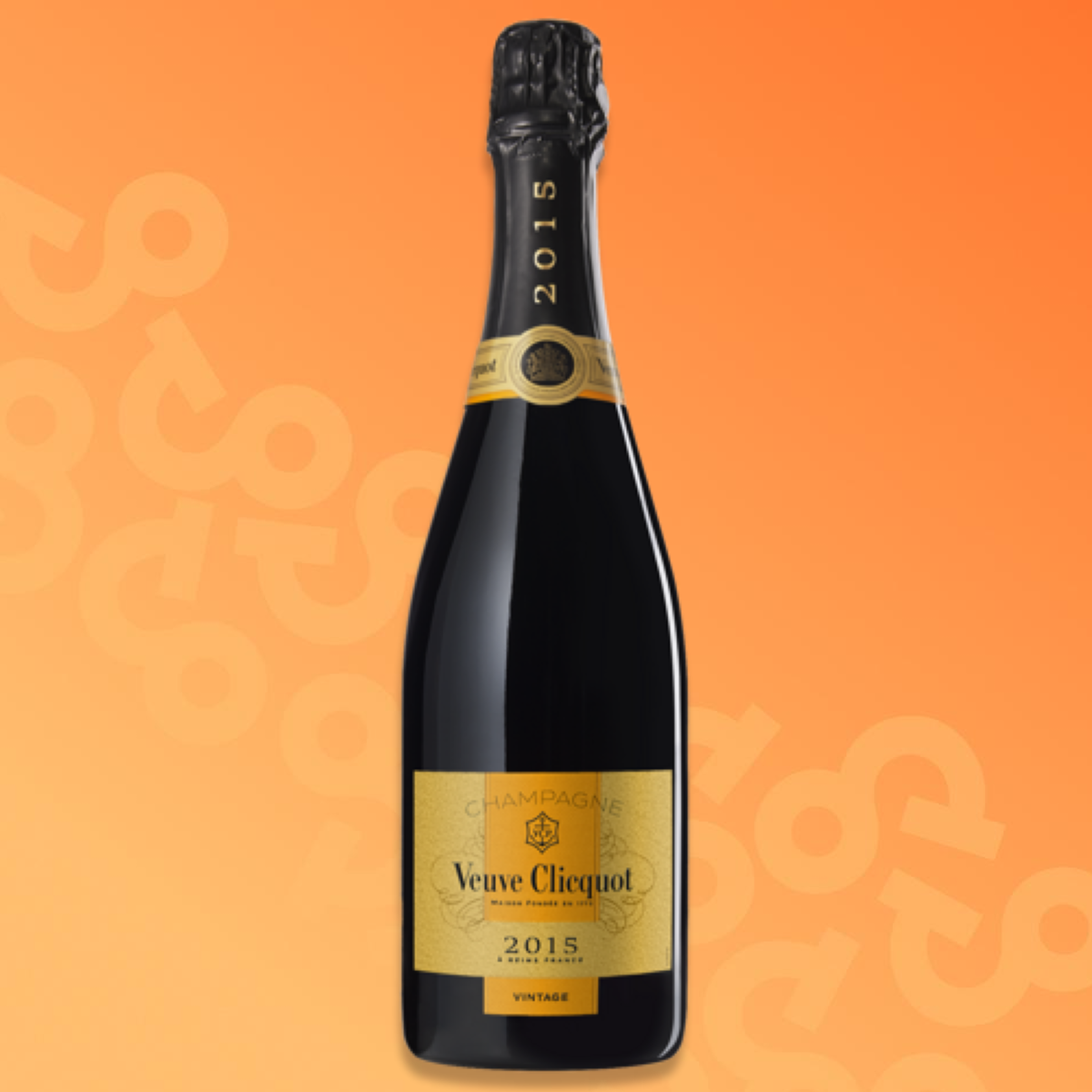
Veuve Clicquot Brut Vintage
Prices as of November 3, 2026, as reported by Gall & Gall. You can check the current price and stock at Gall & Gall. Glazen.nl receives a small commission if you buy something through these links; it costs you nothing extra. No 18, no alcohol.