Glass brushes

Beer leaves a greasy film on the inside of a glass, and that film is exactly what makes the head of foam collapse. You can’t see it and can barely taste it, but the next glass you pour will lose its head within a minute. That’s why almost every café has a glass brush in the sink.

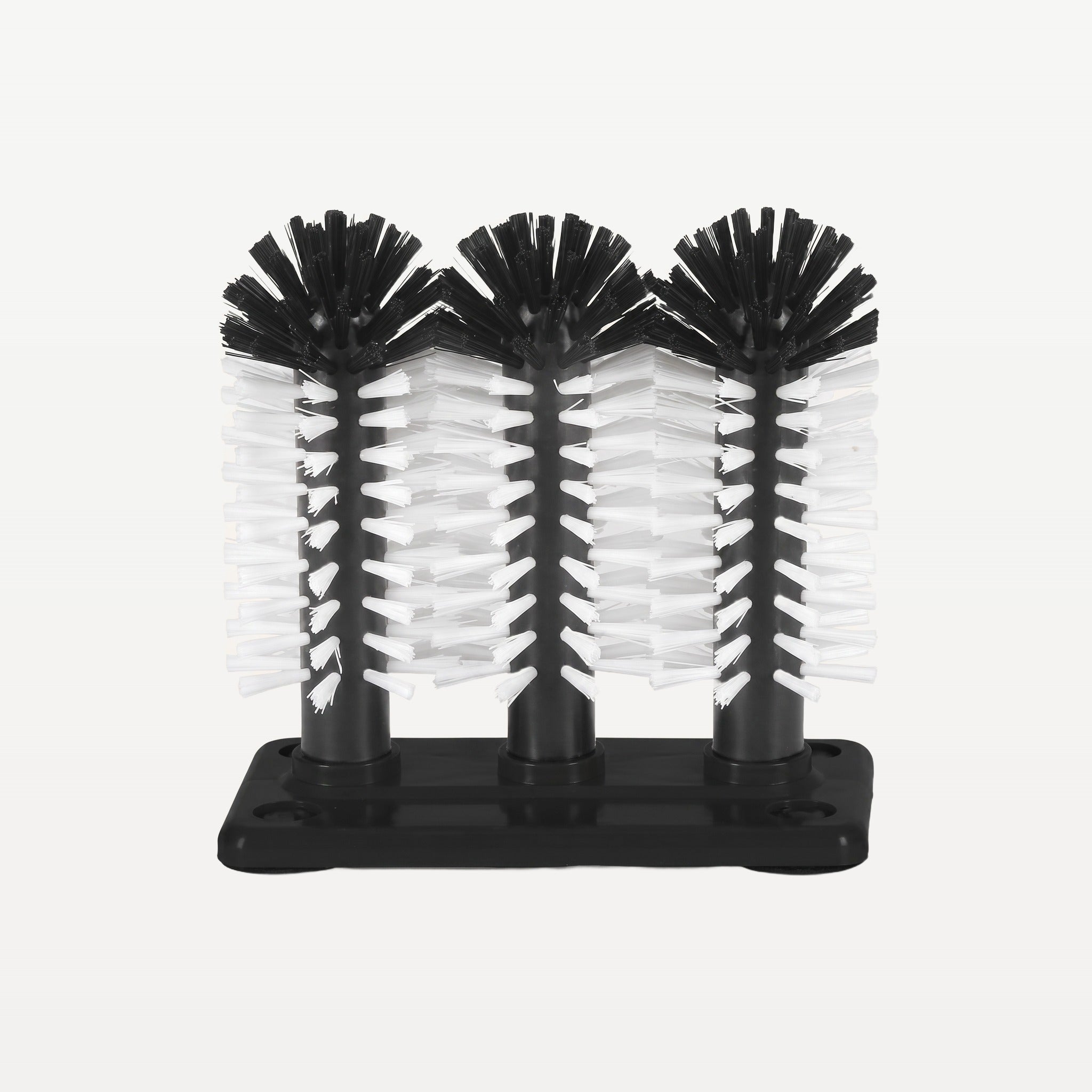
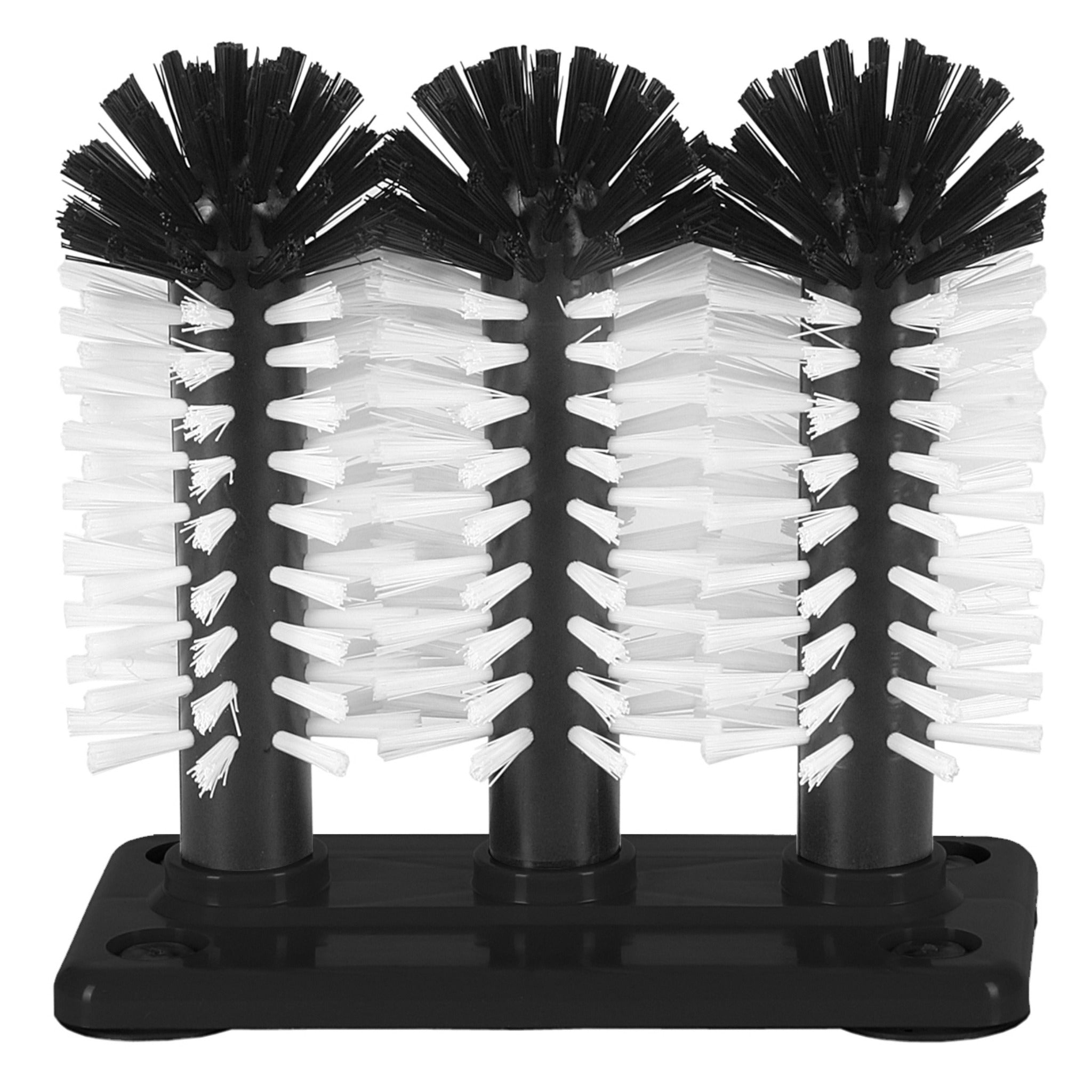
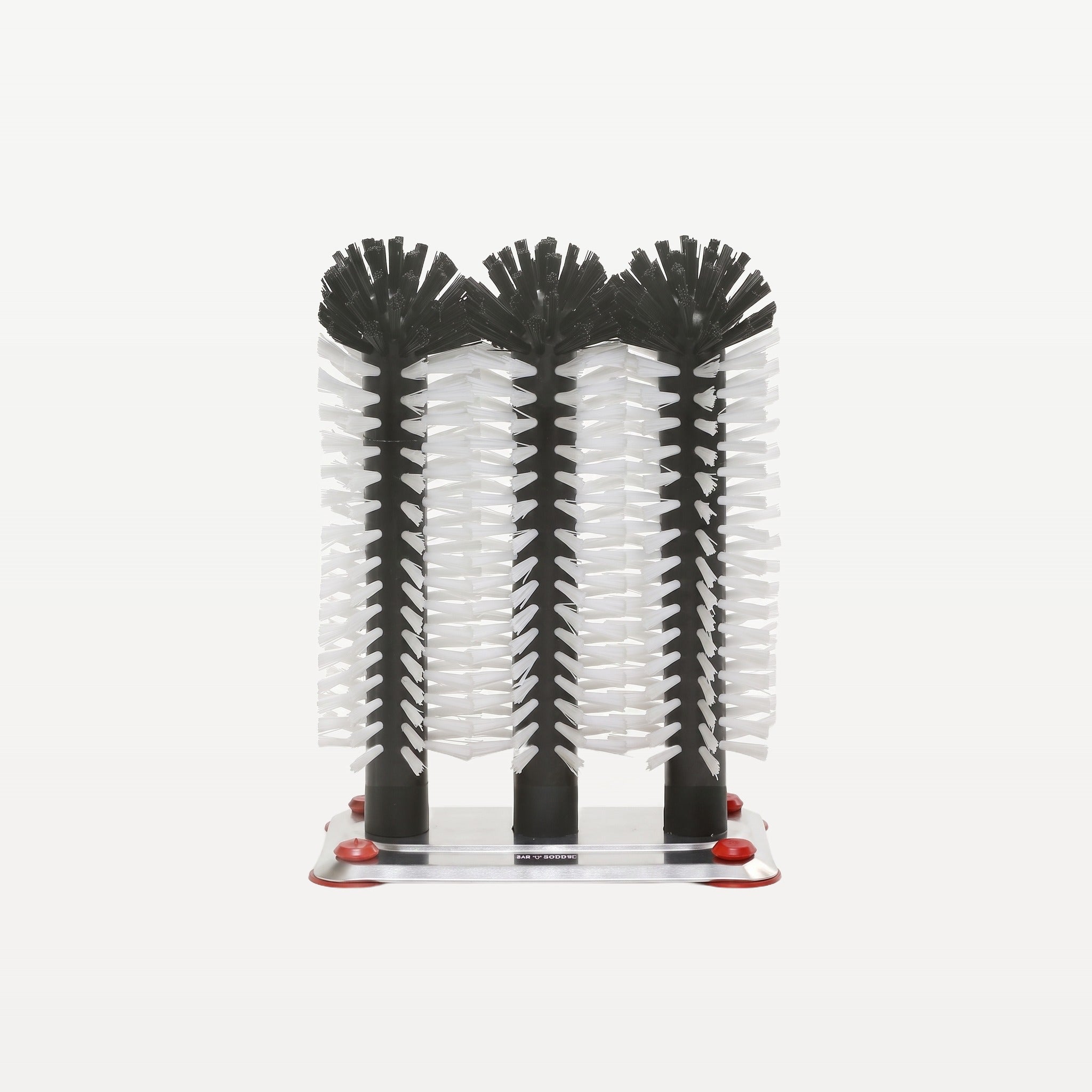
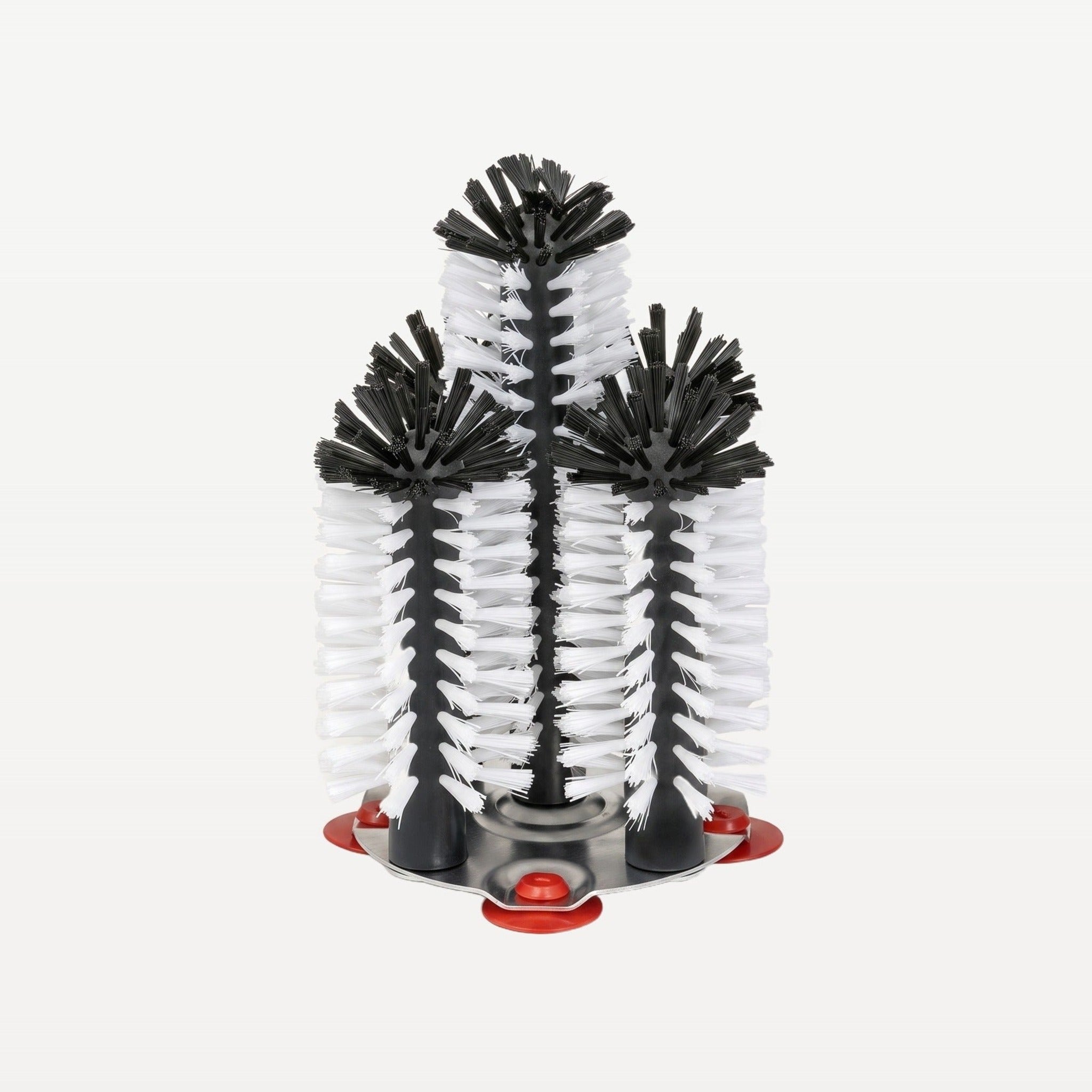
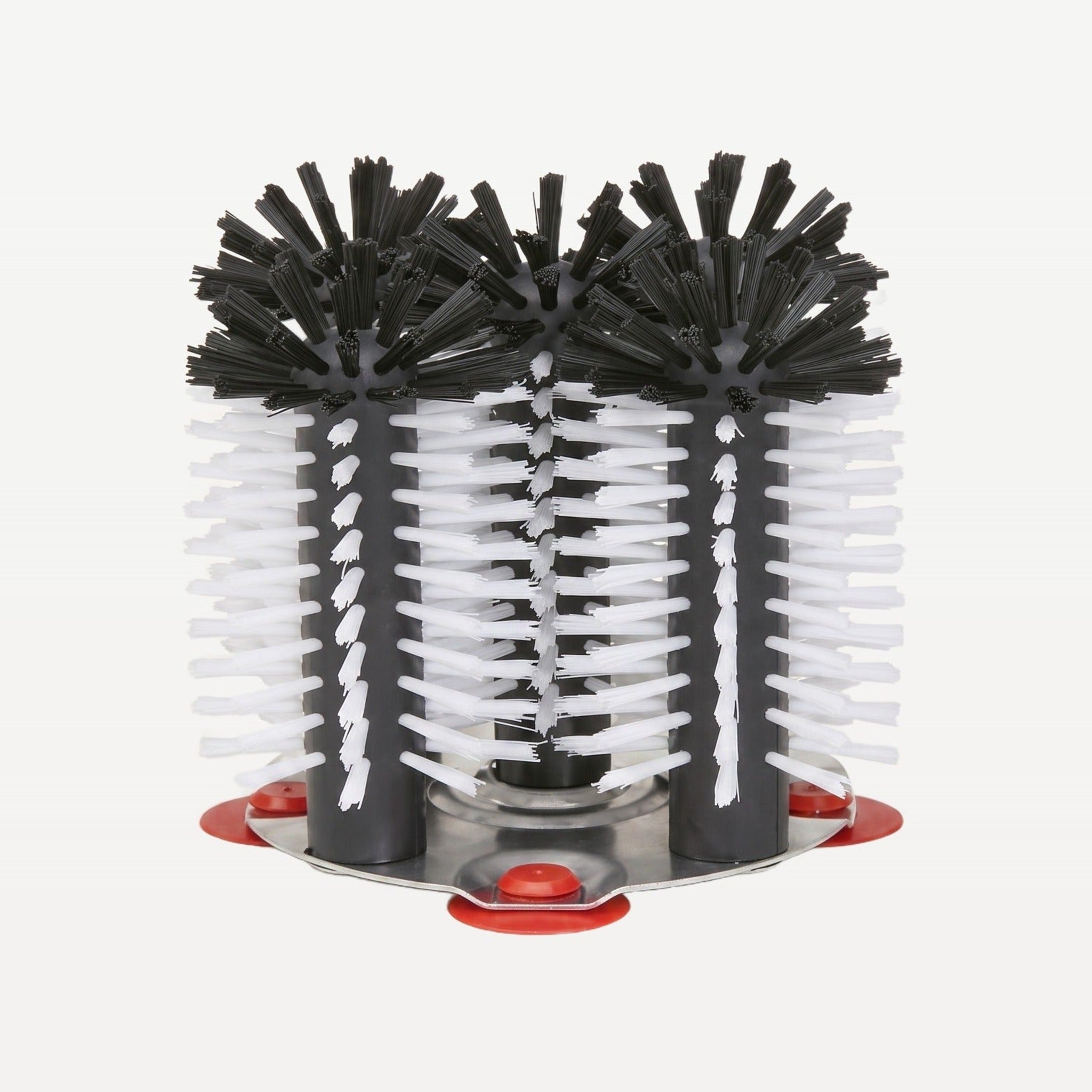
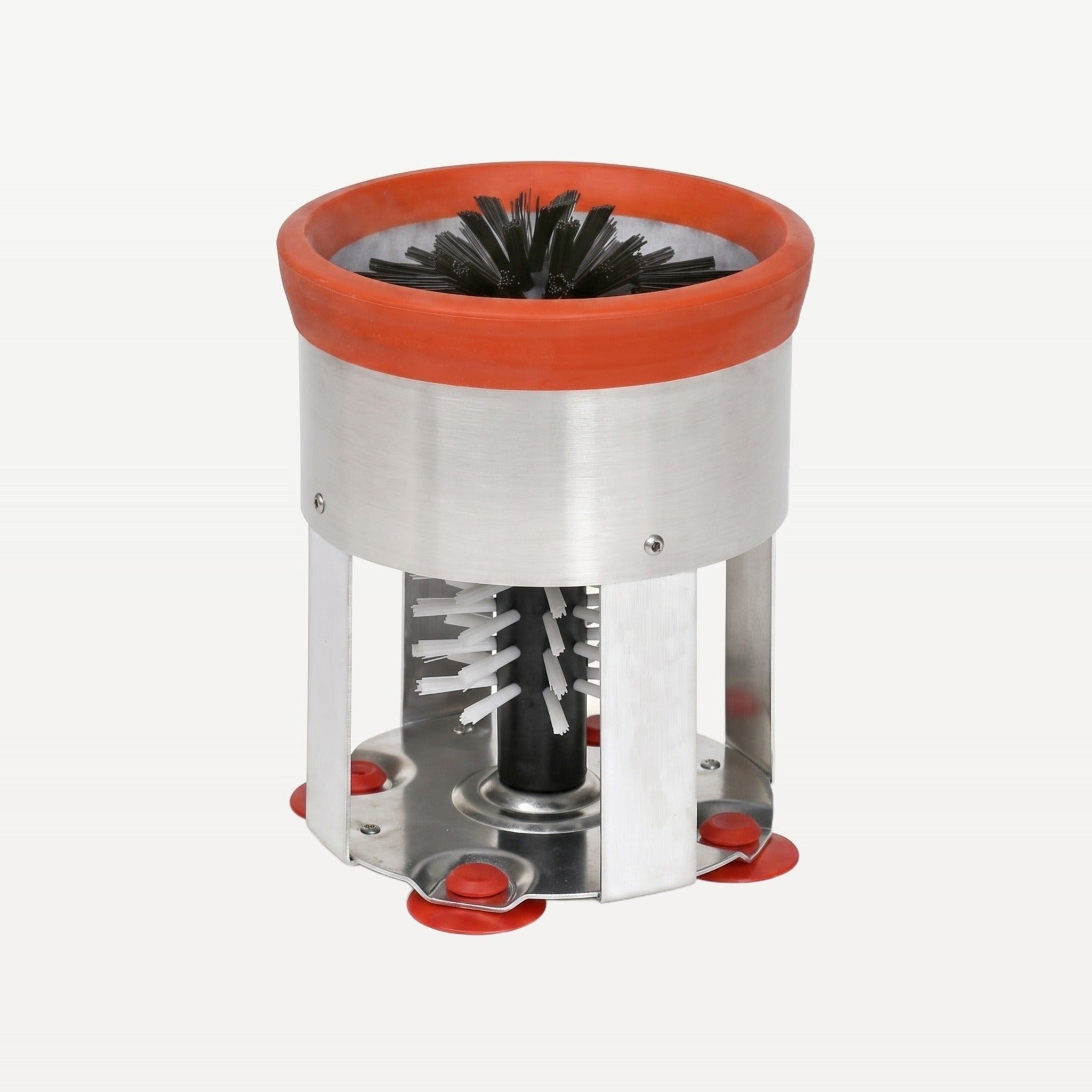
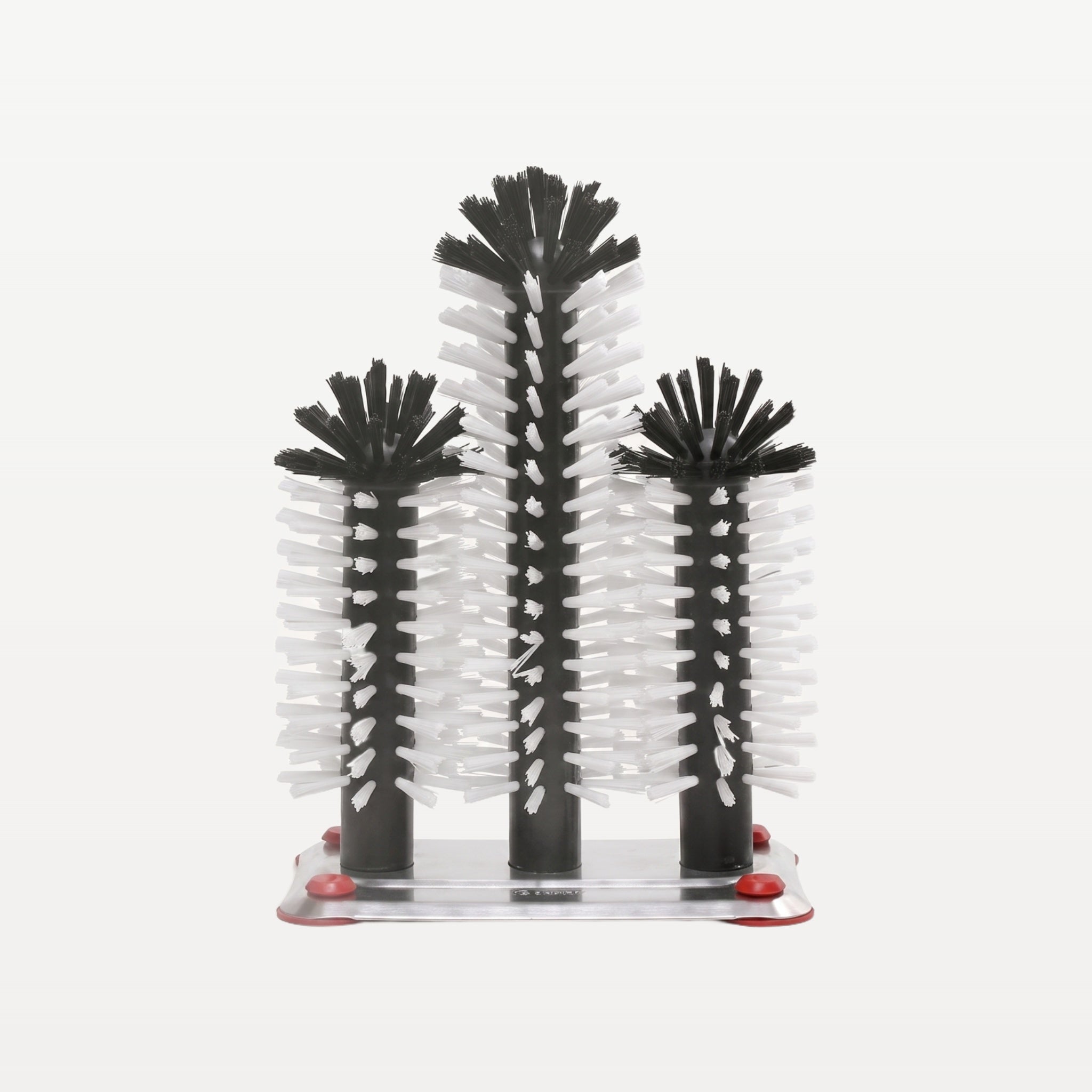
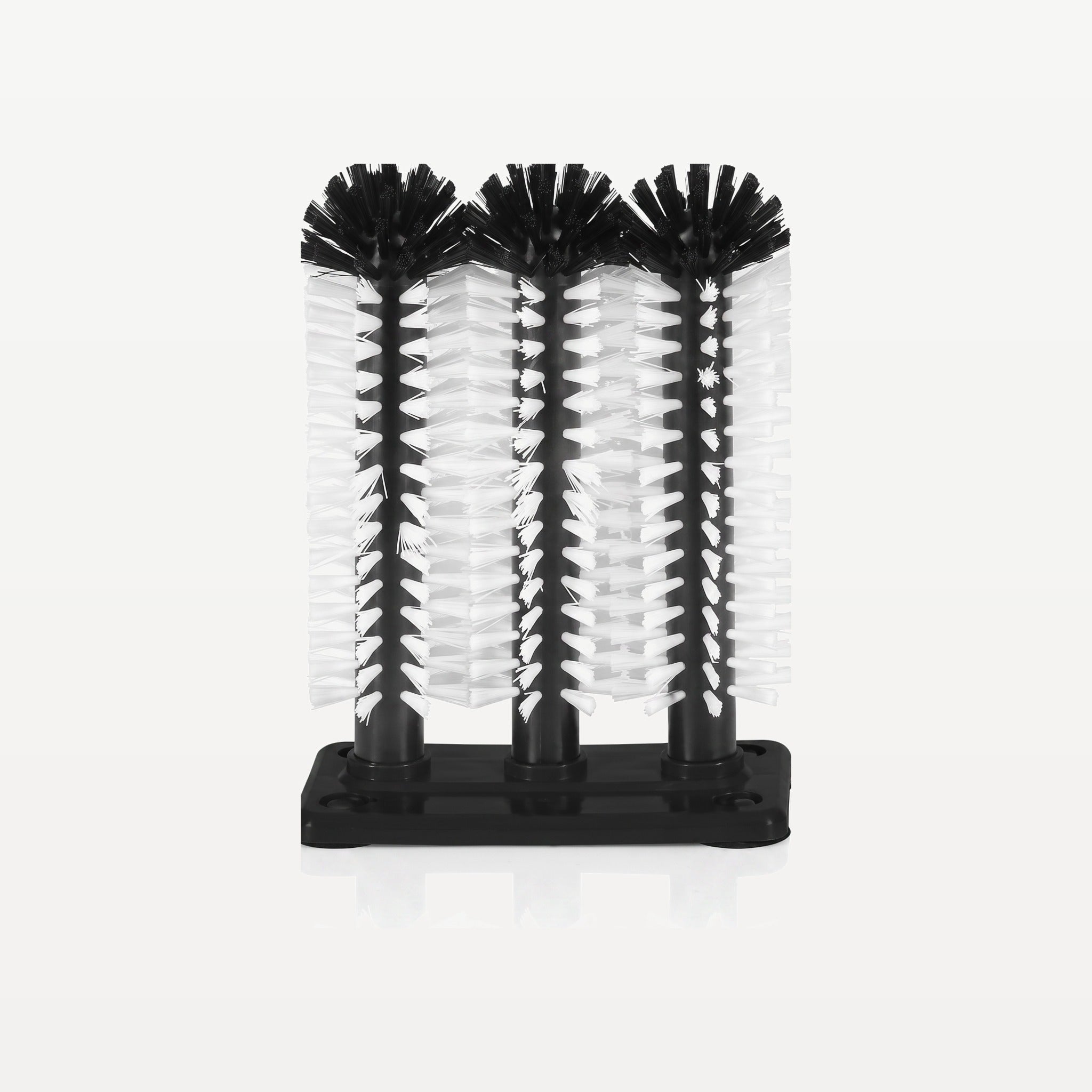
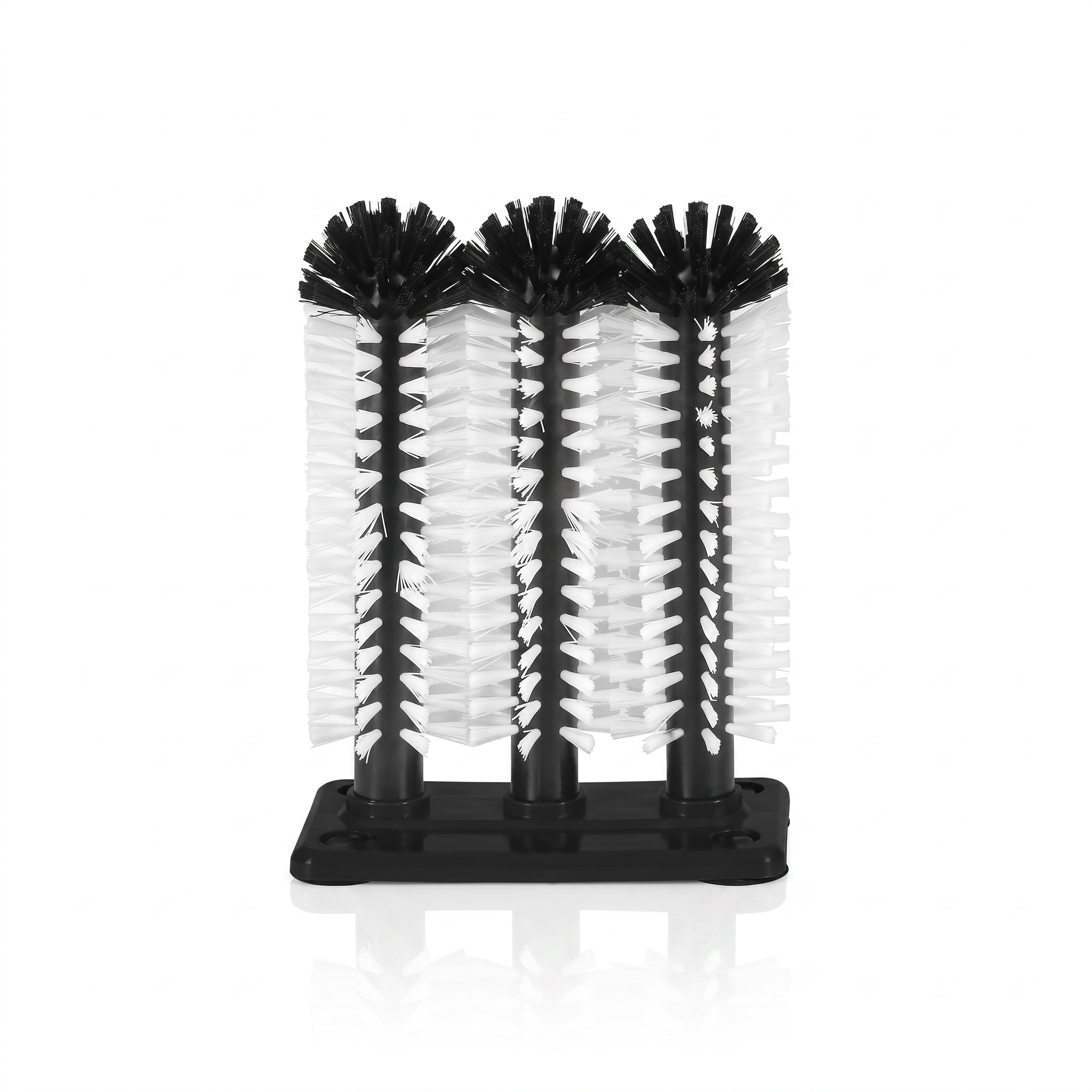
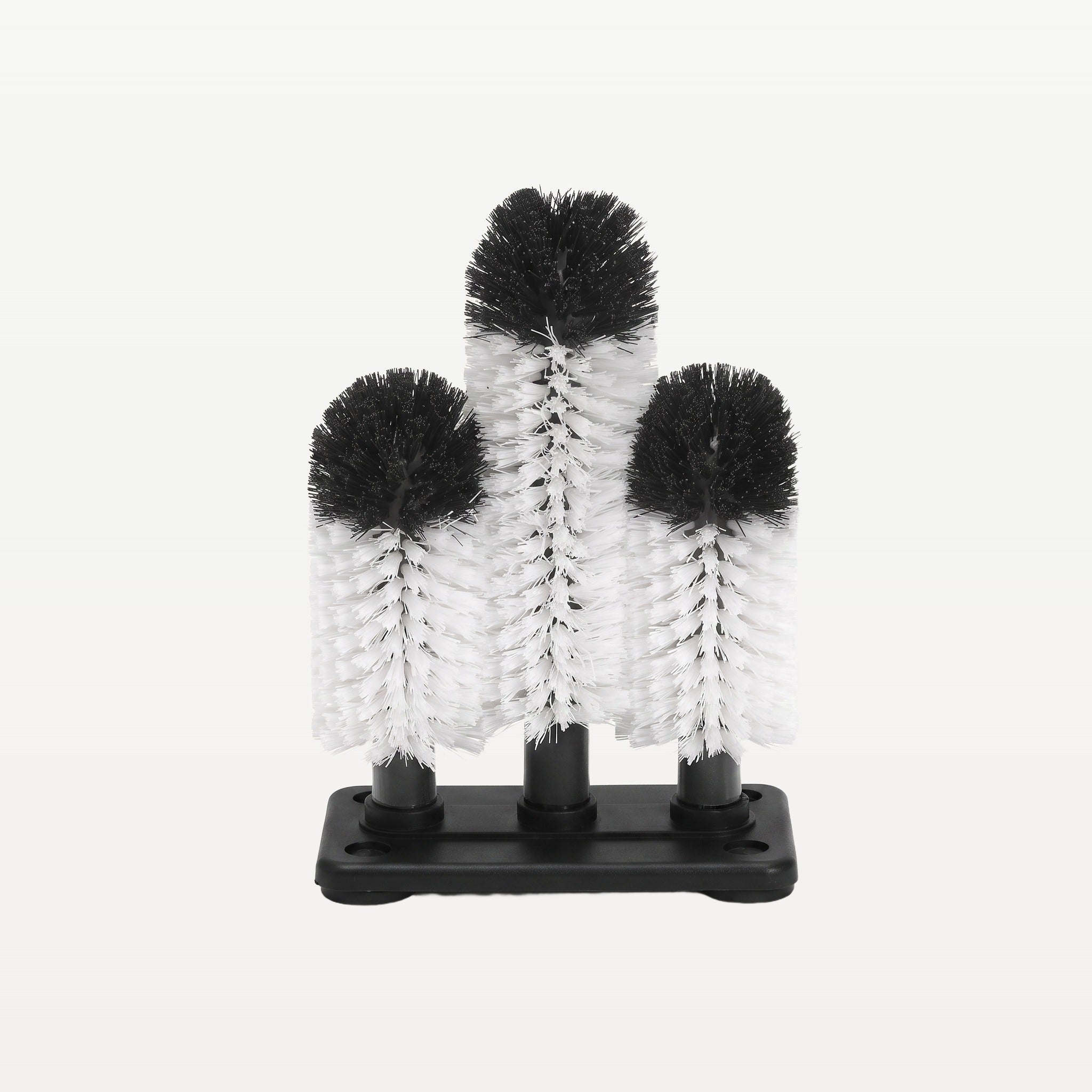
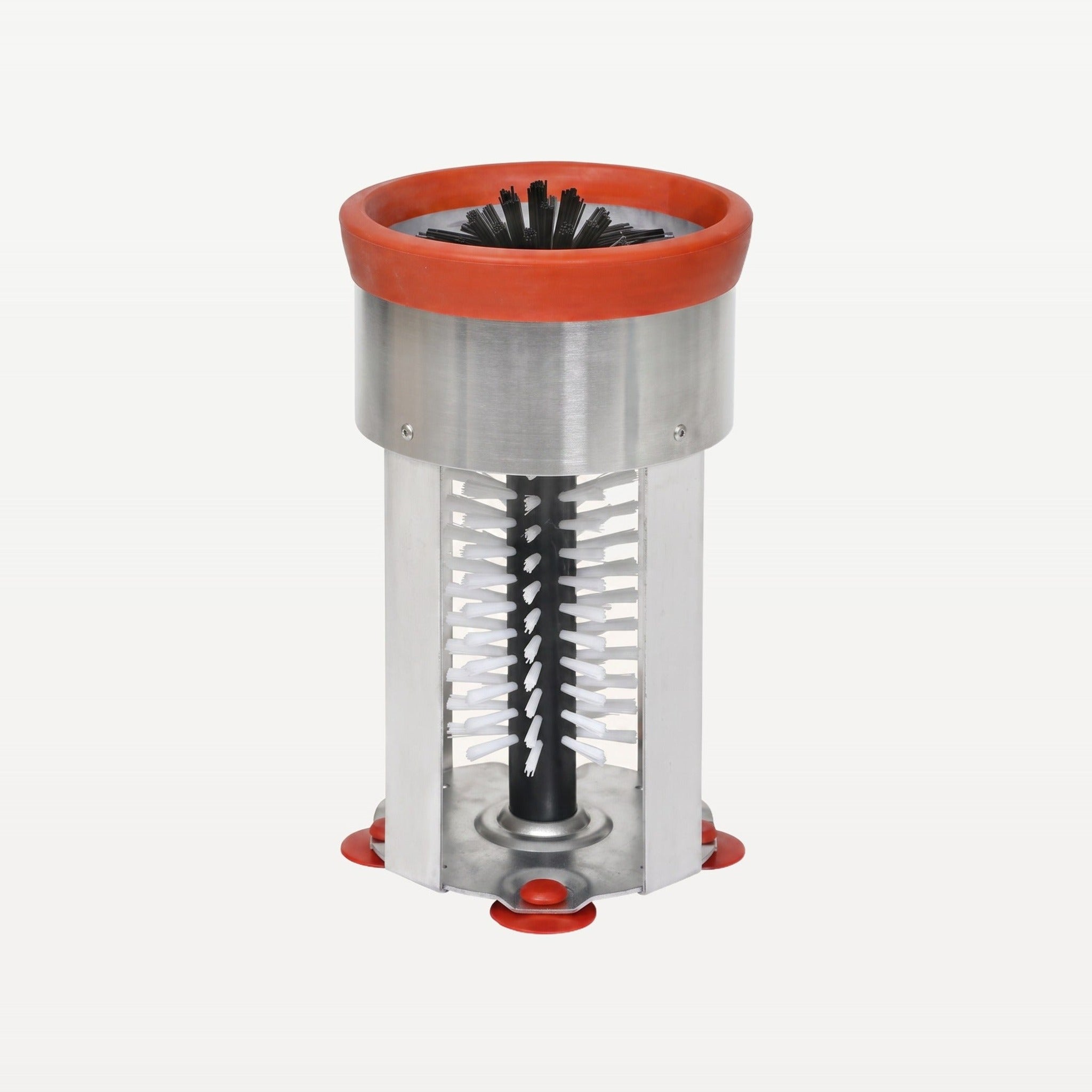
A glass brush is a set of brushes that you press the glass over and twist a few times. This cleans the inside and outside in a single motion. This collection includes individual washing brushes, complete sets with suction cups or a base, and replacement brush heads from Bar Professional in 18 and 25 centimetres.

Filters

Sort by:

9 products

Bar Professional Glazenborstel Enkel met Zuignappen 25 Cm
Bar Professional Glazenborstel Set 3-Delig 18 cmBar Professional Glazenborstel Set 3-Delig 18 cm detail
Bar Professional Borstelkoppen Aluminium 3 x 25 cm
Bar Professional Glazenborstel Set Aluminium 5-Delig
Bar Professional Glazenborstels Aluminium 5-Delig 18 cmEigenschappen van de Bar Professional aluminium glazenborstels 5-delig 18 cm
Bar Professional Glazenspoelborstel 18 cm RVS
Bar Professional Glazenborstel Set Aluminium 18/25 cmBar Professional Glazenborstel Set in gebruik
Bar Professional Glazenborstel Set 3-Delig met ZuignappenBar Professional glazenborstel set packshot
Bar Professional Glazenborstel Set 3-Delig met Voet 18x25 cm
100% breakage-free, or we’ll send you a new one | Free returns with store credit | Shipping from €6.95

Height, number of brushes and mounting

Pick the height to suit your tallest glass. An 18 centimetre brush is enough for tumblers, wine glasses and ordinary beer glasses. If you work with tall speciality beer glasses, highballs or vases, you need 25 centimetres, otherwise you will not reach the bottom. Sets containing both heights cover the whole cupboard in one go.

A single brush is meant for a quick rinse in between. A set of three or five works faster, because the outer brushes take care of the outside and the rim while the middle one does the inside. Then look at the mounting: suction cups go on a smooth stainless steel sink and can be moved, while a model with a base stands loose in the sink and is easier to lift out. The brush heads can be replaced separately, so the base lasts longer than the bristles.

How to rinse glasses

Fill the sink with lukewarm water and a dash of glass-washing liquid, not with hot water. Water that is too hot actually fixes the grease onto the glass and can crack a thin rim. Push the glass down over the brush, turn it two or three times and rinse it in clean cold water. That final rinse is not an extra step but half the job, because soap residue leaves the same film as grease.

Then let the glasses drain upside down on a rack, or polish them with a lint-free cloth while they are still warm. You can tell a truly grease-free glass by the foam: pour beer into it and the head stays up, with rings running down the wall.

Keeping the brushes themselves clean

Bristles that hang in standing water all day start to smell. Rinse the brushes under the tap at the end of service, shake them dry and stand them upright so the water runs out. An aluminium base can go through a short dishwasher cycle.

Replace the heads as soon as the bristles splay out or stay flat, because at that point they no longer scour, they merely stroke. A glass brush does not work for carafes and bottles with a narrow neck; for those you need a long-handled brush or a cleaning agent.

More in the bar section

Clean glassware is the starting point, not the finish. If your glasses are due for replacement, start with the beer glasses or the wine glasses, and for carafes you keep washing by hand take a look at the carafes. Behind the bar you will also find the cocktail shakers and the ice buckets. What a clean glass does for a drink is explained in the cocktail recipes, for instance with the gin and tonic.