Bar mats & cutting boards

Garnish is the last thing a guest sees and the first thing they smell. A lime wedge cut at an angle or a twist with ragged edges immediately reveals that it was done in a hurry. With a short, sharp knife and a non-slip board, a neat garnish takes five seconds.

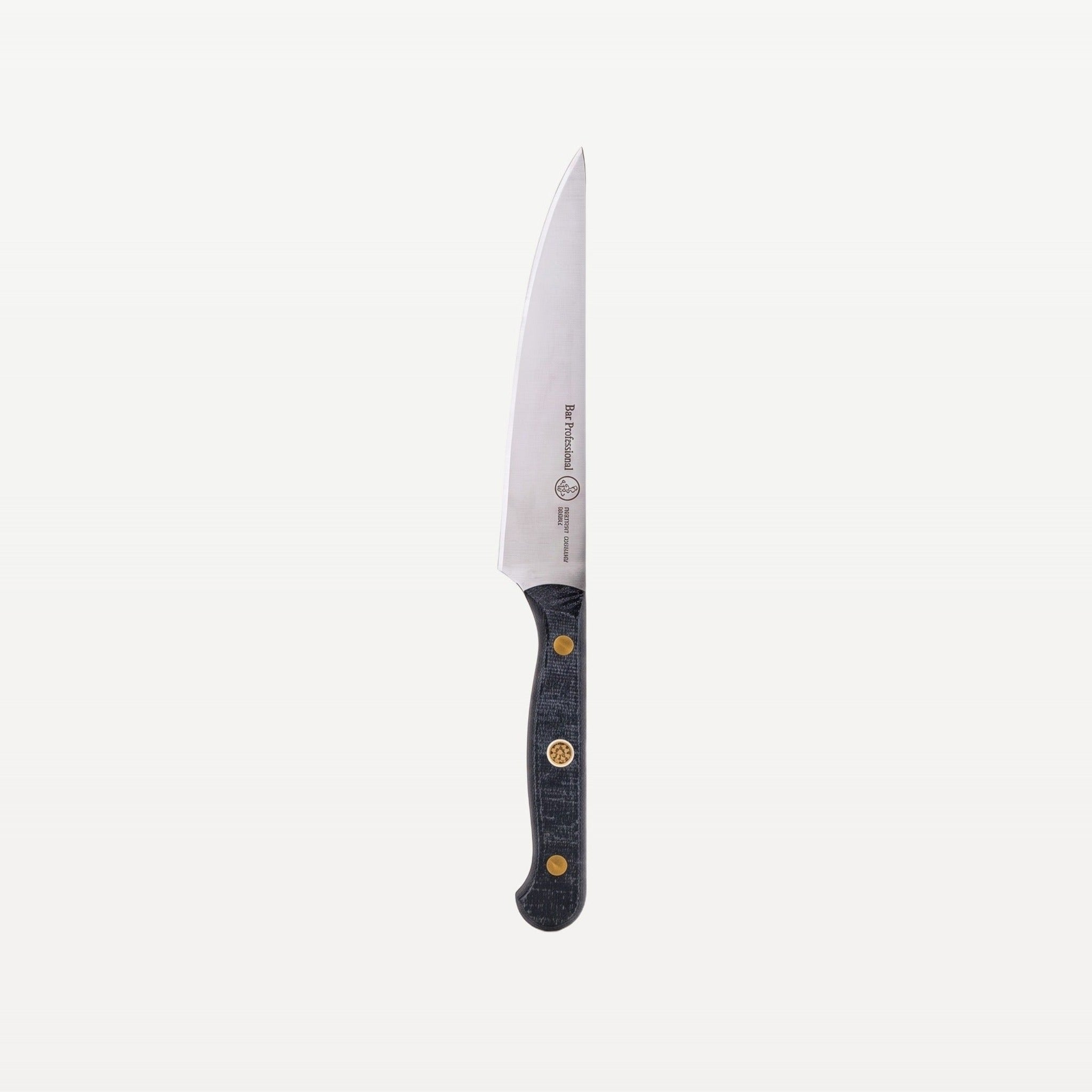
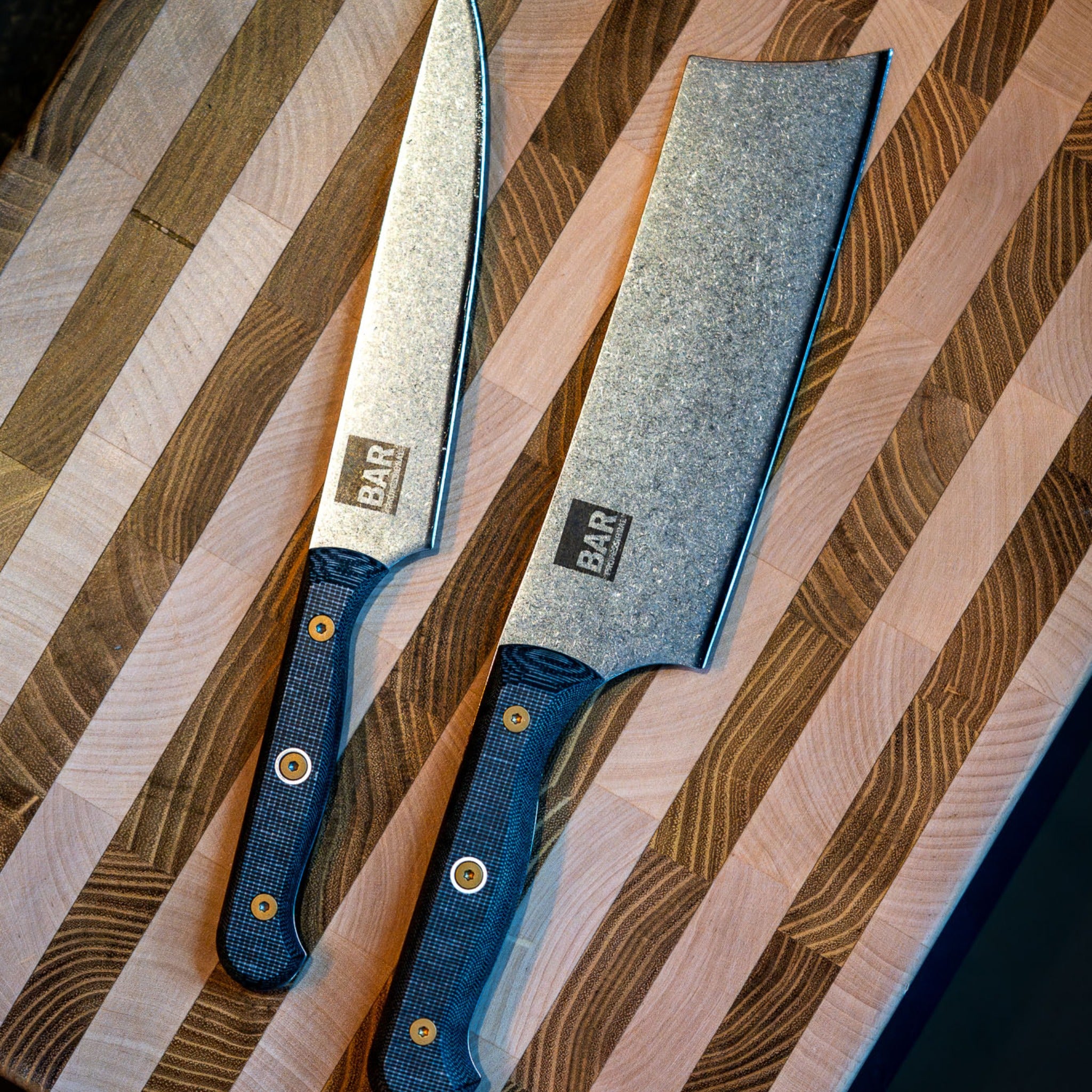
Behind a bar, you work with different knives than in the kitchen. Short blades, plenty of control, little weight. The selection here includes a 7.5 cm garnishing knife, a 9 cm paring knife, a 15 cm utility knife, and a 16.5 cm nakiri, plus wooden and plastic boards.

Filters

Sort by:

6 products

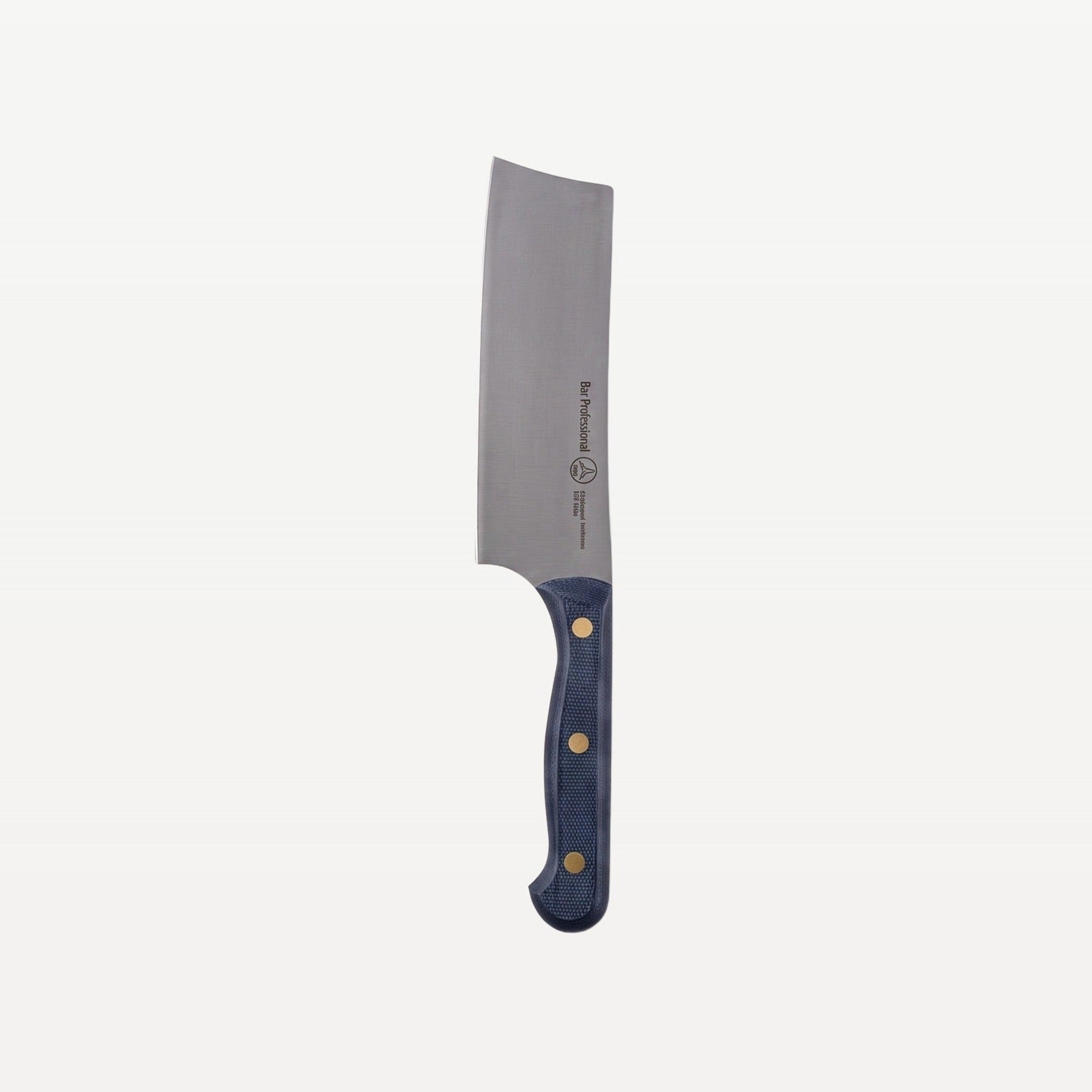
Bar Professional Nakirimes 16,5 Cm
Bar Professional Universeelmes 15 cmBar Professional Universeelmes 15 cm
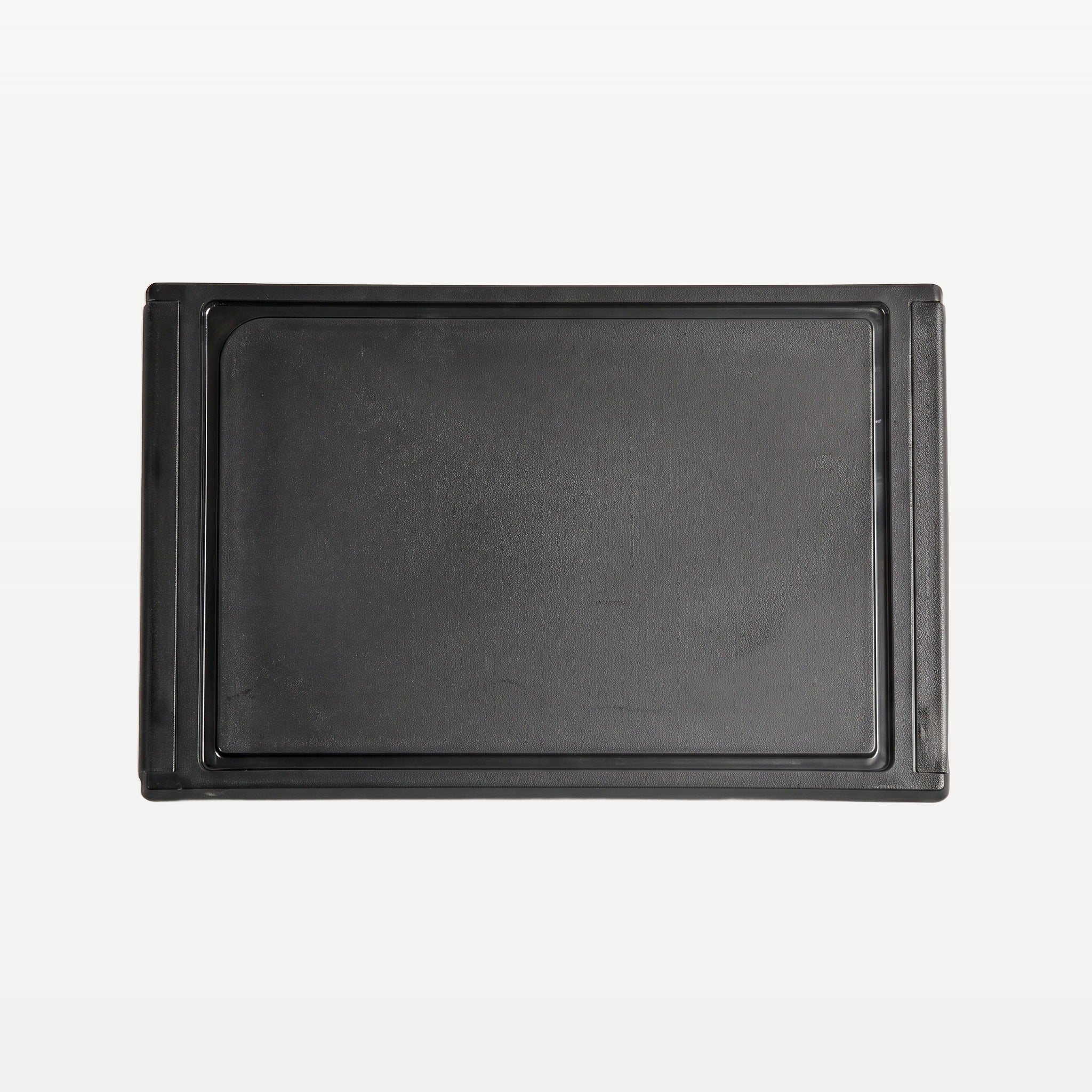
Bar Professional Snijplank Kunststof Zwart 30x20 Cm
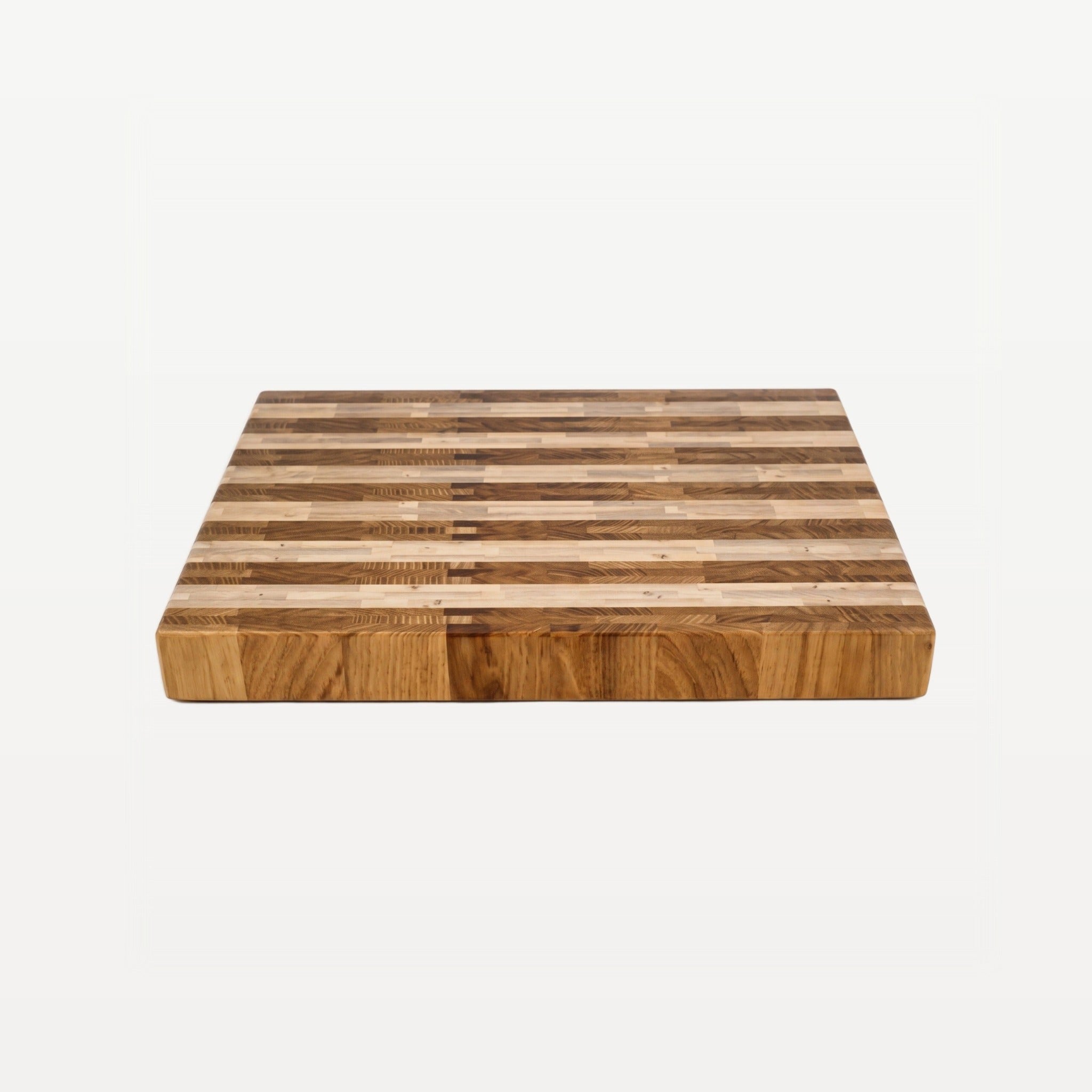
Bar Professional Snijplank Hout Tweekleurig 40x30 Cm
Bar Professional Elite Garneermes 7,5 cmEigenschappen van Bar Professional Elite Garneermes 7,5 cm
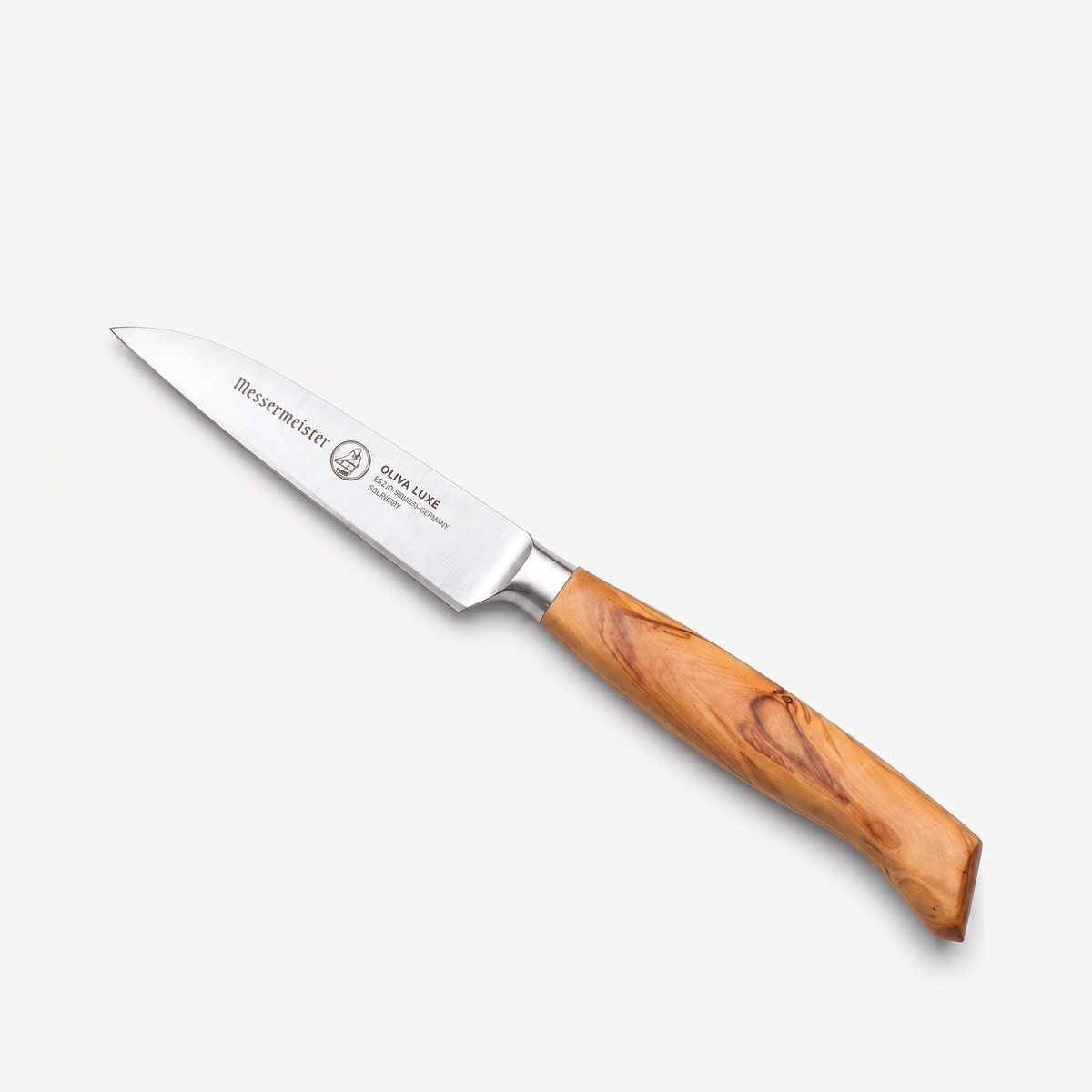
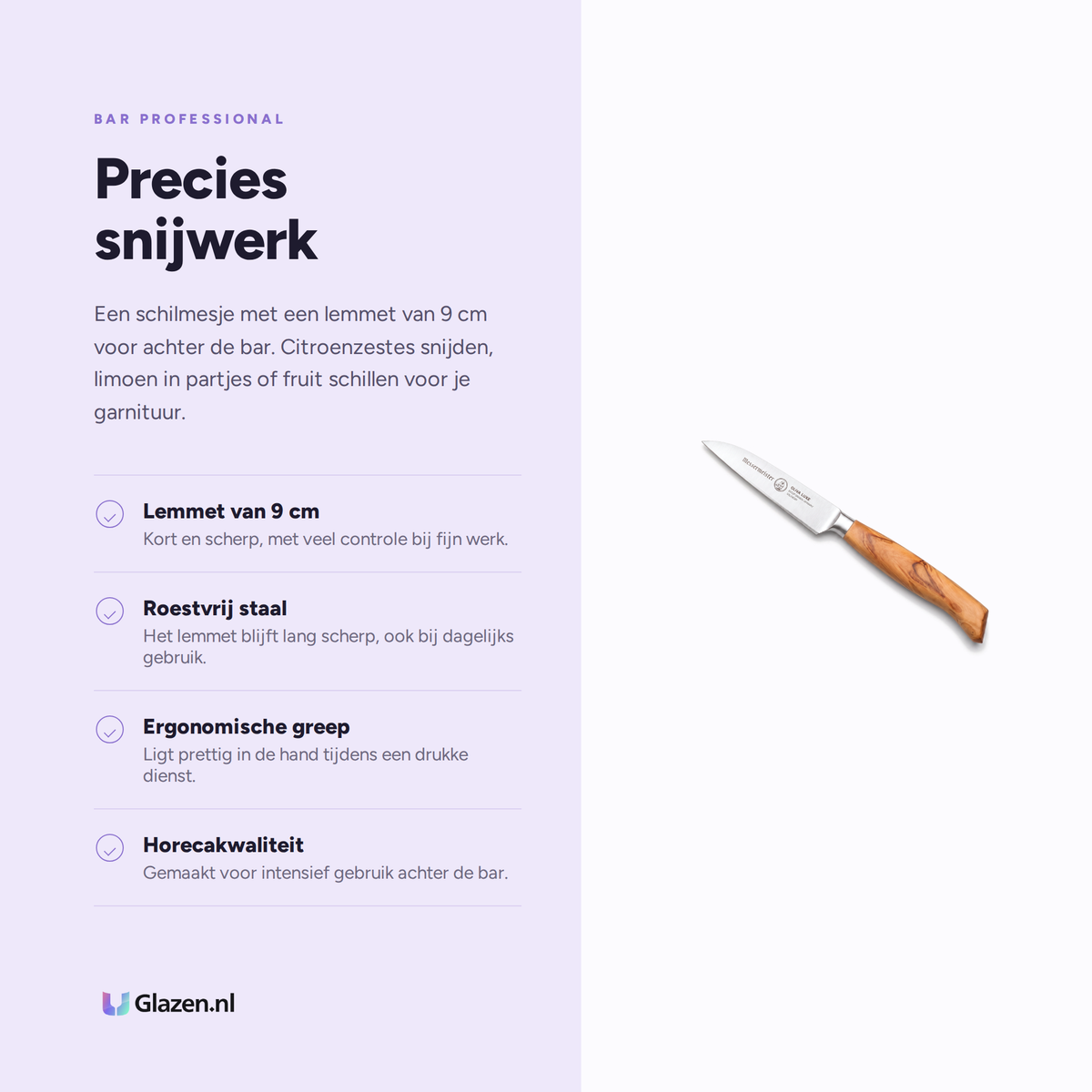
Bar Professional Elite Schilmesje 9 cmEigenschappen van Bar Professional Elite Schilmesje 9 cm
100% breakage-free, or we’ll send you a new one | Free returns with store credit | Shipping from €6.95
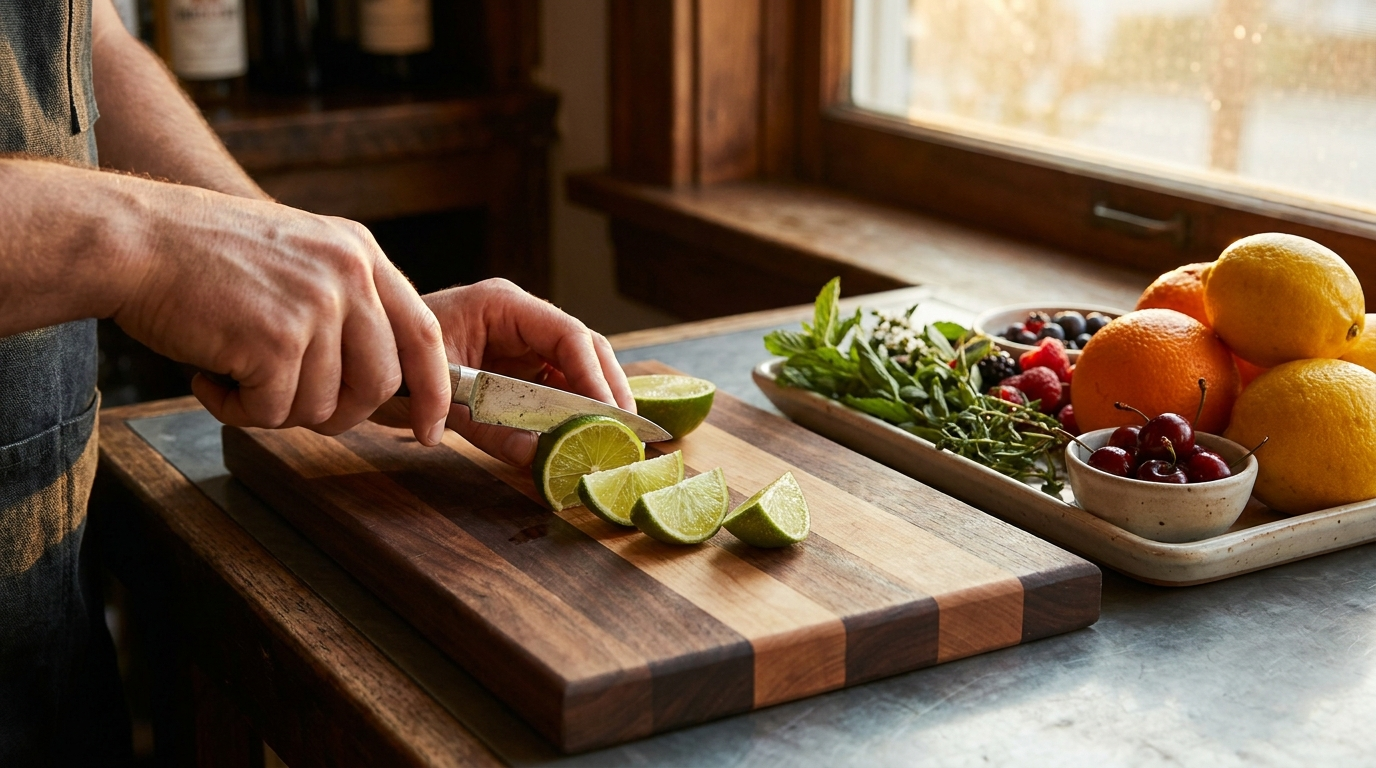
Limoen in partjes snijden met een garneermes op een tweekleurige houten snijplank

Which knife for which garnish

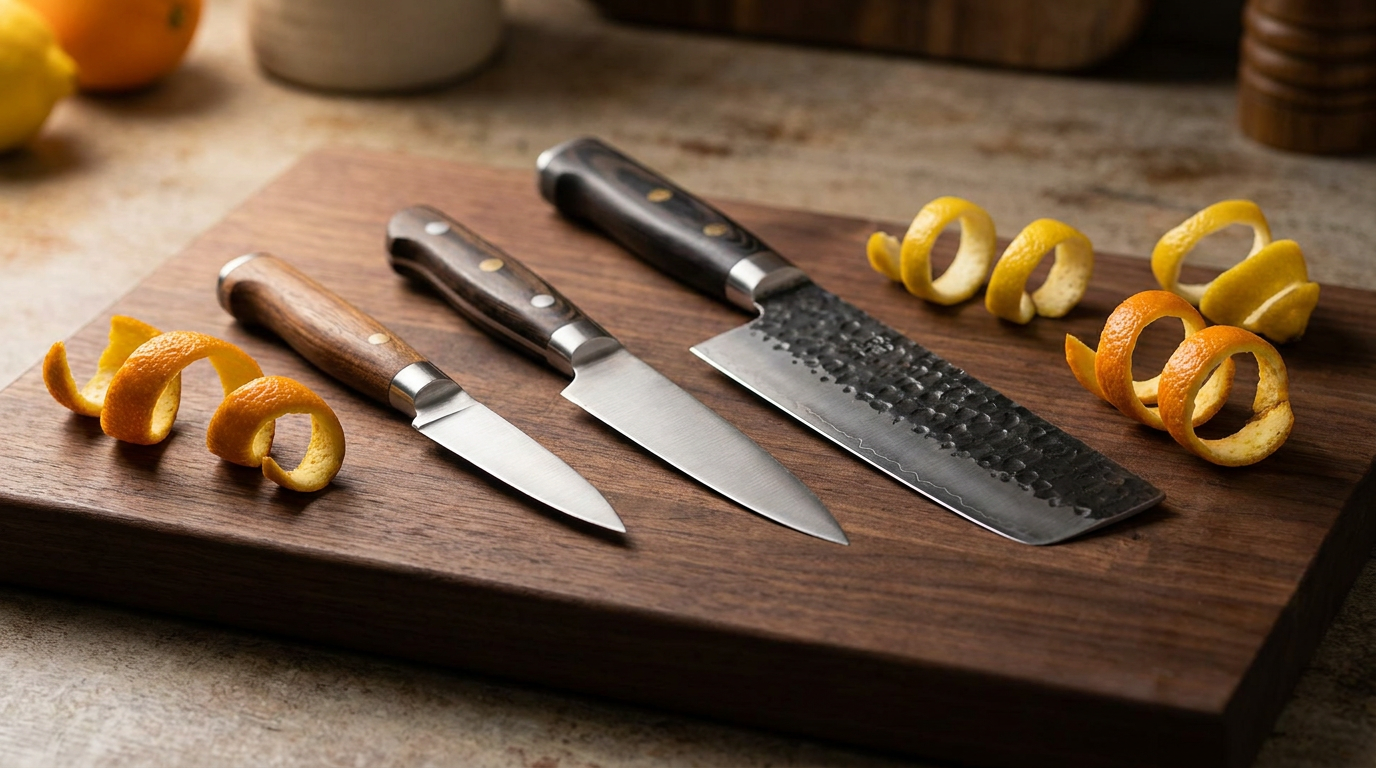
The garnishing knife of 7.5 cm is the one you pick up most often. Short enough to cut a lime into eight without the tip getting in the way, and sharp enough for thin slices of cucumber. The paring knife of 9 cm has a slightly curved edge and is meant for zests and twists: you take the peel off without the white, bitter part underneath. For rougher work you reach for the utility knife of 15 cm, for instance when a whole pineapple has to be opened up. The nakiri of 16.5 cm has a straight blade that runs right down to the board, handy when you are cutting ten slices in a row. Choose the board by size: 30 by 20 cm fits behind most bars, 40 by 30 cm gives you room when you prep ahead.

Garneermes, schilmesje en nakirimes op een donkere snijplank met citruszestes

Twists, slices and wedges

Put a damp cloth under the board and it will not slide. For a wedge you halve the lime lengthways and cut each half into four; the point has to stay sharp enough to squeeze over the rim of the glass. For a slice you cut across instead, about three millimetres thick, with a notch to the centre so it stays on the rim. A twist for an old fashioned is cut with the paring knife into a strip two centimetres wide, which you squeeze over the glass so the oils land on the surface. With a gin & tonic the peel goes into the glass instead.

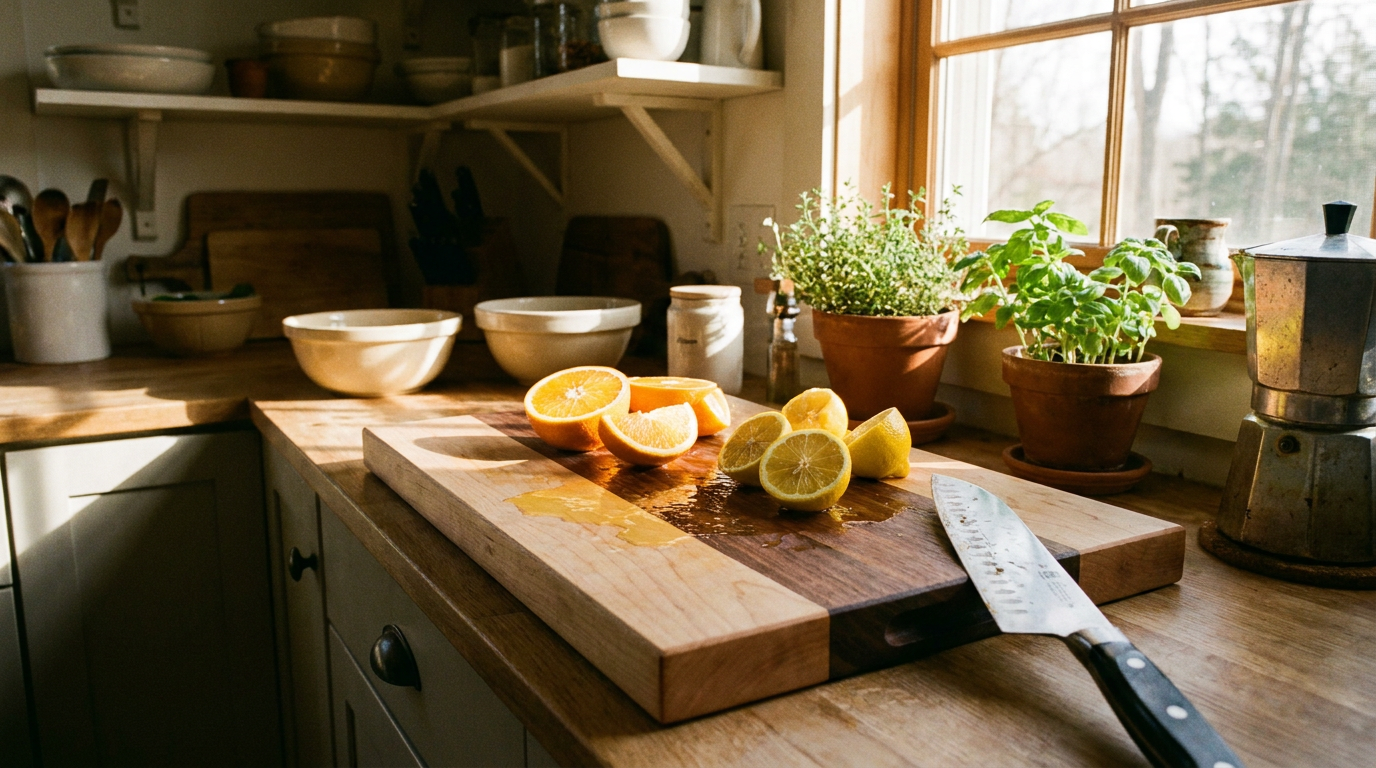
Grote houten snijplank met gesneden sinaasappels en citroenen op het aanrecht thuis

Wood or plastic, and keeping it sharp
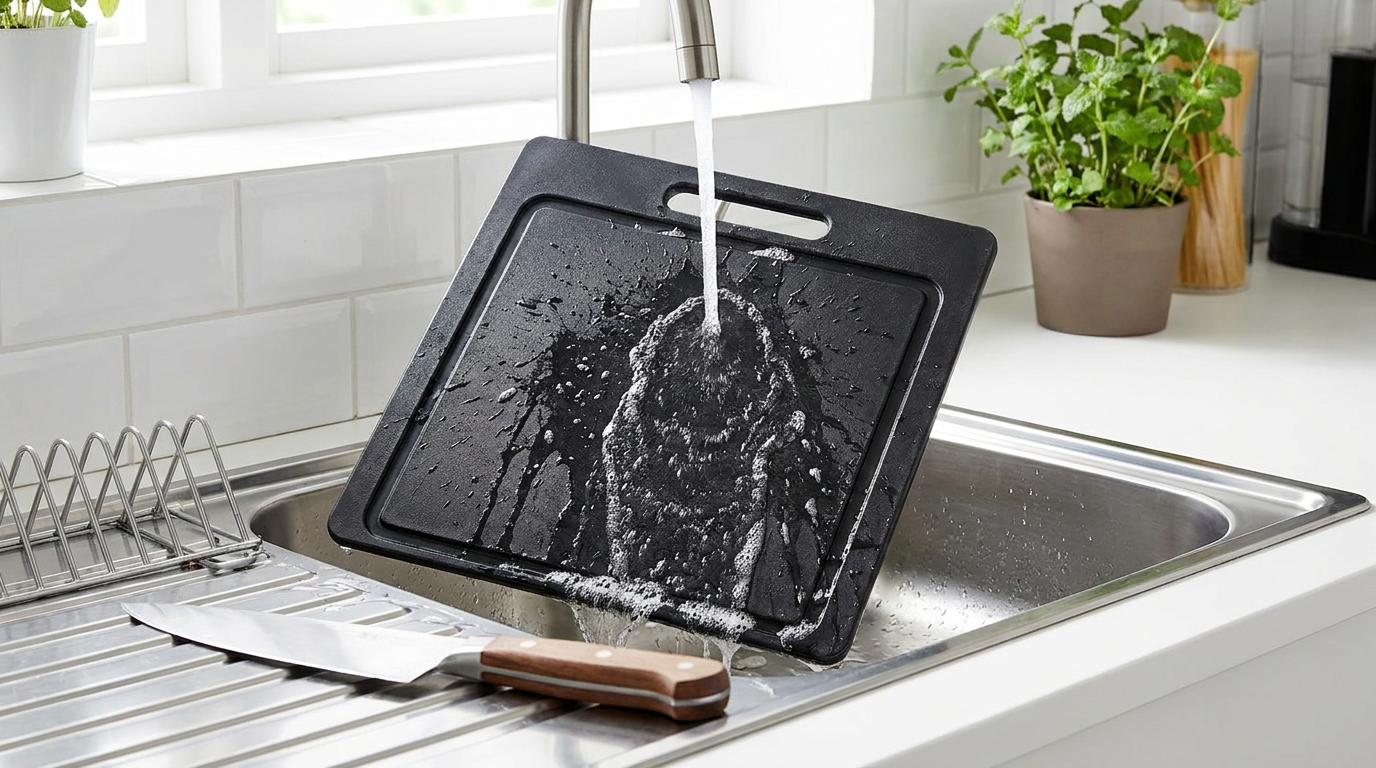
Plastic boards can go in the dishwasher, which makes them the logical choice for a bar where lime goes across them all evening. Wood cannot: it warps and the glued joints come apart. Wash wooden boards by hand, dry them standing up and rub them with a neutral oil now and then. Knives are always washed by hand, because a dishwasher dulls the edge and attacks the handle. Run them over a sharpening steel regularly and store them so the blades do not touch each other.

Zwarte kunststof snijplank wordt schoongespoeld in de spoelbak met het mes op het afdruiprek

The rest of the garnish station

If you are standing at the cutting board anyway, the juice usually comes with it: that you press with one of the citrus presses. To keep the garnish in place afterwards you use cocktail picks, and the shaking itself happens in one of the cocktail shakers. Still unsure about the glass it all ends up in? The cocktail glasses are grouped by shape, from coupe and tumbler to hurricane.